About Cornucopia
Cornucopia, aptly named the 'horn of plenty,' is celebrated as Wakatobi's most spectacular wall dive, offering a diverse and nutrient-rich underwater environment. This site begins with a gently sloping terrace, which gives way to a dramatic sheer drop-off plunging into deeper waters. The topography features numerous ridges, ledges, and deep overhangs, providing varied habitats for marine life. The rich, planktonic currents that sweep past Cornucopia nurture a dazzling array of marine organisms. The wall is densely packed with black coral, massive gorgonian fans, and barrel sponges, all displaying saturated colours thanks to the steady food supply. Macro enthusiasts can discover pygmy seahorses nestled in sea fans and various nudibranchs along the ledges. While conditions are generally mild enough for Open Water divers, the site is better suited for Advanced Open Water divers due to potential depths and currents. Visibility typically ranges from 30 to 50 meters, and water temperatures hover between 26 and 29°C. Divers can expect to observe schooling fish and keep an eye out for larger pelagic species such as whitetip reef sharks and eagle rays cruising the blue water off the wall.
Highlights
Celebrated wall diveRich planktonic currentsDeep overhangsBlack coral formationsHuge gorgonian fansPygmy seahorsesNudibranchs on ledgesOccasional eagle rays
Season calendar
Best months to dive here
Jan
Feb
Mar
Apr
May
Jun
Jul
Aug
Sep
Oct
Nov
Dec
Excellent
Good
Apr – Nov (Apr–Nov)
The dry season brings calm seas, 25–30m+ visibility, and strong currents that attract mantas, sharks, and pelagics to Komodo. Alor offers pristine reef diving with 20–40m visibility. Bali's Nusa Penida delivers Mola Mola encounters from July to October. Water temperatures range from 24–28°C — a 3mm or 5mm wetsuit is recommended.
Dec – Mar (Oct–Apr)
Raja Ampat peaks during the wet season with calmer seas, plankton-rich waters attracting manta rays, and excellent biodiversity. Water is a warm 28–30°C with 15–25m visibility. The Banda Sea opens its rare expedition window from September to December, with hammerhead sharks and pristine seamounts. Lembeh Strait offers world-class muck diving year-round. A 3mm wetsuit is sufficient.
Dive site facts: Cornucopia
- Depth
- 5–40 m
- Typical dive
- 18 m average depth, 35 m max recommended
- Current
- Moderate, can change with tide
- Visibility
- 30–50 m
- Water temperature
- 26–29°C
- Entry
- Boat
- Level
- AOWD recommended
- Dive type
- Wall, reef, macro
- Region / port
- Wakatobi, Southeast Sulawesi
- Coordinates
- 5.7720° S, 123.8650° E
Conditions & Currents
Cornucopia is known for its steady currents, which are responsible for delivering the abundant plankton that feeds the site's vibrant soft corals and diverse marine life. These currents are typically described as moderate, but can change with the tide, requiring divers to confirm the day's conditions with the local guide. While the currents enhance the biodiversity, they also necessitate careful dive planning, especially regarding wall direction, maximum planned depth, and ascent meeting points. Entry is typically by boat, and divers may experience a gentle drift along the wall. Visibility generally remains excellent, ranging from 30 to 50 meters, though strong currents can sometimes bring plankton blooms that might slightly reduce clarity.
Marine life & sighting chances

Pygmy seahorse
occasional
Nudibranchs
occasional
Whitetip reef shark
occasional
Eagle ray
occasional
Schooling jacks
occasional
Schooling fish
common
Black coral
common
Gorgonian fan
common
Barrel sponge
common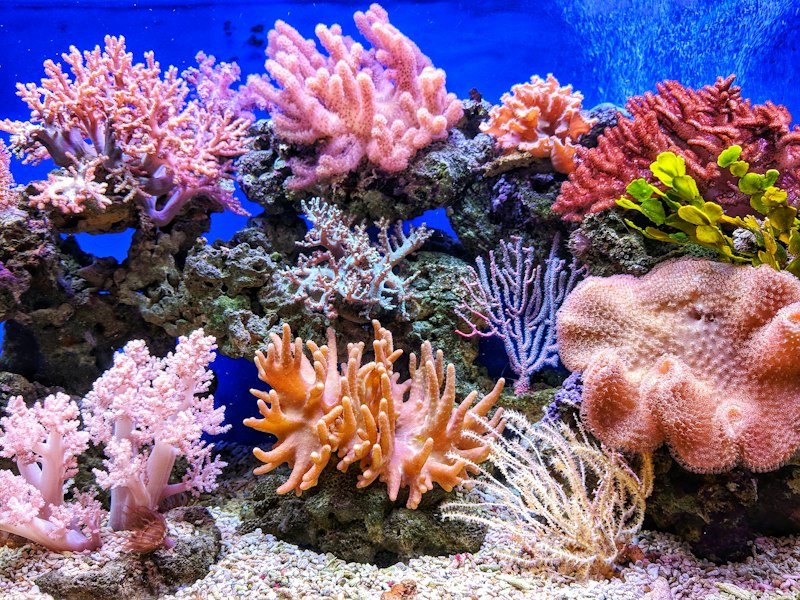
Soft coral
commonHard coral
commonDive profile & how the dive runs
Dives at Cornucopia typically begin with a boat entry, leading divers to the sloping terrace that precedes the main wall. The initial descent is often along a current-swept line to a depth of approximately 5 to 10 meters, where the reef begins to transition into the wall. Divers then explore the sheer drop-off, navigating along ledges and overhangs, with depths often ranging between 18 and 30 meters to appreciate the vibrant soft corals and macro life. The route usually involves a drift along the wall, observing larger pelagics in the blue and searching for pygmy seahorses and nudibranchs. Turn points are determined by air consumption and no-decompression limits, and the safety stop is typically conducted in the shallower sections of the reef, often around 5 meters, before surfacing for boat pick-up.
Underwater photography
Cornucopia offers excellent opportunities for both wide-angle and macro photography. For wide-angle shots, consider capturing the dramatic wall topography, deep overhangs, and vast gorgonian fans, especially when illuminated by natural light in the consistently clear water. A wide-angle lens with external strobes will enhance the vibrant colors of the soft corals. For macro subjects, a macro lens is essential to capture pygmy seahorses nestled in sea fans and various nudibranchs along the ledges. Buoyancy control is paramount, particularly when observing macro life on the wall, to avoid disturbing the delicate reef. Always maintain a respectful distance from subjects and never touch marine life.
Combine with nearby dive sites
- Roma
A famous pinnacle dive in Wakatobi, known for its seamount and diverse reef life.
- Magnifica
Another renowned wall dive in Wakatobi, featuring dense soft coral growth and potential drift conditions.
- Table Coral City
A pinnacle seamount dive known for its distinct coral formations.
- Wakatobi House Reef
A highly regarded shore dive suitable for unlimited diving and critter hunting.
- Coral Garden
A site known for its spectacular coral formations at various depths and diverse marine visitors.
Getting there & logistics
Access to Cornucopia is primarily through liveaboard trips operating in the Wakatobi region, or via resorts located on Onemobaa Island within Wakatobi National Park. Divers typically fly into one of Indonesia's major international airports, such as Bali (DPS) or Jakarta (CGK), then connect to a regional airport, often Makassar (UPG) or Kendari (KDI), followed by a domestic flight or charter to the Wakatobi area. Liveaboard itineraries frequently combine Cornucopia with other premier Wakatobi sites like Roma and Magnifica. Park fees, usually around USD $100 and valid for a year, are required for diving within Wakatobi National Park.
Safety & environment
Diving at Cornucopia requires adherence to standard safety protocols due to its wall dive nature and potential currents. Divers should always confirm the dive plan, including wall direction, maximum planned depth, and ascent meeting point, with their local guide before entry. Continuous monitoring of depth, gas supply, no-decompression limits, and buddy position is crucial, especially when focused on macro subjects. The nearest recompression chamber would likely be in a major Indonesian city like Denpasar (Bali) or Makassar, necessitating a potentially lengthy evacuation for serious decompression sickness. Divers should ensure they have comprehensive dive insurance that covers emergency medical treatment and evacuation. Always deploy a surface marker buoy as briefed if the group misses its pick-up point.
Who it suits, and who it doesn't
Suited for
- Experienced wall divers
- Advanced Open Water certified divers
- Macro photography enthusiasts
- Divers seeking rich coral ecosystems
- Divers comfortable with moderate currents
Less suited for
- Absolute beginner divers (Open Water only)
- Divers prone to seasickness (during choppier seasons)
- Divers unprepared for potential currents
- Divers seeking exclusively large pelagic encounters
- Divers with limited buoyancy control skills
FAQ
Cornucopia FAQ
What kind of marine life can I expect at Cornucopia?
Cornucopia is rich with diverse marine life, thanks to its nutrient-rich currents. You can expect to see vibrant soft corals, large gorgonian fans, and black corals along the wall. Macro lovers frequently spot pygmy seahorses in sea fans and various nudibranchs on the ledges. Keep an eye on the blue water for occasional sightings of whitetip reef sharks, schooling jacks, and eagle rays.
Is Cornucopia suitable for beginner divers?
While Open Water divers can theoretically dive Cornucopia, it is more ideally suited for Advanced Open Water (AOW) certified divers due to its wall dive profile, potential depths up to 40 meters, and moderate currents. Beginners should have good buoyancy control and comfort in current before attempting this site. It's best to consult with your local dive operator about the day's specific conditions and their recommendations for your certification level.
What are the typical diving conditions like at Cornucopia?
Cornucopia generally offers excellent diving conditions, with water temperatures ranging from 26 to 29°C and visibility often exceeding 30-50 meters. The site experiences moderate currents that can vary with tides, which enrich the marine ecosystem but require attention during dive planning. Entry is typically by boat, and the dive often involves a drift along the wall.
How deep is Cornucopia and what is the typical dive profile?
Cornucopia's depth ranges from a shallow terrace starting at 5 meters down to a maximum of 40 meters on the wall. A typical dive focuses on an average depth of around 18 meters, exploring the vibrant soft corals and macro life along the ledges and overhangs. Divers usually drift along the wall, managing their depth according to air consumption and no-decompression limits, with safety stops in the shallower sections.
Can I do night dives at Cornucopia?
While the sources do not explicitly mention night dives at Cornucopia, it is generally considered a prime day dive for its wall topography and pelagic encounters. Night diving is common in Wakatobi, particularly on sites with rich macro life. You should check with your specific liveaboard or resort whether they offer night dives at Cornucopia or other suitable sites in the area.
Why dive Cornucopia from a liveaboard?
Cornucopia is one of Indonesia's signature dive sites. A liveaboard sleeps you on the water and puts you in the water for three to four guided dives per day, including dawn and night dives that day-boat operators rarely offer. You skip the daily commute back to port and reach quieter, less-crowded sites in the same region on a single trip.
Below are the liveaboards that include Cornucopia on their Indonesia itineraries.
Liveaboards diving Cornucopia
These liveaboards may visit Cornucopia on selected itineraries, the exact dive sites depend on departure, weather and conditions.

Panunee
Indonesia
18 guests38 m

Naga Biru
Indonesia
12 guests40 m

Ecopro Duyung Baru
Indonesia
6 guests27 m

Jaya
Indonesia
14 guests23 m

Wellenreng
Indonesia
9 guests25 m

Komodo Aggressor
Komodo, Indonesia
16 guests29 m

Blue Manta
Indonesia
20 guests45 m

Mari
Indonesia
14 guests32 m

Situju7
Komodo, Indonesia
10 guests33 m

Pindito
Indonesia
16 guests38 m

Mermaid II
Komodo, Indonesia
18 guests

Pearl of Papua
Raja Ampat, Indonesia
14 guests30 m
Dive sites similar to Cornucopia
Same character, same waters, six more sites divers love for the exact same reasons.Compare seasons, access and liveaboard routes, then pick the site that fits your trip best.
Abila is a notable dive site located within the Alor Islands Marine Park, an area celebrated for its rich marine biodiversity due to its position in the Coral Triangle.
- Suitable for
- Beginner
- Current
- Mild
- Access
- Liveaboard only
- Depth
- —
- Theme
- Reef
© EsriMaxar, Earthstar, GIS
Adonara Channel
Alor
Adonara Channel stands as one of Alor's most iconic dive sites, celebrated for its dynamic currents and exceptionally rich biodiversity.
- Suitable for
- Advanced
- Current
- Strong
- Access
- Liveaboard or dayboat
- Depth
- 10–40 m
- Theme
- Drift / Wall
© EsriMaxar, Earthstar, GIS
Adonara Wall
Indonesia
Adonara is an Indonesian island dive site, renowned for its vibrant underwater topography characterized by submerged seamounts.
- Suitable for
- Intermediate
- Current
- Strong
- Access
- Liveaboard or dayboat
- Depth
- 5–35 m
- Theme
- Seamount / Wall
© EsriMaxar, Earthstar, GIS
Agnay Fish Sanctuary
Philippines
Agnay Fish Sanctuary is nestled in a sheltered bay near the village of Agnay in Romblon, a province celebrated for its rich marine biodiversity.
- Suitable for
- Beginner
- Current
- Mild
- Access
- Dayboat
- Depth
- 9–18 m
- Theme
- Reef
© EsriMaxar, Earthstar, GIS
Ai Island Reef
Banda Sea
Ai Island Reef, nestled within the Banda Sea, offers a remarkable diving experience characterized by its rich marine biodiversity and varied underwater topography.
- Suitable for
- Beginner
- Current
- Strong
- Access
- Liveaboard only
- Depth
- 3–30 m
- Theme
- Reef / Seamount
© EsriMaxar, Earthstar, GIS
Akitsushima
Philippines
The Akitsushima is a distinguished World War II Japanese seaplane tender, sunk in September 1944 during an American air raid in Coron Bay, Palawan.
- Suitable for
- Advanced
- Current
- Strong
- Access
- Dayboat
- Depth
- 22–38 m
- Theme
- Wreck