About Coral Garden
Coral Garden is a significant dive site in the Dominican Republic, featuring an impressive brain coral that has thrived for over 400 years, establishing it as a natural monument. The site’s underwater topography is diverse, characterized by rocky ledges, sandy canyons, and a rich display of corals shimmering in the equatorial sun. The dive site’s depth typically ranges from 3 meters to 31 meters, though the primary attraction, the largest brain coral, sits at approximately 17 meters. This ancient formation spans an impressive 4.8 meters across. Divers will navigate various microhabitats, transitioning from shallow, sunlit reef patches to deeper, more shaded sand channels, with both gentle slopes and dramatic drop-offs. The ecological diversity of Coral Garden supports a wide array of marine species within its interconnected habitats, making every dive an engaging experience. Currents often guide divers along these contours, enhancing the flow of the exploration. The comfortable water temperatures and generally good visibility contribute to enjoyable dives year-round.
Highlights
Ancient brain coral (400+ years old)Varied topography: ledges, canyons, slopesShallow sunlit reefs to deeper channelsDynamic dive profileDiverse hard and soft coralsAbundant reef fish
Season calendar
Best months to dive here
Jan
Feb
Mar
Apr
May
Jun
Jul
Aug
Sep
Oct
Nov
Dec
Excellent
Good
Dec – Apr (Dry Season)
Best visibility 25–40m, calm seas. Humpback whale season Jan–Mar in Silver Bank. Ideal water temperatures 25–27°C.
May – Nov (Wet/Hurricane Season)
Warmer water, occasional rain reduces visibility. Hurricane risk Aug–Oct but diving continues. Fewer crowds, better prices.
Dive site facts: Coral Garden
- Depth
- 3–31 m
- Current
- Moderate
- Visibility
- Good to Very Good
- Water temperature
- 25–30°C
- Entry
- Back-roll from boat
- Level
- All levels
- Dive type
- Reef
- Region / port
- Dominican Republic
- Coordinates
- 18.3120° N, 68.8251° W
Conditions & Currents
At Coral Garden, currents are moderate and often guide divers along the contours of the reef, enhancing the dive experience. These conditions are generally manageable and contribute to a dynamic exploration of the site's varied topography. While visibility peaks between January and June due to minimal runoff, it remains generally good throughout the year, with less clear conditions possible during rainier months. The water temperature is consistently warm, averaging 25-28°C (78-84°F), making for comfortable dives. Entry is typically a back-roll from the boat, immersing divers directly into the marine environment.
Marine life & sighting chances

Parrotfish
common
Angelfish
common
Moray Eel
common
Octopus
occasional
Lobster
occasional
Stingray
occasional
Sea Turtle
occasional
Pufferfish
common
Lionfish
common
Butterflyfish
common
Trumpetfish
common
Shrimp
occasional
Nudibranch
occasionalDive profile & how the dive runs
Diving at Coral Garden typically begins with a back-roll entry from the boat, immersing you into an environment where microhabitats vary significantly. You will navigate through sunlit shallow reef patches, observing the vibrant coral formations and abundant reef fish. The dive progresses into deeper, more shaded sand channels, with depth variations from 3 meters to 31 meters. A key point of interest is the massive brain coral resting at approximately 17 meters. The site features both gentle slopes and more dramatic drop-offs, often guided by moderate currents. The ascent for the safety stop typically occurs over the shallower sections of the reef or near the boat, based on air consumption and no-decompression limits.
Underwater photography
Coral Garden offers excellent opportunities for both wide-angle and macro photography, thanks to its extensive coral formations and varied marine life. For capturing the grandeur of the ancient brain coral and the overall reef system, a wide-angle or fisheye lens is recommended. The site's diverse topography, including ledges and canyons, also lends itself well to wide-angle shots. For macro enthusiasts, the reef's crevices and sponges host numerous smaller creatures, such as nudibranchs and various crustaceans, requiring a macro lens for detailed captures. Strong natural light penetration is common, but external strobes can enhance colors and reduce backscatter. Maintaining excellent buoyancy control is crucial to avoid disturbing delicate corals and stirring up sediment.
Combine with nearby dive sites
- Atlantic Princess Wreck
A shallow wreck inhabited by fish, located near Coral Garden and suitable for all levels.
- Peñon Reef
A long, shallow coral reef with abundant marine life, ideal for longer bottom times.
- Viva Shallow
A shallow site with artificial reef cannons, ideal for skill practice and buoyancy.
Getting there & logistics
Coral Garden is located in the Dominican Republic, a popular Caribbean destination accessible via major international airports such as Punta Cana International Airport (PUJ) or Las Américas International Airport (SDQ) near Santo Domingo. Dive trips to Coral Garden typically depart from coastal towns like Bayahibe. Most dive operators in the area offer day trips, often including multiple dives. Liveaboards are available in the Dominican Republic, particularly for specialized trips like whale encounters at Silver Bank, but local dive sites like Coral Garden are generally explored via resort-based excursions. The ease of access and short boat rides make it a convenient destination for daily diving, and dive packages often combine various local reef and wreck sites.
Safety & environment
While diving at Coral Garden, divers should be aware of the moderate currents that can occur, and maintain good buoyancy control to avoid contact with the fragile coral formations. The nearest recompression chamber is important to know in case of emergencies, and comprehensive dive insurance is strongly recommended for all divers. Evacuation realities in the Dominican Republic typically involve initial stabilization followed by transport to a medical facility. Divers should always follow their dive guide's instructions and adhere to safe diving practices, including monitoring no-decompression limits, especially during deeper explorations of the site's varied topography. Ensure all gear is well-maintained and that you dive within your certification limits.
Who it suits — and who it doesn't
Suited for
- Beginner divers looking for vibrant reef experiences
- Underwater photographers interested in diverse subjects
- Divers seeking comfortable, warm water conditions
- Those who appreciate natural marine monuments like large corals
- Divers who enjoy dynamic reef topography
Less suited for
- Divers exclusively seeking deep wreck penetration
- Those uninterested in reef conservation and delicate ecosystems
- Divers sensitive to moderate currents
- Individuals who prefer cold water diving environments
FAQ
Coral Garden FAQ
What is the main attraction at Coral Garden?
The primary highlight of Coral Garden is a monumental brain coral, estimated to be over 400 years old. This impressive formation measures 4.8 meters across and is situated at a depth of approximately 17 meters, serving as a spectacular focal point for divers.
What are the typical depths at Coral Garden?
Coral Garden offers a varied depth range, starting as shallow as 3 meters and extending down to 31 meters. This allows for exploration across different zones, from sunlit shallow reef patches to deeper sand channels and drop-offs.
When is the best time to dive Coral Garden for optimal visibility?
For the clearest underwater conditions, the period between January and June is generally considered optimal. During these months, lower average rainfall minimizes runoff, which contributes to better visibility compared to the rainier periods from June to November.
Are there strong currents at Coral Garden?
Coral Garden typically experiences moderate currents. These currents often assist divers by guiding them along the natural contours and varied topography of the reef, enhancing the flow of the dive without generally being overly challenging.
What kind of marine life can I expect to see?
Divers at Coral Garden can expect to encounter a rich array of typical Caribbean species, including parrotfish, angelfish, moray eels, and occasional sightings of stingrays, lobsters, and sea turtles. The healthy coral ecosystems also support a wide variety of smaller reef fish and invertebrates.
Why dive Coral Garden from a liveaboard?
Coral Garden is one of Dominican Republic's signature dive sites. A liveaboard sleeps you on the water and puts you in the water for three to four guided dives per day, including dawn and night dives that day-boat operators rarely offer. You skip the daily commute back to port and reach quieter, less-crowded sites in the same region on a single trip.
Below are the liveaboards that include Coral Garden on their Dominican Republic itineraries.
Liveaboards diving Coral Garden
These liveaboards may visit Coral Garden on selected itineraries — the exact dive sites depend on departure, weather and conditions.
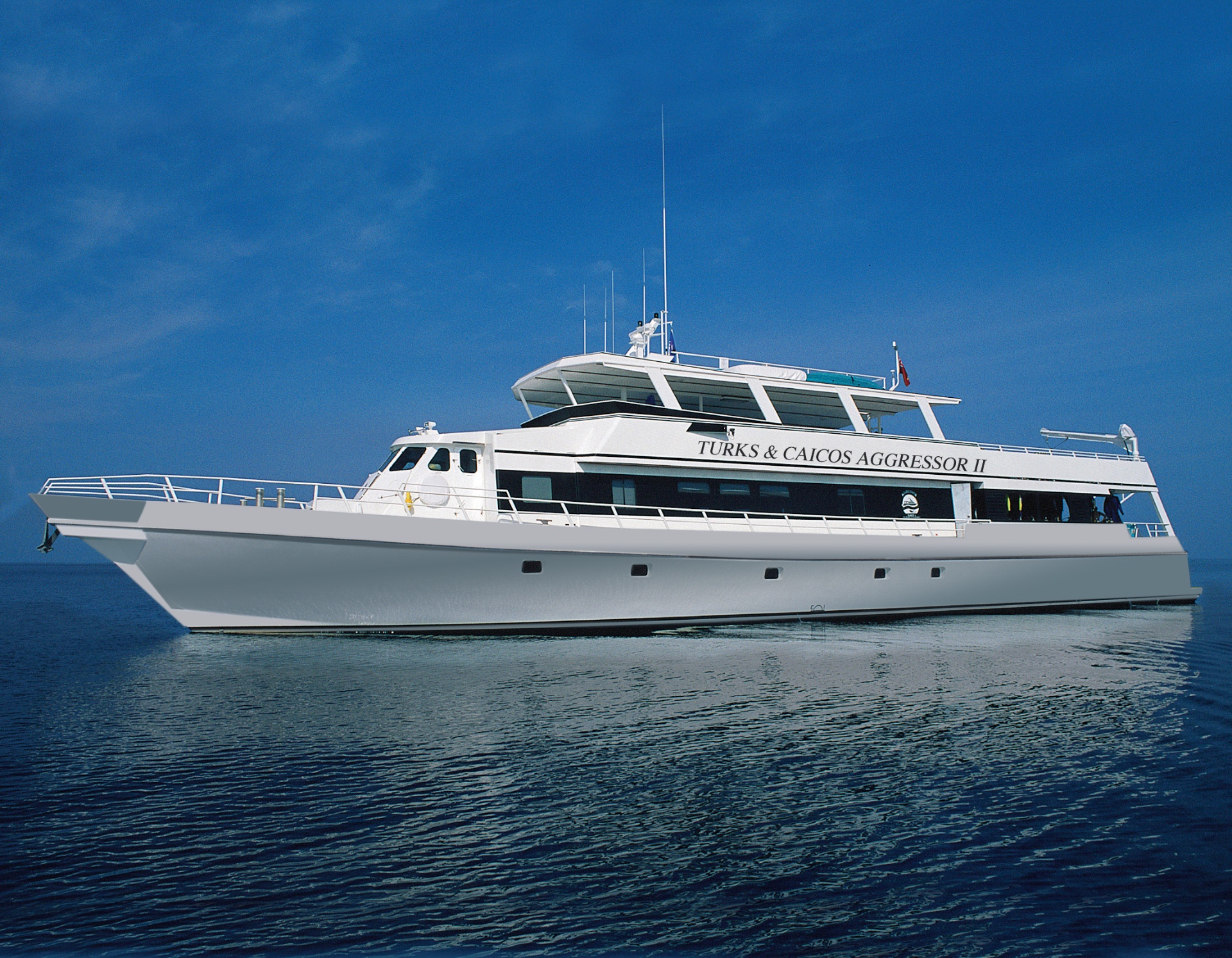
Turks & Caicos Aggressor II
Turks & Caicos
18 guests37 m
Dive sites similar to Coral Garden
Same character, same waters — six more sites divers love for the exact same reasons.Compare seasons, access and liveaboard routes — then pick the site that fits your trip best.
© Esri — Maxar, Earthstar, GIS
3 Fathom Wall
Cayman Islands
3 Fathom Wall is an exciting and fish-filled dive site located in the Cayman Islands, specifically at the intersection of the renowned Bloody Bay Wall.
- Suitable for
- Intermediate
- Current
- Mild
- Access
- Liveaboard only
- Depth
- ≤ 3000 m
- Theme
- Reef
While specific details for a dive site named "3 Riff" are not present in the provided sources, general diving conditions and characteristics for the Dominican Republic…
- Suitable for
- Advanced
- Current
- Mild
- Access
- Dayboat
- Depth
- 30–55 m
- Theme
- Reef
The dive site known as 3 Rocks is located off the coast of Sosúa in Puerto Plata, Dominican Republic, offering an accessible and lively underwater experience.
- Suitable for
- Beginner
- Current
- Mild
- Access
- Dayboat
- Depth
- 2–8 m
- Theme
- Reef
4 Amigos is a notable dive site located in the Bay Islands of Honduras, an area renowned for its extensive Mesoamerican Barrier Reef System, which is the world's second-longest.
- Suitable for
- Intermediate
- Current
- Moderate
- Access
- Liveaboard or dayboat
- Depth
- 9–40 m
- Theme
- Reef
© Esri — Maxar, Earthstar, GIS
6 Toed Cat
Mexico
The dive site known as "6 Toed Cat" is not a recognized dive location in Mexico; rather, it refers to the polydactyl felines, many with six toes, that inhabit the Ernest Hemingway Home and Museum in Key West, Florida.
- Suitable for
- Beginner
- Current
- Mild
- Access
- Liveaboard or dayboat
- Depth
- —
- Theme
- Reef
© Esri — Maxar, Earthstar, GIS
Aaron's Backyard
Honduras
Aaron's Backyard is a noted dive site within the Roatan Marine Park in Honduras, part of the extensive Mesoamerican Barrier Reef System.
- Suitable for
- Intermediate
- Current
- Moderate
- Access
- Liveaboard or dayboat
- Depth
- 9–40 m
- Theme
- Reef