About Viva Shallow
Viva Shallow is a vibrant and accessible reef dive site located near Bayahibe in the Dominican Republic, just a short boat ride from the shore. It is particularly notable for being part of the Guadalupe Underwater Archaeological Preserve, which was established in 2004 as the Dominican Republic’s first underwater shipwreck museum. The site is often referred to as Guadalupe, a living museum of the sea, and is known for its historical artifacts, including old Spanish cannons and cannonballs, which are scattered across the sandy bottom. The topography of Viva Shallow features a shallow reef top, starting around 5 meters, with a small wall and deeper patches that extend to approximately 10 meters. The site combines natural reef formations with sandy areas. Divers can explore coral fans, tube sponges, and a variety of colorful coral reefs that provide ample habitat for marine life. The site boasts a rich diversity of marine species. You can expect to encounter seahorses, moray eels, lobsters, angelfish, barracudas, boxfish, butterfly fish, parrotfish, pufferfish, scorpionfish, snappers, stingrays, and schools of grunts. While specific seasonality for these species isn't detailed, the site is known for its exceptional variety of aquatic life year-round. Viva Shallow is suitable for all levels of divers, making it an excellent spot for practicing skills, perfecting buoyancy, or simply enjoying a relaxed dive. The typical diving depth ranges from 5 to 10 meters, offering comfortable bottom times, often between 45 to 60 minutes depending on air consumption. The easy conditions and shallow depths also make it ideal for beginners, photographers, and even snorkelers.
Highlights
Historic Spanish cannonsAbundant seahorses and raysHealthy gorgonian coralsShallow, calm reefExcellent for buoyancy practiceVariety of small reef fish
Season calendar
Best months to dive here
Jan
Feb
Mar
Apr
May
Jun
Jul
Aug
Sep
Oct
Nov
Dec
Excellent
Good
Dive site facts: Viva Shallow
- Depth
- 5–10 m
- Typical dive
- 6–10 m, 45–70 min
- Current
- Mild to extremely light
- Visibility
- 10–30 m
- Water temperature
- 25–28°C
- Entry
- Boat / buoy line descent
- Level
- All levels
- Dive type
- Reef, historical, macro
- Region / port
- Bayahibe, Dominican Republic
- Coordinates
- 19.1254° N, 69.4574° W
Conditions & Currents
Currents at Viva Shallow are consistently mild to extremely light, making it suitable for all levels of divers, including beginners. Any encountered current typically aids in a gentle drift for an easy return to the boat, rather than posing a challenge. Visibility is usually very good, ranging from 10 to 30 meters, and can extend up to 25 meters, providing clear views of the reef and marine life. Water temperatures remain warm throughout the year, varying between 25°C and 28°C. The site's protected profile also means minimal surge, ensuring a comfortable dive experience. Divers can expect to enter the water via tender and should plan for comfortable bottom times due to the shallow depths.
Marine life & sighting chances
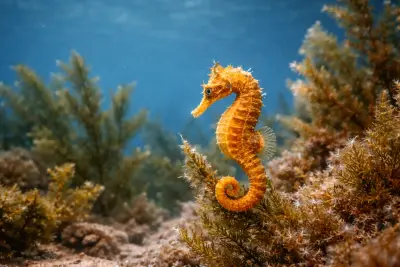
Seahorse
common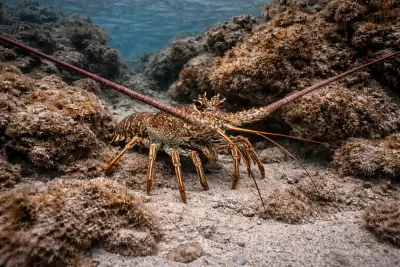
Lobster
common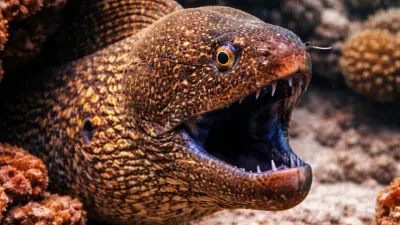
Moray eel
common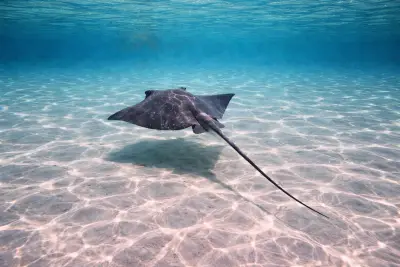
Spotted stingray
common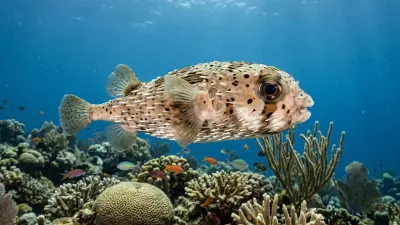
Porcupine fish
common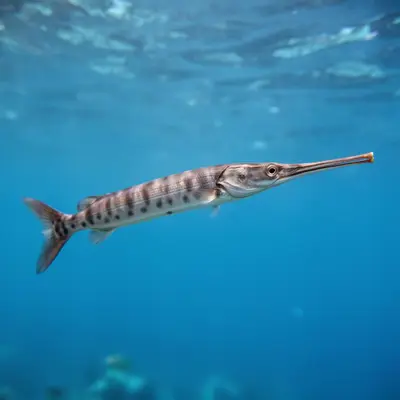
Trumpetfish
common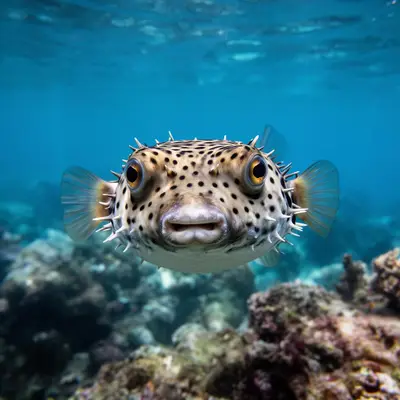
Pufferfish
commonBaby box fish
occasional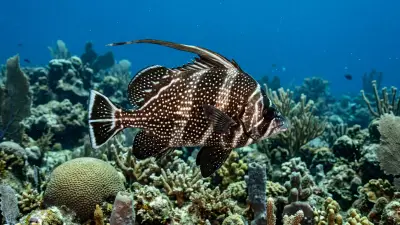
Drum fish
occasional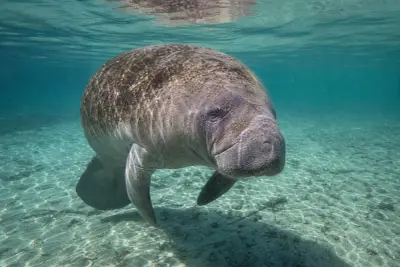
Manatee
rare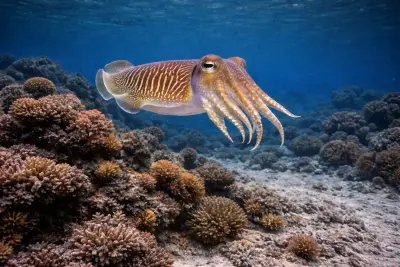
Cuttlefish
occasional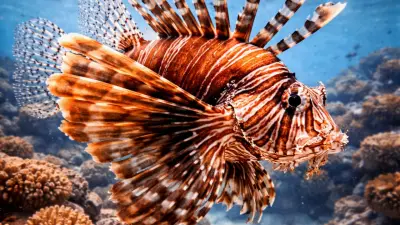
Lionfish
occasional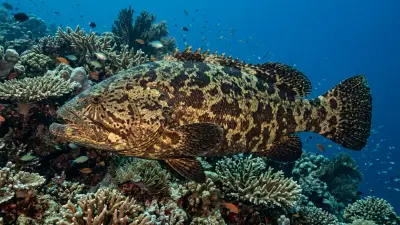
Grouper
occasionalDive profile & how the dive runs
Dives at Viva Shallow typically begin with a descent down a buoy line to a sandy bottom at approximately 5 meters, where historical Spanish cannons form an artificial reef. The dive then proceeds along a small, 3-meter high wall that drops to a maximum depth of 9 meters. This wall is rich with healthy corals, including gorgonian fans, and hosts various marine life like lobsters and eels. Divers explore the numerous holes and crevices along the wall and reef top, keeping an eye out for spotted stingrays and porcupine fish. The route often involves traversing between the coral fingers and sand patches, looking for rays and seahorses. Towards the end of the dive, divers can explore the reef top at 5 meters, a nursery for juvenile marine species like baby box fish and drum fish, before ascending to the surface directly above the site for a comfortable safety stop in the shallow, well-lit waters.
Underwater photography
Viva Shallow is an excellent location for underwater photography due to its shallow depths, abundant natural light, and clear visibility. Wide-angle lenses can capture the historical Spanish cannons and the expansive coral formations, while macro lenses are ideal for subjects like seahorses wrapped around sponges, baby box fish, and various small reef inhabitants. Given the calm conditions, photographers can take their time to compose shots without battling strong currents. Buoyancy control is paramount to avoid disturbing the sand and to protect the delicate corals and the historical artifacts. Ambient light photography is often sufficient, but a strobed setup can enhance colors and bring out details on the wall and within the reef's crevices. Patience is key for capturing elusive creatures like lobsters and moray eels peeking from their hiding spots.
Combine with nearby dive sites
- Atlantic Princess Wreck
A shallow passenger vessel wreck, now an artificial reef.
- St. George Wreck
A deeper cargo ship wreck for advanced divers.
- Dominicus Reef
A broad coral reef with diverse marine life.
- Aquarium
A bright, gently sloping reef known for coral formations.
- Catalina Island Wall
A famous wall dive with rich coral coverage.
Getting there & logistics
Diving Viva Shallow is typically organized as a day trip from Bayahibe, which is accessible from larger airports like Punta Cana International (PUJ) or Las Américas International (SDQ) near Santo Domingo. Many divers staying in Punta Cana or Bavaro travel to Bayahibe for its superior Caribbean-side diving. Dive operators usually transport divers to the site by tender, as it's just minutes offshore. This site is frequently combined with other local Bayahibe reefs or wrecks to form a two-dive itinerary. No specific permits or fees beyond standard dive operator costs are generally mentioned for this particular site, but some nearby national park sites may have entrance requirements. Expect trip lengths to be a half-day excursion.
Safety & environment
For dive safety in the Dominican Republic, the nearest recompression chamber is located in Santo Domingo, which would entail a significant land transfer from Bayahibe. Divers should always carry personal dive insurance that covers emergency medical treatment and evacuation, as access to advanced medical facilities can be distant. At Viva Shallow, site-specific hazards are minimal due to its shallow depth, mild currents, and good visibility. Divers should maintain excellent buoyancy control to avoid contact with the historical artifacts and coral formations. Following your dive guide's instructions and adhering to standard safe diving practices, such as ascending slowly and performing a safety stop, are crucial for a safe and enjoyable experience.
Who it suits — and who it doesn't
Suited for
- Beginner divers and those seeking training
- Divers practicing buoyancy and basic skills
- Underwater photographers due to excellent light and macro subjects
- Families and groups with mixed experience levels
- Divers interested in historical artifacts underwater
Less suited for
- Experienced divers seeking deep or technical challenges
- Divers primarily interested in large pelagic encounters
- Those looking for strong drift diving experiences
- Divers preferring remote or untouched dive locations
- Individuals looking for highly dramatic, complex topography
FAQ
Viva Shallow FAQ
What is the maximum depth at Viva Shallow?
Viva Shallow is a very accessible site with a maximum depth of 10 meters, making it ideal for divers of all experience levels. Most of the dive occurs in the 6-9 meter range, providing ample bottom time and natural light for exploration. This shallow profile is perfect for training and photographers.
Are there strong currents at Viva Shallow?
No, Viva Shallow is known for its extremely mild to negligible currents. Any current encountered is usually very light and can assist in a gentle drift, aiding an easy return to the boat. This calm environment contributes to its suitability for beginners and those looking for a relaxed dive.
What kind of marine life can I expect to see?
Divers at Viva Shallow can anticipate a rich variety of marine life, including seahorses, lobsters, moray eels, spotted stingrays, and various pufferfish. The reef also hosts schools of Caribbean reef fish, baby box fish, and drum fish. Manatees and larger rays are occasionally sighted in the sandy areas.
Is Viva Shallow suitable for beginner divers?
Yes, Viva Shallow is highly recommended for beginner divers and those undergoing training. Its shallow depths, calm conditions, and excellent visibility provide a safe and comfortable environment to practice skills and build confidence. The site's rich marine life also offers plenty to observe for new divers.
What are the historical features at Viva Shallow?
Viva Shallow is home to historical Spanish cannons and cannonballs that form an artificial reef, creating a unique 'living museum of the sea.' Divers can explore these artifacts, which add a fascinating historical dimension to the natural reef environment. Seahorses are often found clinging to sponges near these cannons.
How good is the visibility at Viva Shallow?
The visibility at Viva Shallow is generally very good to excellent, often ranging from 10 to 30 meters. During peak conditions, it can reach up to 25 meters. This clear water, combined with the shallow depth, ensures abundant natural light and superb viewing opportunities for all marine life and reef structures.
Why dive Viva Shallow from a liveaboard?
Viva Shallow is one of Dominican Republic's signature dive sites. A liveaboard sleeps you on the water and puts you in the water for three to four guided dives per day, including dawn and night dives that day-boat operators rarely offer. You skip the daily commute back to port and reach quieter, less-crowded sites in the same region on a single trip.
Below are the liveaboards that include Viva Shallow on their Dominican Republic itineraries.
Liveaboards diving Viva Shallow
These liveaboards may visit Viva Shallow on selected itineraries — the exact dive sites depend on departure, weather and conditions.
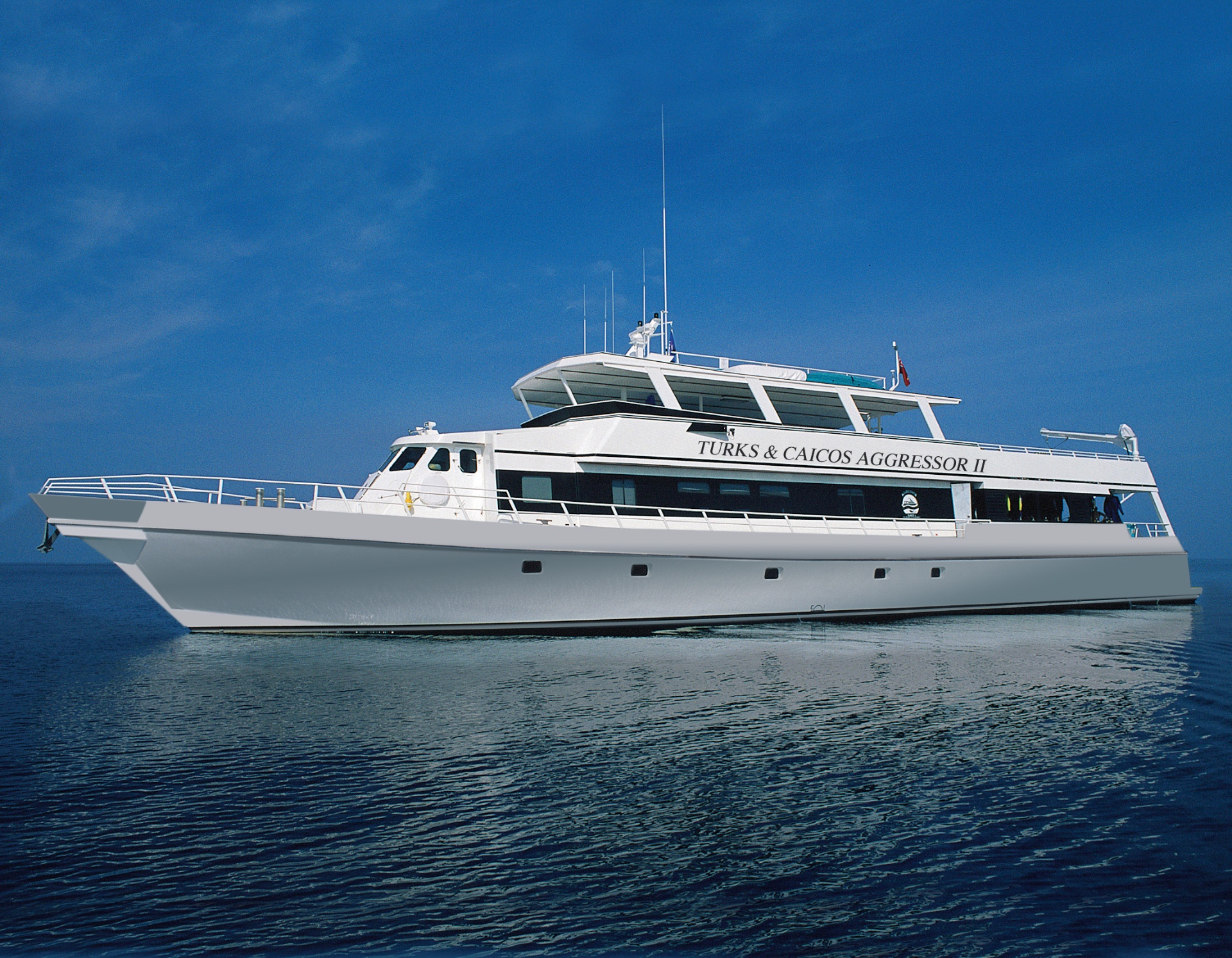
Turks & Caicos Aggressor II
Turks & Caicos
18 guests36.6 m
$287/day
Dive sites similar to Viva Shallow
Same character, same waters — six more sites divers love for the exact same reasons.Compare seasons, access and liveaboard routes — then pick the site that fits your trip best.
© Esri — Maxar, Earthstar, GIS
Canal Saona
Dominican Republic
Saona Island Reef, located within Cotubanamá National Park off the southeastern coast of the Dominican Republic, is a well-regarded dive site known for its rich coral ecosystems and abundant marine species.
- Suitable for
- Intermediate
- Current
- Moderate
- Access
- Liveaboard or dayboat
- Depth
- 20–20 m
- Theme
- Reef
El Peñon is a highly-regarded dive site located within the protected Parque Nacional del Este, near Bayahibe in the Dominican Republic.
- Suitable for
- Beginner
- Current
- No current
- Access
- Dayboat
- Depth
- 7–28 m
- Theme
- Reef
El Limón is a notable shipwreck site located within the La Caleta Underwater National Park, close to Santo Domingo.
- Suitable for
- Advanced
- Current
- Mild
- Access
- Dayboat
- Depth
- 30–30 m
- Theme
- Wreck / Reef
© Esri — Maxar, Earthstar, GIS
Sosua Marine Reserve
Dominican Republic
The Sosua Marine Reserve offers a premier diving experience directly accessible from Playa Sosua on the north coast of the Dominican Republic.
- Suitable for
- Beginner
- Current
- Mild
- Access
- Dayboat
- Depth
- 5–18 m
- Theme
- Reef
The Dominican Republic presents a varied underwater landscape, suitable for divers of all levels, with its calm Caribbean seas off the south coast providing ideal conditions for…
- Suitable for
- Intermediate
- Current
- Moderate
- Access
- Liveaboard or dayboat
- Depth
- 5–26 m
- Theme
- Reef