About Catalina Island Wall
Catalina Island Wall is a world-renowned dive site located off the southeastern coast of the Dominican Republic, easily accessible from Bayahibe or La Romana. This impressive wall dive features a dramatic drop-off, making it a classic Caribbean experience with topography characterized by canyons and coral formations. The site is a vibrant hub of marine activity, boasting healthy coral gardens, large sponges, and diverse fish life, with visibility often reaching 15-30 meters. Diving Catalina Wall offers an opportunity to explore a bustling ecosystem. Divers regularly encounter a variety of reef fish including angelfish, grunts, snappers, soldierfish, trunkfish, trumpetfish, butterflyfish, porcupinefish, and parrotfish. Keep an eye out for larger pelagics such as eagle rays, nurse sharks, and barracuda. The upper sections of the wall are particularly rewarding, showcasing black coral, massive vase and barrel sponges, which provide habitat for creatures like stone crabs and sea spiders. Even sand divers, damsel fish, lettuce slugs, and gray bees are commonly spotted. While the wall starts shallow at around 1.5 to 6 meters, it quickly descends, with common recreational dive depths ranging from 12-18 meters, and the wall extending to 60 meters or more in places. The site generally experiences low currents and good visibility, making it suitable for divers comfortable with buoyancy control and deeper profiles. Beginners can enjoy the shallower plateaus and upper wall, while advanced divers can explore the deeper sections. Boat access is required, typically coordinated through local Bayahibe operators, ensuring a guided and safe experience.
Highlights
Wall diveSea turtlesReef sharks
Season calendar
Best months to dive here
Jan
Feb
Mar
Apr
May
Jun
Jul
Aug
Sep
Oct
Nov
Dec
Excellent
Good
Dive site facts: Catalina Island Wall
- Depth
- 0–45 m
- Typical dive
- 15–35 m, 50–60 min
- Current
- Light
- Visibility
- 20–30 m
- Water temperature
- 26–29°C / 79–84°F
- Entry
- Boat
- Level
- Novice to Advanced
- Dive type
- Wall, reef, drift
- Region / port
- La Romana / Bayahibe
- Coordinates
- 18.355, -68.965
Conditions & Currents
Currents at Catalina Island Wall are generally light, making it suitable for a wide range of diver experience levels. However, as with any wall dive, conditions can occasionally shift, particularly along deeper sections. Visibility consistently reaches up to 30 meters, often exceeding this, with calm Caribbean waters enhancing the experience. There are no notable thermoclines or significant surge reported, ensuring stable conditions. Entry and exit are typically boat-based, directly onto the reef top before descending the wall. Divers should plan for standard boat logistics and follow operator guidance, especially on days when conditions might be less settled.
Marine life & sighting chances

Hawksbill turtle
common
Caribbean reef shark
occasional
Nurse shark
common
Green moray eel
common
Barrel sponge
common
Tube sponge
common
Queen angelfish
common
French angelfish
common
Trumpetfish
common
Spotted drum
occasional
Yellowtail snapper
common
Eagle ray
occasional
Lobster
commonDive profile & how the dive runs
Diving at Catalina Island Wall typically begins from the reef plateau, which starts at a shallow depth of around 8-10 meters. Divers descend along the wall, often reaching depths between 15 and 35 meters, where the most vibrant coral and sponge life, along with larger marine animals, are concentrated. The wall itself is a series of sheer drops, ledges, and small overhangs, allowing for exploration of various microhabitats. Divers often follow the contours of the wall for a period, observing feeding turtles, resting nurse sharks, and patrolling reef sharks. The dive concludes with a gradual ascent back to the shallow reef top for an extended safety stop, maximizing bottom time and further exploring the abundant reef fish.
Underwater photography
Catalina Island Wall presents excellent opportunities for both wide-angle and macro photography. For capturing the expansive coral formations and the sheer scale of the wall, a wide-angle lens is ideal. The clear Caribbean waters and ample sunlight ensure good natural light penetration for vibrant colors, though strobes will enhance detail and color saturation, especially for deeper sections. Macro lenses can capture the intricate details of the numerous sponges, small reef fish, and hidden crustaceans. Maintain excellent buoyancy control to avoid damaging delicate corals and disturbing marine life, particularly when focusing on subjects along the wall face. Pay attention to the deep blue backdrop for dramatic shots of pelagic encounters.
Combine with nearby dive sites
- Catalina Aquarium
A calmer, shallower reef site suitable for easier dives and snorkeling.
- Guaraguao Reef
A typical Caribbean reef with abundant life.
- El Bajón
El Bajón is a celebrated dive site situated off the coast of Bayahibe in the Dominican Republic, offering divers an exceptional underwater…
- The Zingara Wreck
The Zingara Wreck, nestled in Sosua Bay on the Dominican Republic's North Coast, is an advanced dive site featuring a 36-meter (118 ft)…
- Atlantic Princess Wreck
A former passenger ship wreck in shallow waters, teeming with fish.
Getting there & logistics
Access to Catalina Island Wall is exclusively by boat, typically with day trips departing from La Romana or Bayahibe on the Dominican Republic's southeastern coast. The boat journey usually takes between 30 and 45 minutes, depending on the departure point. Most excursions include two dives at Catalina Island, a surface interval on the island's beach, and lunch. La Romana is approximately 90 minutes by road from Punta Cana and two hours from Santo Domingo, offering convenient access from major tourist areas. Divers should arrange trips through local dive operators, with rental equipment generally available. Some tours also include a boat cruise along the Chavon River as part of the return journey.
Safety & environment
Safety at Catalina Island Wall is well-managed by local dive operators who accompany all excursions. Divers should ensure they have appropriate dive insurance coverage, as emergency medical facilities and recompression chambers may require significant travel time. The nearest recompression chamber is located in Santo Domingo. Follow all dive guide instructions, especially regarding depth limits and current conditions. While currents are generally light, maintaining situational awareness is always crucial on wall dives. Managed island-day-trip access means divers must adhere to operator guidance for boat logistics and beach time, treating the island as a supervised excursion stop.
Who it suits — and who it doesn't
Suited for
- Certified Open Water divers comfortable with boat entries
- Divers seeking vibrant wall and reef ecosystems
- Underwater photographers looking for diverse subjects
- Those interested in frequent turtle encounters
- Divers comfortable with depths up to 30-35 meters
Less suited for
- Uncertified divers (PADI Discover Scuba Diving not offered at this site)
- Divers uncomfortable with boat travel
- Beginners without good buoyancy control for wall diving
- Those expecting technical or extreme deep diving experiences
- Divers seeking primarily wreck diving experiences
FAQ
Catalina Island Wall FAQ
How do I get to Catalina Island for diving?
Catalina Island is reached by boat from either La Romana or Bayahibe, both located on the Dominican Republic's southeastern coast. Dive operators from these towns offer regular day trips, with the boat ride typically lasting 30 to 45 minutes. Most excursions include two dives at the wall, a surface interval on the island's beach, and lunch. La Romana is accessible by road from major tourist hubs like Punta Cana and Santo Domingo.
What is the wall like at Catalina Island?
The wall at Catalina Island is a stunning, near-vertical coral cliff that begins from a shallow reef top at around 8 to 10 meters and descends into deep Caribbean waters. Its face is covered in a spectacular array of sponges, including large barrel sponges, purple tube sponges, and yellow rope sponges, alongside hard corals, sea whips, and gorgonian fans. Recreational diving typically explores the section between 15 and 35 meters, where marine life is most concentrated.
What marine life can I expect to see at Catalina Island Wall?
You can expect to see a rich variety of marine life, with hawksbill turtles frequently observed feeding on sponges along the wall. Caribbean reef sharks occasionally patrol the deeper sections, while nurse sharks are common in ledges and small caves. The reef top teems with queen angelfish, French angelfish, and schools of yellowtail snapper. Green moray eels inhabit crevices throughout the wall, and spotted drums are also found here.
Is Catalina Island Wall suitable for all diver levels?
Catalina Island Wall is considered suitable for divers of all levels, from novice to advanced, due to its generally light currents and clear visibility. However, entry-level divers should possess good buoyancy control, especially when navigating along the vertical wall. The shallow reef top also offers a less demanding environment for newer divers or those preferring shallower depths.
What are the typical water conditions at Catalina Island Wall?
Water conditions at Catalina Island Wall are consistently favorable for diving. Visibility typically ranges from 20 to 30 meters, often even clearer. Water temperatures are warm, generally between 26-29°C (79-84°F) year-round. Currents are usually light, though divers should always be aware of potential changes, particularly in deeper areas. The calm Caribbean waters make for comfortable boat trips and dives.
Why dive Catalina Island Wall from a liveaboard?
Catalina Island Wall is one of Dominican Republic's signature dive sites. A liveaboard sleeps you on the water and puts you in the water for three to four guided dives per day, including dawn and night dives that day-boat operators rarely offer. You skip the daily commute back to port and reach quieter, less-crowded sites in the same region on a single trip.
Below are the liveaboards that include Catalina Island Wall on their Dominican Republic itineraries.
Liveaboards diving Catalina Island Wall
These liveaboards may visit Catalina Island Wall on selected itineraries — the exact dive sites depend on departure, weather and conditions.
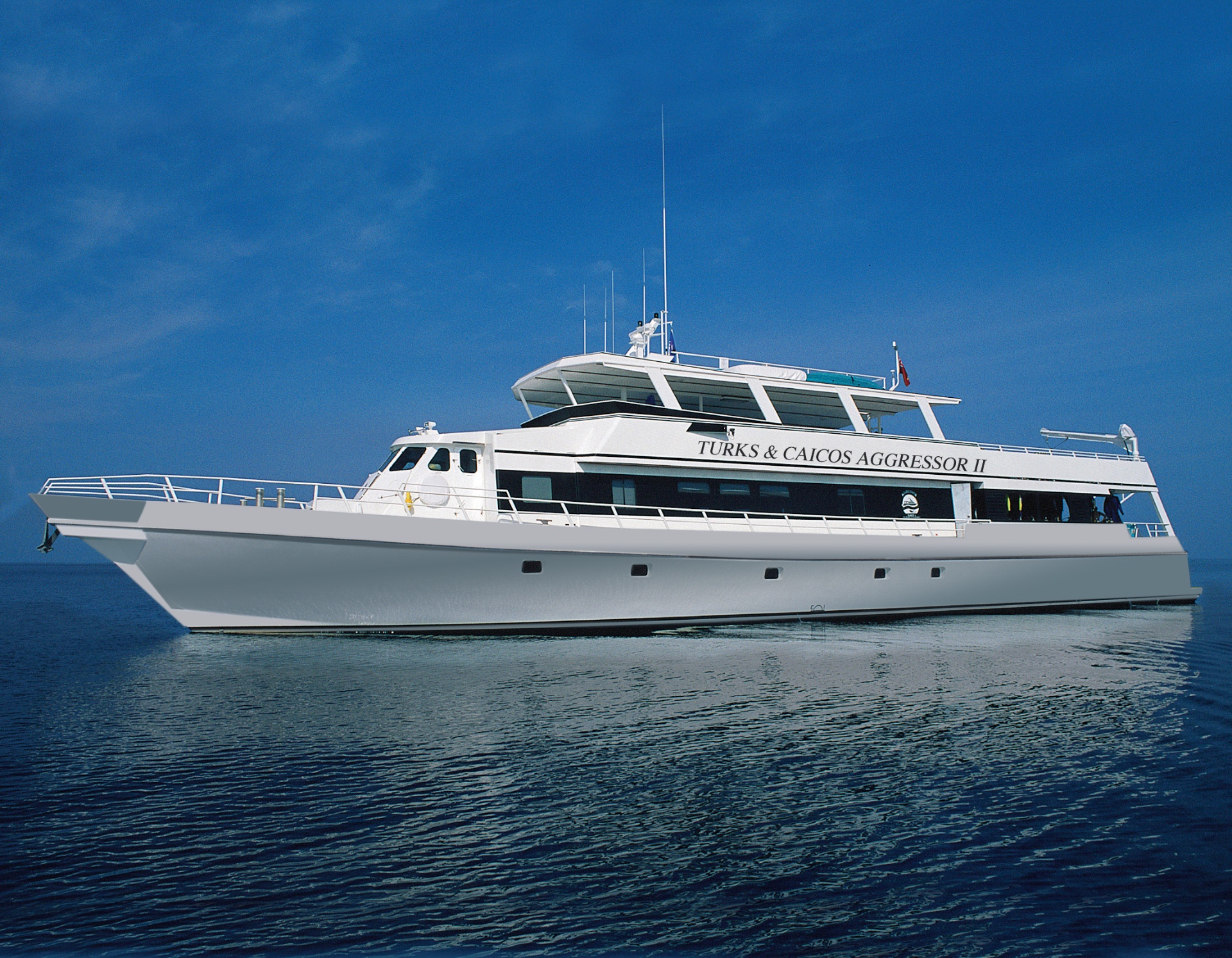
Turks & Caicos Aggressor II
Turks & Caicos
18 guests36.6 m
$287/day
Dive sites similar to Catalina Island Wall
Same character, same waters — six more sites divers love for the exact same reasons.Compare seasons, access and liveaboard routes — then pick the site that fits your trip best.
© Esri — Maxar, Earthstar, GIS
La Parguera
Dominican Republic
La Parguera, also known as Red Snapper, is a notable dive site located around Saona Island off the southeast coast of the Dominican Republic.
- Suitable for
- Advanced
- Current
- Strong
- Access
- Dayboat
- Depth
- 20–25 m
- Theme
- Wall / Drift
© Esri — Maxar, Earthstar, GIS
Larimar I & II
Dominican Republic
Larimar I & II offers a compelling dive experience just five minutes by boat from Sosúa Bay in the Dominican Republic.
- Suitable for
- Beginner
- Current
- No current
- Access
- Dayboat
- Depth
- 10–25 m
- Theme
- Wall / Reef
© Esri — Maxar, Earthstar, GIS
Three Rocks & Coral Gardens
Dominican Republic
Three Rocks and Coral Gardens, situated off Sosúa on the North Coast of the Dominican Republic, offer a diverse dive experience from shallow pinnacles to deeper reef walls.
- Suitable for
- Beginner
- Current
- Mild
- Access
- Liveaboard or dayboat
- Depth
- 4–24 m
- Theme
- Reef / Wall
© Esri — Maxar, Earthstar, GIS
Catalina Garden
Dominican Republic
Catalina Garden, situated off the coast of Bayahibe in the Dominican Republic, is a beautiful shallow Caribbean reef dive site.
- Suitable for
- Beginner
- Current
- Mild
- Access
- Liveaboard or dayboat
- Depth
- 8–12 m
- Theme
- Reef / Wall
© Esri — Maxar, Earthstar, GIS
Saona Island Reef
Dominican Republic
Saona Island Reef, situated off the southeastern coast of the Dominican Republic within Cotubanamá National Park, is a celebrated dive destination known for its impressive coral formations and diverse marine life.
- Suitable for
- Beginner
- Current
- Strong
- Access
- Liveaboard or dayboat
- Depth
- 5–20 m
- Theme
- Reef / Wall
© Esri — Maxar, Earthstar, GIS
Airport Wall
Dominican Republic
Airport Wall, situated near the Gregorio Luperón International Airport in Sosúa, is a premier dive site known for its dramatic underwater topography and abundant marine life.
- Suitable for
- Intermediate
- Current
- Mild
- Access
- Liveaboard or dayboat
- Depth
- 5–26 m
- Theme
- Drift / Wall