About Guaraguao Reef
Guaraguao Reef, located near Punta Cana in the Dominican Republic, is a captivating shallow reef dive site ideal for divers seeking abundant marine life in a relaxed setting. The reef features a healthy mix of hard and soft corals, providing ample habitat for a wide array of tropical fish and invertebrates. Its relatively consistent conditions and accessible depths make it suitable for a broad range of experience levels. The topography of Guaraguao Reef includes gently sloping coral formations and sandy patches, with depths typically ranging from 5 to 15 meters. These shallow depths ensure excellent light penetration, enhancing the vibrant colors of the coral gardens and making it a superb location for underwater photography. Divers can explore various nooks and crannies within the reef structure, discovering hidden creatures and observing the complex ecosystem at play. The marine life at Guaraguao Reef is diverse, with frequent sightings of reef fish such as parrotfish, angelfish, and butterflyfish. Larger species like barracudas and stingrays also traverse the area. While conditions are generally calm, occasional mild currents can enhance the drift diving experience, allowing divers to effortlessly glide along the reef while observing marine activity. The site is a perfect example of the healthy Caribbean reef environment and is a staple for local dive operations. Accessibility from shore and its inclusion in many resort-based dive packages make Guaraguao Reef a convenient and popular choice. Divers can expect a straightforward dive experience, focusing on marine observation and enjoying the tranquil underwater scenery. The clear waters and shallow profile provide extended bottom times and a comfortable environment for exploration.
Highlights
Vibrant shallow coral reefAbundant tropical fishExcellent light penetrationGentle sloping formationsRelaxed dive conditionsMacro photography opportunities
Season calendar
Best months to dive here
Jan
Feb
Mar
Apr
May
Jun
Jul
Aug
Sep
Oct
Nov
Dec
Excellent
Good
Dec – Apr (Dry Season)
Best visibility 25–40m, calm seas. Humpback whale season Jan–Mar in Silver Bank. Ideal water temperatures 25–27°C.
May – Nov (Wet/Hurricane Season)
Warmer water, occasional rain reduces visibility. Hurricane risk Aug–Oct but diving continues. Fewer crowds, better prices.
Dive site facts: Guaraguao Reef
- Depth
- 5–15 m
- Typical dive
- 10–15 m, 50–60 min
- Current
- Mild to moderate
- Visibility
- 15–30 m
- Water temperature
- 24–29°C
- Entry
- Boat entry / back roll
- Level
- Open Water Diver
- Dive type
- Reef, photography, drift
- Night dive
- Possible
- Region / port
- Punta Cana, Dominican Republic
- Coordinates
- 18.375, -68.825
Conditions & Currents
Guaraguao Reef typically experiences mild to moderate currents, which are generally manageable for most divers. These currents can sometimes create a gentle drift, allowing divers to conserve air and energy while observing the reef. Guides will usually brief on the expected current direction and strength, planning entry and exit points accordingly. Visibility can range from 15 to 30 meters, with the clearest conditions often occurring outside the rainy season. Surge is minimal due to the reef's sheltered location and moderate depths. Divers should be mindful of their buoyancy to avoid contact with the fragile coral structures, especially when drifting. While thermoclines are rare in these shallow waters, divers should still be prepared for potential minor temperature variations.
Marine life & sighting chances

Parrotfish
Year-round · common
Angelfish
Year-round · common
Butterflyfish
Year-round · common
Trumpetfish
Year-round · common
Porcupinefish
Year-round · common
Barracuda
Year-round · occasional
Nurse Shark
Year-round · occasional
Stingray
Year-round · occasional
Eagle Ray
Year-round · rare
Green Sea Turtle
Year-round · occasional
Moray Eel
Year-round · common
Lionfish
Year-round · commonDive profile & how the dive runs
Your dive at Guaraguao Reef typically begins with a backroll entry from a small boat, allowing for a gentle descent onto the reef. Most dives will follow the natural contours of the reef, keeping depths between 10 and 15 meters to maximize bottom time and light penetration. You will explore various coral formations, looking for hidden marine life in crevices and along the coral heads. The route often involves a slow drift with any prevailing mild current, making the experience relaxed and immersive. The dive usually concludes with a turn point decided by air consumption, followed by a slow ascent for a safety stop at 5 meters. The boat will track your bubbles for a smooth pick-up, ensuring an easy exit.
Underwater photography
Guaraguao Reef is an excellent site for underwater photography, particularly for wide-angle and macro shots. The shallow depths and consistent clear water provide abundant natural light, making it easier to capture vibrant coral colors and schools of fish. For wide-angle, a rectilinear wide-angle lens will showcase the expansive reef structure and schooling fish, while a fisheye lens can be effective for closer coral portraits. For macro photography, the reef offers countless subjects from nudibranchs and small crabs to tiny blennies and gobies nestled within the corals. Consider bringing a focus light for macro to enhance detail and color. Strobe use is recommended to bring out true colors, especially in shadows; experiment with angles to avoid backscatter in the clear water. Maintain excellent buoyancy control to protect the fragile coral and minimize disturbance to marine life, allowing for unhurried, respectful photography.
Combine with nearby dive sites
- Saona Island Reef
Offers diverse reef formations and potential for larger pelagic sightings.
- Dominicus Reef
Known for its healthy corals and abundant reef fish, often combined in itineraries.
- Airport Wall
A deeper wall dive for advanced divers, contrasting with Guaraguao's shallow profile.
- St. George Wreck
A purpose-sunk wreck offering an artificial reef experience for all levels.
- Atlantic Princess Wreck
An accessible shallow wreck providing an interesting counterpoint to reef diving.
Getting there & logistics
Diving at Guaraguao Reef is typically arranged through dive operators based in Punta Cana. The nearest major international airport is Punta Cana International Airport (PUJ). Most dive trips are day excursions, departing from local marinas or resort beaches. Divers usually transfer to the dive boat directly from their accommodation. A typical dive package might involve a morning or afternoon trip including one or two dives at local reef sites like Guaraguao. No specific park fees are usually charged for this reef, as it is a standard recreational dive site. Liveaboard options are rare for local Punta Cana sites; most diving is resort-based, allowing for flexibility in itinerary and combining diving with other land-based activities.
Safety & environment
Safety at Guaraguao Reef is managed by local dive operators, who typically adhere to international safety standards. It is imperative to dive with reputable companies that provide well-maintained equipment and experienced dive guides. The nearest recompression chamber is located in Santo Domingo, which is a significant distance away, making emergency evacuation a concern. Divers should carry personal dive insurance that includes emergency medical and evacuation coverage. Site-specific hazards are minimal, primarily involving avoiding contact with fire coral or sea urchins, which guides will point out. Always follow your dive guide's instructions, maintain proper buoyancy, and perform a thorough buddy check before entry. The shallow nature of the reef generally minimizes risks associated with deeper diving.
Who it suits, and who it doesn't
Suited for
- New certified divers
- Underwater photographers
- Divers seeking easy, relaxed dives
- Families with dive-certified members
- Marine life enthusiasts
Less suited for
- Technical divers seeking deep wrecks
- Divers desiring strong current experiences
- Those looking for large pelagic encounters only
- Divers who prefer remote, untouched sites
FAQ
Guaraguao Reef FAQ
What kind of marine life can I expect to see at Guaraguao Reef?
Guaraguao Reef is home to a rich variety of Caribbean reef fish, including colorful parrotfish, angelfish, and butterflyfish. You might also spot trumpetfish, porcupinefish, and moray eels. Occasionally, barracudas, nurse sharks, and stingrays can be seen patrolling the area, adding to the excitement of the dive.
Is Guaraguao Reef suitable for beginners?
Yes, Guaraguao Reef is highly suitable for beginner divers and those who have recently received their Open Water certification. Its shallow depths, typically ranging from 5 to 15 meters, and generally mild currents create a very relaxed and enjoyable diving environment. Dive guides are always present to ensure a safe and comfortable experience for all skill levels.
How clear is the water at Guaraguao Reef?
The water clarity at Guaraguao Reef is generally excellent, often ranging between 15 to 30 meters of visibility. During the peak diving season from June to September, visibility can reach its maximum, offering stunning underwater views. This clear water, combined with shallow depths, makes it ideal for photography and marine life observation.
Can I do a night dive at Guaraguao Reef?
Night dives are possible at Guaraguao Reef and can offer a completely different experience compared to daytime dives. Under the cover of darkness, you might encounter nocturnal creatures that hide during the day, such as crabs, lobsters, and sleeping parrotfish in their mucous cocoons. Be sure to arrange night dives with a local operator in advance.
What is the water temperature at Guaraguao Reef?
Water temperatures at Guaraguao Reef are consistently warm throughout the year, ranging from 24°C in the cooler months to 29°C during the summer. Most divers find a 3mm shorty or full wetsuit comfortable, though some may opt for just a rash guard in the warmest months. This pleasant temperature contributes to the site's appeal for extended dives.
Are there strong currents at Guaraguao Reef?
Guaraguao Reef is generally characterized by mild to moderate currents. While not typically strong enough to be challenging, these currents can provide a gentle drift, enhancing the diving experience by allowing divers to glide effortlessly over the reef. Your dive guide will assess current conditions and plan the dive route accordingly to ensure a comfortable and safe experience.
Why dive Guaraguao Reef from a liveaboard?
Guaraguao Reef is one of Dominican Republic's signature dive sites. A liveaboard sleeps you on the water and puts you in the water for three to four guided dives per day, including dawn and night dives that day-boat operators rarely offer. You skip the daily commute back to port and reach quieter, less-crowded sites in the same region on a single trip.
Below are the liveaboards that include Guaraguao Reef on their Dominican Republic itineraries.
Liveaboards diving Guaraguao Reef
These liveaboards may visit Guaraguao Reef on selected itineraries, the exact dive sites depend on departure, weather and conditions.
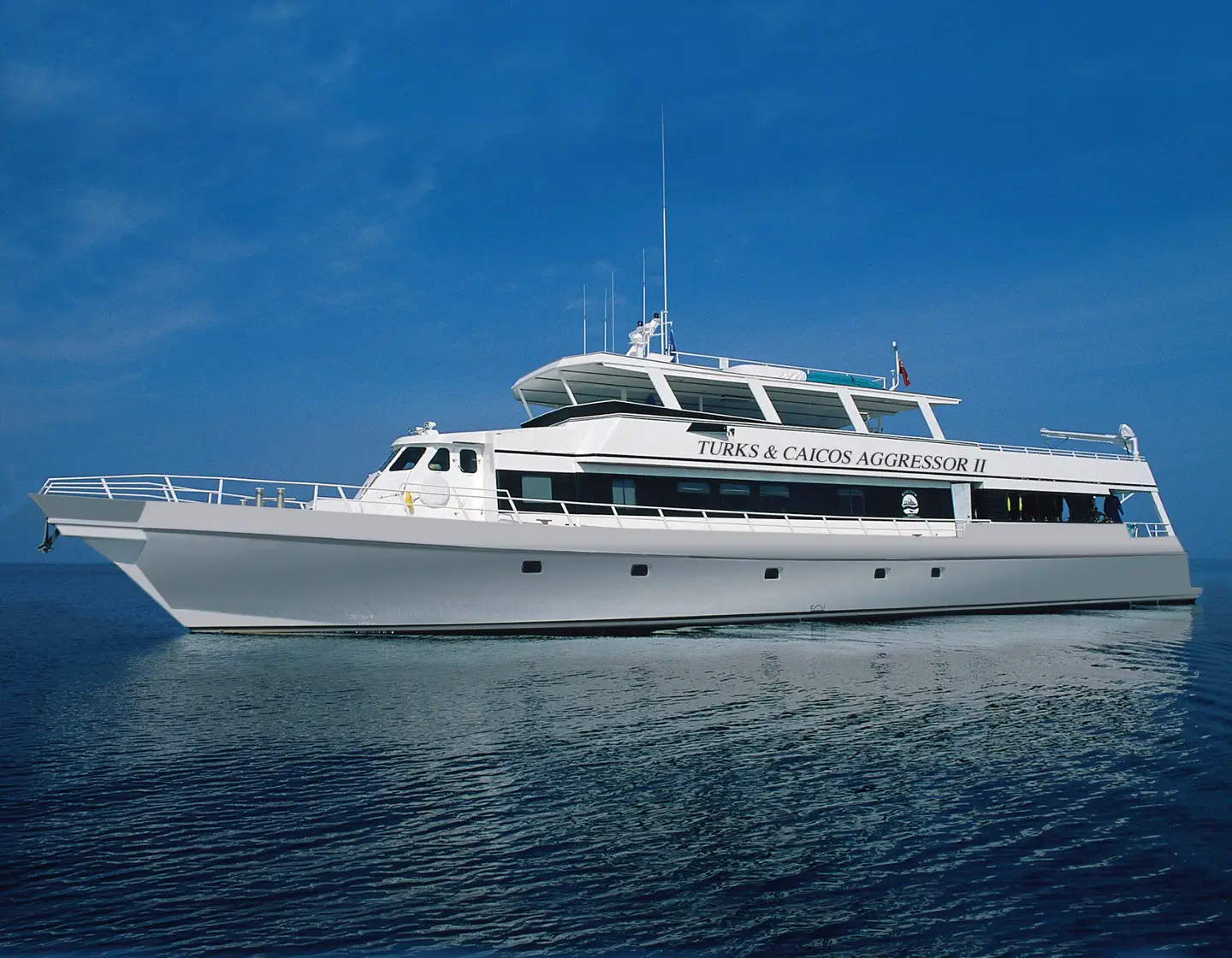
Turks & Caicos Aggressor II
Turks & Caicos
18 guests37 m
Dive sites similar to Guaraguao Reef
Same character, same waters, six more sites divers love for the exact same reasons.Compare seasons, access and liveaboard routes, then pick the site that fits your trip best.
© EsriMaxar, Earthstar, GIS
3 Fathom Wall
Cayman Islands
3 Fathom Wall is an exciting and fish-filled dive site located in the Cayman Islands, specifically at the intersection of the renowned Bloody Bay Wall.
- Suitable for
- Intermediate
- Current
- Mild
- Access
- Liveaboard only
- Depth
- ≤ 3000 m
- Theme
- Reef
While specific details for a dive site named "3 Riff" are not present in the provided sources, general diving conditions and characteristics for the Dominican Republic…
- Suitable for
- Advanced
- Current
- Mild
- Access
- Dayboat
- Depth
- 30–55 m
- Theme
- Reef
The dive site known as 3 Rocks is located off the coast of Sosúa in Puerto Plata, Dominican Republic, offering an accessible and lively underwater experience.
- Suitable for
- Beginner
- Current
- Mild
- Access
- Dayboat
- Depth
- 2–8 m
- Theme
- Reef
4 Amigos is a notable dive site located in the Bay Islands of Honduras, an area renowned for its extensive Mesoamerican Barrier Reef System, which is the world's second-longest.
- Suitable for
- Intermediate
- Current
- Moderate
- Access
- Liveaboard or dayboat
- Depth
- 9–40 m
- Theme
- Reef
© EsriMaxar, Earthstar, GIS
6 Toed Cat
Mexico
The dive site known as "6 Toed Cat" is not a recognized dive location in Mexico; rather, it refers to the polydactyl felines, many with six toes, that inhabit the Ernest Hemingway Home and Museum in Key West, Florida.
- Suitable for
- Beginner
- Current
- Mild
- Access
- Liveaboard or dayboat
- Depth
- —
- Theme
- Reef
© EsriMaxar, Earthstar, GIS
Aaron's Backyard
Honduras
Aaron's Backyard is a noted dive site within the Roatan Marine Park in Honduras, part of the extensive Mesoamerican Barrier Reef System.
- Suitable for
- Intermediate
- Current
- Moderate
- Access
- Liveaboard or dayboat
- Depth
- 9–40 m
- Theme
- Reef