About Atlantic Princess Wreck
The Atlantic Princess Wreck serves as a captivating artificial reef near Bayahibe, Dominican Republic. Originally a tourist cruise ship, it ran aground during Tropical Storm Fay in 2008. After sustaining irreparable damage, it was deliberately sunk in May 2009 to create a new underwater ecosystem, resting at a maximum depth of 12 meters. Measuring approximately 30 meters long and 9 meters wide, the wreck has been colonized by extensive coral growth and now harbors a rich diversity of reef fish. Despite some structural changes from past hurricane seasons, its main features remain engaging for exploration. The shallow depth ensures ample bottom time, allowing for thorough investigation of its exterior and some accessible interior sections. Divers can anticipate encountering numerous species that have made the wreck their home, including parrotfish, sergeant majors, trumpetfish, and various crabs and rays on the surrounding sandy bottom. The site's calm conditions, warm water, and generally good visibility make it an ideal location for both beginner divers and experienced photographers seeking a relaxed yet rewarding wreck experience. Its proximity to local dive centers, often just a two-minute boat ride, adds to its convenience and popularity.
Highlights
Accessible artificial reefShallow wreck explorationAbundant Caribbean marine lifePhotogenic structureBeginner-friendly conditionsCoral and sponge growth
Season calendar
Best months to dive here
Jan
Feb
Mar
Apr
May
Jun
Jul
Aug
Sep
Oct
Nov
Dec
Excellent
Good
Dive site facts: Atlantic Princess Wreck
- Depth
- 7–12 m
- Typical dive
- 7–15 m, 40–60 min
- Current
- Minimal
- Visibility
- 10–25 m
- Water temperature
- 27–30°C
- Entry
- Boat
- Level
- Beginner
- Dive type
- Wreck, artificial reef, marine life
- Night dive
- Possible
- Region / port
- Bayahibe, Dominican Republic
- Coordinates
- 18.3711, -68.8474
Conditions & Currents
Currents at the Atlantic Princess Wreck are typically minimal, making it a comfortable site for divers of all experience levels. While generally calm, gentle currents can occasionally be encountered, varying with local conditions and tidal influences. Surface conditions are often pleasant, with moderate wind speeds usually contributing to a smooth boat ride and easy entry. Visibility remains consistently good, typically ranging from 15 to 20 meters, though it can occasionally dip to 10 meters, especially after heavy rainfall or rough weather. Water temperatures are warm year-round, averaging between 27-30°C, so thick exposure suits are rarely needed, allowing for comfortable, extended dives.
Marine life & sighting chances

Parrotfish
common
Sergeant Major
common
Trumpetfish
common
Angelfish
common
Grunt
common
Snapper
occasional
Bar Jack
common
Moray Eel
occasional
Lionfish
occasional
Pufferfish
occasional
Spotted Stingray
occasional
Spider Crab
occasional
Nudibranch
occasional
Lettuce Sea Slug
occasionalDive profile & how the dive runs
Dives at the Atlantic Princess Wreck typically begin with a boat descent directly onto the wreck, which rests in approximately 7 to 12 meters of water. Divers often start by circling the exterior, observing the coral growth and schools of fish. The wreck's shallow depth allows for thorough exploration of the various sections, including the deck, cabins, and parts of the hull, with some accessible penetration points such as staircases. After investigating the wreck structure, the dive can extend to the surrounding reef and sand channels, where spotted stingrays and garden eels are commonly found. The dive concludes with a gradual ascent, allowing for a safety stop at 5 meters, often above or near the shallower parts of the wreck, before returning to the boat.
Underwater photography
The Atlantic Princess Wreck is an excellent site for underwater photography, particularly for wide-angle and macro shots. Its shallow depth ensures ample natural light, making it suitable for capturing the wreck's overall structure and the abundant fish life without needing excessive artificial illumination. A wide-angle lens is ideal for showcasing the full 30-meter length of the ship and its significant coral encrustations. For macro enthusiasts, the wreck's surfaces and nearby reef host small crabs, blennies, nudibranchs, and lettuce slugs, requiring a dedicated macro lens. Due to the generally calm conditions and good visibility, divers can focus on buoyancy control to avoid stirring up silt and to frame shots effectively. Consider bringing strobes to enhance colors and contrast, especially when shooting into the wreck's interior sections or capturing the vibrant reef inhabitants.
Combine with nearby dive sites
- St. George Wreck
A deeper wreck often paired with Atlantic Princess for advanced divers.
- Saona Island Reef
Known for vibrant Caribbean reef life and longer bottom times.
- Punta Peñon
A long, shallow coral reef within Cotubanamá National Park.
- Catalina Island Wall
Offers impressive wall diving with diverse marine ecosystems.
Getting there & logistics
Diving the Atlantic Princess Wreck is typically organized from Bayahibe, Dominican Republic, a short boat ride from local dive centers. The nearest major international airport is Punta Cana International Airport (PUJ), approximately an hour's drive from Bayahibe. Most dive trips to this site are part of a two-tank morning excursion, often combining the wreck with a nearby reef dive like Punta Peñon or Catalina Island. No special permits are generally required beyond standard dive tour fees. Many resorts in the Bayahibe area, such as Dreams Dominicus La Romana, offer on-site dive operations that facilitate easy access to the site. Day trips are the norm, making it convenient for vacationers to integrate into their travel plans.
Safety & environment
Diving the Atlantic Princess Wreck is generally considered safe due to its shallow depth and usually calm conditions. However, standard dive safety practices are crucial. Always dive within your certification limits and maintain excellent buoyancy control, especially when exploring inside the wreck, to prevent entanglement or stirring up silt. Ensure your dive insurance covers recreational diving and potential medical evacuations, as recompression chambers, while available in the Dominican Republic, may not be immediately adjacent to Bayahibe. Always dive with a reputable operator and follow your guide's instructions. While currents are typically minimal, understanding local conditions is important, and divers should be aware of potential surge in shallower areas, particularly during adverse weather.
Who it suits — and who it doesn't
Suited for
- Newly certified divers seeking a wreck introduction
- Recreational divers valuing comfort and accessibility
- Underwater photographers due to natural light and marine life
- Divers interested in artificial reef ecosystems
- Snorkelers and free divers due to shallow depth
Less suited for
- Divers seeking highly technical wreck penetration
- Those looking for extreme depth or challenging currents
- Individuals prioritizing pristine, untouched coral reefs
- Divers exclusively interested in large pelagic encounters
FAQ
Atlantic Princess Wreck FAQ
What is the maximum depth of the Atlantic Princess Wreck?
The Atlantic Princess Wreck sits in shallow water, with its maximum depth reaching approximately 12 meters (40 feet). This makes it highly accessible for a wide range of divers, including beginners, and allows for extended bottom times to explore the entire structure.
Is the Atlantic Princess Wreck suitable for beginner divers?
Yes, the Atlantic Princess Wreck is considered very beginner-friendly. Its shallow depth, usually minimal currents, and generally good visibility make it an ideal site for newly certified divers or those looking for a relaxed wreck diving experience. Operators can pair it with another shallow reef dive.
What kind of marine life can I expect to see at the Atlantic Princess Wreck?
The wreck is a thriving artificial reef, attracting a variety of Caribbean marine life. You can commonly spot schools of sergeant majors, parrotfish, trumpetfish, and angelfish around the structure, with crabs, nudibranchs, and spotted stingrays often found on and around the wreck.
Can I penetrate the Atlantic Princess Wreck?
Some limited penetration into the Atlantic Princess Wreck is possible, particularly through accessible sections like staircases. While it offers a taste of wreck penetration, it is not a complex labyrinth suitable for advanced overhead environment diving. Always follow your guide's advice regarding entry.
What are the typical water conditions at the Atlantic Princess Wreck?
Water conditions are generally excellent at the Atlantic Princess Wreck. Temperatures consistently range from 27-30°C (80-86°F) year-round, and visibility is often between 15-20 meters (50-65 feet). Currents are usually mild, contributing to a comfortable and enjoyable dive.
How long does it take to get to the Atlantic Princess Wreck?
The Atlantic Princess Wreck is conveniently located very close to shore in Bayahibe. Dive centers in the area can reach the site within just a few minutes by boat, making it an efficient and easily accessible option for divers.
Why dive Atlantic Princess Wreck from a liveaboard?
Atlantic Princess Wreck is one of Dominican Republic's signature dive sites. A liveaboard sleeps you on the water and puts you in the water for three to four guided dives per day, including dawn and night dives that day-boat operators rarely offer. You skip the daily commute back to port and reach quieter, less-crowded sites in the same region on a single trip.
Below are the liveaboards that include Atlantic Princess Wreck on their Dominican Republic itineraries.
Liveaboards diving Atlantic Princess Wreck
These liveaboards may visit Atlantic Princess Wreck on selected itineraries — the exact dive sites depend on departure, weather and conditions.
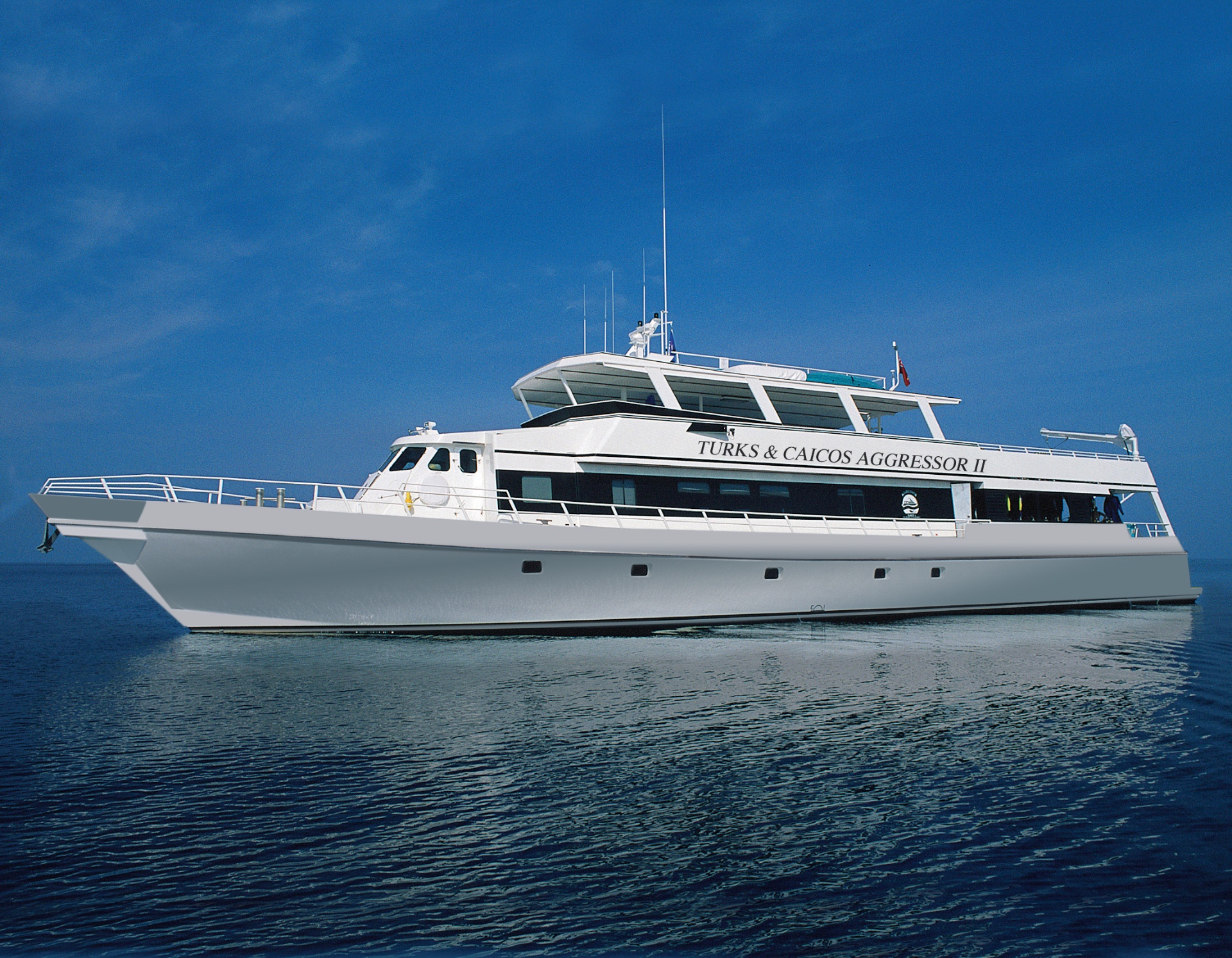
Turks & Caicos Aggressor II
Turks & Caicos
18 guests36.6 m
$328/day
Dive sites similar to Atlantic Princess Wreck
Same character, same waters — six more sites divers love for the exact same reasons.Compare seasons, access and liveaboard routes — then pick the site that fits your trip best.
© Esri — Maxar, Earthstar, GIS
Silver Caves
Belize
Silver Caves offers a distinctive diving experience within the Lighthouse Reef Atoll, one of Belize's healthiest reef systems.
- Suitable for
- Advanced
- Current
- Mild
- Access
- Liveaboard only
- Depth
- 18–28 m
- Theme
- Reef / Cave & cavern
Cozumel's western coast features a dramatic reef shelf that plunges thousands of feet into the ocean.
- Suitable for
- Intermediate
- Current
- Mild
- Access
- Liveaboard or dayboat
- Depth
- 15–27 m
- Theme
- Reef
© Esri — Maxar, Earthstar, GIS
North Wall
Cayman Islands
The North Wall of Grand Cayman stands as one of the most celebrated and visually striking dive regions, stretching along the island's northern coastline.
- Suitable for
- Advanced
- Current
- Mild
- Access
- Liveaboard or dayboat
- Depth
- 50–100 m
- Theme
- Reef
© Esri — Maxar, Earthstar, GIS
Lighthouse Reef
Cayman Islands
Lighthouse Reef, situated near the West End dock of Cayman Brac, provides a distinctive shallow reef diving experience.
- Suitable for
- Beginner
- Current
- Strong
- Access
- Shore / dayboat
- Depth
- 10–25 m
- Theme
- Reef
© Esri — Maxar, Earthstar, GIS
Long Caye Ridge
Belize
Long Caye Ridge is a highly-rated dive site situated within Belize's Lighthouse Reef Atoll, an area renowned for its pristine conditions due to its distance from the mainland.
- Suitable for
- Intermediate
- Current
- No current
- Access
- Liveaboard only
- Depth
- 21–21 m
- Theme
- Reef
Roatán, part of the Bay Islands of Honduras, offers a diverse underwater landscape situated along the Mesoamerican Barrier Reef System, which is the second largest barrier reef globally.
- Suitable for
- Intermediate
- Current
- Moderate
- Access
- Liveaboard or dayboat
- Depth
- 9–40 m
- Theme
- Reef