About The Zingara Wreck
The Zingara Wreck, nestled in Sosua Bay on the Dominican Republic's North Coast, is an advanced dive site featuring a 36-meter (118 ft) coastal freighter intentionally sunk in 1993 to create an artificial reef. This site is just minutes from Sosua Beach by boat, offering consistently good visibility, typically ranging from 15 to 30 meters (50-100 ft) year-round. The wreck itself lies at a maximum depth of 36 meters (117 ft), making it suitable for experienced and certified advanced divers. The site is often conducted as a multi-level dive, allowing exploration of the freighter and the vibrant coral reef to its south. Divers exploring the Zingara Wreck will discover a thriving ecosystem. The wreck is heavily encrusted with corals and teems with various fish species, providing a substantial habitat for marine life. Encounters commonly include angelfish, groupers, barracudas, and occasional schools of spadefish. Smaller inhabitants such as porcupinefish, glassfish, and even lionfish find refuge here, while larger creatures like green morays and great barracudas are also present. The wreck's structure, originally a merchant ship, offers an intricate environment for exploration. While good diving is possible year-round, the wreck can experience currents and winter swells. However, the conditions generally remain excellent, with warm water temperatures averaging 25-29°C (76-82°F). Optimal conditions, characterized by lower rainfall and calmer seas, are typically found from May through September. The site requires advanced certifications due to its depth and the nature of wreck diving, ensuring a challenging and rewarding experience for qualified divers.
Highlights
30m cargo freighterCoral-encrusted hullEngine room penetrationCaribbean reef fishDeep dive experience
Season calendar
Best months to dive here
Jan
Feb
Mar
Apr
May
Jun
Jul
Aug
Sep
Oct
Nov
Dec
Excellent
Good
Dive site facts: The Zingara Wreck
- Depth
- 36 m (118 ft)
- Current
- Occasional to moderate
- Visibility
- 15–30 m (50–100 ft)
- Water temperature
- 25–30°C (76–86°F)
- Entry
- Boat
- Level
- Advanced certified diver
- Dive type
- Wreck, artificial reef
- Region / port
- Sosúa, Dominican Republic
- Coordinates
- 19.758, -70.535
Conditions & Currents
The Zingara Wreck can be influenced by currents and winter swells, necessitating an understanding of local conditions. While Sosúa Bay generally offers calm conditions, occasional currents around the wreck mean divers should possess good buoyancy control and current diving experience. Visibility typically ranges from 15-30 meters (50-100 ft) but can be affected by wave activity, particularly from December to March when wave heights might increase. Dive operators prioritize small groups and unhurried dive times, often opting for boat entries to access the site. It is crucial to consult with local dive centers for daily conditions and to plan dives, especially deep and wreck explorations, with appropriate gas management and safety protocols due to the site's depth.
Marine life & sighting chances

Angel fish
common
Groupers
common
Barracudas
common
Spadefish schools
occasional
Porcupinefish
occasional
Glassfish
occasional
Lionfish
occasional
Green morays
occasionalGreat barracudas
occasional
Eagle rays
rare
Nurse sharks
rare
Jacks
occasional
Dolphins
rare
Sea turtles
occasionalDive profile & how the dive runs
Diving the Zingara Wreck typically begins with a boat descent directly onto the wreck, which rests at a maximum depth of 36 meters (118 ft). The dive plan often involves a multi-level approach, first exploring the main structure of the 36-meter (118 ft) long freighter. You will navigate along its decks and holds, observing the extensive coral growth and diverse fish populations that have colonized it. Divers usually explore the wreck itself at depths around 30-35 meters (100-114 ft), taking in the engine room and other accessible areas, provided they have appropriate wreck diving certifications. Following the main wreck exploration, the dive proceeds to the shallower coral reef situated to the south of the freighter, allowing for a gradual ascent and decompression. The safety stop is conducted as part of the slow ascent, often near the top of the reef or in the blue, ensuring sufficient time to off-gas before surfacing.
Underwater photography
The Zingara Wreck offers excellent opportunities for wide-angle photography, capturing the entire ship's imposing structure and its transformation into a vibrant artificial reef. A wide-angle lens is ideal for showcasing the scale of the wreck and schooling fish, while a macro lens can highlight the smaller, intricate marine life found on its surfaces, such as nudibranchs or tiny crustaceans. Due to the depth of 36 meters (118 ft), external strobes are highly recommended to bring out the true colors of the corals and fish, compensating for light absorption. Maintaining excellent buoyancy control is crucial to avoid disturbing sediment and to safely navigate tight spaces within the wreck, ensuring clear shots. Early morning dives often provide the best natural light and visibility, enhancing photographic results.
Combine with nearby dive sites
- Three Rocks & Coral Gardens
A shallower site with distinct coral pinnacles, suitable for less experienced divers or multi-dive itineraries.
- El Bajón
Known for dramatic topography including swim-throughs and wall sections.
- Silver Bank
A sanctuary for marine mammals, famous for humpback whale encounters during specific seasons.
Getting there & logistics
Accessing the Zingara Wreck typically involves flying into Gregorio Luperón International Airport (POP) near Puerto Plata, which is the closest major airport to Sosúa. From there, it's a short transfer to Sosúa, where numerous local dive centers operate. Most trips to the Zingara Wreck are day excursions departing by boat from Sosúa Bay, often included as part of a multi-dive package focusing on the area's sites. There are no specific park fees mentioned for this site, but dive costs typically range from $70 to $85 per dive, which usually covers guiding and equipment rentals. While liveaboards are available in the wider Dominican Republic, they often focus on areas like Silver Bank for whale encounters, meaning individual resort-based dive operators are the primary means to visit the Zingara Wreck.
Safety & environment
Diving the Zingara Wreck requires careful adherence to safety protocols due to its depth and the potential for currents. As an advanced dive site reaching 36 meters (118 ft), advanced open water certification and wreck diving experience are essential. Divers should always dive with a local guide, who can best assess daily conditions and navigate the wreck safely. The nearest recompression chamber is located in Santo Domingo, which is a significant distance away, making emergency evacuation potentially lengthy. Therefore, comprehensive dive insurance covering hyperbaric treatment and emergency evacuation is not just recommended, but critical. Proper gas planning, conservative dive profiles, and diligent buddy system practices are paramount for a safe and enjoyable dive on this deep wreck.
Who it suits — and who it doesn't
Suited for
- Advanced certified divers
- Wreck diving enthusiasts
- Divers seeking deep dive challenges
- Photographers with wide-angle setups
- Divers comfortable with potential currents
Less suited for
- Beginner divers
- Divers without advanced certification
- Individuals without wreck diving experience
- Divers prone to narcosis at depth
- Those who prefer shallow, current-free sites
FAQ
The Zingara Wreck FAQ
What kind of marine life can I expect to see at the Zingara Wreck?
The Zingara Wreck is a vibrant artificial reef, hosting a variety of marine species. You can commonly encounter angel fish, groupers, barracudas, and schools of spadefish. Occasional sightings include porcupinefish, glassfish, lionfish, and larger predators like green morays and great barracudas, making for a lively underwater ecosystem.
Is the Zingara Wreck suitable for all divers?
No, the Zingara Wreck is an advanced dive site due to its depth of 36 meters (118 ft) and the potential for currents. It is best suited for certified advanced divers with experience in deep and wreck diving. Beginner divers are not recommended for this site, and proper training and equipment are essential.
What is the visibility and water temperature like at the Zingara Wreck?
Visibility at the Zingara Wreck typically ranges from 15 to 30 meters (50-100 ft), offering clear views of the wreck and its marine inhabitants. The water temperature is consistently warm throughout the year, averaging between 25-29°C (76-82°F), providing comfortable diving conditions.
What is the best time of day to dive the Zingara Wreck?
Early mornings are generally considered the best time to dive the Zingara Wreck. During this period, the waters are often calmer, and visibility tends to be at its best. This provides optimal conditions for exploring the wreck and observing marine life with less ambient disturbance.
How deep is the Zingara Wreck?
The Zingara Wreck rests at a maximum depth of 36 meters, or approximately 118 feet. Its depth makes it an intriguing challenge for advanced divers, allowing for exploration of its fully submerged structure. Divers can experience the various levels and sections of the vessel transformed into an artificial reef.
Do I need special certifications to dive the Zingara Wreck?
Yes, due to its depth and nature as a wreck dive, an Advanced Open Water Diver certification is typically required. For divers wishing to penetrate the wreck, specialized wreck diver training and certification are also highly recommended. Local dive centers will verify your qualifications before booking a trip.
Why dive The Zingara Wreck from a liveaboard?
The Zingara Wreck is one of Dominican Republic's signature dive sites. A liveaboard sleeps you on the water and puts you in the water for three to four guided dives per day, including dawn and night dives that day-boat operators rarely offer. You skip the daily commute back to port and reach quieter, less-crowded sites in the same region on a single trip.
Below are the liveaboards that include The Zingara Wreck on their Dominican Republic itineraries.
Liveaboards diving The Zingara Wreck
These liveaboards may visit The Zingara Wreck on selected itineraries — the exact dive sites depend on departure, weather and conditions.
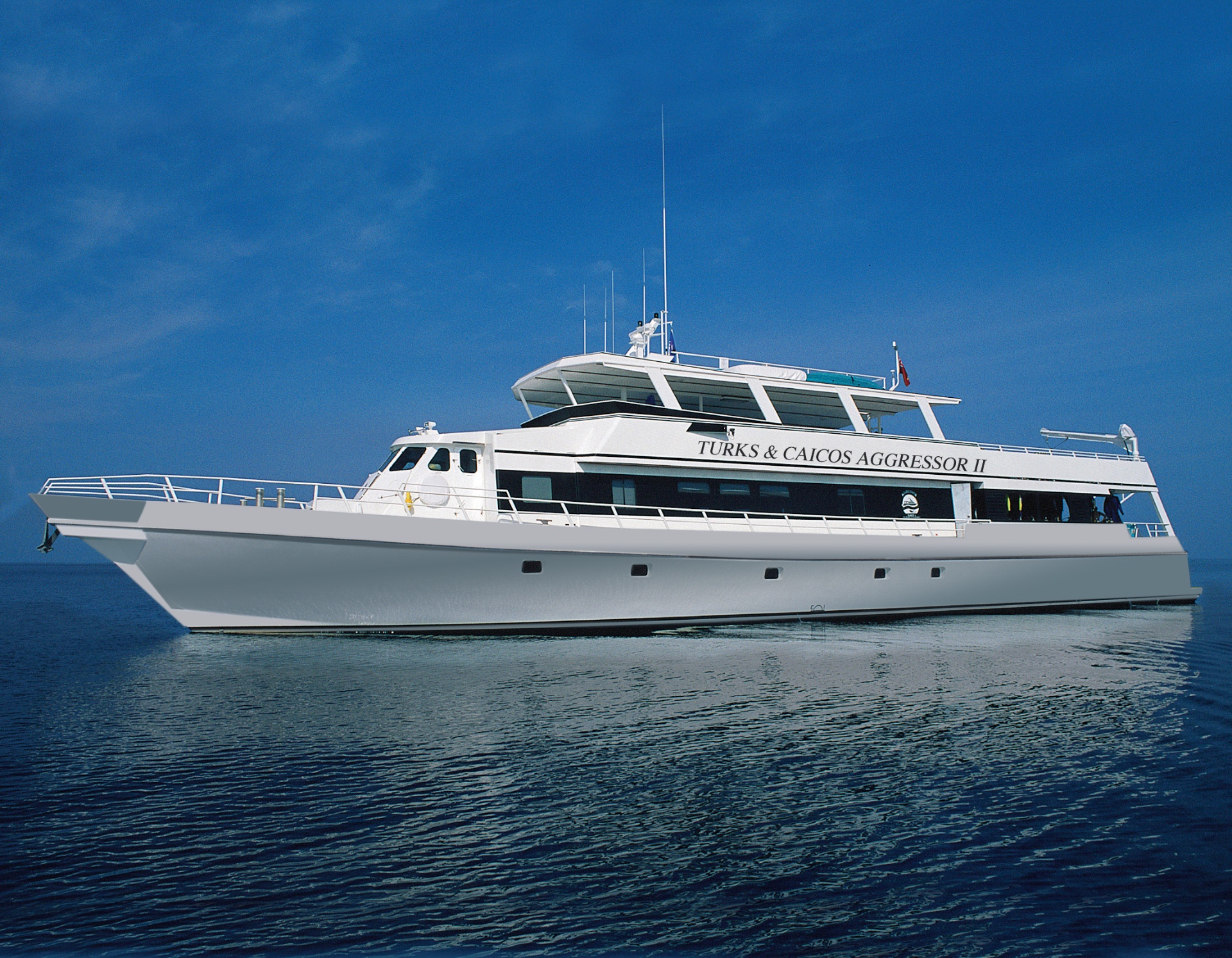
Turks & Caicos Aggressor II
Turks & Caicos
18 guests36.6 m
$287/day
Dive sites similar to The Zingara Wreck
Same character, same waters — six more sites divers love for the exact same reasons.Compare seasons, access and liveaboard routes — then pick the site that fits your trip best.
El Limón is a notable shipwreck site located within the La Caleta Underwater National Park, close to Santo Domingo.
- Suitable for
- Advanced
- Current
- Mild
- Access
- Dayboat
- Depth
- 30–30 m
- Theme
- Wreck / Reef
© Esri — Maxar, Earthstar, GIS
Atlantic Princess Wreck
Dominican Republic
The Atlantic Princess Wreck serves as a captivating artificial reef near Bayahibe, Dominican Republic.
- Suitable for
- Intermediate
- Current
- Moderate
- Access
- Liveaboard or dayboat
- Depth
- 20–40 m
- Theme
- Wreck
© Esri — Maxar, Earthstar, GIS
St. George Wreck
Dominican Republic
The St. George Wreck is a must-dive site off Bayahibe, Dominican Republic, widely considered one of the country's premier wreck dives.
- Suitable for
- Advanced
- Current
- Strong
- Access
- Liveaboard or dayboat
- Depth
- 15–44 m
- Theme
- Wreck
While specific details for a dive site named "3 Riff" are not present in the provided sources, general diving conditions and characteristics for the Dominican Republic…
- Suitable for
- Advanced
- Current
- Mild
- Access
- Dayboat
- Depth
- 30–55 m
- Theme
- Reef
The dive site known as 3 Rocks is located off the coast of Sosúa in Puerto Plata, Dominican Republic, offering an accessible and lively underwater experience.
- Suitable for
- Beginner
- Current
- Mild
- Access
- Dayboat
- Depth
- 2–8 m
- Theme
- Reef