About Three Rocks & Coral Gardens
Three Rocks and Coral Gardens, situated off Sosúa on the North Coast of the Dominican Republic, offer a diverse dive experience from shallow pinnacles to deeper reef walls. Three Rocks features three coral pinnacles rising from a sandy bottom, providing an ideal environment for beginners due to its shallow depth, calm, warm water, and crystal-clear visibility. This site is also a notable starting point for more experienced divers heading toward Coral Gardens. The topography transitions from the sandy expanses of Three Rocks to more varied landscapes within Coral Gardens, revealing rocky ledges, sandy canyons, and a vibrant reef system. Coral Gardens boasts a healthy and colorful reef teeming with many species of hard and soft corals and sponges. Divers encounter a magnificent brain coral, thriving for over 400 years, alongside varied microhabitats from sunlit shallow reef patches to deeper, more shaded sand channels and gentle slopes with some dramatic drop-offs. Marine life is abundant across both sites. Three Rocks hosts large species like barracudas and leatherjacket fish, alongside a variety of small tropical reef species, shrimps, crabs, and starfish. In Coral Gardens, divers frequently spot cushion sea stars, queen angelfish, lobsters, various turtles (green, hawksbill, leatherback), spotted sand snake eels, yellow stingrays, moray eels, parrotfish, angelfish, butterfly fish, lionfish, and bottlenose dolphins. From December to April, divers at Three Rocks can often hear the songs of humpback whales, which visit the Silver Bank region.
Highlights
Shallow coral pinnaclesHealthy, colorful reefAncient brain coralHumpback whale songs (seasonal)Variety of tropical fishShrimp, crabs, starfishTurtles, barracudas, eels
Season calendar
Best months to dive here
Jan
Feb
Mar
Apr
May
Jun
Jul
Aug
Sep
Oct
Nov
Dec
Excellent
Good
Dive site facts: Three Rocks & Coral Gardens
- Depth
- 4–24 m
- Typical dive
- 12–18 m, 50–60 min
- Current
- Mild
- Visibility
- 12–35 m
- Water temperature
- 26–29°C
- Entry
- Boat / back-roll
- Level
- Beginner to Advanced
- Dive type
- Reef, coral, macro
- Night dive
- Possible
- Region / port
- Sosúa, Puerto Plata
- Coordinates
- 19.765, -70.522
Conditions & Currents
Currents at Three Rocks and Coral Gardens are generally minimal, making it an ideal location for divers of all experience levels. This allows for a relaxed exploration of the site's extensive coral formations and diverse marine life without significant physical exertion. Entry into the water is typically a back-roll from the dive boat, positioning divers directly into the calmer areas. Divers can expect consistent water temperatures, reducing the likelihood of thermoclines affecting comfort or visibility. Visibility can vary from 12 meters in winter to an impressive 35 meters in summer, so gas planning should account for potentially extended bottom times in clear conditions. Given the calm conditions, there is little concern about surge, making it easier for photographers and those focusing on macro life to stabilize themselves.
Marine life & sighting chances

Humpback whale (songs)
December-April · occasional
Barracuda
occasional
Leatherjacket fish
occasional
Shrimp
common
Crab
common
Starfish
common
Octopus
occasional
Lobster
occasional
Caribbean squid
occasional
Moray eel
occasional
Parrotfish
common
Nurse shark
rareDive profile & how the dive runs
Divers typically begin their descent at the Three Rocks area, performing a back-roll entry from the boat. The initial dive explores the three coral rock pinnacles that rise from a sandy bottom, with depths ranging from 4 to 7.5 meters. This shallow section is perfect for buoyancy control and observing the vibrant reef life. From Three Rocks, you can follow an artificial reef pathway that guides you deeper into Coral Gardens. The route winds through a maze of coral pinnacles and sandy channels, gradually descending to a maximum depth of around 24 meters. Key features include a monumental brain coral and various hard and soft coral formations. The dive typically involves a leisurely exploration, following the natural contours of the reef, before making a gradual ascent for a safety stop among the shallower corals of Three Rocks.
Underwater photography
Three Rocks and Coral Gardens offers excellent photographic opportunities for both wide-angle and macro enthusiasts. For the expansive coral gardens and the monumental brain coral, a wide-angle lens captures the sheer scale and vibrant colors, especially in the shallower, well-lit areas. For macro shots, focus on the intricate details of shrimps, crabs, starfish, and juvenile reef fish hidden within the corals and crevices. The site's generally mild currents allow for stable camera positioning. Utilize strobes to bring out the true colors of the corals and marine life, as natural light diminishes with depth. Buoyancy control is paramount to avoid disturbing the delicate coral formations and the sandy bottom, ensuring clear shots and preserving the site's pristine condition. Ethical photography practices, such as not touching marine life or stirring up sediment, are essential here.
Combine with nearby dive sites
- Ray Point
Ray Point, often referred to as Big Ray Point, is a premier dive site located close to Bayahibe, specifically near the famous "Natural…
- The Canyon
A wall dive with an old fishing boat wreck, Miguelina, and finger/fan corals.
- West Wall
A diverse wall dive with caves, crevices, and large boulders from a cliff.
- Mini Wall
A deep wall dive, starting at 18m, known for tranquility and new discoveries.
- Larimar I & II
A wall dive featuring abundant moray eels and extending to 25m.
Getting there & logistics
Diving at Three Rocks and Coral Gardens typically departs from Sosúa, which is easily accessible from Puerto Plata's Gregorio Luperón International Airport (POP). Boat rides to the dive sites are short, ranging from 2 to 8 minutes, making it convenient for half-day or full-day excursions. Most dive operators in the Sosúa/Puerto Plata area offer trips to this site. While the site can be part of a multi-day dive package exploring the northern coast, it is frequently visited as a standalone two-tank dive for its combined shallow and deeper reef experiences. No specific national park fees or permits are generally required for this location.
Safety & environment
While Three Rocks and Coral Gardens is known for its mild conditions, standard dive safety practices remain crucial. Divers should maintain excellent buoyancy to avoid contact with delicate coral and prevent stirring up sand, which can reduce visibility for others. The nearest recompression chamber is located in Santo Domingo, which is a significant distance away, highlighting the importance of cautious diving and avoiding decompression obligations. Comprehensive dive insurance, covering emergency evacuation and medical treatment, is highly recommended for all divers. Always dive with a reputable operator, follow your dive guide's instructions, and never exceed your training limits.
Who it suits — and who it doesn't
Suited for
- Beginner divers and first-time divers
- Underwater photographers (macro and wide-angle)
- Divers interested in coral conservation and artificial reefs
- Divers seeking calm, warm water conditions
- Divers looking for diverse reef ecosystems
Less suited for
- Divers seeking strong currents and pelagic action
- Deep wreck penetration divers
- Divers uninterested in reef ecology
- Those who prefer drift dives only
FAQ
Three Rocks & Coral Gardens FAQ
What makes Three Rocks a good dive site for beginners?
Three Rocks is excellent for beginners due to its shallow depth, ranging from 4 to 7.5 meters (13–25 ft), and calm, clear waters. The sandy bottom helps new divers avoid accidental contact with coral, providing a safe and inviting environment to develop their skills and enjoy marine life.
Can I see whales while diving at Three Rocks and Coral Gardens?
While direct sightings are rare, it is common to hear the songs of humpback whales while diving at Three Rocks and Coral Gardens, particularly during their breeding season from December to April. The Dominican Republic is a major calving ground for these magnificent creatures.
What kind of coral can I expect to see at Coral Gardens?
Coral Gardens is renowned for its diverse and healthy coral formations, including both hard and soft corals, sea fans, and whips. A notable feature is a monumental brain coral, which has thrived for over 400 years, establishing the site as a significant natural monument.
How deep is Coral Gardens, and what level of diver is it suitable for?
Coral Gardens extends to a maximum depth of 24 meters (80 ft), making it suitable for a range of divers from beginners to advanced. Beginners can enjoy the shallower sections, while more experienced divers can explore the deeper parts and the adjacent wall areas.
What is the visibility like at Three Rocks and Coral Gardens?
Visibility at Three Rocks and Coral Gardens can range significantly depending on the season. In winter, it typically ranges from 12 meters (39 ft), while during the summer months, it can reach an impressive 35 meters (115 ft), offering crystal-clear views.
Are there strong currents at this dive site?
Three Rocks and Coral Gardens is characterized by generally mild currents, making it a comfortable and relaxing dive. This calm environment is ideal for leisurely exploration, photography, and for divers who prefer less physically demanding conditions.
Why dive Three Rocks & Coral Gardens from a liveaboard?
Three Rocks & Coral Gardens is one of Dominican Republic's signature dive sites. A liveaboard sleeps you on the water and puts you in the water for three to four guided dives per day, including dawn and night dives that day-boat operators rarely offer. You skip the daily commute back to port and reach quieter, less-crowded sites in the same region on a single trip.
Below are the liveaboards that include Three Rocks & Coral Gardens on their Dominican Republic itineraries.
Liveaboards diving Three Rocks & Coral Gardens
These liveaboards may visit Three Rocks & Coral Gardens on selected itineraries — the exact dive sites depend on departure, weather and conditions.
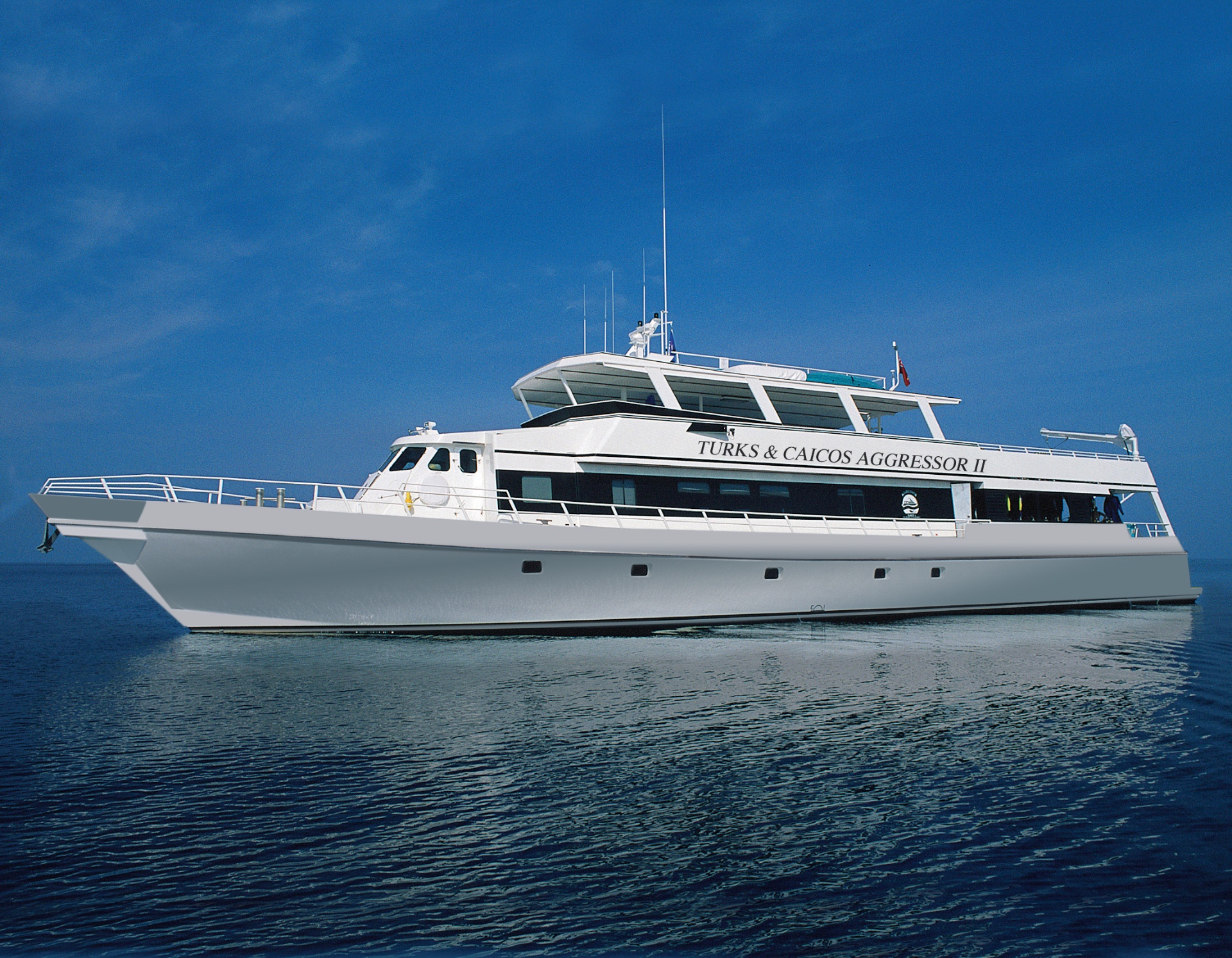
Turks & Caicos Aggressor II
Turks & Caicos
18 guests36.6 m
$328/day
Dive sites similar to Three Rocks & Coral Gardens
Same character, same waters — six more sites divers love for the exact same reasons.Compare seasons, access and liveaboard routes — then pick the site that fits your trip best.
© Esri — Maxar, Earthstar, GIS
Silver Caves
Belize
Silver Caves offers a distinctive diving experience within the Lighthouse Reef Atoll, one of Belize's healthiest reef systems.
- Suitable for
- Advanced
- Current
- Mild
- Access
- Liveaboard only
- Depth
- 18–28 m
- Theme
- Reef / Cave & cavern
Cozumel's western coast features a dramatic reef shelf that plunges thousands of feet into the ocean.
- Suitable for
- Intermediate
- Current
- Mild
- Access
- Liveaboard or dayboat
- Depth
- 15–27 m
- Theme
- Reef
© Esri — Maxar, Earthstar, GIS
North Wall
Cayman Islands
The North Wall of Grand Cayman stands as one of the most celebrated and visually striking dive regions, stretching along the island's northern coastline.
- Suitable for
- Advanced
- Current
- Mild
- Access
- Liveaboard or dayboat
- Depth
- 50–100 m
- Theme
- Reef
© Esri — Maxar, Earthstar, GIS
Lighthouse Reef
Cayman Islands
Lighthouse Reef, situated near the West End dock of Cayman Brac, provides a distinctive shallow reef diving experience.
- Suitable for
- Beginner
- Current
- Strong
- Access
- Shore / dayboat
- Depth
- 10–25 m
- Theme
- Reef
© Esri — Maxar, Earthstar, GIS
Long Caye Ridge
Belize
Long Caye Ridge is a highly-rated dive site situated within Belize's Lighthouse Reef Atoll, an area renowned for its pristine conditions due to its distance from the mainland.
- Suitable for
- Intermediate
- Current
- No current
- Access
- Liveaboard only
- Depth
- 21–21 m
- Theme
- Reef
Roatán, part of the Bay Islands of Honduras, offers a diverse underwater landscape situated along the Mesoamerican Barrier Reef System, which is the second largest barrier reef globally.
- Suitable for
- Intermediate
- Current
- Moderate
- Access
- Liveaboard or dayboat
- Depth
- 9–40 m
- Theme
- Reef