About The Canyons
The Canyons is a captivating outer reef dive located near Opunohu Pass on the north coast of Moorea in the Society Islands of French Polynesia. This site is renowned for its unique topography, featuring submerged canyons that resemble fingers extending from the reef, shaped by thousands of years of surging water. It offers an immersive experience into Moorea's vibrant marine ecosystem, accessible by dinghy or dive boat moorings. The dive site typically ranges from 11 to 20 meters (35-65 feet) but extends to depths exceeding 120 feet (36 meters) or more, with no discernible bottom. These coral formations are rich in various species of hard coral, providing an intricate habitat for numerous marine creatures. The clear waters and unique underwater landscape make it a popular spot for exploring the diverse life of the outer reef. While Moorea is known for its resident lemon sharks and occasional humpback whale sightings between August and October, The Canyons offers consistent encounters with sharks and a variety of tropical fish. The site also features Javanese moray eels and sea turtles resting among the corals. Although conditions are generally clear, currents can sometimes be strong, influencing the dive experience. Divers can anticipate a dynamic experience, navigating through coral gardens and along the canyon walls. Visibility is typically excellent, often reaching 25 meters (80 feet), allowing for clear views of the abundant marine life. The site is best explored during the drier, cooler months from March to November for optimal conditions.
Highlights
Dramatic outer reef canyonsAbundant Lemon and other sharksHealthy hard coral formationsExcellent visibilityDynamic drift potential
Season calendar
Best months to dive here
Jan
Feb
Mar
Apr
May
Jun
Jul
Aug
Sep
Oct
Nov
Dec
Excellent
Good
Dive site facts: The Canyons
- Depth
- 11–20 m
- Current
- Occasional strong, surge
- Visibility
- Excellent, ~25 m
- Water temperature
- 26–29°C
- Entry
- Dinghy / Dive boat
- Level
- Advanced recommended, current experience helpful
- Dive type
- Outer reef canyons, drift
- Region / port
- Moorea, Society Islands
- Coordinates
- 17.4850° S, 149.8517° W
Conditions & Currents
Currents at The Canyons can be significant and unpredictable, ranging from mild to strong, especially near the Opunohu Pass, which demands careful planning. Divers may encounter surge near the reef, particularly when closer to the surface. It is prudent to plan dives to go up-current first and then drift back to the boat, though current directions can shift unexpectedly, sometimes even creating a mild opposing current on return. Visibility is typically excellent, often reaching 25 meters (80 feet) or more, although it can be temporarily affected by heavy rains, especially closer to shore. Water temperatures consistently remain warm, generally between 26°C and 29°C (79°F and 84°F). Divers should maintain good buoyancy control and be prepared for changing conditions, making this site best suited for those with some current diving experience.
Marine life & sighting chances
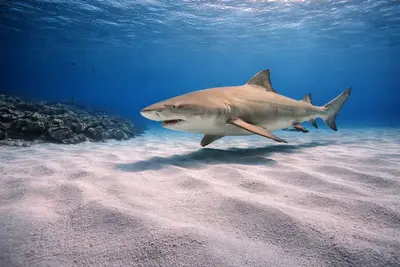
Lemon Shark
common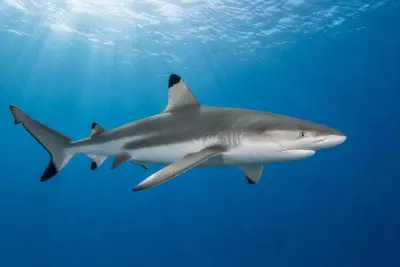
Blacktip Shark
common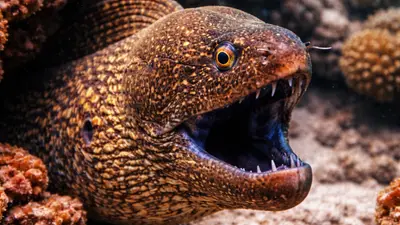
Javanese Moray Eel
occasional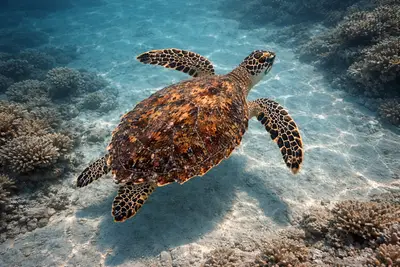
Hawksbill Turtle
occasional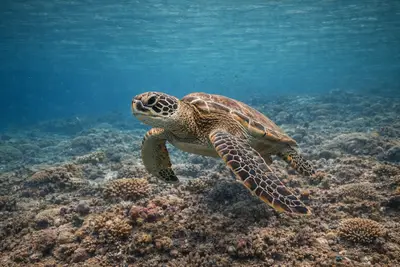
Green Sea Turtle
occasional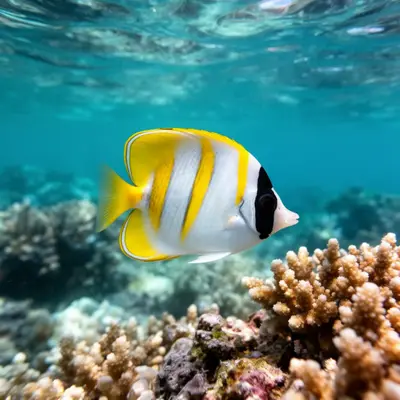
Butterflyfish
common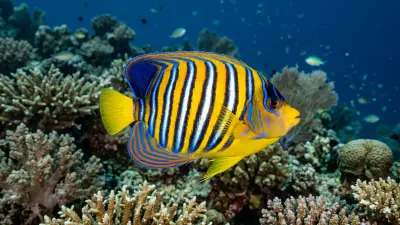
Angelfish
common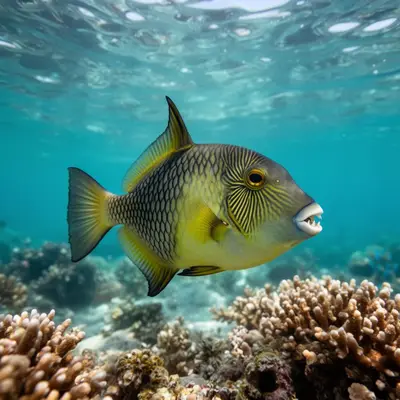
Triggerfish
occasional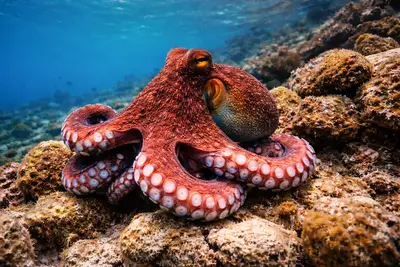
Octopus
occasionalSchools of tropical fish
commonDive profile & how the dive runs
Entry to The Canyons is typically from a dinghy or dive boat onto moorings on the outer reef near Opunohu Pass. The dive usually begins by descending into depths of 11 to 20 meters (35-65 feet), following the topography of the reef. Divers explore the dramatic canyon formations, which resemble fingers extending from the main reef. A common strategy involves navigating up-current initially, allowing for observation of marine life sheltering from the flow, then turning to drift back along the canyons. The turn point is often determined by air consumption, for example at 1,500 psi. The dive concludes with a safety stop in the shallower areas, often experiencing some surge, before surfacing near the entry point where the dinghy waits.
Underwater photography
The Canyons offers excellent wide-angle photography opportunities due to its dramatic coral topography, clear water, and frequent large animal sightings. A fisheye or wide-angle lens is ideal for capturing the expansive coral formations and the iconic Lemon Sharks that patrol the area. Given the potential for strong currents and abundant pelagic life, be ready to shoot quickly. Natural light is often sufficient given the excellent visibility, but strobes will enhance color and detail on reef subjects. Practice good buoyancy to avoid stirring up sand in the canyons and to approach marine life respectfully. Be prepared for potential surge, which can make stable framing challenging at shallower depths.
Combine with nearby dive sites
- The Small Rose Garden & Coral Wall
The Small Rose Garden & Coral Wall is one of Moorea's premier dive sites, located on the island's scenic north coast in the Society Islands…
- Taotoi
Taotoi, situated in Moorea, French Polynesia, is widely recognized as a premier location for divers seeking an accessible yet vibrant…
- Stingray World
Stingray World is a renowned dive and snorkel site located within the calm, shallow waters of Mo'orea Lagoon in French Polynesia.
- Ray Corridor
The Ray Corridor in Moorea offers an exhilarating drift dive experience within a natural lagoon, making it a favorite for divers seeking…
- Moorea - The Roses
Mentioned as a highlight of Moorea diving for its rose-shaped corals.
Getting there & logistics
To reach Moorea, you first fly into Faa'a International Airport (PPT) in Tahiti. From Tahiti, Moorea is a short 9-mile journey, accessible by ferry. Major dive operators in Moorea, like TOPDIVE, are strategically located along the north coast at resorts such as the InterContinental Moorea and Hilton Moorea Lagoon Resort & Spa, offering free transfers from all resorts and pensions. Dive excursions to The Canyons typically depart from these northern coastal points. While specific trip lengths are not detailed for this single site, dive packages often combine multiple dives around Moorea, or form part of longer multi-island itineraries across French Polynesia. No specific permit fees for this site are mentioned, but general dive fees apply.
Safety & environment
For diving in Moorea, the nearest recompression chamber is located in Tahiti. In the event of a dive emergency requiring evacuation, transportation to Tahiti would be necessary, highlighting the importance of comprehensive dive insurance that covers medical treatment and emergency evacuation. French Polynesia has strict dive safety regulations, including depth limits typically around 30 meters unless holding higher qualifications. At The Canyons, divers should be mindful of occasional strong currents and potential surge, particularly at shallower depths, which can lead to rapid air consumption and separation from buddies. Always adhere to your guide's briefing, maintain good buoyancy, and practice a no-touch approach to marine life to ensure both diver safety and environmental protection.
Who it suits — and who it doesn't
Suited for
- Experienced divers comfortable with currents
- Shark enthusiasts seeking close encounters
- Wide-angle underwater photographers
- Divers seeking dramatic reef topography
- Divers staying at Moorea's north coast resorts
Less suited for
- Beginner divers or those without current experience
- Snorkelers, due to depth and surge
- Divers who prefer calm, protected reef dives
- Divers uncomfortable with potential for strong pelagic encounters
- Those who prefer macro photography exclusively
FAQ
The Canyons FAQ
What kind of sharks can I see at The Canyons in Moorea?
The Canyons is particularly known for its Lemon Sharks, which are a highlight of diving in Moorea. You can also expect to encounter Blacktip Sharks during your dives here. These sharks are a frequent sight, adding an exciting element to the underwater experience.
Is The Canyons a good dive site for beginners?
The Canyons is generally not recommended for beginner divers. The site can experience occasional strong currents and significant surge, especially near the reef. Divers should have experience with current diving and good buoyancy control to safely enjoy this dynamic environment.
What is the typical depth and visibility at The Canyons?
Dives at The Canyons typically range between 11 to 20 meters (35 to 65 feet), exploring the unique coral formations. Visibility is usually excellent, often reaching 25 meters (80 feet) or more. This clear water allows for impressive views of the canyons and marine life.
How do currents affect diving at The Canyons?
Currents at The Canyons can vary from mild to strong, especially due to its location near Opunohu Pass, and surge can be present. Dive plans often involve starting up-current and drifting back. Divers should be prepared for changing conditions and follow their guide's instructions closely.
What kind of coral formations can be found at The Canyons?
The Canyons is characterized by dramatic outer reef topography featuring finger-like coral formations extending from the reef. These include healthy hard corals, such as mushroom-shaped porites, which create a rich habitat for various marine species.
Why dive The Canyons from a liveaboard?
The Canyons is one of French Polynesia's signature dive sites. A liveaboard sleeps you on the water and puts you in the water for three to four guided dives per day, including dawn and night dives that day-boat operators rarely offer. You skip the daily commute back to port and reach quieter, less-crowded sites in the same region on a single trip.
Below are the liveaboards that include The Canyons on their French Polynesia itineraries.
Liveaboards diving The Canyons
These liveaboards may visit The Canyons on selected itineraries — the exact dive sites depend on departure, weather and conditions.
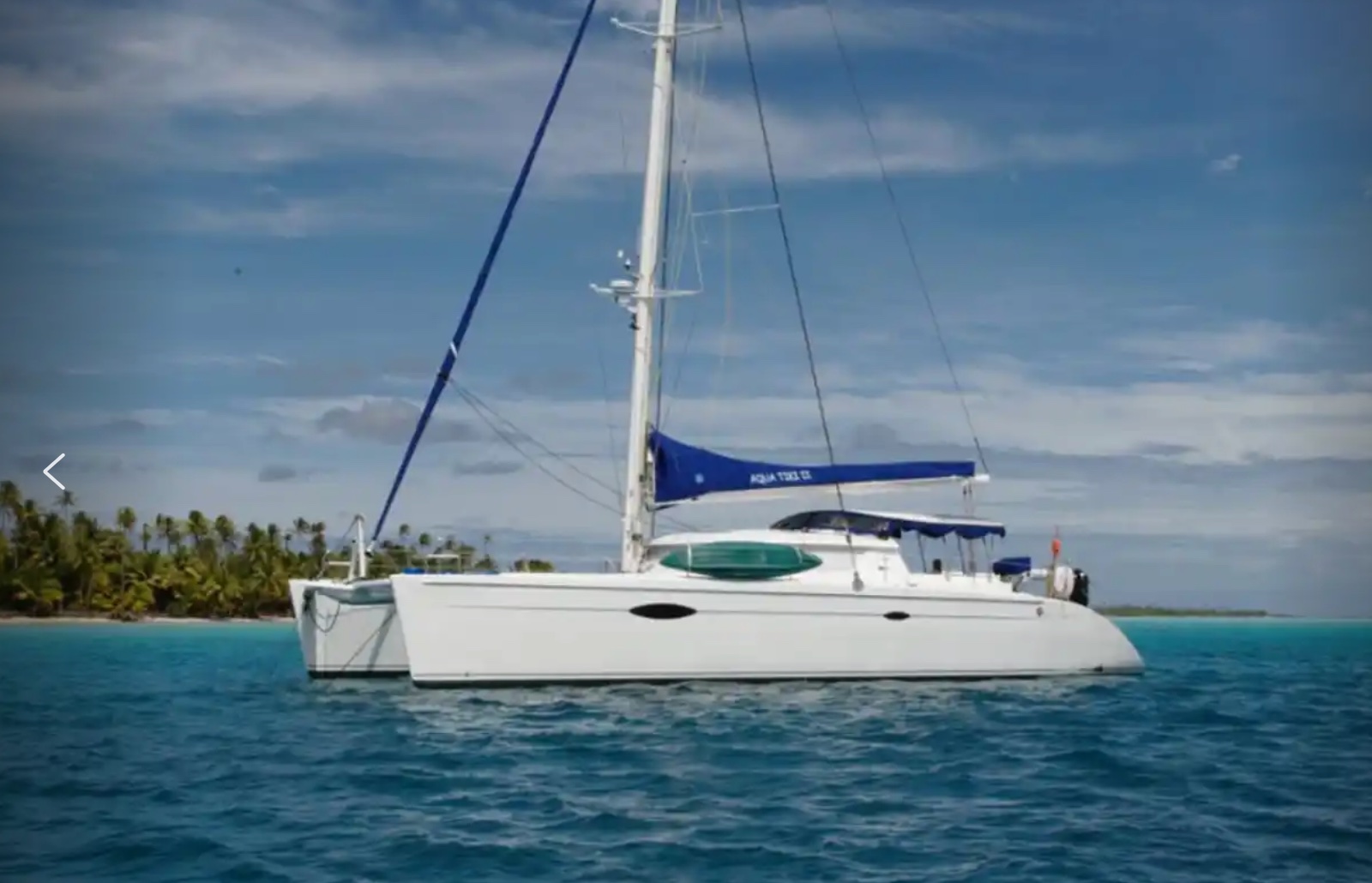
Aqua Tiki II
French Polynesia
8 guests
$579/day
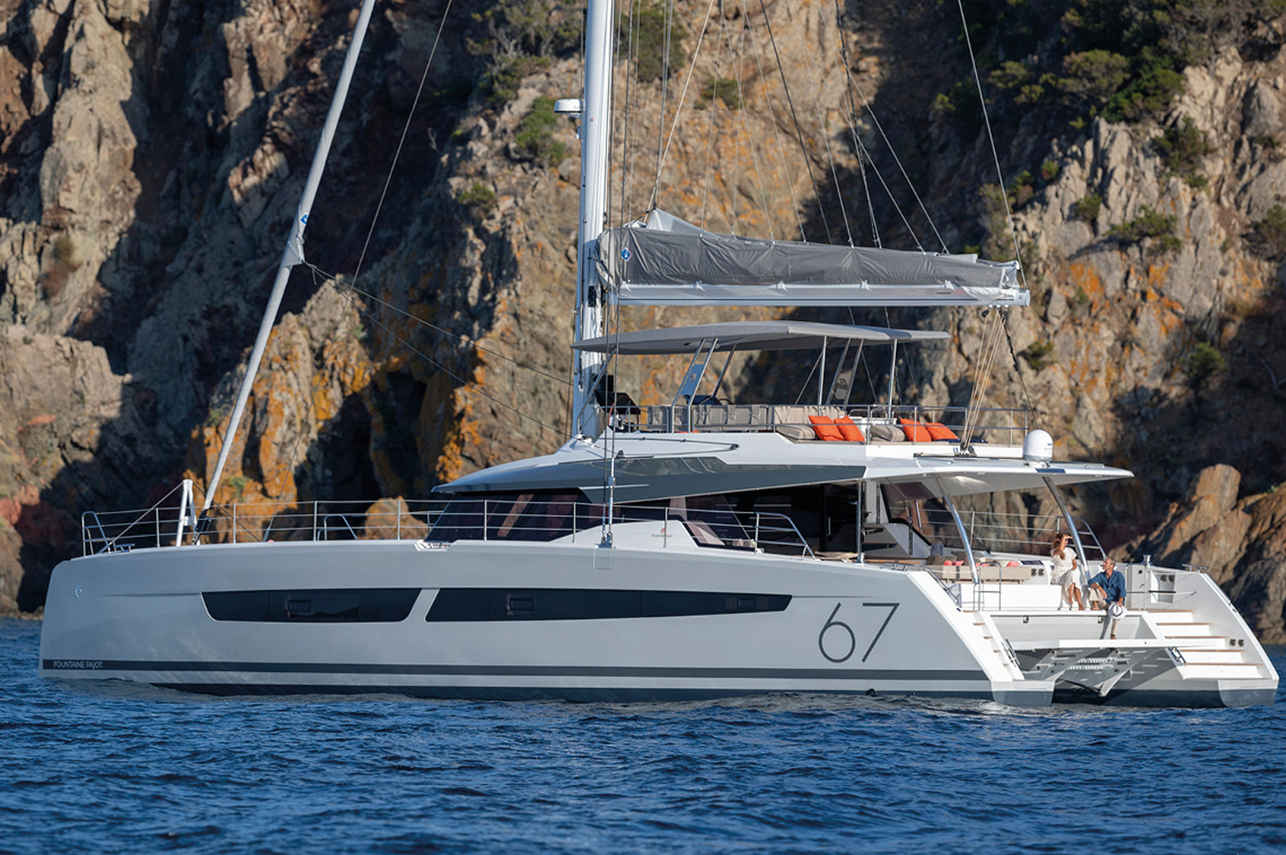
Aqua Tiki III
French Polynesia
10 guests20 m
$505/day
Dive sites similar to The Canyons
Same character, same waters — six more sites divers love for the exact same reasons.Compare seasons, access and liveaboard routes — then pick the site that fits your trip best.
© Esri — Maxar, Earthstar, GIS
Fakarava - Ohotu Reef
French Polynesia
Ohotu Reef, situated in Fakarava's immense Garuae Pass, is a premier dive destination within the UNESCO Biosphere Reserve of French Polynesia.
- Suitable for
- Advanced
- Current
- Strong
- Access
- Liveaboard or dayboat
- Depth
- 5–18 m
- Theme
- Drift / Reef
© Esri — Maxar, Earthstar, GIS
Moorea - Ray Corridor
French Polynesia
The Ray Corridor in Moorea offers an exhilarating drift dive experience within a natural lagoon, making it a favorite for divers seeking dynamic encounters.
- Suitable for
- Beginner
- Current
- Moderate
- Access
- Liveaboard or dayboat
- Depth
- 3–12 m
- Theme
- Drift / Reef
Taotoi, situated in Moorea, French Polynesia, is widely recognized as a premier location for divers seeking an accessible yet vibrant underwater experience.
- Suitable for
- Beginner
- Current
- Mild
- Access
- Dayboat
- Depth
- 9–19 m
- Theme
- Reef
© Esri — Maxar, Earthstar, GIS
The Windmill
French Polynesia
The Windmill is a renowned dive site located within Rangiroa's expansive Tiputa Pass, positioned on the right ocean-side slope.
- Suitable for
- Intermediate
- Current
- Moderate
- Access
- Liveaboard or dayboat
- Depth
- 25–26 m
- Theme
- Reef
Alibaba is a renowned drift dive located within the Garuae Pass in northern Fakarava, a UNESCO Biosphere Reserve in the Tuamotu Archipelago.
- Suitable for
- Intermediate
- Current
- Strong
- Access
- Liveaboard only
- Depth
- 5–30 m
- Theme
- Reef
© Esri — Maxar, Earthstar, GIS
The Crossing
French Polynesia
The Crossing is an advanced dive site located within Rangiroa’s famous Tiputa Pass, designed for highly experienced divers.
- Suitable for
- Expert
- Current
- Ripping
- Access
- Liveaboard or dayboat
- Depth
- 50–50 m
- Theme
- Reef