About Stingray World
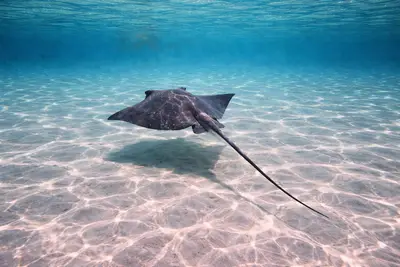
Stingray World is a renowned dive and snorkel site located within the calm, shallow waters of Mo'orea Lagoon in French Polynesia. Situated on the north coast of Mo'orea, near Opunohu Pass and directly opposite the Beachcomber resort, this site is celebrated for its remarkable interactions with its resident stingray population. The topography of Stingray World features an accessible environment with minimal depths, making it ideal for close-up observations. While specific depth ranges are not detailed, the description emphasizes shallow, calm waters, facilitating easy interaction with marine life. This contrasts with the deeper outer reef dives found elsewhere in Mo'orea, focusing instead on a sheltered lagoon experience. The primary marine draw here is the abundance of stingrays, which are accustomed to human presence, allowing for interactive encounters. The site's protected nature within the lagoon ensures a consistent presence of these creatures, making it a reliable spot for observations year-round. This unique interaction defines the site's appeal, setting it apart from other Mo'orea locations known for sharks or coral gardens. Diving or snorkeling at Stingray World typically involves guided tours due to its controlled environment, ensuring respectful and safe interactions. The experience is designed for easy access, with minimal equipment needed, and often includes opportunities to observe stingrays actively swimming, particularly during feeding sessions. This creates a memorable and approachable underwater experience for a wide range of visitors.
Highlights
Interactive stingray encountersShallow, calm Mo'orea Lagoon watersAccessible for all experience levelsGuided tour accessNorth coast of Mo'oreaYear-round stingray presence
Season calendar
Best months to dive here
Jan
Feb
Mar
Apr
May
Jun
Jul
Aug
Sep
Oct
Nov
Dec
Excellent
Good
Dive site facts: Stingray World
- Depth
- Shallow
- Current
- None to mild
- Visibility
- Good in calm lagoon waters
- Water temperature
- 26–29°C
- Entry
- Boat / easy access
- Level
- Beginner / all levels
- Dive type
- Interactive marine life, lagoon, big_animals
- Region / port
- Mo'orea, Society Islands, French Polynesia
- Coordinates
- 16.0315° S, 147.6433° W
Conditions & Currents
Stingray World is situated in a sheltered lagoon, characterized by calm, shallow waters, which means strong currents are generally not a concern here. This protective environment contributes to a relaxed diving and snorkeling experience, making it suitable for less experienced visitors. While specific visibility ranges are not detailed, the calm conditions typically ensure clear underwater views within the lagoon. As a controlled environment often accessed via guided tours, entry and exit are usually managed directly by operators, focusing on gentle, easy access to the stingrays without the need for complex techniques. The absence of significant currents also means divers do not need to account for drift or exert extra effort against water flow, simplifying gas planning and overall dive execution.
Marine life & sighting chances
Dive profile & how the dive runs
Access to Stingray World is typically via guided boat tours that transport visitors directly to the shallow, calm waters of Mo'orea Lagoon. Entry into the water is usually a gentle backward roll or giant stride directly into the accessible depths, suitable for both divers and snorkelers. The dive profile involves staying in relatively shallow areas, focusing on close observation and interaction with the resident stingrays. There is no set route or depth progression in the traditional sense, as the experience centers on the animals present rather than navigating complex topography. Turn points are dictated by interaction opportunities and group dynamics. Safety stops are generally not a concern given the shallow nature of the site, but guides ensure a relaxed ascent and exit back onto the boat.
Underwater photography
For photography at Stingray World, wide-angle lenses are ideal to capture the interactive encounters with the stingrays in their natural, yet controlled, shallow lagoon environment. Given the calm and clear conditions, natural light is often sufficient, but a diffused strobe can help bring out colors and reduce harsh shadows, particularly during midday sun. Buoyancy control is paramount to avoid disturbing the sand and to ensure respectful interaction with the animals. Focus on eye-level shots with the stingrays for engaging portraits. Remember to maintain a no-touch policy, even though interactions can be close, and respect the animals' space to ensure authentic and ethical captures of their behavior.
Combine with nearby dive sites
- The Canyons
Outer reef canyons dive near Opunohu Pass, known for sharks and occasional strong currents.
- The Small Rose Garden & Coral Wall
Located off the north coast, features rose-like Montipora coral and shark activity, requires advanced certification.
- Taotoi
Another dive site in Mo'orea, often associated with a nearby dive center.
- The Angle
A drift dive in Mo'orea, known for turtles and Emperor Angelfish.
- Bora Bora - Tapu
A dive spot in Bora Bora, mentioned as offering varied marine life.
- Bora Bora - Anau
A dive spot in Bora Bora, known for manta rays.
Getting there & logistics
Mo'orea is part of French Polynesia's Society Islands and is accessible via flights into Mo'orea Airport (MOZ), which typically connect through Faa'a International Airport (PPT) in Tahiti. Divers often travel from Pape'etē, Tahiti, to Mo'orea by ferry or short flight. Stingray World is situated in Mo'orea Lagoon, near Opunohu Pass, and is frequently accessed through guided tours from local dive centers or resorts, including those near the Beachcomber resort. Trips to this site are usually day excursions, often combined with other snorkeling or light diving activities in the lagoon. There are no specific permits or park fees mentioned for this particular site, but tour operators will bundle costs. Mo'orea offers a blend of land-based resort stays, making it easy to integrate multiple dives at sites like Stingray World into a broader vacation.
Safety & environment
For diving in French Polynesia, strict dive-safety and environmental regulations are in place, limiting depths to around 30 meters unless higher qualifications are held. The nearest recompression chamber is located in Pape'etē, Tahiti, necessitating careful dive planning and adherence to safety protocols on Mo'orea. Evacuation from Mo'orea to Tahiti would typically be by ferry or local flight, underscoring the importance of comprehensive dive insurance that covers medical emergencies and evacuation. At Stingray World, site-specific hazards are minimal due to the shallow, calm lagoon conditions; however, respectful conduct with marine life, particularly stingrays, is crucial. Always listen to local guides regarding interactions, maintain a no-touch policy, and practice good buoyancy to protect the marine environment.
Who it suits — and who it doesn't
Suited for
- Beginner divers and snorkelers
- Families with children
- Underwater photographers seeking interactive subjects
- Divers preferring calm, shallow water experiences
- Travelers interested in unique marine life encounters
Less suited for
- Experienced divers seeking deep or current-intensive dives
- Divers focused solely on pelagic shark encounters
- Those looking for pristine, untouched coral reefs
- Individuals seeking challenging technical dives
FAQ
Stingray World FAQ
What kind of marine life can I expect to see at Stingray World?
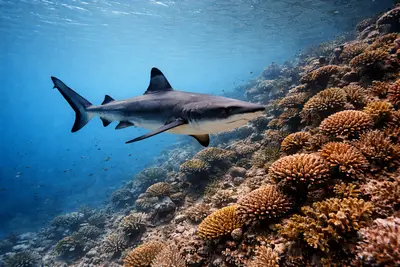
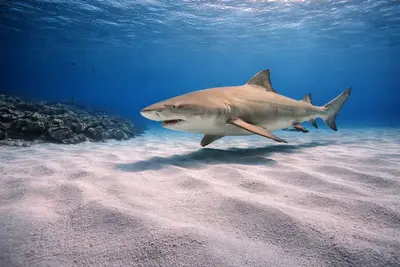
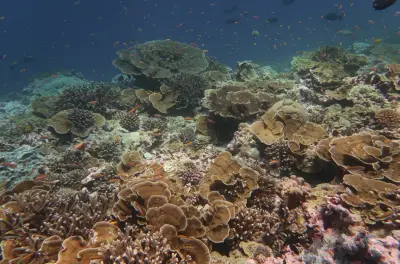
Stingray World is famous for its close encounters with numerous stingrays in the shallow, calm waters of Mo'orea Lagoon. While stingrays are the primary attraction, you might also spot various reef fish. Occasionally, blacktip reef sharks and lemon sharks may be seen in the general Mo'orea area, though the focus at this specific site is on the interactive stingray experience.
Do I need to be an experienced diver to visit Stingray World?
No, Stingray World is highly suitable for beginner divers and snorkelers, as well as families. The site is characterized by shallow and calm lagoon waters, making it an accessible and comfortable experience for all levels. Guided tours ensure a safe and enjoyable interaction with the marine life, requiring minimal prior diving experience.
When is the best time of year to visit Stingray World?
The dry season, from May to October, offers the best conditions for visiting Stingray World. During these months, the seas are calmer, and water visibility is typically at its best. Visiting in the early morning is also recommended to experience clearer waters and fewer boats, enhancing your interaction with the stingrays.
Is Stingray World suitable for underwater photography?
Yes, Stingray World offers excellent opportunities for underwater photography, especially for capturing interactive marine life. Wide-angle lenses are recommended to photograph the stingrays in their lagoon environment. Natural light is often sufficient due to the shallow depths, but a diffused strobe can enhance colors. Always practice good buoyancy and maintain a respectful distance from the animals for ethical shots.
How do I get to Stingray World?
Stingray World is located in Mo'orea Lagoon, French Polynesia, and is typically accessed via guided boat tours. These tours depart from various points on Mo'orea, often from dive centers or resorts, including those near the Beachcomber resort. Mo'orea itself is easily reached by ferry or short flight from Tahiti, which is served by Faa'a International Airport (PPT).
Are there any safety concerns or rules to be aware of?
While Stingray World is generally safe due to its calm, shallow waters, it is essential to follow the instructions of your local guides. Always maintain a no-touch policy with the marine life, including the stingrays, to ensure both your safety and the well-being of the animals. Good buoyancy control helps protect the delicate lagoon environment, and comprehensive dive insurance is always recommended for any diving in French Polynesia.
Why dive Stingray World from a liveaboard?
Stingray World is one of French Polynesia's signature dive sites. A liveaboard sleeps you on the water and puts you in the water for three to four guided dives per day, including dawn and night dives that day-boat operators rarely offer. You skip the daily commute back to port and reach quieter, less-crowded sites in the same region on a single trip.
Below are the liveaboards that include Stingray World on their French Polynesia itineraries.
Liveaboards diving Stingray World
These liveaboards may visit Stingray World on selected itineraries — the exact dive sites depend on departure, weather and conditions.
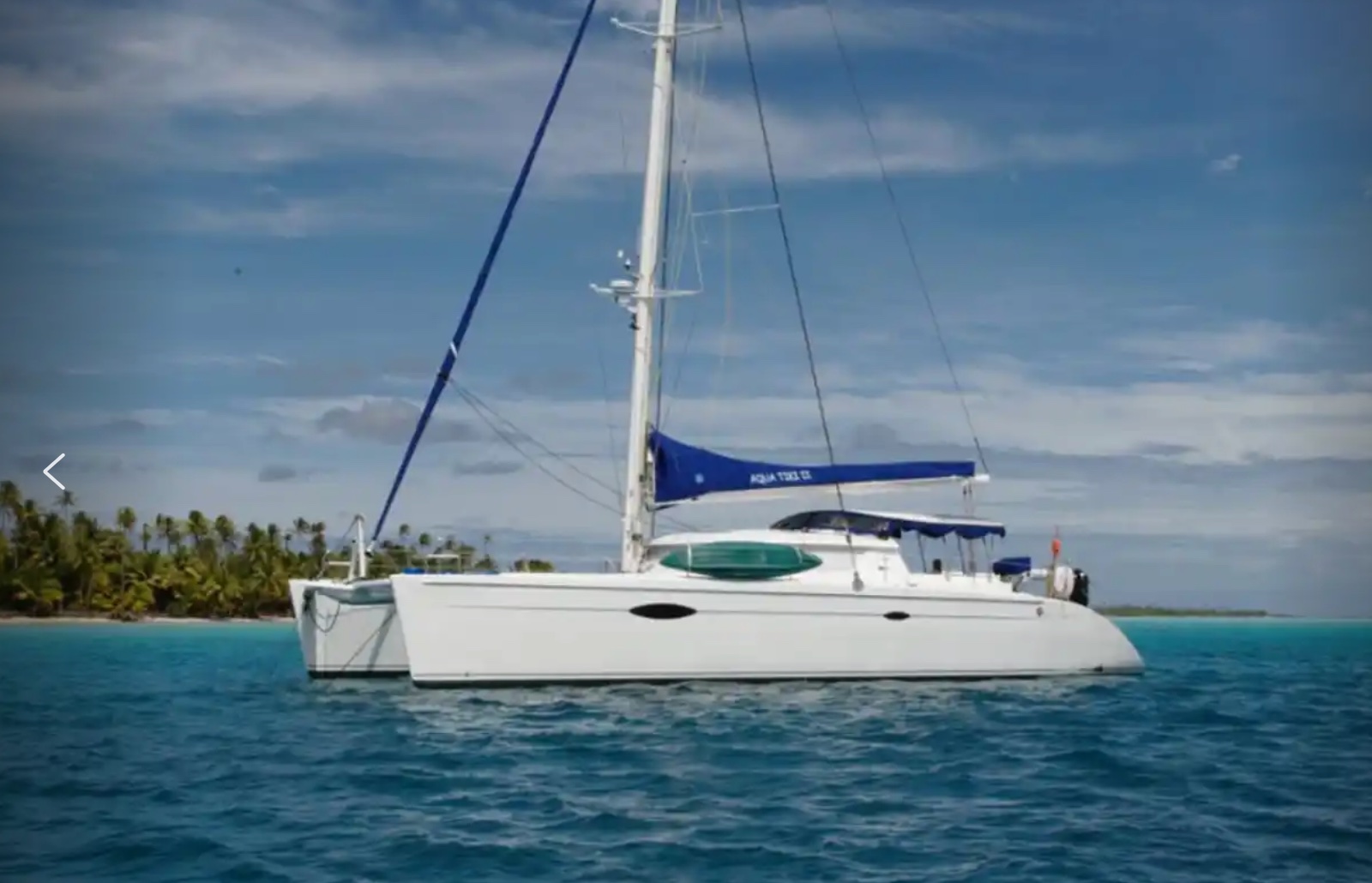
Aqua Tiki II
French Polynesia
8 guests
$578/day
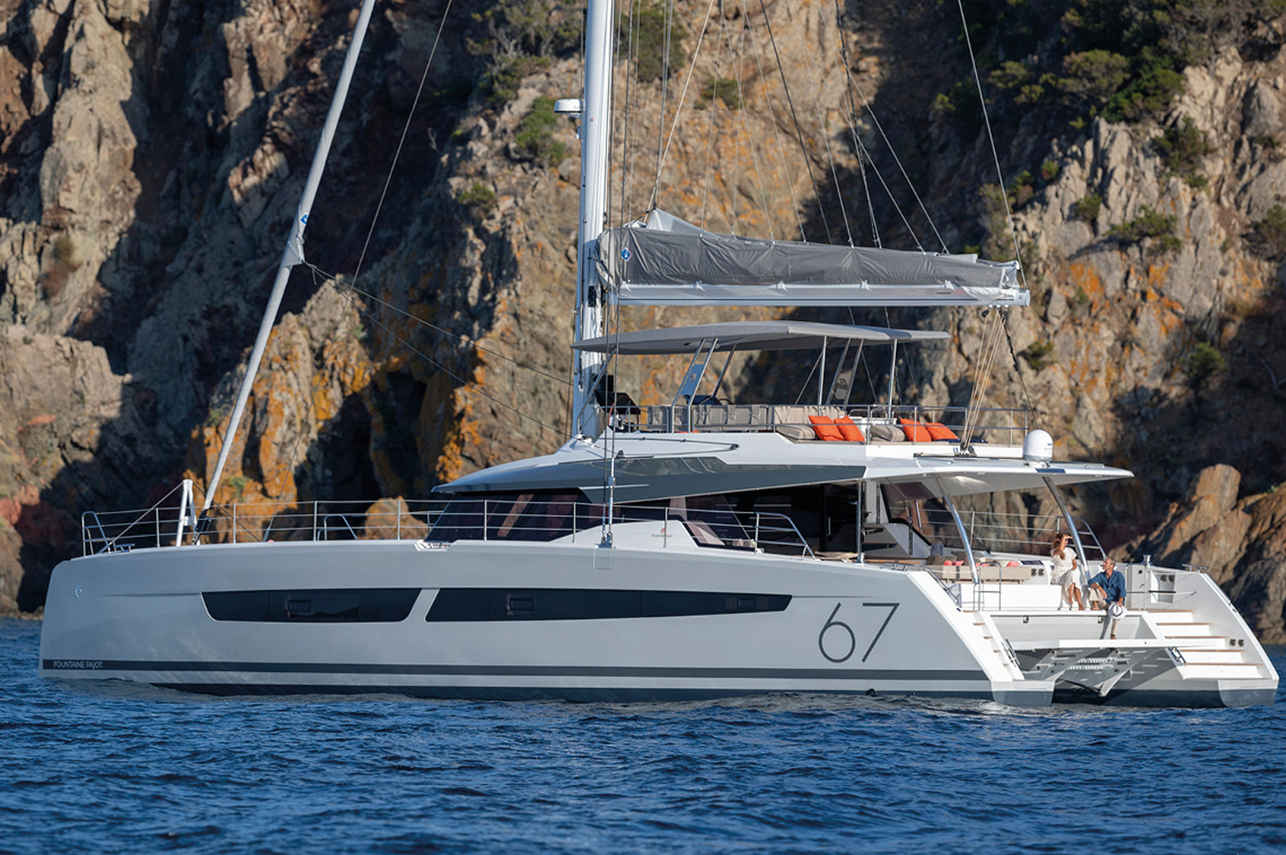
Aqua Tiki III
French Polynesia
10 guests20 m
$503/day
Dive sites similar to Stingray World
Same character, same waters — six more sites divers love for the exact same reasons.Compare seasons, access and liveaboard routes — then pick the site that fits your trip best.
© Esri — Maxar, Earthstar, GIS
Fakarava - Ohotu Reef
French Polynesia
Ohotu Reef, situated in Fakarava's immense Garuae Pass, is a premier dive destination within the UNESCO Biosphere Reserve of French Polynesia.
- Suitable for
- Advanced
- Current
- Strong
- Access
- Liveaboard or dayboat
- Depth
- 5–18 m
- Theme
- Drift / Reef
© Esri — Maxar, Earthstar, GIS
Moorea - Ray Corridor
French Polynesia
The Ray Corridor in Moorea offers an exhilarating drift dive experience within a natural lagoon, making it a favorite for divers seeking dynamic encounters.
- Suitable for
- Beginner
- Current
- Moderate
- Access
- Liveaboard or dayboat
- Depth
- 3–12 m
- Theme
- Drift / Reef
© Esri — Maxar, Earthstar, GIS
The Sharks’ cavern
French Polynesia
The Sharks’ Cavern is a prominent dive site located within the Tiputa Pass of Rangiroa, French Polynesia, celebrated for its unique shark encounters and exhilarating drift diving experience.
- Suitable for
- Advanced
- Current
- Strong
- Access
- Dayboat
- Depth
- 12–35 m
- Theme
- Drift / Cavern
© Esri — Maxar, Earthstar, GIS
Garaue Pass
French Polynesia
Garaue Pass, located in the northern part of Fakarava Atoll within the Tuamotu Archipelago, is recognized as a premier diving destination, particularly for shark encounters.
- Suitable for
- Advanced
- Current
- Ripping
- Access
- Liveaboard or dayboat
- Depth
- 12–30 m
- Theme
- Drift
Taotoi, situated in Moorea, French Polynesia, is widely recognized as a premier location for divers seeking an accessible yet vibrant underwater experience.
- Suitable for
- Beginner
- Current
- Mild
- Access
- Dayboat
- Depth
- 9–19 m
- Theme
- Reef
© Esri — Maxar, Earthstar, GIS
The Windmill
French Polynesia
The Windmill is a renowned dive site located within Rangiroa's expansive Tiputa Pass, positioned on the right ocean-side slope.
- Suitable for
- Intermediate
- Current
- Moderate
- Access
- Liveaboard or dayboat
- Depth
- 25–26 m
- Theme
- Reef