About Bora Bora - Anau
Anau, nestled in Bora Bora's lagoon near Le Méridien, is celebrated as a prime manta ray cleaning station, often referred to as the Manta Ray Spot or Anau Manta Wall. This site features two distinct coral reefs separated by a sandy channel, creating an ideal environment where reef manta rays gracefully glide in for cleaning by various wrasses residing in the coral formations. Visibility typically ranges from 50 to 100 feet. This biodiverse spot also hosts lemon sharks, blacktip sharks, eagle rays, Napoleon wrasse, and schools of snapper, making for a rich visual experience. Beyond the famed manta rays, the site bursts with a vibrant array of smaller marine life. Divers can encounter colorful species like Picasso, titan, and yellow margin triggerfish; teardrop, threadfin, and red-fin butterflyfish; and various trevally. The area is also home to common and spotfin lionfish, large schools of black surgeonfish, pennant and long-fin bannerfish, and swarms of fire dartfish that remain close to the ocean floor. Occasional turtle sightings further enhance the dive experience. Entry to the Anau site is exclusively by boat, typically via a giant stride from the stern, with a ladder for reboarding. While the current is generally mild, good buoyancy control is essential, especially when observing mantas at cleaning stations. Divers should maintain a calm demeanor and avoid chasing the rays to ensure a respectful encounter. The site is suitable for certified divers, with depths ranging from 20 to 65 feet.
Highlights
Manta RaysEagle RaysReef Sharks
Season calendar
Best months to dive here
Jan
Feb
Mar
Apr
May
Jun
Jul
Aug
Sep
Oct
Nov
Dec
Excellent
Good
Dive site facts: Bora Bora - Anau
- Depth
- 6–20 m
- Current
- Mild
- Visibility
- 15–30 m
- Water temperature
- 27–28 °C
- Entry
- Boat
- Level
- Open Water / Level 1
- Dive type
- Wall, cleaning station
- Region / port
- Bora Bora, French Polynesia
- Coordinates
- -16.5333, -151.7167
Conditions & Currents
Currents at Anau are typically mild, making it an accessible site for a broad range of divers. However, conditions near the channel edge can change swiftly, necessitating attentive dive planning and awareness. Divers should maintain good buoyancy control, particularly when observing mantas at the cleaning station, to avoid disturbing the ecosystem. Entry is typically via boat, with giant strides off the stern and re-boarding using a ladder. Visibility generally ranges from 15 to 30 meters, contributing to relaxed and clear observations.
Marine life & sighting chances

Reef Manta Ray
Year-round · common
Eagle Ray
occasional
Reef Shark
occasional
Napoleon Wrasse
occasional
Snapper
common
Butterflyfish
common
Moray Eel
occasional
Green Sea Turtle
occasional
Blacktip Reef Shark
common
Lemon Shark
occasional
Lionfish
occasional
Triggerfish
commonDive profile & how the dive runs
Dives at Anau typically begin with a boat entry, often a giant stride, directly over or near the shallow coral garden. Divers descend to approximately 6 meters, where the vibrant reef begins, suitable for initial exploration. The main attraction, the manta ray cleaning station, is situated along a coral-encrusted wall that slopes down to about 19 meters. Divers position themselves calmly and low to the reef to observe the mantas as they glide through to be cleaned by wrasses. The route generally involves slowly traversing along this wall, observing the mantas and other reef life. Turnaround is often dictated by air consumption and bottom time, or when the manta activity subsides. Safety stops are conducted in the shallower coral garden, providing an additional opportunity to enjoy the rich marine life before surfacing.
Underwater photography
Anau offers superb opportunities for wide-angle photography, especially with the frequent manta ray sightings. A wide-angle lens is essential to capture the full wing span of the mantas and the expansive coral wall. Given the excellent visibility and often abundant natural light, external strobes can enhance colors and reduce backscatter, though they are not strictly necessary on brighter days. Maintaining good buoyancy control is paramount to avoid disturbing the cleaning station and to position yourself for optimal shots without stressing the marine life. Patience is key; wait for the mantas to approach rather than chasing them, and always use reef-safe practices.
Combine with nearby dive sites
- Bora Bora - Tapu
Another popular Bora Bora site known for shark encounters.
- Bora Bora - Tupitipiti
A more advanced site featuring caves, overhangs, and a vibrant wall.
- Bora Bora - White Valley
A challenging site with deeper depths and potential strong currents, offering encounters with larger pelagics.
- The Aquarium
A shallow, protected lagoon site perfect for snorkelers and beginner divers, rich in colorful reef fish.
Getting there & logistics
Access to Bora Bora is typically via a nine-hour flight from Los Angeles (LAX) to Tahiti (PPT), followed by a one-hour inter-island flight with Air Tahiti to Bora Bora (BOB). Divers should present their C-card to Air Tahiti to potentially receive an allowance for additional luggage weight for dive gear. Most dive tours to Anau depart from resorts or Vaitape and are usually part of half-day or full-day excursions. It is not uncommon for Anau to be combined with other local Bora Bora dive sites in a multi-dive package. While there are no direct site fees, the cost is incorporated into dive tour prices. A 10-dive package in the region can be substantial, so booking multi-dive packages or group dives might offer cost savings.
Safety & environment
While Anau is generally a mild-current dive, conditions near channel edges can change, requiring divers to be attentive to their surroundings and current direction. Good buoyancy control is essential, particularly around the cleaning station, to avoid contact with corals and to ensure the mantas are not disturbed. Always follow your dive guide's instructions and maintain a respectful distance from marine life. The nearest recompression chamber is located in Tahiti, necessitating robust dive insurance that covers emergency medical evacuation. Divers should always carry a surface marker buoy. There are no specific depth or time limits imposed other than standard recreational diving guidelines.
Who it suits — and who it doesn't
Suited for
- Open Water certified divers seeking manta encounters
- Photographers looking for wide-angle opportunities
- Divers interested in cleaning station behavior
- Individuals comfortable with boat entries and mild currents
- Those wanting vibrant coral reef exploration
Less suited for
- Divers unprepared for potential current changes
- Individuals with poor buoyancy control around delicate ecosystems
- Those who prefer deep wreck diving or cave exploration
- Divers unwilling to respect marine life etiquette
- Budget travelers avoiding structured dive tours
FAQ
Bora Bora - Anau FAQ
What marine life can I expect to see at Anau?
Anau is primarily famous for its resident reef manta rays, which visit the cleaning station year-round. Beyond mantas, you can also frequently encounter reef sharks, eagle rays, Napoleon wrasse, schools of snapper, various butterflyfish, and occasional green sea turtles. Moray eels are also sometimes spotted within the reef crevices.
Is Anau suitable for beginner divers?
Yes, Anau is generally suitable for Open Water certified divers. The currents are typically mild, and the main attractions are at accessible depths, starting from a shallow coral garden at 6 meters and extending to a wall at 19 meters. Good buoyancy control is always recommended to ensure a safe and enjoyable experience for all.
What is a manta ray cleaning station?
A cleaning station is a specific reef area where larger marine animals, such as manta rays, gather to be cleaned by smaller fish, often wrasses. These cleaner fish remove parasites and dead skin from the mantas, providing a vital service. At Anau, you can observe this fascinating natural interaction up close.
When is the best time of year to dive Anau?
Anau offers year-round opportunities to see manta rays, making it a consistently rewarding dive site. While mantas are present throughout the year, the dry season from March to November generally provides the calmest seas and best visibility, enhancing the overall dive experience.
What photography gear is recommended for Anau?
For underwater photography at Anau, a wide-angle lens is highly recommended to capture the full scale of the mantas and the coral wall. The site often has excellent natural light and visibility, but strobes can help bring out the vibrant colors of the reef. Focus on maintaining calm movements and good buoyancy to avoid disturbing the mantas.
Why dive Bora Bora - Anau from a liveaboard?
Bora Bora - Anau is one of French Polynesia's signature dive sites. A liveaboard sleeps you on the water and puts you in the water for three to four guided dives per day, including dawn and night dives that day-boat operators rarely offer. You skip the daily commute back to port and reach quieter, less-crowded sites in the same region on a single trip.
Below are the liveaboards that include Bora Bora - Anau on their French Polynesia itineraries.
Liveaboards diving Bora Bora - Anau
These liveaboards may visit Bora Bora - Anau on selected itineraries — the exact dive sites depend on departure, weather and conditions.
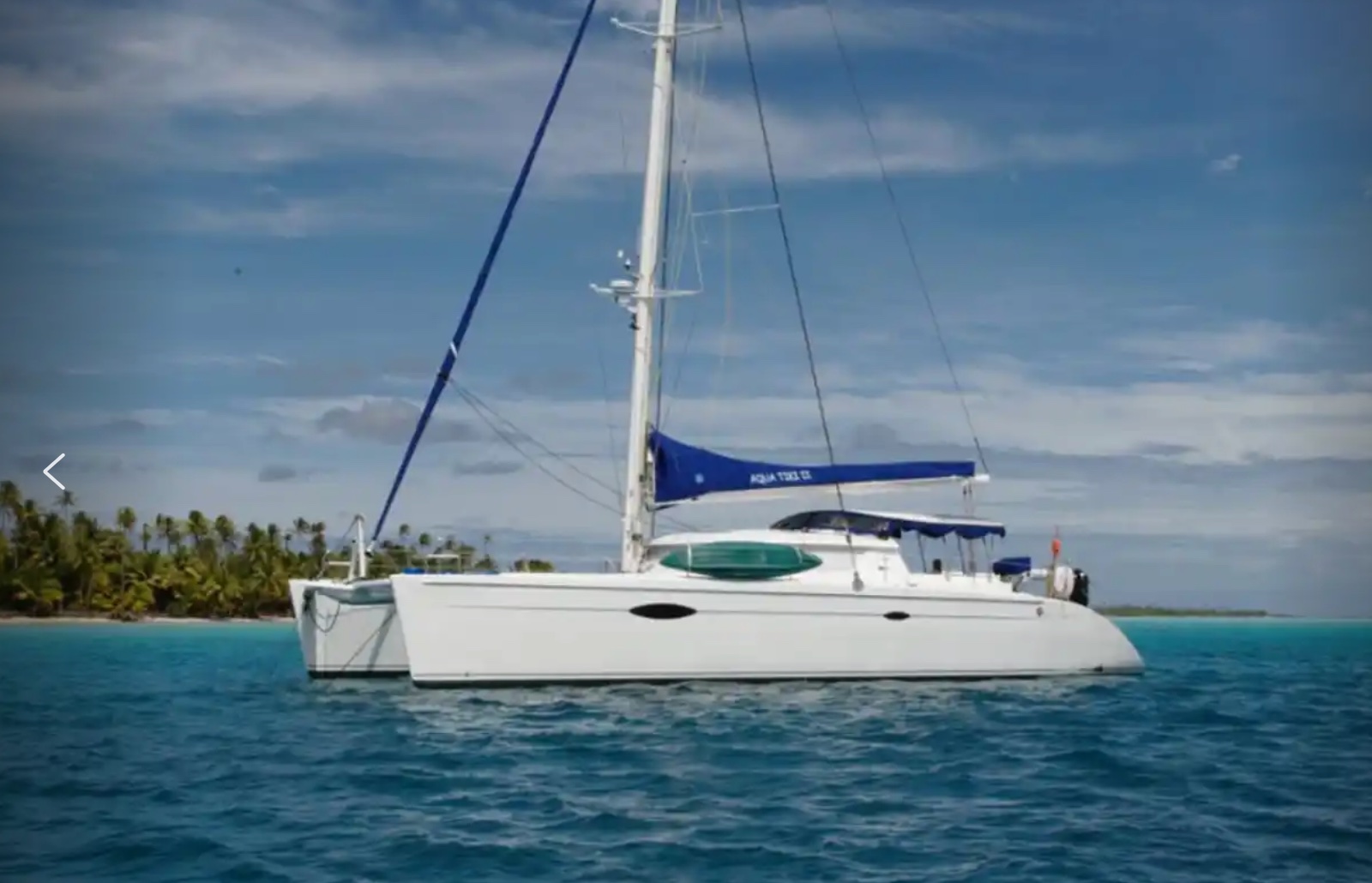
Aqua Tiki II
French Polynesia
8 guests
$578/day
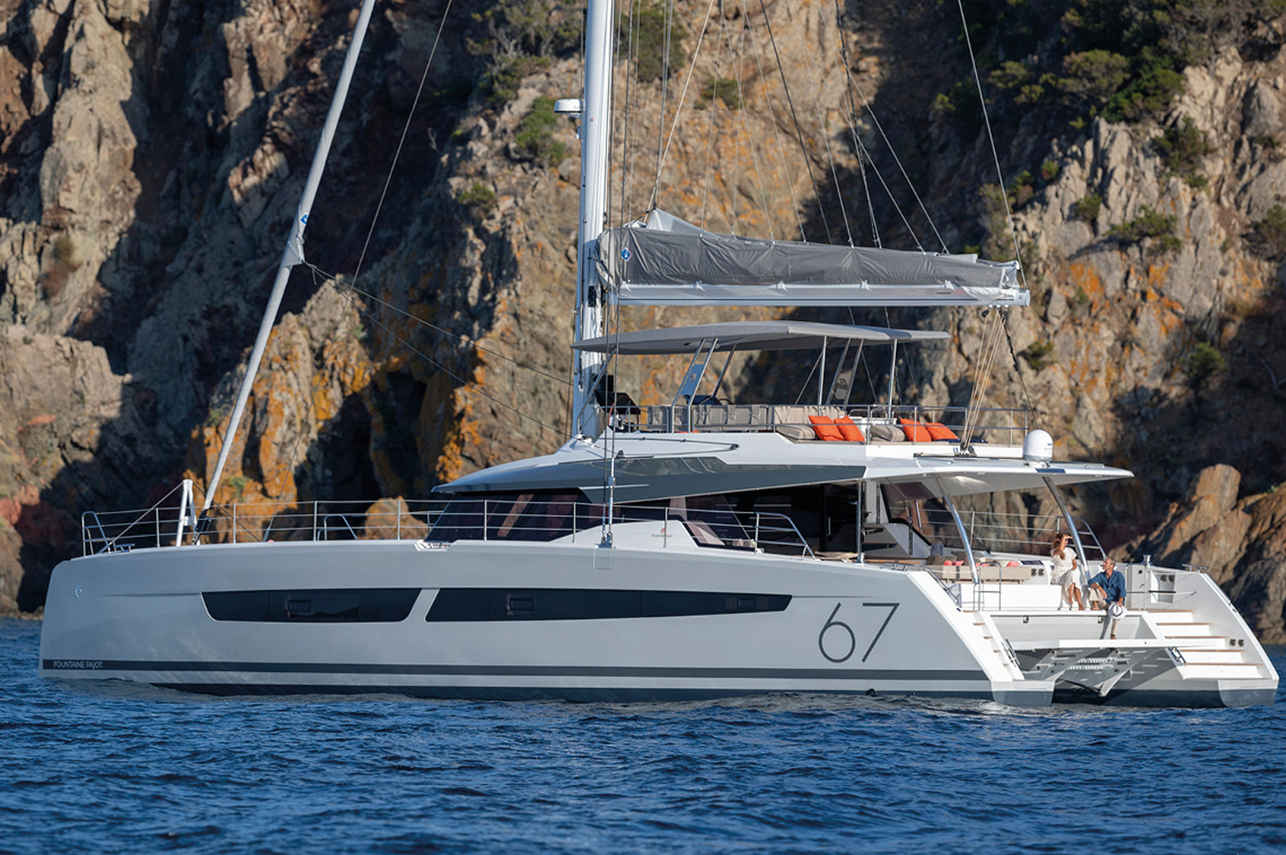
Aqua Tiki III
French Polynesia
10 guests20 m
$504/day
Dive sites similar to Bora Bora - Anau
Same character, same waters — six more sites divers love for the exact same reasons.Compare seasons, access and liveaboard routes — then pick the site that fits your trip best.
© Esri — Maxar, Earthstar, GIS
Fakarava - Ohotu Reef
French Polynesia
Ohotu Reef, situated in Fakarava's immense Garuae Pass, is a premier dive destination within the UNESCO Biosphere Reserve of French Polynesia.
- Suitable for
- Advanced
- Current
- Strong
- Access
- Liveaboard or dayboat
- Depth
- 5–18 m
- Theme
- Drift / Reef
© Esri — Maxar, Earthstar, GIS
Moorea - Ray Corridor
French Polynesia
The Ray Corridor in Moorea offers an exhilarating drift dive experience within a natural lagoon, making it a favorite for divers seeking dynamic encounters.
- Suitable for
- Beginner
- Current
- Moderate
- Access
- Liveaboard or dayboat
- Depth
- 3–12 m
- Theme
- Drift / Reef
Taotoi, situated in Moorea, French Polynesia, is widely recognized as a premier location for divers seeking an accessible yet vibrant underwater experience.
- Suitable for
- Beginner
- Current
- Mild
- Access
- Dayboat
- Depth
- 9–19 m
- Theme
- Reef
© Esri — Maxar, Earthstar, GIS
The Windmill
French Polynesia
The Windmill is a renowned dive site located within Rangiroa's expansive Tiputa Pass, positioned on the right ocean-side slope.
- Suitable for
- Intermediate
- Current
- Moderate
- Access
- Liveaboard or dayboat
- Depth
- 25–26 m
- Theme
- Reef
Alibaba is a renowned drift dive located within the Garuae Pass in northern Fakarava, a UNESCO Biosphere Reserve in the Tuamotu Archipelago.
- Suitable for
- Intermediate
- Current
- Strong
- Access
- Liveaboard only
- Depth
- 5–30 m
- Theme
- Reef
© Esri — Maxar, Earthstar, GIS
The Crossing
French Polynesia
The Crossing is an advanced dive site located within Rangiroa’s famous Tiputa Pass, designed for highly experienced divers.
- Suitable for
- Expert
- Current
- Ripping
- Access
- Liveaboard or dayboat
- Depth
- 50–50 m
- Theme
- Reef