About Bora Bora - White Valley
Bora Bora's White Valley, also known as Muri Muri, offers an exhilarating dive experience for intermediate to advanced divers. This site is characterized by a dynamic coral plateau that gently slopes towards a sandbank, presenting depths that can reach up to 37 meters. Divers are immersed in a bustling underwater landscape, where schools of parrotfish and triggerfish feed on coral polyps. The White Valley is distinguished by its abundant and diverse marine life, including frequent sightings of grey reef sharks, impressive tuna, and large schools of jacks and barracuda. Occasional encounters with playful turtles and even dolphins add to the site's allure. The topography features rich coral formations and sandy dunes, creating a vivid and active ecosystem. While the visibility at White Valley is generally excellent, divers should be prepared for potential currents, particularly when exiting the pass, which contribute to its designation as a site for more experienced individuals. The site’s northern location can sometimes lead to choppy surface conditions, though these often smooth out into a gentle swell upon arrival at the dive spot. This dive site promises a truly memorable experience for those seeking diverse marine encounters and a dive profile that tests and rewards skill. It's a prime example of the rich biodiversity found in Bora Bora's waters, making it a must-visit for divers exploring French Polynesia.
Highlights
Dynamic coral plateauEncounters with grey reef sharksSchools of tuna and barracudaVibrant coral gardensSandy dunesOccasional dolphin sightingsVaried fish life
Season calendar
Best months to dive here
Jan
Feb
Mar
Apr
May
Jun
Jul
Aug
Sep
Oct
Nov
Dec
Excellent
Dive site facts: Bora Bora - White Valley
- Depth
- 18–37 m
- Current
- Mild to strong
- Visibility
- 30–100+ m
- Water temperature
- 27–30°C
- Entry
- Boat / Giant stride
- Level
- Intermediate to advanced
- Dive type
- Reef / Wall / Pelagic
- Region / port
- Bora Bora, French Polynesia
- Coordinates
- -16.47, -151.76
Conditions & Currents
White Valley is known for its potential currents, especially when positioned near the pass, making it more suitable for intermediate to advanced divers. While not always strong, divers should be prepared for varying current conditions that can affect buoyancy and air consumption. Entry is typically a giant stride from a boat, with divemasters briefing on current expectations and entry techniques. Visibility is generally exceptional, often exceeding 30 meters, contributing to spectacular views even with movement. Surface conditions can sometimes be choppy on the northern side of the island, but often settle into a gentle swell at the dive site itself. Divers should be mindful of their gas planning and communicate any discomfort with the current to their dive guide.
Marine life & sighting chances
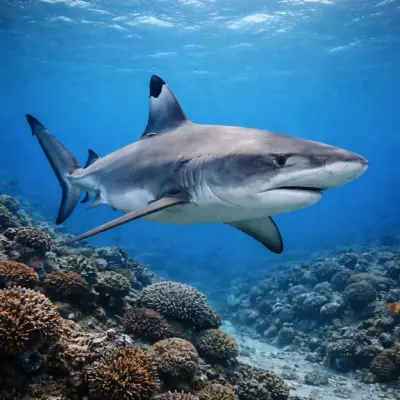
Grey Reef Shark
common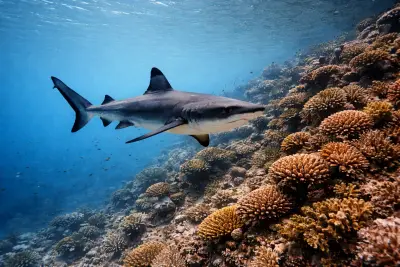
Blacktip Reef Shark
common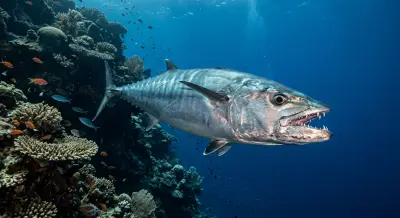
Tuna
common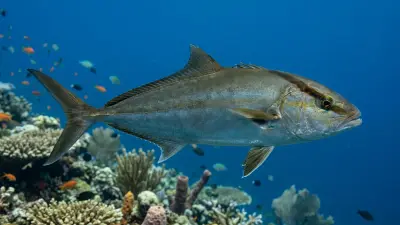
Jack
common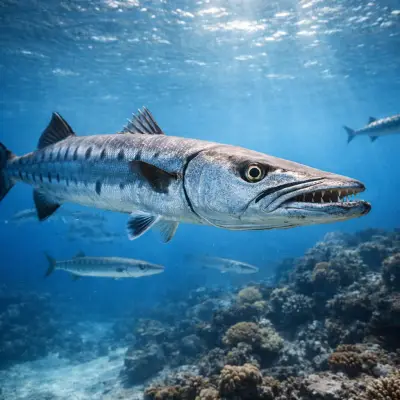
Giant Barracuda
common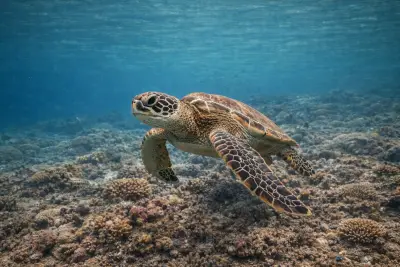
Green Sea Turtle
occasional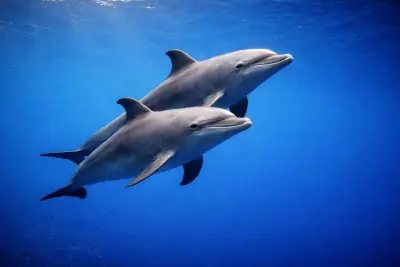
Bottlenose Dolphin
occasional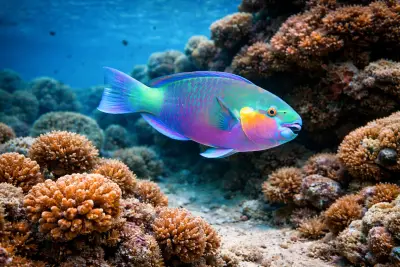
Parrotfish
common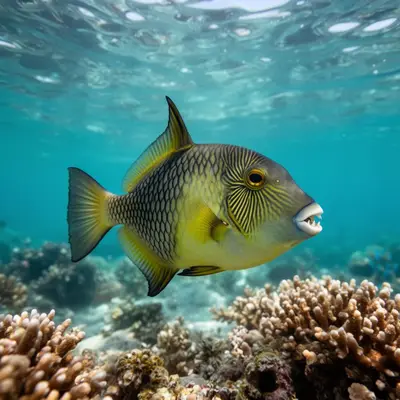
Triggerfish
common
Emperor Fish
common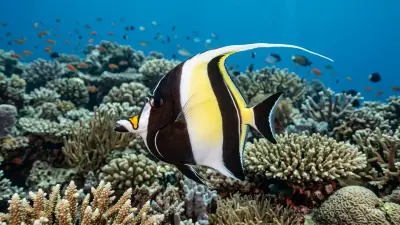
Moorish Idol
common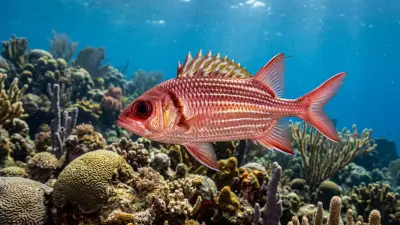
Blue Squirrelfish
common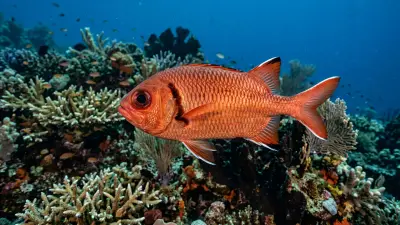
Soldierfish
common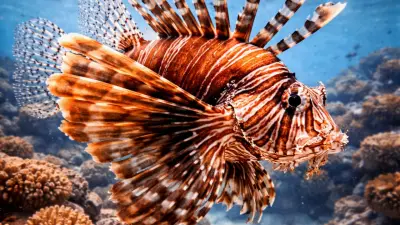
Lionfish
occasionalDive profile & how the dive runs
Diving at White Valley typically begins with a giant stride entry from the dive boat, often near the northern pass. Divemasters provide a thorough briefing on procedures and expected marine life. The descent takes you to a coral plateau that extends towards a sandy seabed, with depths ranging from 18 to 37 meters. The dive route generally follows the contours of the reef, allowing divers to explore the rich coral formations and observe a variety of reef fish and pelagic species. Encounters with grey sharks, tuna, and barracuda are common here. The turn point is determined by air consumption and bottom time, with an ascent usually conducted along the reef wall. A safety stop is performed at 5 meters in the blue, offering a chance to spot schooling barracudas or other pelagics before surfacing.
Underwater photography
White Valley offers excellent opportunities for underwater photography, particularly for wide-angle shots due to the expansive coral formations and frequent pelagic encounters. A wide-angle lens is recommended to capture the large schools of fish, sharks, and the impressive topography. For smaller reef inhabitants like lionfish or colorful parrotfish, a macro lens can be rewarding, though priority should be given to capturing the dynamic larger marine life. Natural light is often sufficient given the excellent visibility, but strobes can enhance colors and reduce backscatter, especially at deeper sections. Divers should maintain impeccable buoyancy to avoid disturbing corals and marine life, ensuring both safety and ethical photography practices. Be patient for pelagic subjects and be ready to adjust settings quickly.
Combine with nearby dive sites
Getting there & logistics
Access to Bora Bora's White Valley is typically via dive boat from one of the local dive centers on Bora Bora. International flights generally arrive at Fa'a'ā International Airport (PPT) in Tahiti, followed by a domestic flight to Bora Bora Airport (BOB). Dive trips often range from single-day excursions to multi-day packages that include various Bora Bora sites. No specific permits beyond standard dive certifications are required for this site. Divers can combine their Bora Bora diving with other French Polynesian islands by arranging inter-island flights or liveaboard options, though White Valley is primarily explored as part of a Bora Bora-centric itinerary. It's advisable to book dive trips in advance, especially during peak season, to secure spots with reputable operators.
Safety & environment
Safety at White Valley, as with all advanced dives, prioritizes diver experience and preparation. Given the potential for currents and depths up to 37 meters, advanced certification and current experience are highly recommended. Always verify your equipment before the dive and communicate any concerns to your dive guide. The nearest recompression chamber is located in Tahiti, necessitating a potentially lengthy evacuation for serious decompression sickness. Comprehensive dive insurance, covering emergency medical treatment and evacuation, is therefore essential. Divers should maintain conservative dive profiles, adhere to no-decompression limits, and perform safety stops diligently. Respect for marine life, especially sharks, is paramount; avoid provoking or feeding animals.
Who it suits — and who it doesn't
Suited for
- Advanced Open Water Divers
- Divers comfortable with currents
- Underwater photographers seeking pelagic action
- Divers interested in shark encounters
- Experienced divers looking for deeper profiles
FAQ
Bora Bora - White Valley FAQ
What kind of marine life can I expect at White Valley?
At White Valley, you can expect frequent sightings of grey reef sharks, blacktip reef sharks, and large schools of tuna, jacks, and giant barracuda. The reef is also home to various colorful reef fish like parrotfish and triggerfish, with occasional appearances by green sea turtles and even bottlenose dolphins.
How deep is the dive at White Valley?
The dive at White Valley extends to depths ranging from approximately 18 to 37 meters (60 to 120 feet). This depth profile, combined with potential currents, makes it a site recommended for intermediate to advanced divers who are comfortable with deeper dives and managing varying conditions.
Are there strong currents at White Valley?
White Valley can experience mild to strong currents, especially when positioned near the pass. These currents contribute to the dynamic marine life seen at the site but also make it more suitable for divers with experience in current. Your dive guide will provide a briefing on expected conditions.
Is White Valley suitable for beginner divers?
Due to its depth and potential for currents, White Valley is generally considered more suitable for intermediate to advanced divers. Beginners might find the conditions challenging; other sites in Bora Bora offer more relaxed diving experiences better suited for less experienced individuals.
What is the visibility like at White Valley?
White Valley boasts excellent visibility, typically ranging from 30 to over 100 meters (100+ feet). This superb clarity enhances the diving experience, allowing for breathtaking views of the vibrant coral formations and abundant marine life even at deeper levels.
Why dive Bora Bora - White Valley from a liveaboard?
Bora Bora - White Valley is one of French Polynesia's signature dive sites. A liveaboard sleeps you on the water and puts you in the water for three to four guided dives per day, including dawn and night dives that day-boat operators rarely offer. You skip the daily commute back to port and reach quieter, less-crowded sites in the same region on a single trip.
Below are the liveaboards that include Bora Bora - White Valley on their French Polynesia itineraries.
Liveaboards diving Bora Bora - White Valley
These liveaboards may visit Bora Bora - White Valley on selected itineraries — the exact dive sites depend on departure, weather and conditions.
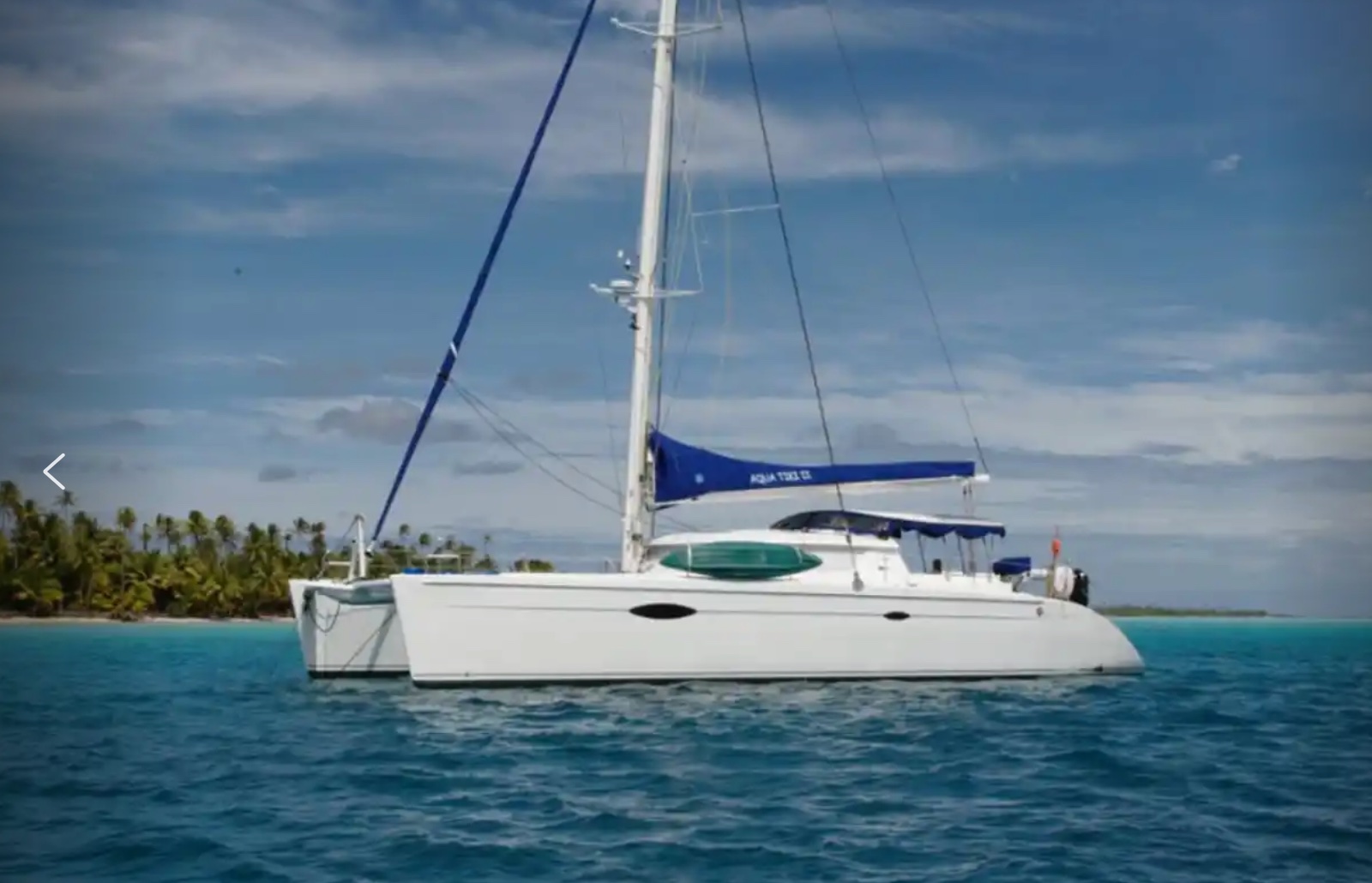
Aqua Tiki II
French Polynesia
8 guests
$579/day
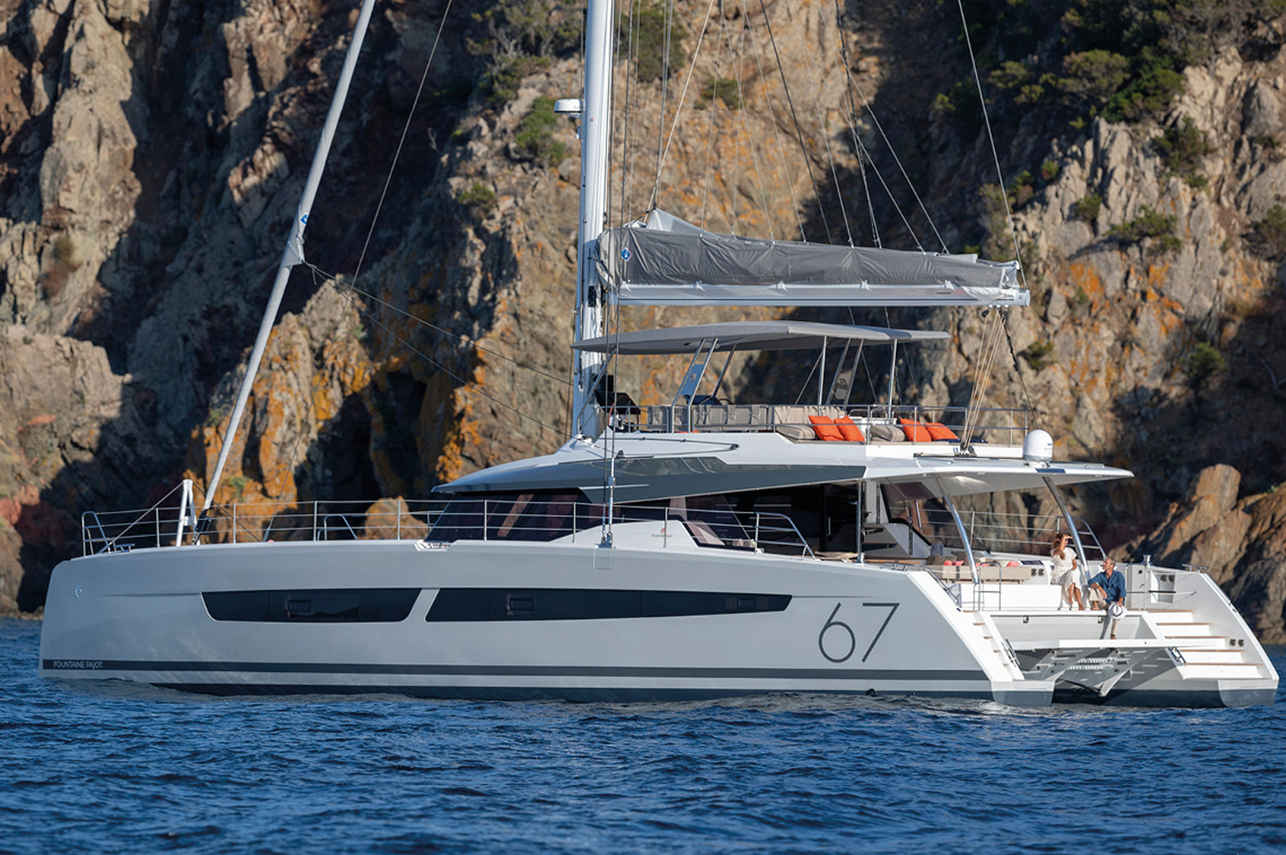
Aqua Tiki III
French Polynesia
10 guests20 m
$504/day
Dive sites similar to Bora Bora - White Valley
Same character, same waters — six more sites divers love for the exact same reasons.Compare seasons, access and liveaboard routes — then pick the site that fits your trip best.
© Esri — Maxar, Earthstar, GIS
Fakarava - Ohotu Reef
French Polynesia
Ohotu Reef, situated in Fakarava's immense Garuae Pass, is a premier dive destination within the UNESCO Biosphere Reserve of French Polynesia.
- Suitable for
- Advanced
- Current
- Strong
- Access
- Liveaboard or dayboat
- Depth
- 5–18 m
- Theme
- Drift / Reef
© Esri — Maxar, Earthstar, GIS
Moorea - Ray Corridor
French Polynesia
The Ray Corridor in Moorea offers an exhilarating drift dive experience within a natural lagoon, making it a favorite for divers seeking dynamic encounters.
- Suitable for
- Beginner
- Current
- Moderate
- Access
- Liveaboard or dayboat
- Depth
- 3–12 m
- Theme
- Drift / Reef
Taotoi, situated in Moorea, French Polynesia, is widely recognized as a premier location for divers seeking an accessible yet vibrant underwater experience.
- Suitable for
- Beginner
- Current
- Mild
- Access
- Dayboat
- Depth
- 9–19 m
- Theme
- Reef
© Esri — Maxar, Earthstar, GIS
The Windmill
French Polynesia
The Windmill is a renowned dive site located within Rangiroa's expansive Tiputa Pass, positioned on the right ocean-side slope.
- Suitable for
- Intermediate
- Current
- Moderate
- Access
- Liveaboard or dayboat
- Depth
- 25–26 m
- Theme
- Reef
Alibaba is a renowned drift dive located within the Garuae Pass in northern Fakarava, a UNESCO Biosphere Reserve in the Tuamotu Archipelago.
- Suitable for
- Intermediate
- Current
- Strong
- Access
- Liveaboard only
- Depth
- 5–30 m
- Theme
- Reef
© Esri — Maxar, Earthstar, GIS
The Crossing
French Polynesia
The Crossing is an advanced dive site located within Rangiroa’s famous Tiputa Pass, designed for highly experienced divers.
- Suitable for
- Expert
- Current
- Ripping
- Access
- Liveaboard or dayboat
- Depth
- 50–50 m
- Theme
- Reef