About Bora Bora - Tupitipiti
Tupitipiti Point is a renowned dive site located on the southeast outer reef of Bora Bora, celebrated for its unique underwater topography and rich marine biodiversity. This site features a steep drop-off that plunges into seemingly bottomless depths, adorned with striking purple corals and an array of colorful sponges. The dramatic landscape provides a haven for a variety of larger fish species, making it a compelling destination for experienced divers. Diving at Tupitipiti reveals a vibrant ecosystem thriving on the reef's wall and within its caves and faults. Expect encounters with pelagic life attracted to the deep, alongside reef dwellers that find shelter in the intricate coral formations. The conditions at Tupitipiti, including potential currents and depth, generally require good weather for safe and enjoyable exploration. Unlike the calm lagoon dives, Tupitipiti offers an exhilarating experience on the ocean side, where the pristine reef meets the deep blue. Divers can expect excellent visibility, allowing for clear views of the diverse marine inhabitants and the impressive underwater structures. This site perfectly encapsulates the allure of Bora Bora's offshore diving, combining spectacular scenery with abundant wildlife.
Highlights
Dramatic deep drop-offPurple corals and colorful spongesAbundant sharks and raysCaves and faults topographyLarge groupers and parrotfish
Season calendar
Best months to dive here
Jan
Feb
Mar
Apr
May
Jun
Jul
Aug
Sep
Oct
Nov
Dec
Excellent
Good
Dive site facts: Bora Bora - Tupitipiti
- Depth
- variable, steep drop-off
- Current
- variable, can be strong
- Visibility
- 30-40 m
- Water temperature
- 26-29°C
- Entry
- Boat
- Level
- Intermediate to Advanced
- Dive type
- Wall, drift
- Region / port
- Bora Bora, Society Islands
- Coordinates
- -16.55, -151.69
Conditions & Currents
Tupitipiti Point, being an outer reef dive, can experience currents, necessitating good weather conditions for safe diving. Divers should be prepared for potential strong currents along the steep drop-off. Visibility at this site is generally excellent, often exceeding 30 meters, contributing to a clear view of the deep wall and marine life. Water temperatures are consistently warm, averaging around 28°C year-round. Given its exposed location, the dive may involve negative entries and boat exits, with careful attention to surge and current direction required, particularly for intermediate to advanced divers.
Marine life & sighting chances

Lemon shark
occasional
Blacktip reef shark
occasional
White-tip shark
occasional
Gray reef shark
occasional
Leopard ray
occasional
Eagle ray
occasional
Grouper
common
Large parrotfish
common
School of jacks
occasional
School of barracudas
occasional
Dogtooth tuna
occasionalDive profile & how the dive runs
Entry at Tupitipiti Point is typically a negative entry from a tender directly onto the outer reef. Divers immediately descend along the steep drop-off, exploring its walls, faults, and small caves. The dive proceeds along the coral-rich face, keeping an eye out for pelagic species in the blue and reef inhabitants sheltering in crevices. Depths can vary significantly along the wall, but most of the interesting reef life is found within recreational limits. The turnaround point is often determined by gas consumption or current, and the ascent is made along the reef wall. A safety stop is typically conducted at a shallower depth, often near the top of the reef, before surfacing for a boat pick-up.
Underwater photography
Tupitipiti's dramatic deep drop-offs, vibrant purple corals, and diverse large marine life offer excellent photography opportunities. For wide-angle shots, a fisheye or wide-angle lens is ideal to capture the expansive wall and schooling fish. External strobes are recommended to bring out the true colors of the corals and sponges, especially at deeper sections. Be mindful of potential currents, which can make framing shots challenging; good buoyancy control is essential. When photographing larger subjects like sharks and rays, allow them space and avoid sudden movements to capture natural behavior.
Combine with nearby dive sites
- Bora Bora - Tapu
Known for abundant shark encounters, including lemon and blacktip sharks.
- Bora Bora - Anau
Famous for its manta ray cleaning station and consistent manta sightings.
- Moorea - Tiki Point
Features a stone Tiki statue and attracts numerous fish and various shark species.
- Moorea - The Canyons
Offers impressive lava structures and alleys with abundant sharks, rays, and turtles.
Getting there & logistics
Access to Bora Bora is typically via Faa'a International Airport (PPT) in Tahiti, followed by a domestic flight to Bora Bora Airport (BOB). Dive trips to Tupitipiti Point usually depart from dive centers located around Bora Bora. Many liveaboards and land-based dive packages combine dives across various Bora Bora sites, sometimes extending to other Society Islands. There are no specific park fees for diving at Tupitipiti, but standard dive operator costs apply. Most trips are day excursions, though multi-day packages are common, offering a comprehensive exploration of Bora Bora's dive offerings.
Safety & environment
The nearest recompression chamber for French Polynesia is located in Tahiti, necessitating robust dive planning and emergency procedures. Evacuation from Bora Bora to Tahiti involves domestic air travel, which can add significant time in an emergency. Divers must ensure they have comprehensive dive insurance covering medical emergencies and evacuation. At Tupitipiti Point, site-specific hazards include potential strong currents and deep drop-offs, requiring good buoyancy control and experience with drift diving. Always dive with a reputable operator, follow your dive guide's instructions, and stay within your certification limits.
Who it suits — and who it doesn't
Suited for
- Experienced divers comfortable with currents
- Underwater photographers seeking dramatic backdrops
- Divers interested in large pelagic encounters
- Marine life enthusiasts focusing on sharks and rays
- Wall diving aficionados
Less suited for
- Beginner divers
- Divers uncomfortable with deep dives
- Those prone to seasickness in open water
- Divers with limited experience in strong currents
- Snorkelers
FAQ
Bora Bora - Tupitipiti FAQ
What kind of marine life can I expect at Tupitipiti Point?
Tupitipiti Point is known for its diverse marine life, especially larger species. You can often see various sharks like lemon, blacktip, white-tip, and gray reef sharks, along with leopard rays and eagle rays. The reef itself hosts groupers, large parrotfish, and occasional schools of jacks and barracudas.
What are the typical diving conditions at Tupitipiti Point?
Being an outer reef dive, Tupitipiti Point can experience variable currents, sometimes strong, requiring good weather for optimal diving. Visibility is usually excellent, often between 30-40 meters, providing clear views of the impressive wall. Water temperatures remain warm throughout the year, typically 26-29°C.
Is Tupitipiti Point suitable for beginner divers?
Tupitipiti Point is generally not recommended for beginner divers. Its deep drop-offs and potential for strong currents make it more suitable for intermediate to advanced divers who are comfortable with these conditions and have good buoyancy control. There are calmer lagoon dives in Bora Bora better suited for beginners.
What is the best time of year to dive Tupitipiti Point?
The best time to dive Tupitipiti Point is during French Polynesia's dry season, which runs from April to September. During these months, the weather is typically calmer, less humid, and underwater visibility is at its peak, providing the best conditions for exploring this dynamic dive site.
Are there any specific safety considerations for diving at Tupitipiti Point?
Due to potential strong currents and deep sections, divers at Tupitipiti Point should be experienced and comfortable with drift diving techniques. Always dive with a reputable local operator and follow your guide's instructions. Ensure you have comprehensive dive insurance that covers emergency medical and evacuation costs, as the nearest recompression chamber is in Tahiti.
Why dive Bora Bora - Tupitipiti from a liveaboard?
Bora Bora - Tupitipiti is one of French Polynesia's signature dive sites. A liveaboard sleeps you on the water and puts you in the water for three to four guided dives per day, including dawn and night dives that day-boat operators rarely offer. You skip the daily commute back to port and reach quieter, less-crowded sites in the same region on a single trip.
Below are the liveaboards that include Bora Bora - Tupitipiti on their French Polynesia itineraries.
Liveaboards diving Bora Bora - Tupitipiti
These liveaboards may visit Bora Bora - Tupitipiti on selected itineraries — the exact dive sites depend on departure, weather and conditions.
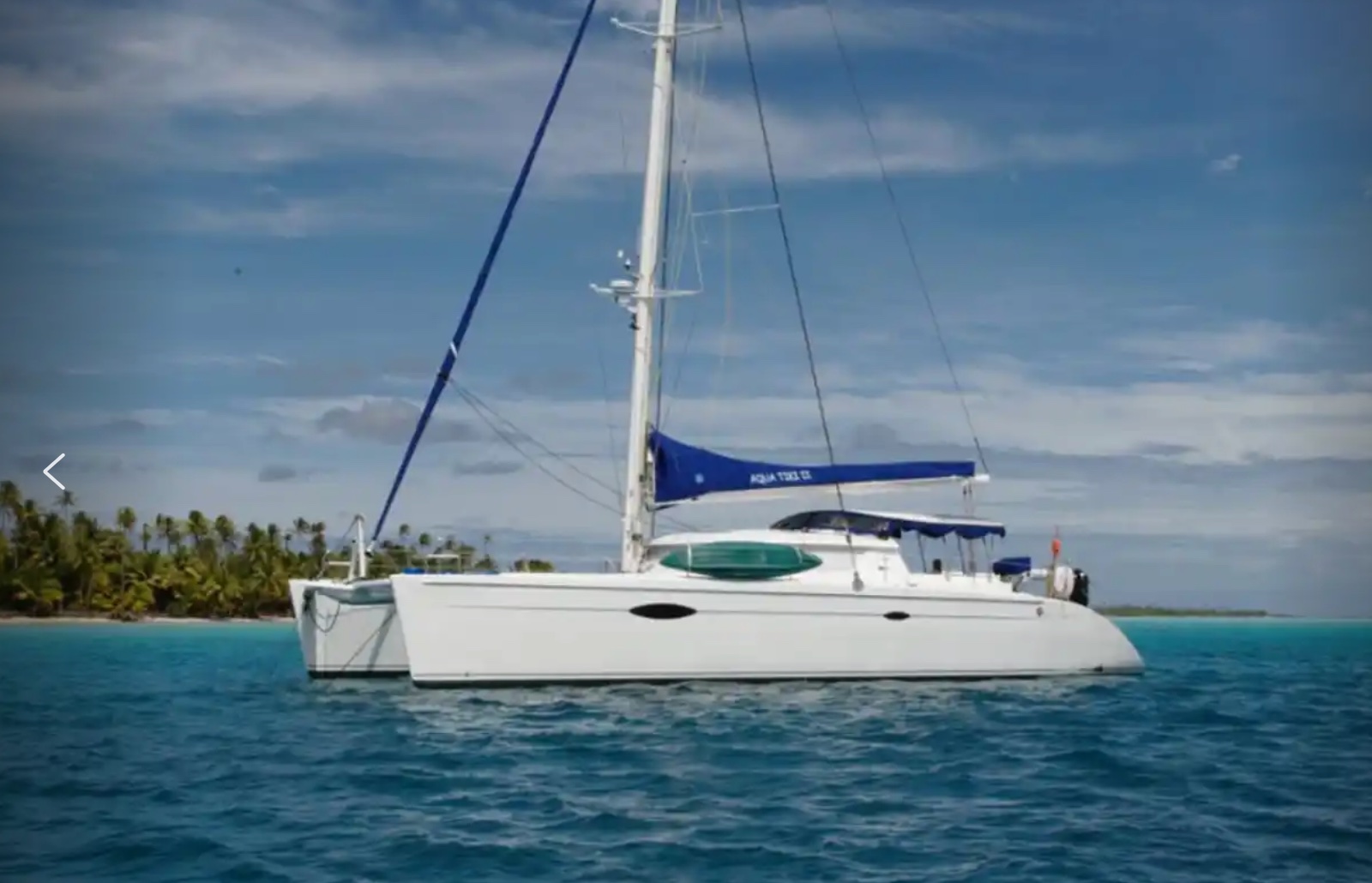
Aqua Tiki II
French Polynesia
8 guests
$576/day
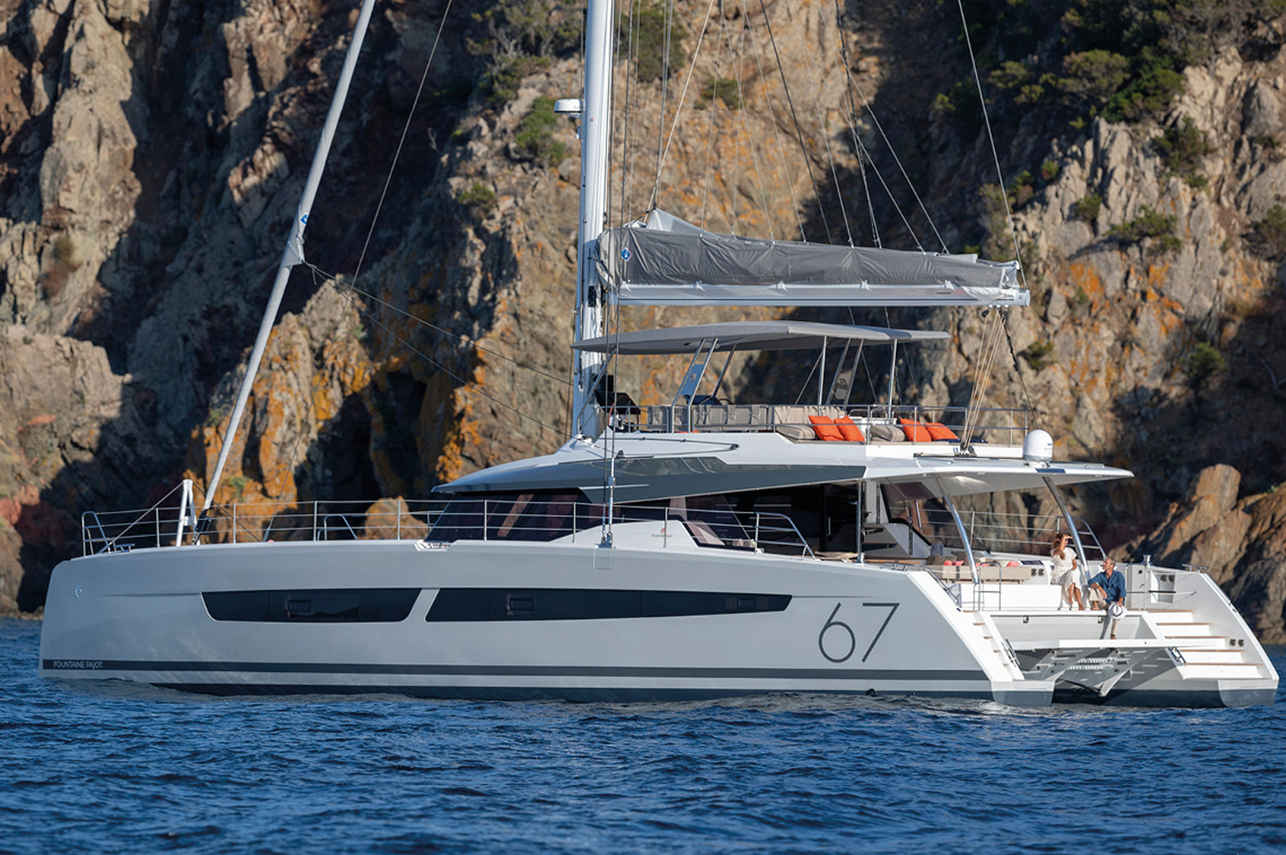
Aqua Tiki III
French Polynesia
10 guests20 m
$502/day
Dive sites similar to Bora Bora - Tupitipiti
Same character, same waters — six more sites divers love for the exact same reasons.Compare seasons, access and liveaboard routes — then pick the site that fits your trip best.
© Esri — Maxar, Earthstar, GIS
The Small Rose Garden & Coral Wall
French Polynesia
The Small Rose Garden & Coral Wall is one of Moorea's premier dive sites, located on the island's scenic north coast in the Society Islands of French Polynesia.
- Suitable for
- Intermediate
- Current
- Mild
- Access
- Dayboat
- Depth
- 11–20 m
- Theme
- Reef / Wall
© Esri — Maxar, Earthstar, GIS
The Valley of Sharks
French Polynesia
The Valley of Sharks is an exhilarating dive site located off Moorea, a short ferry ride from Tahiti in French Polynesia.
- Suitable for
- Advanced
- Current
- Strong
- Access
- Liveaboard or dayboat
- Depth
- 15–25 m
- Theme
- Cave & cavern / Channel
© Esri — Maxar, Earthstar, GIS
Moorea - Tiki Point
French Polynesia
Tiki Point is an outstanding dive site located off the picturesque island of Moorea in French Polynesia, easily accessible from Tahiti.
- Suitable for
- Beginner
- Current
- Strong
- Access
- Shore / dayboat
- Depth
- 5–20 m
- Theme
- Reef / Wall
© Esri — Maxar, Earthstar, GIS
Avatoru Pass
French Polynesia
Avatoru Pass is one of Rangiroa's prominent drift dive sites, renowned for its strong, predictable currents and abundant pelagic marine life.
- Suitable for
- Advanced
- Current
- Strong
- Access
- Liveaboard or dayboat
- Depth
- 8–30 m
- Theme
- Drift / Wall
© Esri — Maxar, Earthstar, GIS
Moorea - The Canyons
French Polynesia
The Canyons is a notable dive site located off the mythical Ōpūnohu Bay in Moorea, one of French Polynesia's easily accessible Society Islands.
- Suitable for
- Advanced
- Current
- Strong
- Access
- Shore / dayboat
- Depth
- 8–28 m
- Theme
- Cave & cavern / Channel
© Esri — Maxar, Earthstar, GIS
Makemo - Arikitamiro Pass
French Polynesia
Makemo's Arikitamiro Pass, situated in the remote Tuamotu Archipelago, stands out as one of French Polynesia's most pristine dive destinations.
- Suitable for
- Advanced
- Current
- Strong
- Access
- Liveaboard or dayboat
- Depth
- 10–30 m
- Theme
- Drift / Wall