About Moorea - Tiki Point
Tiki Point is an outstanding dive site located off the picturesque island of Moorea in French Polynesia, easily accessible from Tahiti. This region is famous for its vibrant marine biodiversity and offers exceptional diving experiences. Moorea, characterized by its lush volcanic landscapes and dramatic mountain peaks, provides a breathtaking backdrop to its rich underwater world. The site is especially celebrated for drawing in a diverse array of marine species, including numerous sharks. Underwater, Tiki Point features an intricate topography that supports a wide variety of marine life. While specific geological details such as extensive walls are not explicitly detailed, the environment attracts both pelagic and reef-dwelling species. Depths in Moorea's dive sites generally accommodate a range of skill levels, from beginner-friendly lagoons to more advanced offshore dives. Marine life at Tiki Point is abundant and includes frequent sightings of various shark species, such as lemon and blacktip sharks, which makes it a thrilling location for shark encounters. Divers can also expect to see a rich assortment of reef fish. The consistent water temperatures, typically between 26°C and 29°C (78°F to 84°F) year-round, ensure comfortable diving conditions. Excellent visibility, often exceeding 30 meters (100 feet), enhances the opportunity to observe the thriving ecosystem. This dive site is particularly suitable for underwater photographers due to the presence of varied critters and active shark populations. The overall diving experience at Tiki Point is highly rewarding for those seeking vibrant marine encounters in clear, warm waters.
Highlights
Underwater photography opportunitiesLemon and blacktip sharksVarious marine crittersAccessible from MooreaExcellent visibilityThriving reef ecosystem
Season calendar
Best months to dive here
Jan
Feb
Mar
Apr
May
Jun
Jul
Aug
Sep
Oct
Nov
Dec
Excellent
Good
Off-Season
May – Oct (Dry Season)
Best visibility up to 40m. Humpback whales Jul–Nov. Shark wall at Fakarava peaks Jun–Jul (grouper spawning). Ideal conditions.
Feb – Apr & Nov (Transition)
Improving/declining conditions. Still good diving, occasional rain. Fewer tourists, good value.
Dec – Jan (Wet/Cyclone Season)
Peak wet season with reduced visibility, rough seas possible. Cyclone risk. Some operators still run trips to Rangiroa and Fakarava.
Dive site facts: Moorea - Tiki Point
- Depth
- 5–20 m
- Current
- Strong
- Visibility
- 30 m+
- Water temperature
- 26–29°C
- Entry
- Boat
- Level
- Beginner
- Dive type
- Reef, Reef, Wall
- Region / port
- Moorea, Society Islands
- Coordinates
- -17.53, -149.91
Conditions & Currents
While specific current information for Tiki Point is not detailed, Moorea's dive sites can experience varying conditions. Some sites in the region are known for strong, unpredictable currents that attract pelagic species and necessitate drift diving techniques, often requiring confident and experienced divers. Visibility at Tiki Point consistently exceeds 30 meters, contributing to an enhanced viewing experience. Water temperatures remain stable throughout the year, between 26-29°C, ensuring comfortable diving. Divers should always attend the dive guide's briefing for site-specific conditions and entry/exit procedures.
Marine life & sighting chances

Lemon shark
Year-round · common
Blacktip reef shark
Year-round · common
Green sea turtle
Year-round · common
Hawksbill turtle
Year-round · common
Dolphin
Year-round · occasional
Humpback whale
August-November · occasional
Eagle ray
Year-round · occasional
Stingray
Year-round · common
Moray eel
Year-round · commonDive profile & how the dive runs
Dives at Tiki Point typically begin with a boat drop, after which divers descend to explore the reef. The route usually involves navigating along the varied underwater topography, which includes areas with an intricate mix of coral formations and sandy patches. Divers will cruise at depths suitable for observing the diverse marine life, keeping an eye out for various shark species and smaller critters. The dive path is guided to maximize encounters with both pelagic and reef inhabitants, utilizing the excellent visibility for optimal viewing. The turnaround point is determined by air consumption and bottom time, after which divers will make a gradual ascent. Safety stops are typically conducted in shallower areas, allowing for a relaxed final few minutes before surfacing for boat pick-up.
Underwater photography
Tiki Point is a favored spot for underwater photographers due to its combination of varied critters and active shark populations. A wide-angle lens is ideal for capturing the dynamic shark action and the overall reefscape, especially with the excellent visibility that often exceeds 30 meters. For macro enthusiasts, a macro lens is highly recommended to focus on the smaller, intricate marine life that can be found. While natural light is often sufficient in shallower areas, external strobes will enhance colors and sharpness, making subjects pop. Good buoyancy control is crucial for stable shots and to avoid disturbing the sand or corals, allowing for respectful observation and photography of the abundant marine life.
Combine with nearby dive sites
- Moorea - The Canyons
Known for impressive lava structures and alleys with abundant sharks, rays, and turtles.
- Moorea - Ray Corridor
Offers a good drift dive through a natural lagoon, with frequent sightings of eagle rays.
- Moorea - The Roses
Features rose-shaped corals and frequent shark pass-bys, suitable for experienced divers.
- Tahiti - The Aquarium
A good site for beginner divers with shallow depths and diverse reef fish.
Getting there & logistics
Access to Moorea and Tiki Point typically involves flying into Faa’a International Airport (PPT) in Papeete, Tahiti. From Tahiti, Moorea is a short and affordable ferry ride away. Dive trips to Moorea often range from a few days to a week, combining several local sites. Many liveaboards and land-based operators offer packages that include dives at Tiki Point, often integrated into a broader French Polynesia itinerary exploring the Society or Tuamotu Islands. No specific permits beyond standard dive certifications are usually required for recreational diving.
Safety & environment
The nearest recompression chamber for Moorea is located in Papeete, Tahiti, underscoring the necessity of meticulous dive planning and emergency preparedness. Divers must hold comprehensive dive insurance, such as DAN, to cover potential medical emergencies and the logistical complexities of emergency evacuations in this remote region. Site-specific hazards at Tiki Point may include varying currents, so good buoyancy control and adherence to dive guide instructions are essential. Always dive with a reputable operator, respect marine life, and remain within your certification limits.
Who it suits, and who it doesn't
Suited for
- Underwater photographers
- Divers seeking shark encounters
- Divers comfortable with boat entries
- Intermediate to advanced divers
Less suited for
- Beginner divers without drift experience
- Divers uncomfortable with active pelagic life
- Divers without good buoyancy control
FAQ
Moorea - Tiki Point FAQ
What kind of sharks can I expect to see at Tiki Point?
At Tiki Point, you can frequently encounter lemon sharks and blacktip reef sharks. These species are a common highlight, providing exciting opportunities for divers to observe them in their natural habitat.
Is Tiki Point suitable for underwater photography?
Yes, Tiki Point is particularly recommended for underwater photographers. The site offers a rich diversity of marine critters and active shark populations, providing excellent subjects for both wide-angle and macro photography, especially with the clear visibility.
What are the water conditions like at Tiki Point?
The water at Tiki Point typically has excellent visibility, often exceeding 30 meters (100 feet). Water temperatures are consistently warm, ranging from 26°C to 29°C (78°F to 84°F) year-round, ensuring comfortable diving conditions.
How do I get to Tiki Point?
To reach Tiki Point, you first fly into Faa’a International Airport (PPT) in Papeete, Tahiti. From there, you take a short ferry ride to Moorea. Dive operators on Moorea will then take you to the dive site by boat.
What other marine life might I see besides sharks?
Beyond the prominent shark encounters, divers at Tiki Point can expect to see a variety of reef fish and other marine critters. Occasional sightings of dolphins, eagle rays, and stingrays are also possible, contributing to a rich underwater experience.
Why dive Moorea - Tiki Point from a liveaboard?
Moorea - Tiki Point is one of French Polynesia's signature dive sites. A liveaboard sleeps you on the water and puts you in the water for three to four guided dives per day, including dawn and night dives that day-boat operators rarely offer. You skip the daily commute back to port and reach quieter, less-crowded sites in the same region on a single trip.
Below are the liveaboards that include Moorea - Tiki Point on their French Polynesia itineraries.
Liveaboards diving Moorea - Tiki Point
These liveaboards may visit Moorea - Tiki Point on selected itineraries, the exact dive sites depend on departure, weather and conditions.
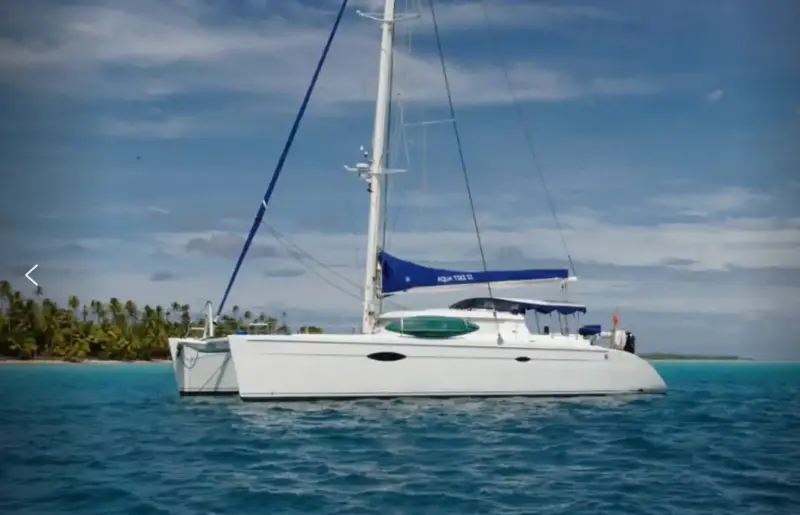
Aqua Tiki II
French Polynesia
8 guests
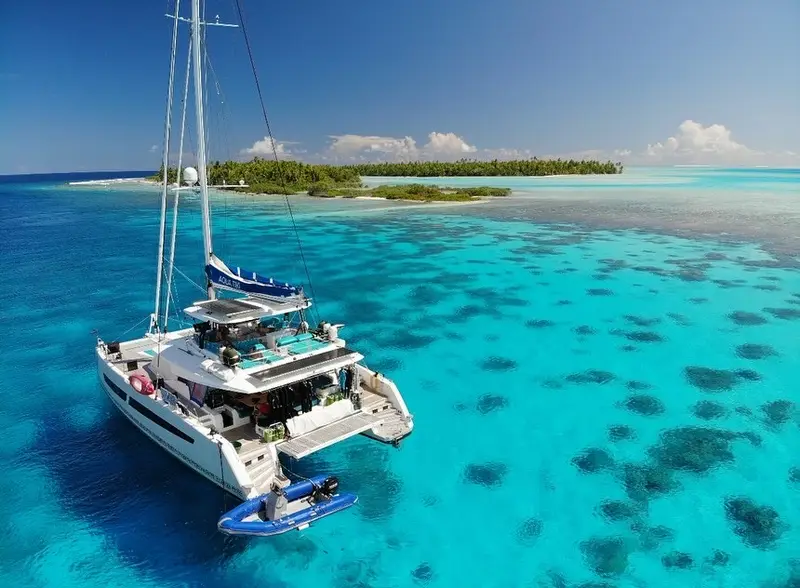
Aqua Tiki III
French Polynesia
10 guests20 m
Dive sites similar to Moorea - Tiki Point
Same character, same waters, six more sites divers love for the exact same reasons.Compare seasons, access and liveaboard routes, then pick the site that fits your trip best.
© EsriMaxar, Earthstar, GIS
Agincourt Reef
Australia
Agincourt Reef sits on the outer edge of the Great Barrier Reef, roughly 60–72 km off Port Douglas in Far North Queensland, at the southern end of the true ribbon reefs that run…
- Suitable for
- Beginner
- Current
- Moderate
- Access
- Dayboat
- Depth
- 2–20 m
- Theme
- Reef / Wall
Ahe Atoll, a remote and authentic destination in French Polynesia, offers a dive experience deeply intertwined with its local pearl farming community.
- Suitable for
- Advanced
- Current
- Strong
- Access
- Liveaboard or dayboat
- Depth
- 5–22 m
- Theme
- Channel / Drift
© EsriMaxar, Earthstar, GIS
Alacrity Shoal
Fiji
Alacrity Shoal is a premier dive site in Fiji, renowned for its spectacular drift diving opportunities and rich marine biodiversity.
- Suitable for
- Advanced
- Current
- Strong
- Access
- Liveaboard or dayboat
- Depth
- 12–40 m
- Theme
- Drift / Seamount
Alibaba is a renowned drift dive located within the Garuae Pass in northern Fakarava, a UNESCO Biosphere Reserve in the Tuamotu Archipelago.
- Suitable for
- Intermediate
- Current
- Strong
- Access
- Liveaboard only
- Depth
- 5–30 m
- Theme
- Reef
© EsriMaxar, Earthstar, GIS
Aliko Reef
Micronesia
Aliko Reef is a prominent dive site within Yap, Micronesia, characterized by a captivating underwater topography that blends a mini-wall with an expansive coral plateau.
- Suitable for
- Intermediate
- Current
- Mild
- Access
- Dayboat
- Depth
- 6–15 m
- Theme
- Reef / Wall
© EsriMaxar, Earthstar, GIS
Amity Point
Australia
Amity Point is a popular shore diving destination located at the northwestern tip of North Stradbroke Island, within the protected waters of Moreton Bay.
- Suitable for
- Beginner
- Current
- Moderate
- Access
- Shore / dayboat
- Depth
- 5–15 m
- Theme
- Reef