Leopard Seal
Hydrurga leptonyx
About Leopard Seal
The Leopard Seal is one of Antarctica's most formidable predators, named for its spotted coat and powerful jaws. Growing up to 3.5 meters long, these agile hunters feed on penguins, fish, squid, and even other seals. Known for their curious and sometimes bold behavior around divers and boats, leopard seals are iconic inhabitants of the Southern Ocean.
Quick Facts
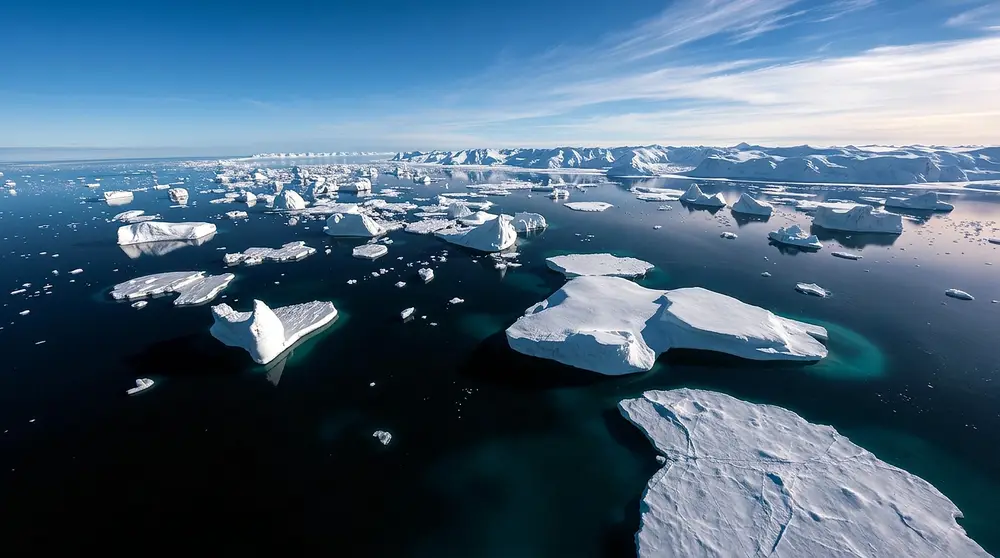
- Habitat: The leopard seal, *Hydrurga leptonyx*, is a formidable predator primarily found in the **ice-covered waters of the Southern Ocean**, encircling Antarctica. They are pelagic but frequent the **pack ice zone**, using ice floes as resting and breeding platforms. While their core range is circum-Antarctic, individuals, particularly younger animals, can occasionally disperse north to subantarctic islands. Sightings have been recorded in the Falkland Islands (Malvinas), South Georgia, and even as far as the **coasts of southern Australia and New Zealand**, though these are less common. During the austral summer, from December to March, they are widely distributed around the Antarctic continent, often found near **research stations like Palmer Station** on the Antarctic Peninsula or within the **Weddell and Ross Seas**. In winter, they are believed to remain associated with the pack ice, though their movements become less understood due to the challenging conditions. Their preference for the **edge of the receding ice** in summer makes certain areas, like the **Gerlache Strait**, prime viewing spots for expedition divers.
- Diet: Leopard seals are apex predators with a remarkably diverse diet, making them **opportunistic and adaptable hunters**. Their primary prey source is **krill**, which they strain from the water using specialized lobed teeth, particularly smaller, younger seals. However, as they mature, their diet shifts significantly to include a high proportion of **warm-blooded prey**. They are well-known for preying on **penguins**, ambushing them from below as they enter or exit the water. Their powerful jaws and sharp teeth are adapted for grasping and tearing, allowing them to dispatch penguins and even other seals, including **crabeater seals and young Weddell seals**. They also consume various species of **fish and cephalopods**, such as squid. Hunting generally occurs in the water, where their agile bodies allow for swift pursuit. Cases of them **attacking and killing other seals** have been documented, highlighting their predatory dominance in the Antarctic ecosystem. Their feeding strategy makes them crucial for **maintaining balance** in their polar environment.
- Best season: The **austral summer**, extending from **late November to March**, is the optimal period for encountering leopard seals during a dive expedition. During these months, the **Antarctic pack ice recedes**, allowing expedition vessels access to areas rich in marine life, including penguins and other seals, which are key prey items for leopard seals. This period also coincides with the leopard seal breeding season, meaning adults are more active and can be seen resting on ice floes or patrolling near shorelines. Specific locations like the **Antarctic Peninsula** and its surrounding islands, such as **Deception Island** or the waters around **South Georgia**, offer excellent opportunities during this window. While sightings can occur outside this period, access is severely limited by extensive ice coverage and extreme weather. Divers venturing to the **Gerlache Strait** or the bays around **Elephant Island** in **January and February** will have the highest probability of an encounter, as the weather is generally more stable and the seals are actively hunting and hauling out. The extended daylight hours in summer also prove beneficial for observation.
Fun Facts
They are the only true seal known to regularly prey on warm-blooded animals,One photographer reported a leopard seal bringing him live penguins as 'gifts',Their massive jaws can open nearly 160 degrees,They can sleep floating at the surface, with one eye open
Diving Tips
Encountering a leopard seal underwater is an extraordinary experience, but requires **extreme caution and respect** due to their predatory nature. Divers should always maintain a **safe and respectful distance**, at least 15-20 meters, and never approach a seal directly, especially if it appears to be actively hunting or resting. **Avoid sudden movements or splashing**, which could be perceived as a challenge or an injured prey item. Pay close attention to its body language; an animal raising its head with an open mouth displaying teeth is a clear **warning sign**. Always dive with a **qualified and experienced guide** who is familiar with large marine mammal behavior and local regulations. If a leopard seal shows interest and begins to approach, remain calm, **maintain eye contact**, and position yourself to appear as large as possible, perhaps by extending your arms and fins. Slowly and calmly retreat, avoiding any actions that could provoke it. **Never feed or harass** these animals; it is illegal and dangerous. Always have a **buddy system** in place. In some very specific and regulated areas, such as the Antarctic Peninsula, controlled photography from a distance might be possible, but **safety is paramount**. Ensure all equipment is secure, as a curious seal might investigate. Remember, you are a visitor in their environment, and their powerful jaws and speed demand the **utmost respect and vigilance**.