About Argentine Islands - Vernadsky
Diving at the Argentine Islands, near the Vernadsky Research Base, offers an exclusive opportunity to explore the underwater world of the Antarctic Peninsula. This region, characterized by its dramatic ice-sculpted topography and nutrient-rich waters, provides a vibrant habitat for diverse cold-water species. The expedition-style diving here is dependent on ice and weather conditions, making each descent a unique adventure into a rarely seen realm. The underwater landscape around the Argentine Islands features rocky walls, kelp forests, and areas scoured by icebergs, creating varied micro-habitats. Depths typically range from 5 to 20 meters, allowing for extended bottom times at safe recreational limits. The water temperature hovers just below freezing, necessitating specialized dry suit equipment and advanced cold-water diving experience. Marine life sightings are a highlight, with opportunities to encounter various seals, including Weddell and Leopard seals, and a fascinating array of invertebrates like colorful anemones, sea stars, and unique isopods. While phytoplankton blooms can affect visibility, they are also the basis of the rich ecosystem that attracts these creatures. The best time to dive for optimal conditions and wildlife activity is during the Antarctic summer months. Divers here embark on Zodiacs from expedition ships, typically performing one to two dives per day. The focus is often on immersive experiences with the environment, allowing divers to appreciate the subtle beauty and resilience of polar ecosystems. This is a destination for experienced dry suit divers seeking a true wilderness adventure.
Highlights
Iceberg formations underwaterEncounters with Weddell sealsVibrant invertebrate lifeRare Antarctic fish speciesExpedition-style polar divingUnique underwater topographyRich phytoplankton ecosystem
Season calendar
Best months to dive here
Jan
Feb
Mar
Apr
May
Jun
Jul
Aug
Sep
Oct
Nov
Dec
Excellent
Good
Dive site facts: Argentine Islands - Vernadsky
- Depth
- 5–20 m
- Typical dive
- 15–30 min
- Current
- Mild to moderate
- Visibility
- 15–25 m
- Water temperature
- -2°C to 2°C
- Entry
- Zodiac / negative entry
- Level
- Advanced, dry suit experience mandatory
- Dive type
- Ice diving, wall diving, macro
- Night dive
- Not typical / limited
- Region / port
- Antarctic Peninsula
- Coordinates
- -65.245, -64.25
Conditions & Currents
Currents around the Argentine Islands are generally manageable within sheltered bays and inlets, which are typically chosen for dive sites. However, conditions can change rapidly, and strong winds can generate significant swells in open waters, impacting dive plans. Visibility can range from 15–25 meters, but may drop sharply during plankton blooms, which are more prevalent in warmer months. Water temperatures consistently stay between -2°C and 2°C, demanding excellent thermal protection and experience with cold shock response. Divers should always be aware of potential changes in entry and exit points due to shifting ice, and dive guides typically remain on the surface for safety and monitoring.
Marine life & sighting chances

Weddell Seal
common
Leopard Seal
occasional
Crabeater Seal
common
Anemone
common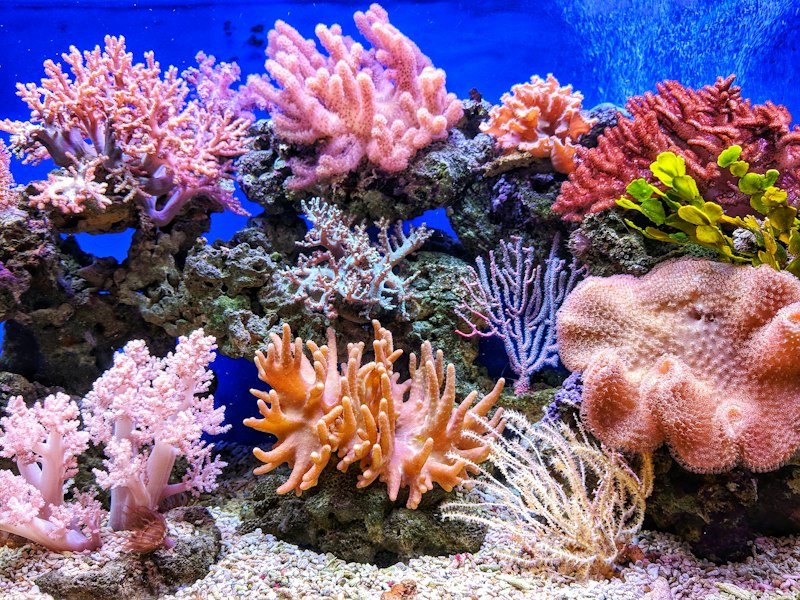
Soft Coral
common
Sea Star
common
Isopod
common
Icefish
occasional
Antarctic Jellyfish
occasional
Kelp
commonDive profile & how the dive runs
Dives around the Argentine Islands typically begin with a Zodiac launch from the liveaboard. After a negative entry to conserve warmth, divers descend along ice-sculpted rock walls or explore the benthos at depths ranging from 5 to 20 meters. The route often involves tracing the contours of the underwater terrain, observing various invertebrates clinging to rocks and ice. Visibility can be quite clear, allowing for appreciation of the unique light filtering through the ice formations. Dives are typically short, lasting 15 to 30 minutes, due to the extreme cold. Turn points are often guided by air consumption and thermal comfort, with safety stops performed at shallow depths before surfacing to the awaiting Zodiac, which constantly monitors for shifting ice.
Underwater photography
Underwater photography at the Argentine Islands demands specific considerations due to the challenging conditions. Wide-angle lenses are effective for capturing the dramatic ice formations and the vastness of the underwater landscape, especially when visibility is good. For macro subjects like the diverse invertebrates, a macro lens is essential. External strobes are highly recommended to bring out the vibrant colors of soft corals and anemones, which often appear muted in natural light. Divers must master their dry suit buoyancy to avoid disturbing delicate life and maintain stability for clear shots in cold, often particulate-rich water. Practice adjusting camera settings with thick gloves beforehand, as fumbling can be challenging in the frigid environment.
Combine with nearby dive sites
- Cuverville Island
Known for gentoo penguin rookeries and diverse marine invertebrates.
- Port Lockroy
A historic British base with nearby dive opportunities.
- Iceberg Graveyard - Pleneau Island
Features stunning ice formations and unique underwater topography.
- Neko Harbour
Offers glacial backdrops and seal encounters.
- Deception Island - Whaler's Bay
A volcanic caldera with geothermal activity and unique underwater features.
Getting there & logistics
Access to the Argentine Islands for diving is exclusively via expedition liveaboard vessels, typically departing from Ushuaia, Argentina. Ushuaia (USH) is reachable by a 3–4 hour flight from Buenos Aires or other South American hubs. Trips usually last 11–16 days, including the 2–3 day Drake Passage crossing each way. Divers should plan for pre- and post-trip accommodation in Ushuaia. These expeditions are all-inclusive, covering diving, meals, and other excursions. There are no specific park fees for diving at this location beyond the expedition cost, but a medical clearance and significant cold-water dry suit experience are mandatory for participation.
Safety & environment
Diving in Antarctica presents significant safety considerations due to its remote nature. The nearest recompression chambers are located far away, necessitating conservative dive profiles and strict adherence to no-decompression limits. Divers must have comprehensive travel insurance that explicitly covers remote polar diving and emergency medical evacuation, as evacuation can be complex and time-consuming. Site-specific hazards include rapidly changing weather, shifting ice, and extreme cold, which can impact equipment function and diver physiology. Dive operators enforce strict protocols, including buddy systems and surface tenders who monitor divers and potential ice movement. Confidence in dry suit diving and the ability to manage cold shock response are critical for diver safety.
Who it suits — and who it doesn't
Suited for
- Experienced dry suit divers
- Advanced cold-water divers
- Photographers seeking unique subjects
- Adventure seekers and explorers
- Divers interested in polar marine biology
Less suited for
- Beginner divers
- Divers without extensive dry suit experience
- Those prone to seasickness on rough crossings
- Divers expecting tropical-style amenities
- Individuals without specific medical clearance for polar diving
FAQ
Argentine Islands - Vernadsky FAQ
What kind of certification do I need to dive at Argentine Islands?
To dive in this region, you typically need an advanced diving certification, substantial experience with dry suit diving, and often specific cold-water or ice diving training. Most operators require a minimum of 30 logged dry suit dives, with some specifying dives below 4°C in the last two years. You must also provide a medical clearance from a doctor.
What is the water temperature like around Argentine Islands?
The water temperature in the Argentine Islands is consistently cold, usually ranging from -2°C to 2°C (28°F to 36°F). This extreme cold mandates the use of a dry suit with multiple layers of thermal undergarments to ensure diver safety and comfort during your underwater explorations.
How long do dives typically last in this area?
Due to the frigid water temperatures and the expeditionary nature of the dives, typical dive durations are relatively short, usually ranging from 15 to 30 minutes. The focus is often on quality encounters and safe exposure to the cold, rather than extended bottom times, to prevent hypothermia and conserve air in demanding conditions.
What marine life can I expect to see underwater?
Beneath the ice, you can expect to see an array of unique cold-water marine life. This includes various species of seals like Weddell and Leopard seals, vibrant invertebrates such as anemones, sea stars, soft corals, and fascinating isopods. You might also encounter specialized Antarctic fish species that have adapted to the extreme conditions.
How is the visibility for diving?
Visibility around the Argentine Islands can be quite good, often ranging from 15 to 25 meters (50 to 80 feet). However, it can fluctuate depending on the season, with plankton blooms in warmer months potentially reducing clarity. During late winter or early spring, visibility can be exceptional due to reduced biological activity.
Why dive Argentine Islands - Vernadsky from a liveaboard?
Argentine Islands - Vernadsky is one of Antarctica's signature dive sites. A liveaboard sleeps you on the water and puts you in the water for three to four guided dives per day, including dawn and night dives that day-boat operators rarely offer. You skip the daily commute back to port and reach quieter, less-crowded sites in the same region on a single trip.
Below are the liveaboards that include Argentine Islands - Vernadsky on their Antarctica itineraries.
Liveaboards diving Argentine Islands - Vernadsky
These liveaboards may visit Argentine Islands - Vernadsky on selected itineraries — the exact dive sites depend on departure, weather and conditions.
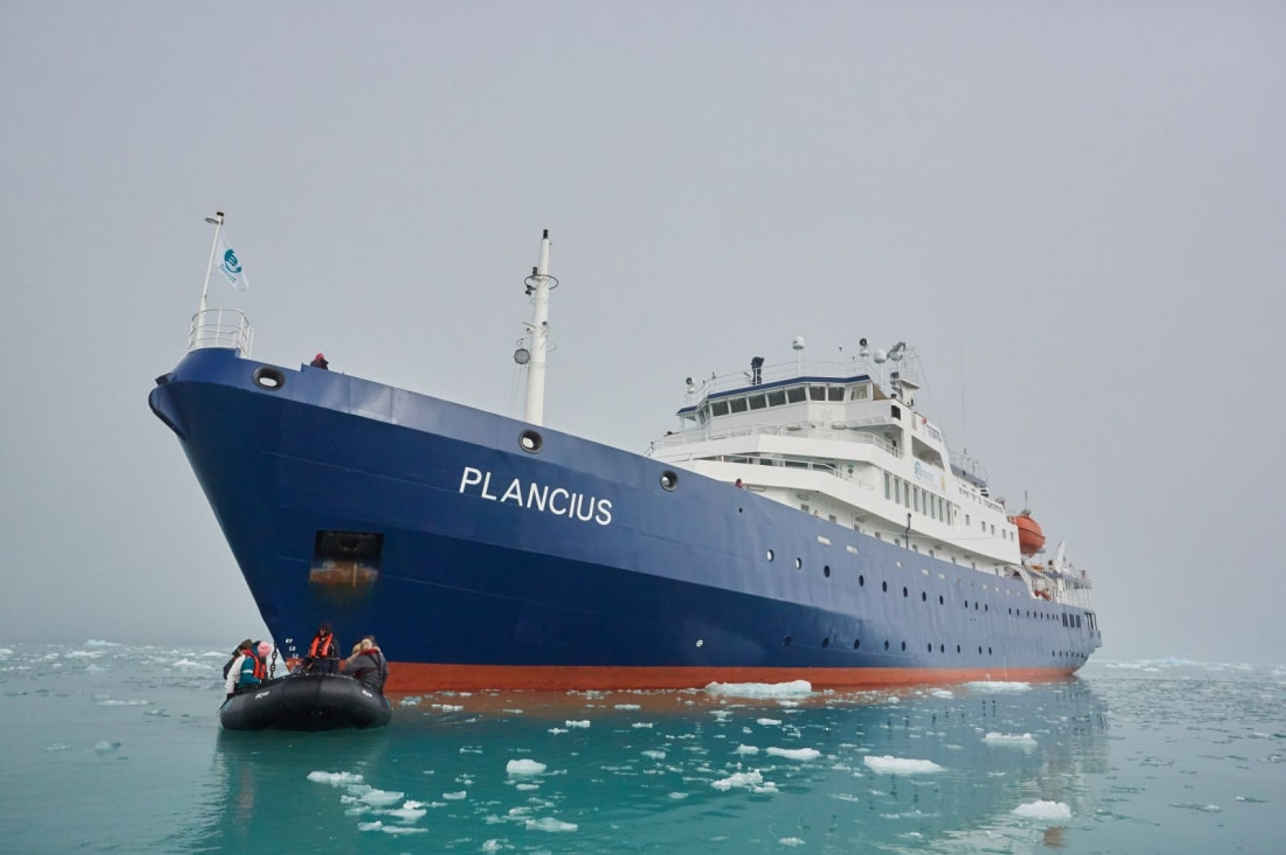
Plancius
Antarctica
108 guests89 m
$767/day
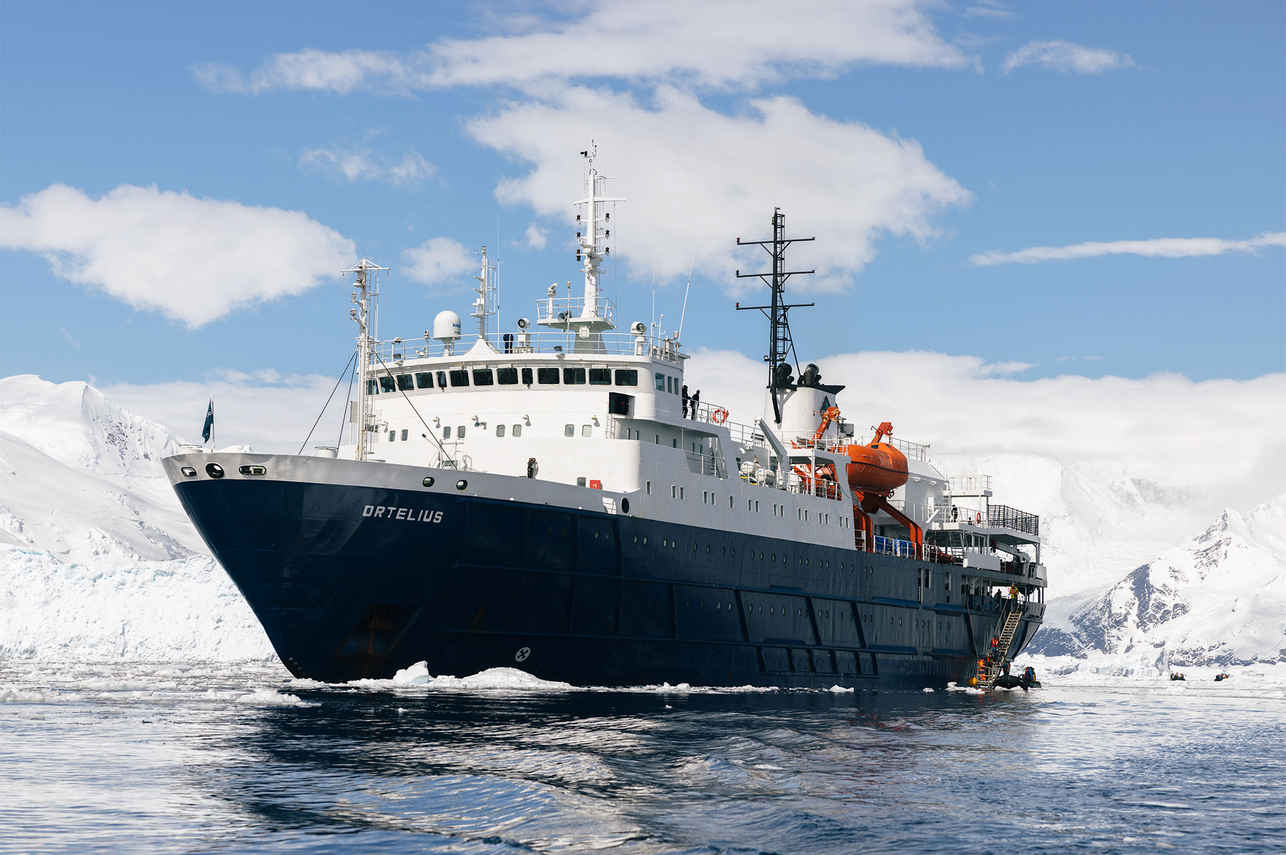
Ortelius
Antarctica
108 guests90.95 m
$658/day
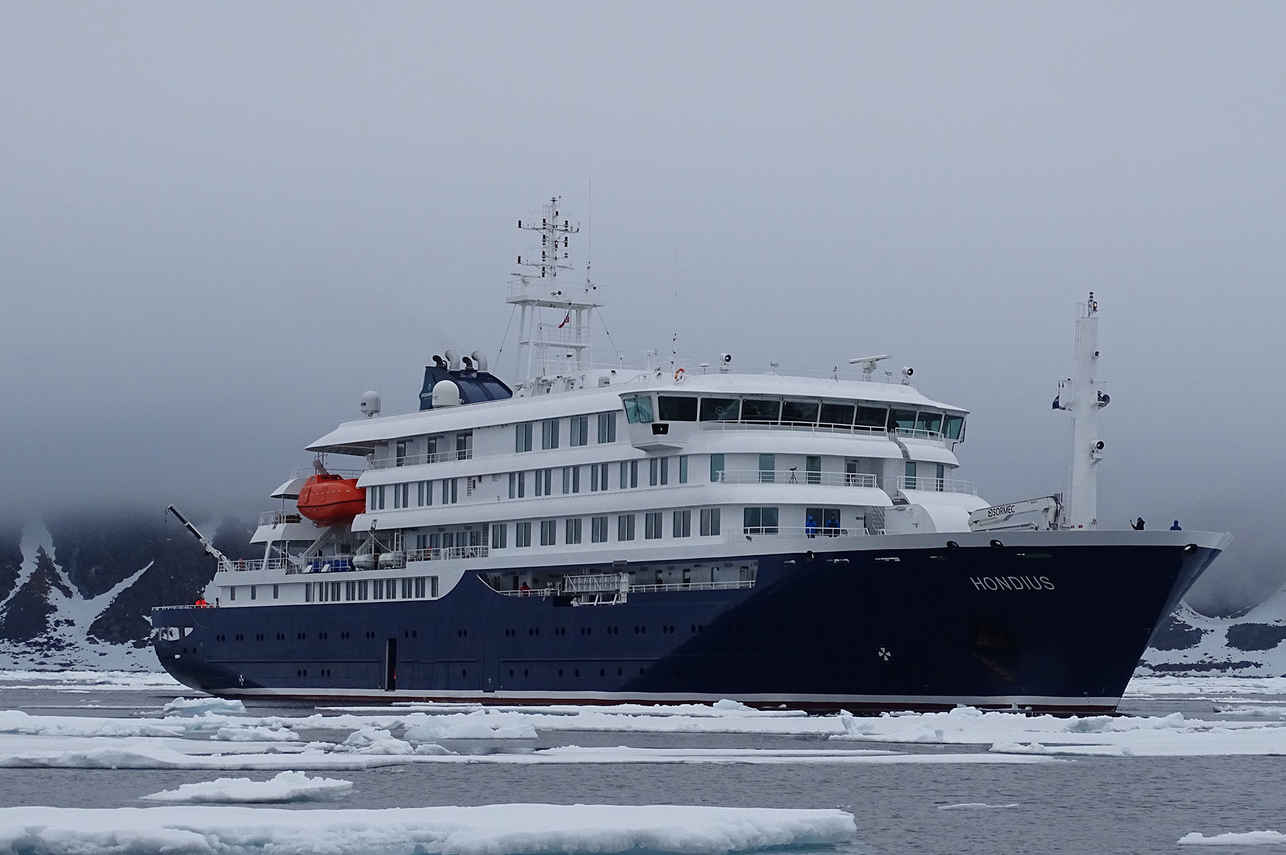
Hondius Antarctica Diving
Antarctica
170 guests107.6 m
$771/day
Dive sites similar to Argentine Islands - Vernadsky
Same character, same waters — six more sites divers love for the exact same reasons.Compare seasons, access and liveaboard routes — then pick the site that fits your trip best.
© Esri — Maxar, Earthstar, GIS
Lemaire Channel
Antarctica
Lemaire Channel, a narrow passage between the Antarctic mainland and Booth Island, presents a truly majestic and impressive dive experience.
- Suitable for
- Advanced
- Current
- Strong
- Access
- Liveaboard only
- Depth
- 5–30 m
- Theme
- Ice / Wall
© Esri — Maxar, Earthstar, GIS
Useful Island
Antarctica
Useful Island, situated in the Western Antarctic Peninsula, presents an extraordinary opportunity for intrepid divers to explore a shallow-water ecosystem brimming with biodiversity.
- Suitable for
- Advanced
- Current
- Strong
- Access
- Liveaboard only
- Depth
- 5–25 m
- Theme
- Ice / Wall
© Esri — Maxar, Earthstar, GIS
Wilhelmina Bay
Antarctica
Wilhelmina Bay, nestled in the Antarctic Peninsula, is renowned as a prime location for observing humpback whales and experiencing the continent's pristine marine environment.
- Suitable for
- Advanced
- Current
- Moderate
- Access
- Liveaboard only
- Depth
- 5–20 m
- Theme
- Ice / Wall
© Esri — Maxar, Earthstar, GIS
under the iceberg scour
Antarctica
Diving in Antarctica offers a unique experience beneath its frigid waters, a stark contrast to typical warm-water destinations.
- Suitable for
- Advanced
- Current
- Moderate
- Access
- Liveaboard only
- Depth
- ≤ 70 m
- Theme
- Reef
© Esri — Maxar, Earthstar, GIS
Enterprise Island - Wreck Gouvernøren
Antarctica
The wreck of the Gouvernøren, nestled at Enterprise Island, stands as Antarctica's most accessible and atmospheric shipwreck.
- Suitable for
- Advanced
- Current
- Mild
- Access
- Liveaboard only
- Depth
- 5–18 m
- Theme
- Ice / Wreck
© Esri — Maxar, Earthstar, GIS
Foyn Harbour
Antarctica
Foyn Harbour, situated off the coast of the Antarctic Peninsula, offers a truly unique underwater experience, primarily centered around the wreck of the 'Gouvernøren'.
- Suitable for
- Advanced
- Current
- Mild
- Access
- Liveaboard only
- Depth
- 5–15 m
- Theme
- Ice / Wreck