About Useful Island
Useful Island, situated in the Western Antarctic Peninsula, presents an extraordinary opportunity for intrepid divers to explore a shallow-water ecosystem brimming with biodiversity. The region is known for its rapid environmental changes, including shifts in sea ice and glacier retreat, yet its inter- and subtidal zones host a remarkable array of life. This site offers a unique perspective on Antarctic marine ecology, allowing divers to witness species adapted to extreme cold. The underwater topography around Useful Island features shallow areas, often around 10-20 meters deep, with occasional deeper sections. The dive environment is characterized by stunning ice formations, walls of kelp, and a seafloor adorned with various invertebrates. Divers can expect encounters with a vibrant benthic community, including sponges and anemones that add unexpected color to the frigid landscape. The marine life here is diverse, with high concentrations of krill attracting larger predators. While the specific seasonality for individual species at Useful Island isn't detailed, the broader Antarctic diving season from November to March generally offers increased wildlife activity. February and March are particularly good for whale watching and potential sightings of fur and leopard seals. The clear, cold waters provide excellent visibility for observing this unique ecosystem. Practical dive experiences at Useful Island are typically conducted from a zodiac, with carefully managed entry and exit points due to the constantly shifting ice. Dives are generally short, focusing on observing the rich shallow-water biodiversity and stunning ice formations. It's an expeditionary style of diving, emphasizing safety and environmental awareness in this remote and pristine environment.
Highlights
Vibrant shallow-water ecosystemsEncounters with seals and penguinsStunning ice formationsDiverse benthic invertebratesCrystal-clear polar watersUnparalleled biodiversity census
Season calendar
Best months to dive here
Jan
Feb
Mar
Apr
May
Jun
Jul
Aug
Sep
Oct
Nov
Dec
Excellent
Good
Dive site facts: Useful Island
- Depth
- 5–20 m
- Typical dive
- 10–20 m, 40–60 min
- Current
- Variable, potentially strong
- Visibility
- Up to 300 m
- Water temperature
- -2°C – 2°C
- Entry
- Zodiac / liveaboard tender
- Level
- Advanced Drysuit Diver, 30+ drysuit dives
- Dive type
- Ice, wall, macro, wide-angle
- Night dive
- Possible (during December's midnight sun)
- Region / port
- Western Antarctic Peninsula
- Coordinates
- -64.755, -62.87
Conditions & Currents
Antarctic diving conditions at sites like Useful Island demand careful consideration of currents and environmental factors. While specific current details for Useful Island are not extensively documented, divers should anticipate potentially strong currents, especially in channels or near ice formations, which can shift without warning. Tides and ice movement continually alter the underwater landscape, making careful planning essential. Entry and exit points from zodiacs require coordinated effort and awareness of shifting ice, and divers must remain oriented to safe exit routes. Visibility in the frigid waters can be exceptional, reaching up to 300 meters, though localized conditions, such as plankton blooms, might reduce it temporarily. Thermoclines are generally not a significant concern in these uniformly cold waters, but the constant low temperature of -2°C to 2°C dictates the need
Marine life & sighting chances

Kelp
common
Sea snails
occasional
Jellyfish
occasional
Starfish
common
Sea urchins
occasional
Anemones
common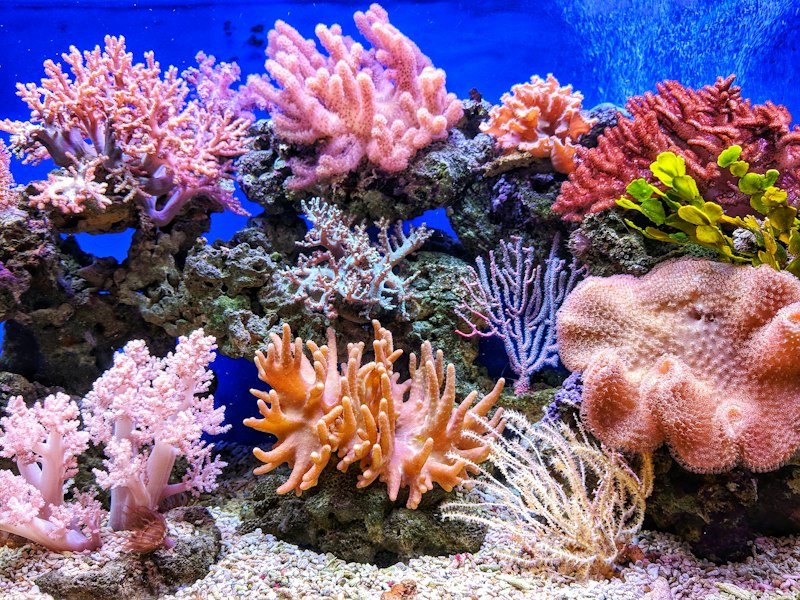
Soft coral
occasional
Sea squirts
occasional
Peacock worms
occasional
Fur seals
February-March · occasional
Leopard seals
February-March · occasional
Penguins
November-March · occasional
Sponges
common
Giant isopods
rareDive profile & how the dive runs
Dives at Useful Island typically begin from a zodiac, with divers entering the water close to the ice edge or rock formations. The route often follows a gentle slope or an ice wall, descending to an average maximum depth of 20 meters. Divers generally explore the rich shallow-water benthos, observing the vibrant communities of sponges, anemones, and other invertebrates attached to the substrate or ice. Buoyancy control is paramount to avoid disturbing delicate life and navigating around ice formations. The dive progresses along the chosen feature, often returning along the same path. Turn points are determined by air consumption and bottom time, typically around 40-60 minutes. Safety stops are conducted in the shallowest safe zone, often near the zodiac, before careful re-entry into the tender.
Underwater photography
Underwater photography at Useful Island benefits greatly from a wide-angle lens to capture the grandeur of ice formations and expansive kelp walls, as well as the behavior of curious seals or penguins that might approach. Macro lenses are also rewarding for documenting the intricate details of the colorful benthic invertebrates like anemones, sponges, and nudibranchs. Due to the limited light penetration through ice, especially beyond shallow depths, external strobes are highly recommended to bring out the true colors of marine life. A strong focus light is also useful for macro subjects in dimmer areas. Given the cold water and drysuit requirements, practice with your camera system in cold conditions beforehand is advisable. Maintain excellent buoyancy to avoid stirring up sediment and preserve the pristine visibility for both your shots and other divers.
Combine with nearby dive sites
- Neko Harbour
Neko Harbour, nestled on the Antarctic Peninsula, offers divers a truly immersive experience in a pristine polar environment.
- Lemaire Channel
Lemaire Channel, a narrow passage between the Antarctic mainland and Booth Island, presents a truly majestic and impressive dive experience.
- Danco Island
Danco Island, located in the Errera Channel off the Antarctic Peninsula, presents an unparalleled cold-water diving experience.
- Deception Island - Whaler's Bay
Deception Island, located in the South Shetland Islands of Antarctica, is an active submerged caldera volcano.
- Paradise Bay
Paradise Bay, located on the Antarctic Peninsula, offers divers a unique opportunity to explore a wilderness few will ever experience.
- Cuverville Island
Cuverville Island, nestled within the Errera Channel off the Antarctic Peninsula, presents an exceptional opportunity for polar diving.
Getting there & logistics
Access to Useful Island is primarily via expedition cruise ships departing from Ushuaia, Argentina. These voyages typically last between 10 to 14 days, often combining diving activities with land excursions and zodiac tours. Divers usually join a dedicated dive program, which requires specific pre-booking and adherence to strict experience requirements. All necessary permits and fees for Antarctic travel are typically managed by the expedition operator. Useful Island is commonly integrated into itineraries exploring the Western Antarctic Peninsula, often alongside other dive and landing sites such as Paradise Bay, Neko Harbour, and Lemaire Channel. The remoteness of the region means travel involves significant time at sea.
Safety & environment
Diving at Useful Island in Antarctica presents unique safety considerations due to its extreme environment. The nearest recompression chamber is thousands of miles away, typically in South America, making any decompression sickness event a severe medical emergency with extremely prolonged evacuation times. Divers must carry comprehensive dive insurance that specifically covers Antarctic diving and emergency evacuations. Site-specific hazards include rapidly changing ice conditions, strong and unpredictable currents, and extreme cold water temperatures (down to -2°C), which can lead to equipment freezing or malfunction. All divers are required to have extensive cold-water and drysuit experience, with at least 30 drysuit dives logged, and undergo a check-dive on arrival. Always dive with a buddy, adhere strictly to dive guide instructions, and maintain awareness of emergency procedures. The buddy system is essential, as dive guides typically remain on the boat for spotting and safety oversight.
Who it suits — and who it doesn't
Suited for
- Experienced drysuit divers
- Cold-water diving enthusiasts
- Wildlife photographers
- Divers seeking unique expedition experiences
- Those with excellent buoyancy control
Less suited for
- Beginner divers
- Divers without extensive drysuit experience
- Warm-water-only divers
- Those uncomfortable with extreme cold
- Divers with limited cold-water gear
FAQ
Useful Island FAQ
What kind of marine life can I expect to see at Useful Island?
At Useful Island, you can expect to encounter a vibrant array of marine invertebrates such as sponges, anemones, starfish, sea urchins, and various species of kelp that form underwater walls. While not guaranteed, there's a chance to see penguins, fur seals, and leopard seals actively hunting in the water. The waters are also rich in krill, which attract a diverse range of larger marine animals.
What are the water temperatures like around Useful Island?
The water temperatures around Useful Island are extremely cold, typically ranging from -2°C to 2°C (28 to 36°F). This frigid environment necessitates specialized cold-water diving equipment, including drysuits with multiple layers of thermal undergarments, dry gloves, and cold-water specific regulators. Divers must have significant experience with drysuit diving to manage these conditions safely.
Are there strong currents at Useful Island?
Currents at Useful Island can be variable and, at times, strong, particularly in channels or areas influenced by tidal flows and ice movements. The dynamic nature of the Antarctic environment means conditions can change rapidly. Divers must be prepared for potential currents, possess excellent buoyancy control, and stay vigilant regarding their position relative to the zodiac and ice formations.
What is the visibility like for diving at Useful Island?
Visibility at Useful Island can be exceptional, often reaching up to 300 meters (985 feet) in certain conditions. The clear, nutrient-rich polar waters offer stunning views of the underwater landscape and marine life. However, localized plankton blooms can occasionally reduce visibility, particularly during periods of high biological activity.
What dive experience is required for Useful Island?
Diving at Useful Island is reserved for highly experienced divers. Requirements typically include an advanced dive certification, extensive cold-water diving experience, and a minimum of 30 logged drysuit dives. Divers must also provide proof of recent diving activity, a medical clearance, and complete a check-dive at the start of the expedition to assess their comfort and proficiency in the frigid conditions.
How are dives conducted at Useful Island?
Dives at Useful Island are usually conducted from a zodiac, which transports divers from the main expedition vessel to the dive site. Entries and exits are carefully managed due to the shifting ice and cold. Dive plans often involve exploring ice walls, shallow reefs, or the seafloor, with depths typically limited to 20 meters. Dive guides remain on the zodiac, acting as spotters and ensuring safety, while divers explore in buddy pairs.
Why dive Useful Island from a liveaboard?
Useful Island is one of Antarctica's signature dive sites. A liveaboard sleeps you on the water and puts you in the water for three to four guided dives per day, including dawn and night dives that day-boat operators rarely offer. You skip the daily commute back to port and reach quieter, less-crowded sites in the same region on a single trip.
Below are the liveaboards that include Useful Island on their Antarctica itineraries.
Liveaboards diving Useful Island
These liveaboards may visit Useful Island on selected itineraries — the exact dive sites depend on departure, weather and conditions.
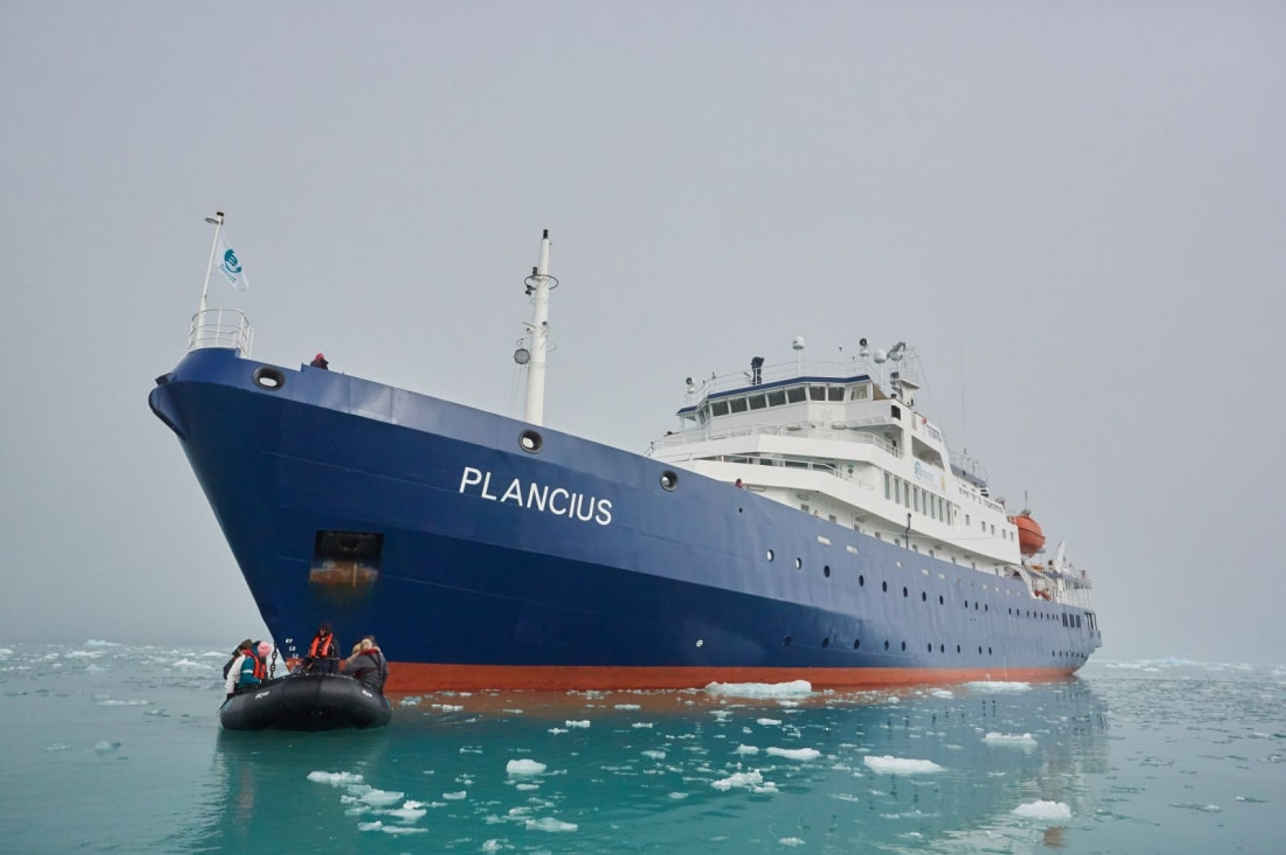
Plancius
Antarctica
108 guests89 m
$768/day
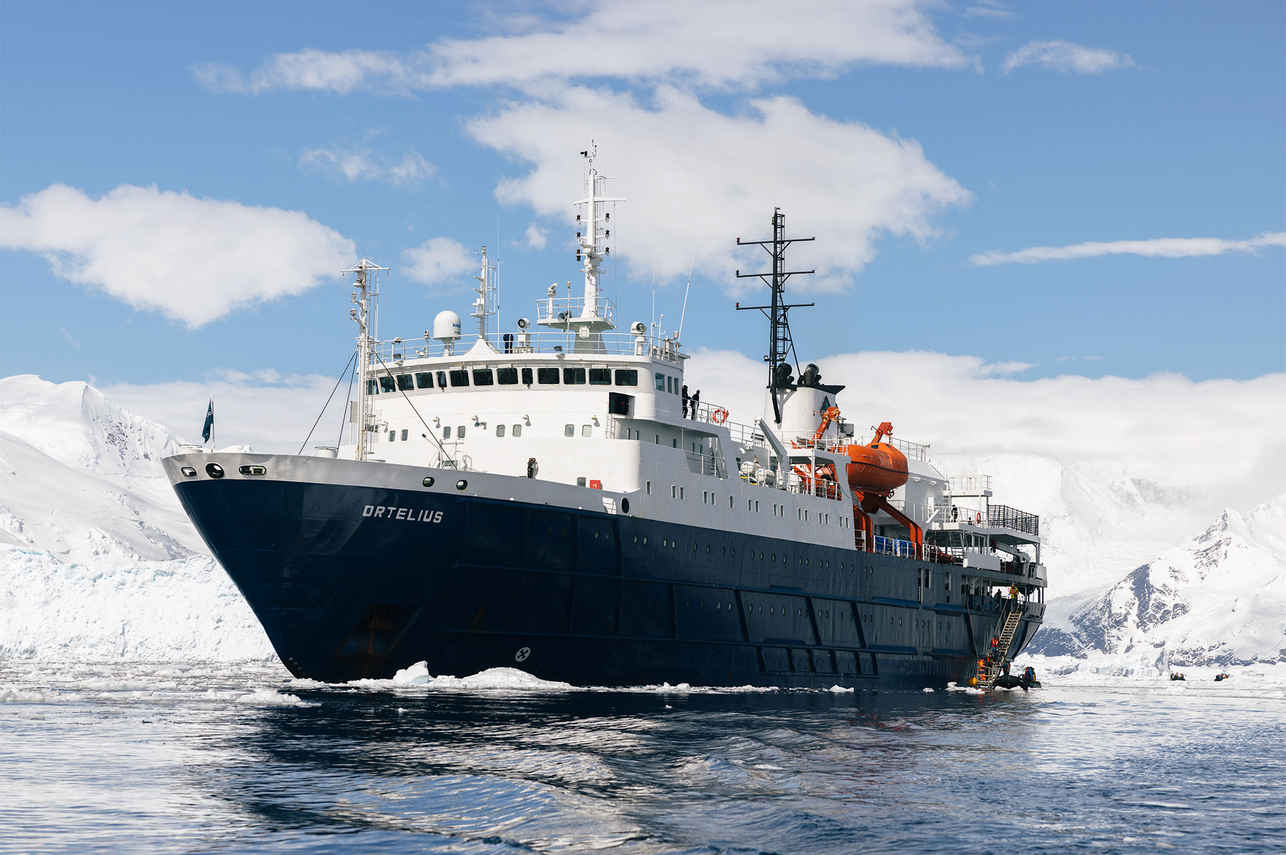
Ortelius
Antarctica
108 guests90.95 m
$658/day
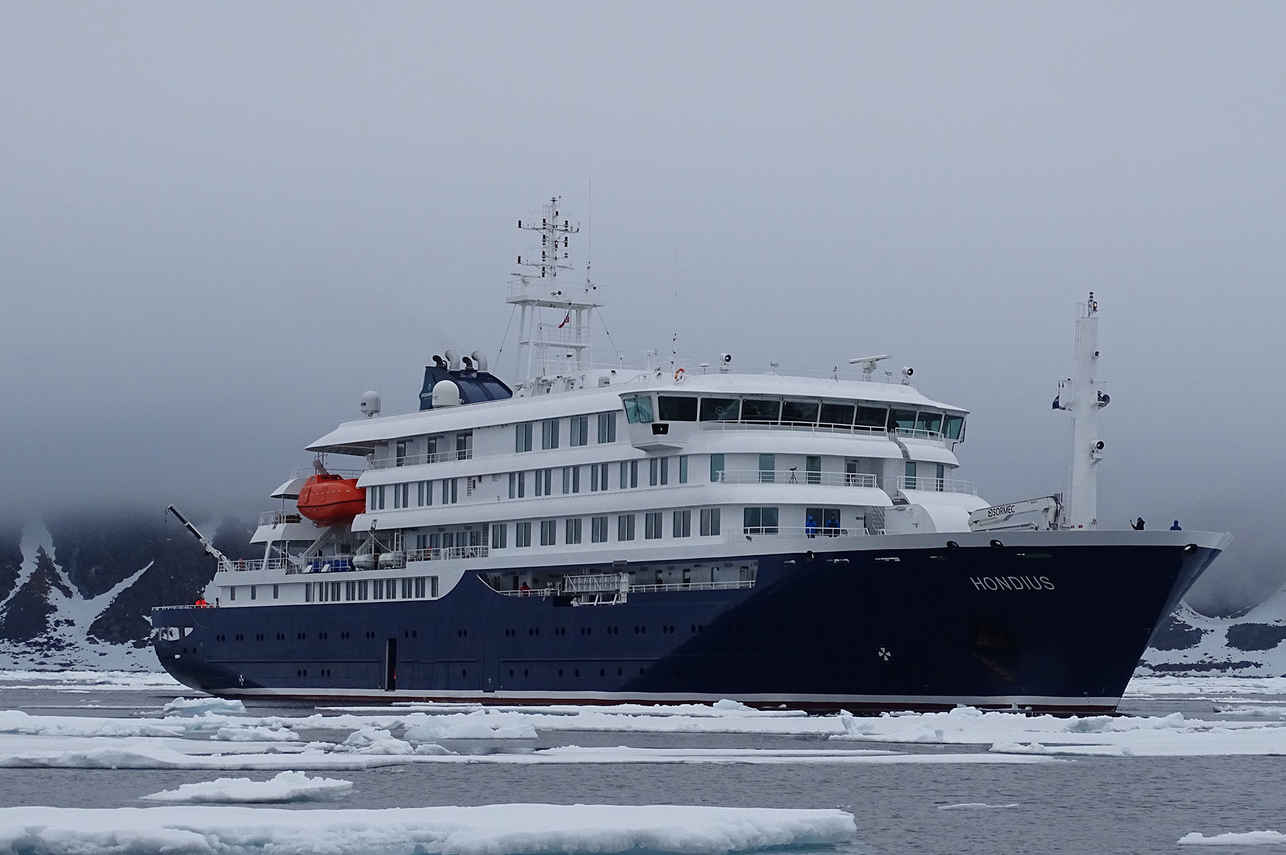
Hondius Antarctica Diving
Antarctica
170 guests107.6 m
$772/day
Dive sites similar to Useful Island
Same character, same waters — six more sites divers love for the exact same reasons.Compare seasons, access and liveaboard routes — then pick the site that fits your trip best.
© Esri — Maxar, Earthstar, GIS
Argentine Islands - Vernadsky
Antarctica
Diving at the Argentine Islands, near the Vernadsky Research Base, offers an exclusive opportunity to explore the underwater world of the Antarctic Peninsula.
- Suitable for
- Advanced
- Current
- Strong
- Access
- Liveaboard only
- Depth
- 3–15 m
- Theme
- Ice / Reef
© Esri — Maxar, Earthstar, GIS
Lemaire Channel
Antarctica
Lemaire Channel, a narrow passage between the Antarctic mainland and Booth Island, presents a truly majestic and impressive dive experience.
- Suitable for
- Advanced
- Current
- Strong
- Access
- Liveaboard only
- Depth
- 5–30 m
- Theme
- Ice / Wall
© Esri — Maxar, Earthstar, GIS
Wilhelmina Bay
Antarctica
Wilhelmina Bay, nestled in the Antarctic Peninsula, is renowned as a prime location for observing humpback whales and experiencing the continent's pristine marine environment.
- Suitable for
- Advanced
- Current
- Moderate
- Access
- Liveaboard only
- Depth
- 5–20 m
- Theme
- Ice / Wall
© Esri — Maxar, Earthstar, GIS
Enterprise Island - Wreck Gouvernøren
Antarctica
The wreck of the Gouvernøren, nestled at Enterprise Island, stands as Antarctica's most accessible and atmospheric shipwreck.
- Suitable for
- Advanced
- Current
- Mild
- Access
- Liveaboard only
- Depth
- 5–18 m
- Theme
- Ice / Wreck
© Esri — Maxar, Earthstar, GIS
Foyn Harbour
Antarctica
Foyn Harbour, situated off the coast of the Antarctic Peninsula, offers a truly unique underwater experience, primarily centered around the wreck of the 'Gouvernøren'.
- Suitable for
- Advanced
- Current
- Mild
- Access
- Liveaboard only
- Depth
- 5–15 m
- Theme
- Ice / Wreck
© Esri — Maxar, Earthstar, GIS
Errera Channel
Antarctica
Errera Channel offers a truly unique diving experience within the Antarctic Peninsula, presenting a rare opportunity to explore a world largely unseen by humans.
- Suitable for
- Expert
- Current
- Mild
- Access
- Liveaboard only
- Depth
- 5–20 m
- Theme
- Ice