Antarctica Liveaboard Diving

Liveaboards in Antarctica

from $662 / day

3 of 3 · Antarctica liveaboard routes, seasons & prices

Hondius Antarctica Diving

Explore the icy wonders of Antarctica aboard a state-of-the-art expedition vessel.

  • En-Suite bathrooms
  • Aircon Cabins
  • Rooms with Balcony

4.8(68 reviews)

170 guestsfrom $776/day
Ortelius

Explore the polar extremes with unparalleled comfort and adventure.

  • En-Suite bathrooms
  • Aircon Cabins
  • TV in cabins

4.6(1300 reviews)

108 guestsfrom $662/day
Plancius

Explore the icy wonders of Antarctica aboard a refurbished ice-class expedition vessel.

  • En-Suite bathrooms
  • Aircon Cabins
  • Cabin Towels

4.2(6 reviews)

108 guestsfrom $773/day

Diving in the Southern Ocean: wrecks, walls and leopard seals

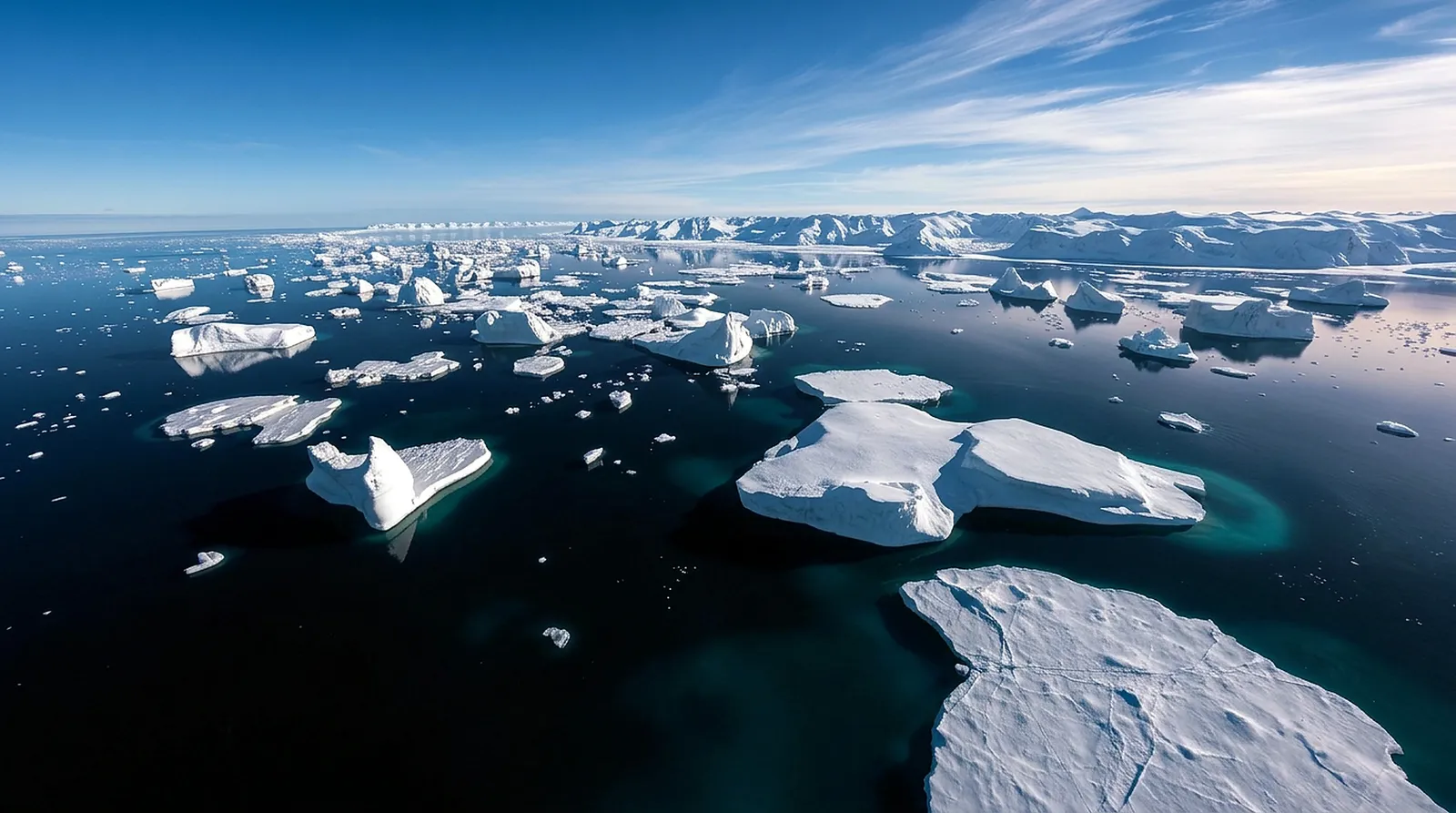
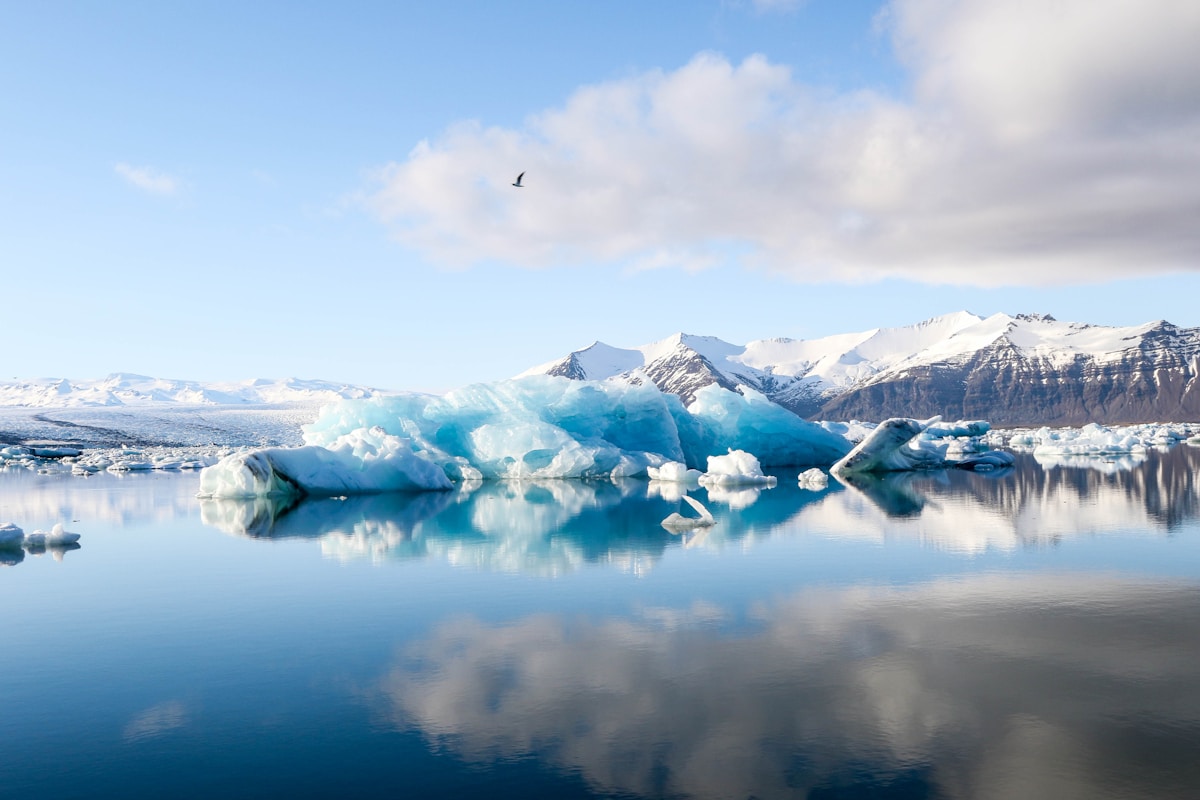
Diving at the end of the world is an experience that redefines adventure. This is the realm of true expedition diving, where the journey across the Drake Passage is a prelude to the unparalleled clarity and raw beauty of the Southern Ocean. An Antarctica liveaboard isn't just a dive trip; it's a pilgrimage to the planet's last great wilderness. You'll descend into a silent, cathedral-like world, navigating past colossal icebergs and sheer ice walls in water so clear and cold it feels otherworldly. The sheer scale and isolation make Antarctica diving a profound and humbling encounter with nature at its most powerful.

The best dive sites Antarctica has to offer are concentrated along the Antarctic Peninsula and its surrounding islands. At sites like Deception Island, an active volcanic caldera, you can experience the surreal sensation of geothermal vents warming the frigid water. Encounters here are unforgettable, from curious and powerful leopard seals patrolling the ice floes to vast colonies of penguins torpedoing through the shallows. The macro life is equally fascinating, with giant isopods, endemic nudibranchs, and vibrant sea anemones clinging to submerged volcanic rock. Every descent offers a chance to witness a food web that thrives in the extreme, a testament to the ocean's resilience.

The window for an Antarctica liveaboard expedition is brief, running from November to March when the austral summer causes the sea ice to retreat. Water temperatures hover just below freezing, demanding proficiency with a drysuit, cold-water regulators, and redundant systems. This is not a destination for the novice diver. Antarctica diving is for the seasoned adventurer, the experienced cold-water diver who understands the demands and rewards of expedition-style travel. It's for those who seek not just incredible underwater encounters, but the profound experience of exploring a remote and pristine environment where every day is dictated by the ice, the weather, and the spirit of discovery.

Why dive a liveaboard in Antarctica

From legendary wrecks and thriving reefs to close-up encounters with iconic marine life, this destination offers the experiences divers dream about. Warm, clear waters and well-organized liveaboard routes make it easy to explore the best sites. These are the highlights that keep divers coming back year after year.

Ice diving

Dive beneath cathedral-like icebergs in crystal-clear polar water

Penguin encounters

Curious penguins swim alongside you underwater

Extreme clarity

Visibility exceeding 30 metres in pristine polar waters

Last wilderness

The most remote and protected ecosystem on Earth

Who a liveaboard in the Southern Ocean suits — and who it doesn't

Polar diving is an expedition discipline: water near −1 °C, drysuit only, and dives that are short, shallow and weather-dependent.

Beginners

Not a beginner destination

Operators require drysuit certification and a substantial logged history in cold water; there is no training pathway on board for newcomers.

Matching areas:Antarctic Peninsula

Advanced divers

Advanced, drysuit certified, cold-water experience

Dives are typically 20 to 30 minutes in the top 20 metres among ice walls and brash ice, launched from Zodiacs and cancelled freely for weather.

Matching areas:Antarctic PeninsulaSouth Shetland IslandsMelchior Islands

Deep and technical

Deep and technical: not offered

Expeditions run conservative shallow profiles by design. Free-flow risk, ice cover and evacuation distance make decompression diving inappropriate here — redundant regulators, not depth, are the priority.

Matching areas:Antarctic Peninsula

Photo and video

Wide-angle, split shots, topside wildlife

Icebergs from below, leopard seals, penguins porpoising and kelp gardens; the topside programme is as much of the trip as the diving.

Matching areas:Cuverville IslandParadise BayDanco Island

Best time to dive in Antarctica

The Antarctic diving season is short, running only during the austral summer from November to March when the sea ice retreats enough for ships to navigate. Conditions vary monthly: November brings the most pristine ice and courting penguins. December and January offer 24-hour daylight and hatching penguin chicks, while February and March are peak season for whale watching and offer the best underwater visibility.

👆 Click any month for detailed conditions
Excellent
Good
Off-Season

December–February

Antarctic summer with 20+ hours of daylight. Best ice diving conditions. Penguin breeding colonies.

November, March

Early/late season with dramatic ice formations. Whale encounters increase in March.

April–October

Antarctic winter. No expedition vessels operate. Extreme cold makes diving impossible.

Underwater visibility

32m
(105ft)
20m
(66ft)
8m
(26ft)
Jan
Feb
Mar
Apr
May
Jun
Jul
Aug
Sep
Oct
Nov
Dec

Air & water temperature

4°C 2°C -1°C
1°
2°
1°
1°
0°
-2°
-1°
-5°
-1°
-8°
-2°
-10°
-2°
-12°
-2°
-12°
-1°
-8°
0°
-4°
0°
0°
1°
2°
Jan
Feb
Mar
Apr
May
Jun
Jul
Aug
Sep
Oct
Nov
Dec
Water
Air (Day)

Recommended wetsuit

Dry
Dry
Dry
Dry
Dry
Dry
Dry
Dry
Dry
Dry
Dry
Dry
Jan
Feb
Mar
Apr
May
Jun
Jul
Aug
Sep
Oct
Nov
Dec
Drysuit (very cold)
Wetsuit Guide

What you'll see diving in the Southern Ocean

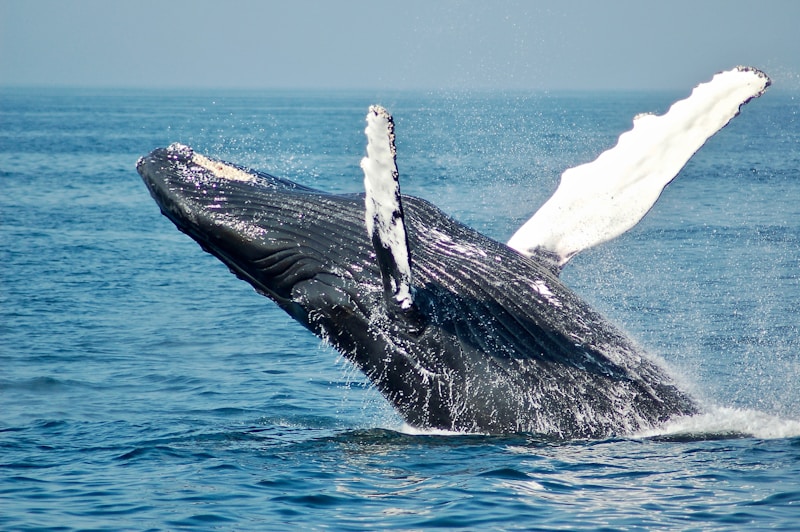
Diving in Antarctica means encounters with wildlife adapted to the extreme cold. Expect to meet curious and powerful leopard seals, crabeater seals, and multiple penguin species like Gentoo, Adélie, and Chinstrap torpedoing through the shallows. From February, humpback and minke whales become more common, and orcas make occasional appearances. The macro life is equally unique, with giant isopods and vibrant sea anemones found on submerged volcanic rock.

When to See What

Use this calendar as a guide: the highlighted months show when your chances are usually best. Wildlife follows its own rhythm, so sightings are never guaranteed — but we hope this makes planning a little easier. The rhythm of Antarctica's big animal encounters follows the short austral summer. The season begins in November with courting penguins, followed by the hatching of penguin chicks in December and January. The season concludes with peak whale activity, as humpback and minke whales gather to feed from February into March.
Species
Jan
Feb
Mar
Apr
May
Jun
Jul
Aug
Sep
Oct
Nov
Dec
Leopard Seal
Leopard Seal
Humpback Whale
Humpback Whale
Orca
Orca
Gentoo Penguin
Gentoo Penguin
Adélie Penguin
Adélie Penguin
King Penguin
King Penguin
Skate
Skate
Sea Star
Sea Star
Nudibranch
Nudibranch
Jellyfish
Jellyfish
Blue Shark
Blue Shark
Giant Isopod
Giant Isopod
Sea Urchin
Sea Urchin
Coral
Coral
Sea Anemone
Sea Anemone
Peak Season
Present
Rare/Absent

Deception Island and Port Lockroy: the best dive sites in Antarctica

A liveaboard expedition is the only way to reach Antarctica's iconic and remote dive sites, which are launched from Zodiacs. You can dive in the geothermally heated waters of a volcanic caldera at Deception Island or explore the historic wreck of the Gouvernøren at Enterprise Island. Other signature sites include the otherworldly Iceberg Graveyard at Pleneau Island and the vibrant walls of Paradise Bay, all scattered along the inaccessible Antarctic Peninsula.

1

Point Wild

OtherAdvanced
020m / 066ftBest: November–March-61.1610°, -54.0040°

Point Wild, located in the Antarctic region, provides an exceptional opportunity for experienced divers to explore the unique underwater world of the Southern Ocean. This site is particularly noteworthy for its blend of vibrant marine life and the awe-inspiring spectacle of underwater ice formations. Divers can expect gin-clear waters that reveal a landscape vastly different from the surface, showcasing the incredible biodiversity adapted to extreme cold. The diving here is an expeditionary experience, often involving Zodiac deployments and a focus on shallow depths due to the remote nature of the location and the absence of nearby decompression facilities. The topography at Point Wild, like other Antarctic sites, often features ice walls, sea ice undersurfaces, and potentially the seafloor with its unique benthic communities. Depths are generally kept shallow, with typical maximums around 18-20 meters, to manage safety in such a remote and challenging environment. The interaction of light with ice creates an ethereal blue glow, transforming the underwater landscape into a world of hills, valleys, and sheer ice cliffs. Marine life sightings are a major draw, with creatures such as various sponges, sea stars, anemones, and sea spiders creating a colorful display against the ice. Encounters with charismatic megafauna like penguins and seals are also possible, offering an unparalleled wildlife interaction. The best time for diving aligns with the Southern Hemisphere's summer, from November to March, when wildlife activity is at its peak due to rich krill blooms. Diving at Point Wild requires careful preparation and adherence to strict safety protocols. Dives are typically conducted from Zodiac boats, with guides monitoring from the surface. The emphasis is on experiencing the unique environment and its inhabitants, rather than deep or complex dives, making it an adventure for those seeking extraordinary underwater encounters.

Ice formations underwaterEncounters with seals and penguinsDiverse benthic marine lifeCrystal-clear polar watersUnique Antarctic topographyRare dive site access
2
070m / 0230ftBest: November–March-64.7900°, -64.0800°

Diving in Antarctica offers a unique experience beneath its frigid waters, a stark contrast to typical warm-water destinations. The underwater environment is defined by colossal ice formations and towering icebergs that shape the topography. While specific dive sites are not fixed due to the expeditionary nature of Antarctic travel, exploration often occurs in areas where iceberg scouring has not rendered the seabed barren, such as along walls and near smaller ice formations. Beneath the surface, divers encounter a vibrant ecosystem perfectly adapted to the harsh conditions. Marine life includes massive swarms of Antarctic krill, starfish, spider crabs, peacock worms, dogfish, sea squirts, and soft corals. There are also frequent encounters with curious seals and penguins, and the possibility of swimming with whales, all within an environment of unique underwater ice textures and shapes. Antarctic dives are characterized by extreme cold, with water temperatures typically one or two degrees below freezing. Dives are generally short, lasting 15 to 30 minutes, due to the rapid onset of cold. This demanding environment requires divers to be Advanced Open Water certified with a Drysuit Specialty, possessing at least 30 drysuit dives and 10 dives within the last year. Safety precautions are paramount, including strict adherence to dive plans and familiarity with specialized cold-water gear. Visibility is often exceptional, frequently exceeding 30 meters, providing clear views of the submerged landscape and marine inhabitants. Entry is typically from Zodiac boats, with divemasters monitoring from the surface. The dynamic nature of ice and weather conditions means itineraries are flexible, focusing on safe and opportunistic diving around ice-free areas and walls.

Underwater ice formationsCurious Weddell sealsPlayful penguin encountersAbundant Antarctic krill swarmsBioluminescent crown jellyfishFeather stars at depthSoft corals and sea squirtsHistoric shipwreck exploration
3
525m / 1682ftBest: November–March-64.8000°, -62.8500°

Diving in the Antarctic Peninsula offers an unparalleled adventure into a remote, extreme environment, revealing an ecosystem thriving beneath the ice. This destination is ideal for experienced cold-water divers seeking unique encounters with diverse marine species and breathtaking underwater ice structures. Often described as otherworldly, the region provides a stark contrast between its stark beauty above and the vibrant life below, accessible to those with specialized training and equipment. Daily dive locations are flexible, determined by prevailing weather, ice conditions, and other operational factors, ensuring a truly exploratory experience where few have ventured. The underwater topography frequently features dramatic ice formations, including the textured undersides of icebergs, and seafloors scoured by ice, alongside shelves teeming with a variety of invertebrate life. Depths typically range from 5 to 25 meters, though some scientific dives may extend deeper, up to 35 meters or more in specific conditions. Visibility can vary, often influenced by rich phytoplankton blooms that are fundamental to the Antarctic food web, leading to murkier conditions but also signaling abundant life. The marine environment teems with creatures uniquely adapted to the cold, including various types of seals, penguins, and an array of invertebrates like sea spiders, sponges, anemones, sea snails, sea urchins, starfish, and soft corals. These species create a surprisingly colourful and dynamic underwater landscape. Divers may also encounter krill swarms, jellyfish, and even leopard seals or fur seals, offering incredible wildlife interaction opportunities. Dive operations are conducted from expedition vessels, requiring divers to be proficient in drysuit techniques and comfortable with cold-water conditions. Sessions are generally limited to 15-30 minutes due to the extreme temperatures. Safety protocols are stringent, with careful planning for entry and exit points due to sh

Underwater ice formationsPolar marine biodiversityEncounters with seals and penguinsUnique light phenomenaSeastar-clad seafloorWhale bones explorationUncharted dive locations
4
530m / 1698ftBest: December–February-62.9841°, -60.5811°

Deception Island, located in the South Shetland Islands of Antarctica, is an active submerged caldera volcano. The island's horseshoe shape, formed by erosion of the shield volcano, allows vessels to enter Port Foster through a gap known as Neptune's Bellows. Whalers Bay, a small harbor immediately northeast of Neptune's Bellows, holds significant historical importance as the site of the remains of the Norwegian Hektor Whaling Station and British 'Base B', active between 1944 and 1969. These remnants, including decaying water boats and other artifacts, represent a crucial part of Antarctic maritime history and are designated as Historic Site and Monument No. 71. The dive site itself features a gently sloping ash beach, approximately two kilometers long, stretching from Penfold Point to Cathedral Crags. The topography includes geothermal activity, with some scoria outcrops east of the whaling station and near Cathedral Crags supporting moss and lichen growth. Depths can reach up to 30 meters. Beneath the surface, divers might encounter a variety of marine life typical of Antarctic waters. Penguins such as Gentoo and Chinstrap are present, with Leopard, Crabeater, and Weddell seals often hauled out or offshore. Underwater, organisms like sea stars, nudibranchs, jellyfish, and sea anemones can be observed. The extremely cold water, often around 1-2 degrees Celsius, necessitates drysuit diving. Visibility is typically excellent, ranging from 10 to 30 meters. Because itineraries are flexible due to weather and ice conditions, specific dive sites are chosen daily by the expedition leader and ship's captain. Dives generally last between 15 and 30 minutes, emphasizing the need for robust cold-water drysuit experience. It is not uncommon to experience a mammalian diving reflex upon entry into the cold water, making familiarity with all gear essential for a safe and rewarding experience. This location is part of the Antarctic Treaty system and is a protected area.

Historic Hektor Whaling Station remainsAbandoned British 'Base B' structuresDecaying water boats shorelineGeothermally active scoria outcropsPenguin and seal encountersMoss and lichen on structuresUnderwater volcanic topography

Bucket-list dives worth booking early

An Antarctic dive trip is defined by experiences that are impossible anywhere else on the planet. Descend into the cathedral-like blue world beneath a towering iceberg in the Lemaire Channel for a truly surreal dive. Come face-to-face with a curious leopard seal in the South Shetland Islands, the apex predator of these waters. Topside, you'll walk among vast colonies of thousands of Gentoo and Adélie penguins on the Antarctic Peninsula.

Underwater view of the dive site Penguin Colony Encounters in Antarctica
1
November – March

Antarctic Peninsula

Witness massive colonies of Gentoo, Chinstrap, and Adélie penguins in their natural habitat – thousands of breeding pairs creating one of nature's most spectacular wildlife displays.

Read more
Underwater view of the dive site Iceberg Cathedral Dives in Antarctica
2
December – February

Lemaire Channel

Dive beneath towering icebergs into a surreal blue underwater world with ice walls, arches, and tunnels sculpted by the ocean – an experience available nowhere else on Earth.

Read more
Underwater view of the dive site Leopard Seal Encounters in Antarctica
3
January – March

South Shetland Islands

Come face-to-face with the apex predator of Antarctic waters. These curious and powerful marine mammals often approach divers, creating thrilling and unforgettable encounters.

Read more
Underwater view of the dive site Humpback Whale Migration in Antarctica
4
February – April

Gerlache Strait

Experience the awe of humpback whales feeding in Antarctic waters, breaching and bubble-net feeding around your vessel – often within arm's reach of zodiac boats.

Read more

Above water: climate, shore trips and extra costs

The adventure continues above the surface with activities that are as integral as the diving itself. Experience the legendary two-day crossing of the Drake Passage, navigate through a maze of colossal icebergs on a Zodiac cruise, and paddle a kayak in the calm, reflective waters of Paradise Bay. You will also make land excursions to visit historic research stations like Port Lockroy and walk among immense penguin colonies.

Penguin Colony Visits

Penguin Colony Visits

Walk among tens of thousands of gentoo, chinstrap, and Adélie penguins at their breeding colonies. These curious, fearless birds waddle up to visitors in one of Earth's most unforgettable wildlife encounters.

Zodiac Cruising Among Icebergs

Zodiac Cruising Among Icebergs

Navigate inflatable Zodiac boats through a labyrinth of towering icebergs in shades of blue, white, and crystal. Get close to ice formations, glacier faces, and wildlife-rich shorelines.

Whale Watching from Deck

Whale Watching from Deck

Spot humpback whales, minke whales, and orcas feeding in the nutrient-rich Antarctic waters. Watch from the expedition vessel deck as these majestic creatures breach, blow, and surface alongside the ship.

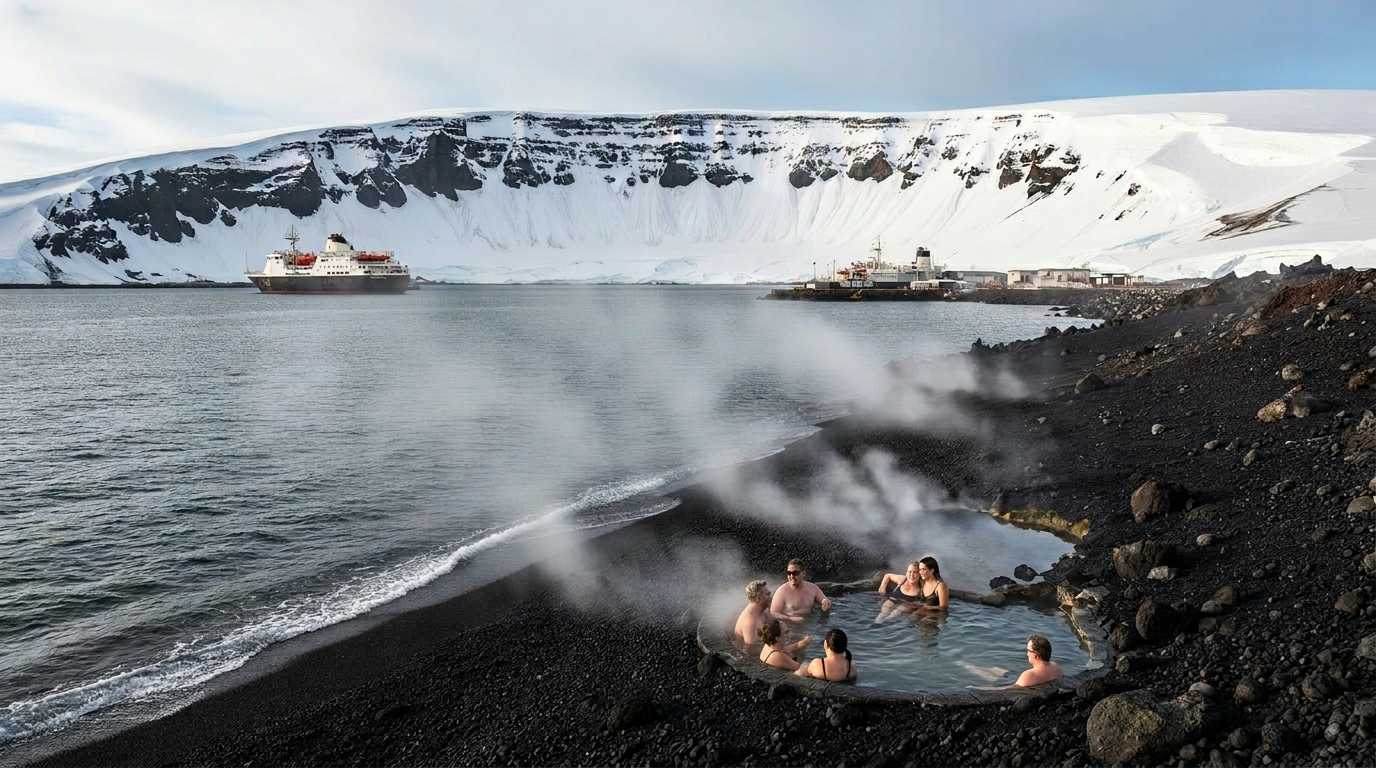
Deception Island Hot Springs

Deception Island Hot Springs

Swim in geothermally heated water on the beach of an active volcanic caldera. Deception Island is one of the only places where you can bathe in warm water surrounded by Antarctic ice and snow.

What a liveaboard in Antarctica costs

The calendar below shows how liveaboard prices shift month by month, so you can see exactly when your money goes furthest. We want every diver to get the best possible value, which is why we highlight the seasons that balance great conditions with the fairest rates.

Antarctica is the pinnacle of expedition diving and one of the most expensive liveaboard destinations, with daily rates reflecting the use of specialized ice-strengthened vessels and remote logistics. Prices for the 10- to 14-day trips are at their highest during the peak summer months of December and January. While not a budget trip, a range of vessels from standard expedition ships to luxury polar yachts allows for some choice in comfort and cost.

$662–$776

per day liveaboard

N/A

per 2-tank dive trip

N/A

hotel per night

Prices reflect typical costs for mid-range to premium options. Budget alternatives may be available.

Getting to Buenos Aires and Ushuaia: flights and transfers

Your journey to Antarctica begins with an international flight to Buenos Aires (EZE), followed by a domestic flight to Ushuaia (USH) in Argentina, the world's southernmost city. Most expedition liveaboards depart from the port of Ushuaia for the two-day crossing of the Drake Passage. While Antarctica itself requires no visa, you must meet the entry requirements for your transit country, typically Argentina or Chile.

Getting there

Ministro Pistarini International Airport

Buenos AiresEZE

Main departure point for Antarctic expeditions via Ushuaia

Malvinas Argentinas International Airport

UshuaiaUSH

Southernmost city, departure port for Antarctic liveaboards and expedition vessels

Entry requirements

No visa required for Antarctica itself. Must comply with Antarctic Treaty regulations. Transit countries (Argentina, Chile) may require visas.

This information is provided without guarantee. Please visit the official website for the latest entry requirements.

Official Immigration Information →

Frequently asked questions about Antarctica liveaboards

How much does an Antarctica liveaboard trip cost in 2026?
While prices vary by operator, Antarctica is a premium, all-inclusive destination. Your 2026 trip cost covers not just diving but also Zodiac excursions, shore landings, and kayaking, as there is no local infrastructure. Be prepared to use USD or EUR for any onboard purchases, depending on the vessel.
When is the best time for a liveaboard diving trip to Antarctica?
The Antarctic diving season is during the austral summer, from late November to early March. Choose November-December for more pack ice, January-February for peak wildlife like penguin chicks, or March for the best chance of humpback whale encounters before they migrate.
What dive certification do I need for an Antarctica liveaboard?
You need significant cold-water experience for an Antarctic liveaboard. A dry-suit certification is mandatory, and operators typically require proof of at least 50 dry-suit dives to ensure you have excellent buoyancy and are comfortable in the challenging polar environment.
Which port do Antarctica liveaboards depart from?
Virtually all liveaboard expeditions to the Antarctic Peninsula depart from the port of Ushuaia in Argentina. From this southern city, your journey begins by crossing the famous Drake Passage to reach the dive sites of Antarctica.
What marine life can you see on an Antarctica liveaboard?
Diving in Antarctica offers incredible encounters with unique wildlife in water with over 30-metre visibility. You can realistically expect to see leopard seals, fur seals, and various penguin species, with a great chance of spotting humpback whales on your trip.
How cold is the water when diving in Antarctica?
Prepare for truly frigid conditions, as the water temperature hovers between -2°C and +2°C (28°F to 35°F). Surface air temperatures are also cold, ranging from -2°C to +5°C, making proper thermal protection essential for your safety and enjoyment.
What special gear should I pack for an Antarctica liveaboard?
Packing correctly is crucial for a safe and comfortable trip. You must bring your own certified dry suit, a heated undersuit, a hood, and good gloves. It's also mandatory to have two redundant, environmentally-sealed regulators suitable for ice diving.

Antarctica compared with other liveaboard destinations

Honest, in-depth comparisons to help you decide between destinations, certifications, equipment and dive styles.

Liveaboard vs Land-Based Diving: Which Trip Is Right for You?

Choosing between a liveaboard and a land-based dive trip is the most fundamental decision divers face when planning a serious diving holiday. The right answer depends on your priorities: maximum dive count and access to remote sites favor liveaboards; beach time, family flexibility and lower cost favor land-based resorts. Both formats have evolved significantly in the last decade, and the line between them has blurred — luxury dive resorts now offer multi-day expedition trips, while many liveaboards include topside excursions and even spa days. This guide compares the two formats across every meaningful dimension: cost per day, dives per day, marine life access, comfort, social dynamics, family-friendliness, and travel logistics. We'll also cover the hybrid models (resort + day-charter, or 'safari boat' itineraries) that try to capture the best of both worlds. If you're certified, in love with diving and want to maximize bottom time, a liveaboard is almost always the better choice — you can clock 25+ dives in a week and reach sites no day boat can. If you're traveling with non-divers, prefer land-based comfort, or want flexibility to take days off, a resort wins. We'll get into all the nuances below.

Read comparison

Antarctica vs. Arctic Liveaboard: Which Polar Realm Beckons Your Dive?

Embarking on a polar liveaboard dive expedition is an unparalleled adventure, offering encounters with unique marine ecosystems and breathtaking landscapes. But when it comes to choosing between the Earth's two extremes – the pristine wilderness of Antarctica and the rugged beauty of the Arctic – divers often face a delightful dilemma. Both destinations promise extraordinary experiences, yet they present distinct characteristics in terms of environment, marine life, accessibility, and the overall diving challenge. Antarctica, the frozen continent, is renowned for its vast icebergs, massive penguin colonies, and the sheer abundance of its wildlife. The Arctic, a frozen ocean surrounded by continents, offers a different kind of allure with its dramatic fjords, indigenous cultures, and iconic polar bears. Your choice will ultimately depend on your diving aspirations, comfort level with cold water, and what kind of unique encounters you prioritize. This side-by-side comparison aims to equip you with the detailed insights needed to make an informed decision, ensuring your Blue Rides liveaboard journey to the poles is nothing short of legendary.

Read comparison

Beyond the Limits: Recreational vs. Technical Diving Explained

Scuba diving opens up a breathtaking world hidden just beneath the surface, an activity enjoyed by millions globally. For the vast majority, this means recreational diving. Governed by agencies like PADI and SSI, recreational diving is defined by its limits: no deeper than 40 meters (130 feet), always having a direct path to the surface, and staying within no-decompression limits. This framework allows divers to explore vibrant coral reefs, shipwrecks, and kelp forests with relatively simple equipment and training, focusing on enjoyment and safety within a well-established comfort zone. On the other end of the spectrum lies technical (or tec) diving. Often seen as the 'extreme sport' of the scuba world, tec diving is explicitly about going beyond recreational limits. This means diving deeper than 40 meters, planning for mandatory decompression stops on ascent, or penetrating far into overhead environments like caves or complex wrecks. Agencies such as Technical Diving International (TDI), Global Underwater Explorers (GUE), and PADI's TecRec arm provide the highly specialized training required for these demanding dives. The fundamental difference is one of philosophy. Recreational diving prioritizes risk avoidance by staying within strict, pre-defined boundaries. Technical diving, in contrast, is about risk mitigation. Tec divers intentionally plan to enter situations that would be emergencies for recreational divers, but they do so with extensive training, meticulous planning, redundant equipment systems, and specialized breathing gases. It's a calculated approach to exploring environments that are otherwise inaccessible. This distinction isn't just about numbers and gear; it’s about mindset and motivation. While a recreational diver might be thrilled by the colorful reefs of the Red Sea, a technical diver might be drawn to the challenge of exploring a deep, historic wreck like the Britannic off the coast of Greece. Understanding the differences in limits, equipment, training, and risk is crucial for any diver considering where their underwater journey might lead next.

Read comparison
Plan your trip

Ready to dive?

Explore our expedition vessels and find your perfect trip to Antarctica