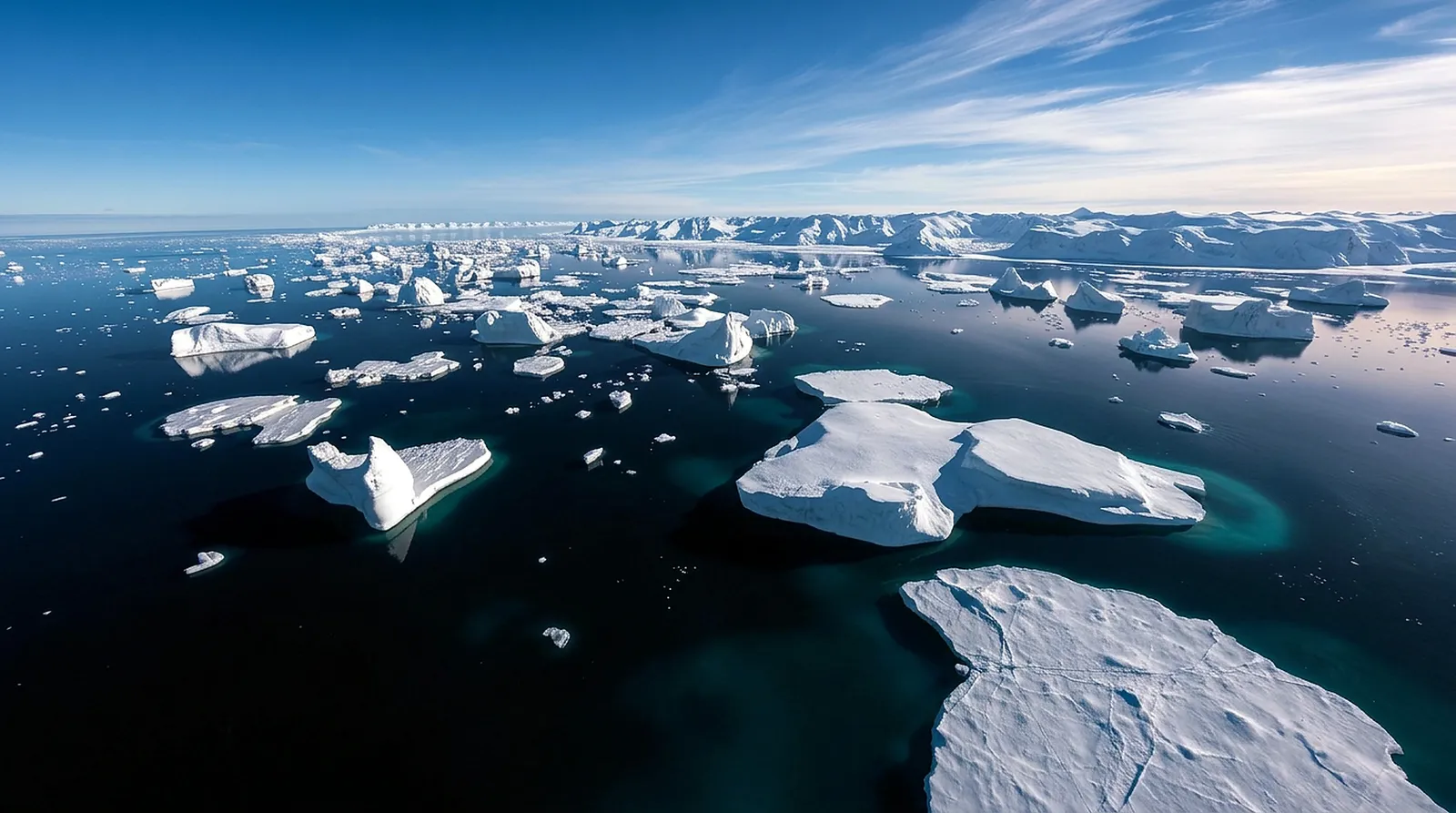
Conditions in April
Diving in Antarctica during April is a unique and often exhilarating experience, marking the tail end of the tourist season. By this time, the summer crowds have thinned, offering a more pristine and solitary encounter with the White Continent. However, this also means you'll be facing increasingly wintry conditions. Air temperatures can hover around -5°C to 0°C (23°F to 32°F), feeling considerably colder with the infamous Antarctic wind chill. Dress warmly, and be prepared for swift changes in weather patterns – calm seas can quickly give way to powerful gusts and snowfall.
Sea state in April can be quite variable. While early April might still offer some stretches of calmer waters, particularly within sheltered bays and channels, later in the month you should expect more challenging conditions, especially during crossings of the Drake Passage. Stronger winds are more common, which can lead to choppier seas. If you are prone to seasickness, this is definitely a factor to consider. Water temperatures are consistently cold, typically ranging from -1°C to 2°C (30°F to 35°F). This means drysuit diving is not just recommended, but absolutely essential for comfort and safety. You will also want to ensure your drysuit is in excellent condition and that you are proficient in its use before embarking on this adventure.
Visibility underwater during April can be surprisingly good, often ranging from 15 to 30 meters. The colder water helps to settle sediment, and the absence of heavy plankton blooms that characterize the peak summer months contributes to crystal-clear conditions. However, visibility can be reduced in areas with glacier melt or heavy snowfall. Currents are generally manageable in sheltered dive sites, but you should always be aware of potential drifts, especially near ice formations. Your dive guides will meticulously plan dives to account for these conditions, ensuring your safety.
What you will see
Diving in Antarctica in April offers an unparalleled opportunity to witness a dramatically changing ecosystem as the brief summer gives way to winter. While some of the large cetaceans like humpback and minke whales might be starting their northward migration, you still have a decent chance of encountering them, particularly in the earlier part of the month. However, the focus shifts to the abundant populations of seals and penguins who are preparing for the colder months. You might dive alongside curious Leopard Seals, who, despite their fearsome reputation, can be incredibly graceful underwater. Weddell Seals are also commonly seen, often resting on ice floes or swimming lethargically through kelp forests. Crabeater Seals are less commonly encountered by divers but are present.
Penguins remain a highlight. While large rookeries might be less crowded as chicks mature and disperse, you’ll still encounter Gentoo, Chinstrap, and Adélie penguins darting through the water like torpedoes. Observing them hunt for krill and small fish truly showcases their aquatic prowess. Keep an eye out for their distinctive calls echoing through the icy landscape. The underwater kelp forests, particularly in sheltered bays, teem with life, providing refuge for various small fish, sea stars, anemones, and nudibranchs. The vibrant colors of these invertebrates stand in stark contrast to the monochrome world above the surface.
One of the most awe-inspiring sights you'll encounter are the icebergs themselves, both above and below the surface. Submerged ice can create incredible archways, tunnels, and dramatic blue walls that resemble underwater cathedrals. The interplay of light through the ice can be breathtaking, casting ethereal glows. While Antarctica isn't known for its pelagic sharks or manta rays, the sheer diversity and resilience of its cold-water marine life - from giant isopods to various species of Antarctic fish - offer a truly unique diving experience. It's a chance to witness life thriving in one of Earth's harshest environments.
Top dive sites this month
While the exact dive sites selected will always depend on weather, ice conditions, and your expedition leader's discretion, several areas within the Antarctic Peninsula and surrounding islands consistently offer excellent diving opportunities in April. The Antarctic Sound near the northeast side of the peninsula, particularly around the active volcano of Deception Island (a collapsed caldera that offers excellent sheltered diving within its ring), is often a prime location. The nutrient-rich waters here attract abundant wildlife, and the volcanic activity can lead to surprisingly vibrant substrate.
Further south, the islands and channels of the Lemaire Channel and Pléneau Island nicknamed "Iceberg Alley," provide stunning underwater ice formations and opportunities to encounter seals. The dramatic underwater landscapes created by grounded icebergs are unforgettable. Another excellent area is the dive sites around Port Lockroy and Wiencke Island. Here you'll find impressive kelp forests, diverse invertebrate life, and often curious penguins and seals. The channels also offer some protection from strong winds, making for more stable diving conditions in a season that can be otherwise challenging.
Practical tips for your trip
If you're considering diving Antarctica in April, a drysuit is absolutely non-negotiable. You'll need at least a 7mm, if not 9mm or even 11mm, undersuit with multiple layers, and dry gloves should be a mandatory part of your gear. Hoods, specifically drysuit hoods, are also crucial. Make sure your drysuit is serviced and that you are thoroughly comfortable and proficient with it. Practicing buoyancy and emergency procedures in your drysuit before the trip is highly recommended. This month usually suits experienced drysuit divers who are comfortable with cold water and potentially challenging surface conditions. It's generally not recommended for beginners due to the extreme environment and the necessary specialized equipment and skills.
Liveaboard availability in April is significantly reduced compared to the peak summer months. Most expedition vessels conclude their Antarctic season by mid-April, so booking well in advance is paramount. Expect a smaller selection of vessels, but potentially a more intimate journey with fewer fellow travelers. Besides your dive gear, pack plenty of warm, layered clothing – including waterproof and windproof outerwear, hats, gloves, and thermal socks. Motion sickness medication is a good idea given the increased likelihood of rough seas in the Drake Passage. Be aware that rescue and medical facilities are extremely limited in Antarctica, so travel insurance that covers extreme activities and emergency evacuation is not just a recommendation, but a necessity for your peace of mind.
Year-round overview for Antarctica
Frequently asked questions
Is April a good month to dive in Antarctica?
What can you see diving in Antarctica in April?
Should I book a Antarctica liveaboard for April or wait?
Find a liveaboard for April
Compare available Antarctica liveaboards departing in April.
Search and Book