Conditions in November
So, you’re thinking about diving in Antarctica in November? Fantastic choice! As the austral spring kicks into high gear, the Antarctic Peninsula begins to shed its deepest winter slumber, offering a unique window for intrepid divers. Weather-wise, November offers a good balance. You can expect air temperatures to hover around -5°C to 2°C (23°F to 36°F). While it’s certainly chilly, it’s not the brutal cold of mid-winter, making surface intervals much more bearable. However, this is Antarctica, so be prepared for anything: sunshine, snow flurries, and brisk winds can all make an appearance on the same day.
Sea state in November can be a mixed bag, but generally, it's more forgiving than later in the summer when stronger winds can whip up the Drake Passage. The earliest part of the month tends to be calmer, but as the ice recedes, the potential for choppier waters increases. Inside the protected fjords and bays of the Peninsula, the waters are often much smoother. Water temperatures will be bracing, typically ranging from -1°C to 2°C (30°F to 36°F). Yes, that’s right, below freezing! This demands proper exposure protection.
Visibility in November is often excellent. With the ice melting and less plankton bloom compared to mid-summer, you can expect visibility to be in the 15 to 30-meter range (50 to 100 feet) on good days. Currents are generally not a major concern on most planned dives, as expeditions carefully select sheltered sites. However, strong tidal currents can occur in specific channels, which your dive guides will naturally avoid or plan around. The changing light conditions, especially with the sun getting higher, create stunning light shows filtering through the pristine Antarctic waters.
What you will see
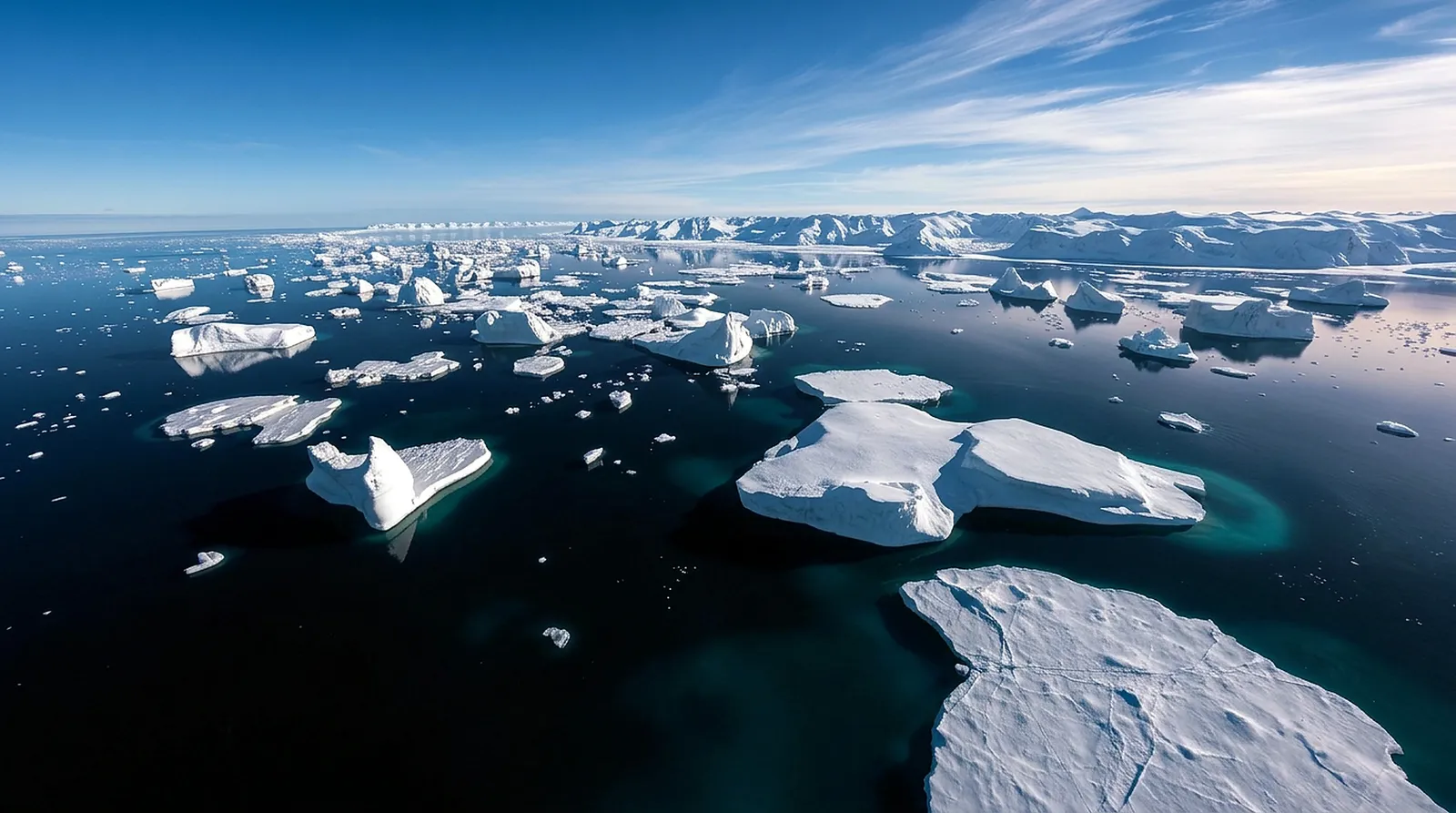
November diving in Antarctica is all about the ice and the incredible life associated with it. This is prime time for vast ice formations – icebergs, growlers, and brash ice, all showcasing incredible shapes and hues underwater. Imagine maneuvering around a submerged iceberg, its contours glowing with ethereal blue light, while crystal-clear water surrounds you. This month, the ice is still very much a dominant feature, making for breathtaking photographic opportunities both above and below the surface.
This early season diving offers fantastic opportunities to encounter a dynamic ecosystem. Seals are prolific, and you’re likely to see playful Weddell seals, Crabeater seals, and Leopard seals. Weddells are particularly curious and often approach divers, making for unforgettable interactions. Keep an eye out for their large, dark eyes peeking out from an ice hole or gracefully gliding past you. Crabeater seals, true to their name, are often seen near the pack ice, filtering krill. And while encounters with Leopard seals are rarer, the chance is always there, and they are magnificent, albeit formidable, predators.
While large pelagic sharks or manta rays aren’t a feature here, the Antarctic waters teem with unique invertebrates. You'll marvel at gigantic isopods, bizarre sea spiders (pycnogonids), vivid nudibranchs, and a stunning array of starfish and anemones clinging to the rocky seafloor. The juvenile krill begin to emerge, attracting early season feeders, and even small fish like Antarctic rock cod can be spotted. Penguin activity is also increasing, and while seeing them underwater is always a treat, it's often from above as they dive and surface near the ice edge.
Top dive sites this month
November offers exceptional diving across the Antarctic Peninsula. One truly iconic region that shines this month is Port Lockroy. Here, in the clear, icy waters, you can explore the remnants of an old whaling station and even find charming historical artifacts among the vibrant marine life. The clarity here, prior to heavier summer plankton blooms, is often phenomenal, making for truly memorable dives around rocky reefs adorned with colorful anemones and sponges. The abundant penguin colonies on the surface add to the charm.
Another must-dive area during November is the scenic Paradise Harbour. This sheltered bay is a haven, offering calm conditions and incredible wall dives. The chance to explore beneath the massive ice cliffs and around grounded icebergs makes for a truly otherworldly experience. Expect to see plentiful mobile invertebrates and potentially curious seals. Further south, around the Lemaire Channel, often referred to as the "Kodak Gap," the dramatic scenery above is mirrored underwater, with astounding ice formations and pristine visibility creating a diver's paradise. Given the pristine conditions, even a simple drift over the rocky bottom can reveal fascinating smaller creatures and a vibrant ecosystem in full swing.
Practical tips for your trip
Diving in Antarctica in November is strictly for drysuit-certified divers. A high-quality, perfectly sealed drysuit is non-negotiable. Layering is key, so bring thick thermal underwear, wool socks, and appropriate exposure protection for your hands and head (hoods and dry gloves are essential). Remember that you'll be doing multiple dives a day in severely cold water, so warmth between dives is paramount. This isn't a destination for beginners; previous cold-water drysuit diving experience is highly recommended. You need to be comfortable and proficient in your drysuit, as buoyancy control and equipment management in these conditions require skill.
Liveaboard availability in November can be competitive as it marks the beginning of the Antarctic diving season. Booking well in advance is crucial, often a year or more out, to secure your spot. These are not typical dive boats; they are sturdy expedition ships equipped for polar exploration, often with specialized dive tenders. Your packing list should include multiple sets of thermals, waterproof outer layers, warm headwear, gloves, and sturdy waterproof boots for shore excursions. Don't forget high-quality camera gear (with appropriate underwater housing) and enough batteries, as the cold can drain them quickly.
Be aware that the logistics of diving in Antarctica are rigorous. All dives are guided, and safety protocols are stringent. Your dive guides will be experienced polar divers, and their instructions are paramount. Surface support is excellent, but self-sufficiency and attention to detail during gear preparation are important. The remoteness and pristine nature of this environment demand respect and adherence to strict environmental guidelines. Embrace the adventure, prepare thoroughly, and you will be rewarded with an unparalleled diving experience that few get to witness.
Year-round overview for Antarctica
Frequently asked questions
Is November a good month to dive in Antarctica?
What can you see diving in Antarctica in November?
Should I book a Antarctica liveaboard for November or wait?
Find a liveaboard for November
Compare available Antarctica liveaboards departing in November.
Search and Book