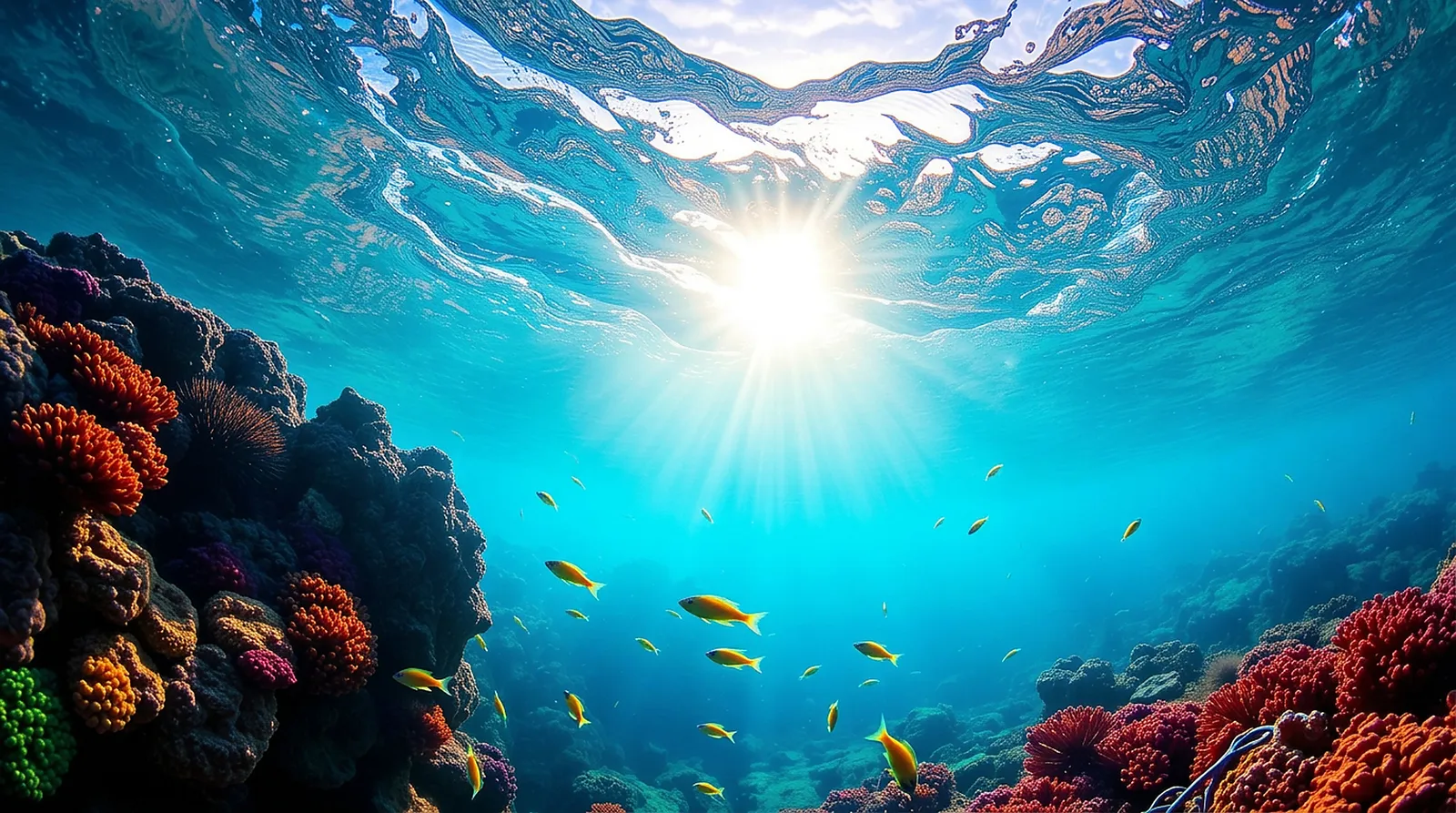
Conditions in November
November in Australia ushers in a fascinating transition, offering a diverse array of diving conditions across its vast coastline. As the southern hemisphere slides towards summer, different regions experience distinct changes. On the Great Barrier Reef (GBR), expect warmer waters and generally calmer seas, though the northern reaches can start to see an increased chance of tropical showers towards the end of the month as the wet season approaches. Water temperatures on the GBR typically range from a comfortable 27-29°C (81-84°F), providing ideal conditions for extended dives. Visibility here remains excellent, often exceeding 20-30 meters, especially on the outer reefs. Currents are generally mild to moderate, depending on the specific dive site and tidal movements, making it accessible for a wide range of dive experience levels.
Moving south, destinations like the Ningaloo Reef in Western Australia also experience rising temperatures, with waters hovering around 24-26°C (75-79°F). Visibility at Ningaloo is usually superb, often 15-25 meters, and while swells can occur on exposed sites, many of the inner reef dives remain protected and calm. In the more temperate waters off South Australia and Tasmania, November brings the promise of warming waters after the cooler winter months, though still considerably colder than the tropical north. Expect temperatures around 17-20°C (63-68°F) in these southern areas, necessitating thicker wetsuits. Visibility can be more variable, influenced by nutrients and plankton blooms, but can still offer clear days up to 10-20 meters, particularly on calmer days. Currents in these areas can be more pronounced due to oceanographic influences, so a degree of experience is beneficial.
An important consideration for November in some northern parts of Australia, particularly towards the Torres Strait and parts of the Northern Territory, is the increasing humidity and the very early signs of the wet season. While the GBR largely avoids the full force of this until later in the year, it's always wise to check local forecasts. However, for most premier dive destinations, November truly hits a sweet spot, balancing rising temperatures with generally stable weather, making it an excellent time to explore Australia's underwater wonders before the peak crowds and more intense wet season conditions arrive in December and January for the far north.
What you will see
November is a phenomenal month for marine life encounters across Australia, particularly on the Great Barrier Reef. This month marks the tail end of the Dwarf Minke Whale season in the Ribbon Reefs area, meaning that while sightings are less frequent than earlier in the year, you still have a chance for these incredible, intimate encounters if you're lucky. More reliably, November is prime time for shark activity on the outer reefs. Expect to see various reef sharks, including whitetips, blacktips, and grey reef sharks. Pelagic action is on the rise as waters warm, with increased chances of spotting dogtooth tuna, barracuda, and even mackerel. For something truly special, November often brings opportunities to witness the annual coral spawning event on the Great Barrier Reef. This spectacular phenomenon, which usually occurs a few nights after the full moon in November or early December, transforms the reef into an underwater snowstorm of millions of tiny reproductive bundles, a truly unforgettable spectacle of nature's resilience and abundance, attracting a flurry of planktivores and other feeding activity.
On the western coast, Ningaloo Reef shines in November with consistent opportunities for whale shark encounters. While whale shark season technically runs from March to July, the occasional late season stragglers can still be found in November. However, the stars of the show here are the manta rays. With nutrient-rich waters circulating, November is excellent for spotting these majestic creatures gracefully gliding through the water, particularly at cleaning stations. Dugongs are also resident here and sightings are possible. For macro enthusiasts, both the GBR and Ningaloo offer a treasure trove of smaller wonders. Keep an eye out for colourful nudibranchs, leafy scorpionfish, various clownfish species in their anemone homes, and an array of shrimp and crabs hiding among the coral. The increased temperature also stimulates activity in many smaller reef inhabitants, making macro photography particularly rewarding.
Further south, in the cooler waters, November brings its own unique attractions. Off the coast of South Australia, around the Eyre Peninsula, this is an excellent time for Australian sea lion encounters, particularly at places like Hopkins Island. These playful pinnipeds are curious and interactive, offering incredible photo opportunities. For the truly adventurous, November can be a prime time for great white shark cage diving in the Neptune Islands, as the sharks become more active. While not for everyone, it is undeniably a bucket-list experience for those seeking an adrenaline rush. In Tasmania, you'll find the enchanting endemic handfish and weedy seadragons amidst the kelp forests, enjoying the slightly warmer waters. The diverse marine ecosystems of Australia ensure that no matter where you dive in November, you're in for a treat, from the smallest reef critter to the largest pelagic wonder.
Top dive sites this month
For an unforgettable November dive trip, you absolutely cannot miss the Ribbon Reefs on the Great Barrier Reef, accessed typically via liveaboard from Cairns or Port Douglas. Sites like Cod Hole, famous for its resident potato cod, and Pixie Pinnacle offer superb reef diving with excellent visibility and abundant fish life. The possibility of encountering opportunistic manta rays or late-season dwarf minke whales here adds an extra layer of excitement. Following the full moon, some liveaboards even offer dedicated trips to witness the coral spawning event, which is an experience you'll talk about for years.
Another must-visit in November is Ningaloo Reef in Western Australia, particularly the sites around Coral Bay and Exmouth. Here, drift diving through passages like Battlestar Galactica offers encounters with schooling fish, reef sharks, and excellent soft coral gardens. For consistent manta ray encounters, the cleaning stations around Manta Ray Bay near Coral Bay are a highlight. And for a unique temperate water experience, the iconic Hopkins Island off Port Lincoln in South Australia provides unparalleled interactions with playful Australian sea lions in crystal-clear waters. Just be prepared for slightly cooler temperatures and bring a thicker wetsuit for these southern adventures.
Practical tips for your trip
For diving on the Great Barrier Reef in November, a 3mm shorty or full-length wetsuit will be perfectly adequate given the warm water temperatures of 27-29°C (81-84°F). If you're planning longer dives or are prone to getting cold, a 5mm full suit might offer extra comfort, but it's rarely essential. This month is fantastic for both beginners and experienced divers on the GBR due to generally calm conditions and excellent visibility. Liveaboard availability tends to be good, though if you're aiming for a coral spawning specific trip, book well in advance as these can fill up quickly. For Ningaloo, a 3mm to 5mm full suit is appropriate, with water temperatures around 24-26°C (75-79°F). While some sites can be done shore-based, accessing the best of Ningaloo, especially for manta encounters, often requires day boats or short liveaboard trips.
If you're heading to the southern waters, such as South Australia or Tasmania, be prepared for cooler temperatures. A 7mm wetsuit or even a drysuit is recommended, with water temperatures ranging from 17-20°C (63-68°F). These southern destinations often cater more to advanced divers due to potentially stronger currents and cooler conditions, though some sheltered sites are suitable for all levels. Regardless of where you're diving, pack light, breathable clothing for above deck, and always have sun protection – hat, sunglasses, and reef-safe sunscreen are non-negotiable. Be aware that November can see increased humidity in the far north of Australia, so prepare for warmer land temperatures too. Also, always clarify entry requirements and internal flight connections, as Australia is a vast continent, and travel times between dive regions can be significant. Enjoy your adventure down under!
Year-round overview for Australia
Frequently asked questions
Is November a good month to dive in Australia?
What can you see diving in Australia in November?
Should I book a Australia liveaboard for November or wait?
Find a liveaboard for November
Compare available Australia liveaboards departing in November.
Search and Book