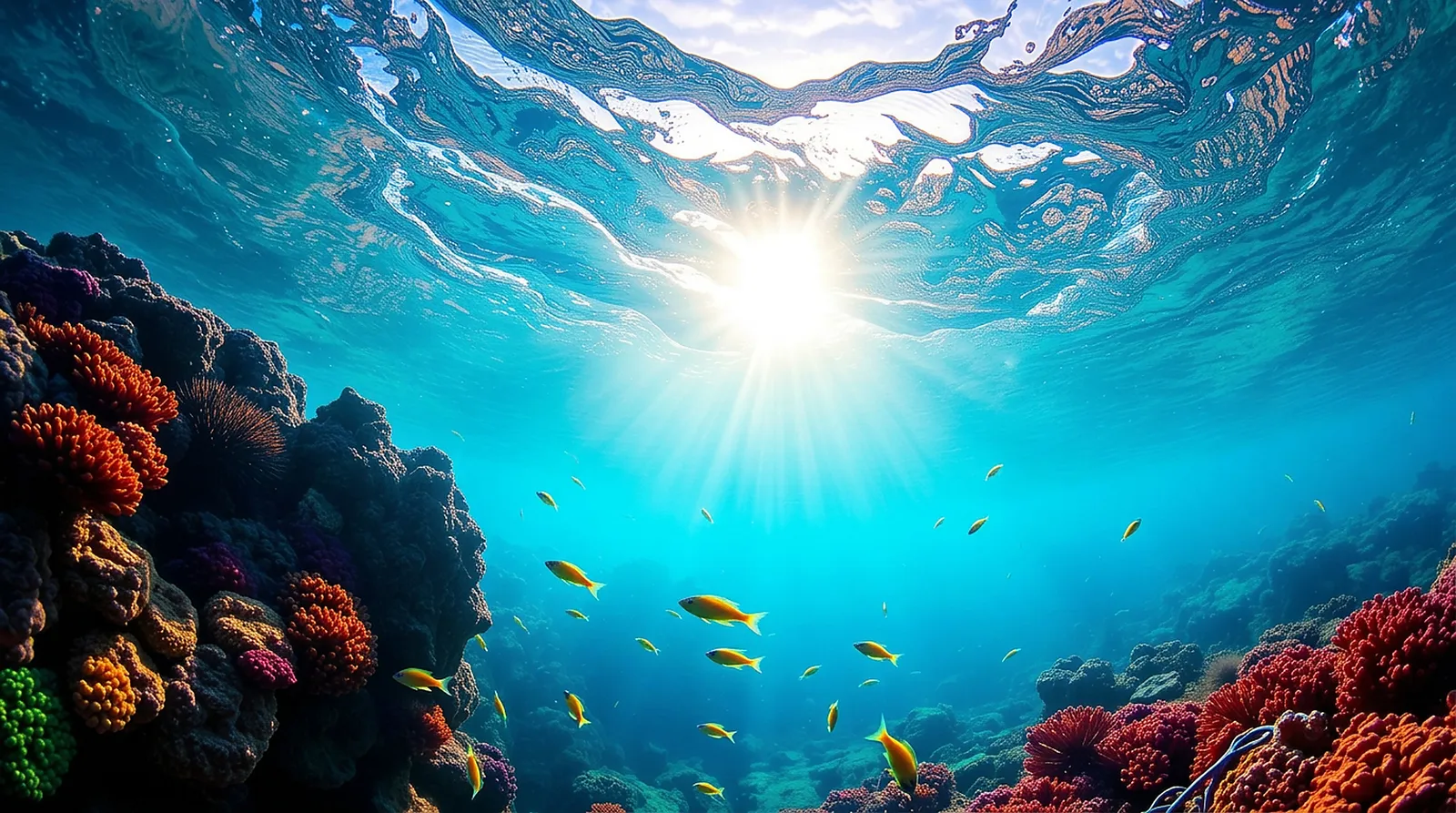
Conditions in December
Planning a dive trip to Australia in December? You're looking at prime time for some regions and the beginning of the wet season for others. Generally, December marks the unofficial start of summer down under, bringing warmer waters and often calmer seas to large swathes of the coast. On the Great Barrier Reef (GBR), expect water temperatures to hover comfortably around 27-30°C (81-86°F). Visibility on the GBR can be excellent, often reaching 20-30 meters, especially on the outer reefs, though localized rainfall towards the end of the month may reduce it slightly closer to shore.
Further south, places like South Australia and Tasmania will also experience warmer conditions, with water temperatures ranging from 18-22°C (64-72°F). While this is still a drysuit or thicker wetsuit region for some, it’s significantly milder than the cooler months. Current conditions are generally manageable across most popular dive areas. However, keep in mind that December also marks the official start of the northern Australia monsoon season in regions like the Kimberley and some parts of the Northern Territory. While remote, this can bring heavy rains and potential cyclonic activity, impacting diving operations in affected areas.
For destinations like Western Australia's Ningaloo Reef, December sees consistently warm waters, usually between 25-28°C (77-82°F), with excellent visibility often exceeding 25 meters. The waters tend to be calm, offering fantastic conditions for exploring. While the GBR can see increased rainfall in late December, it rarely translates to unfavorable diving conditions on the outer reefs, as strong currents usually flush any sediment. However, if you're looking for absolutely pristine dry conditions, early December is often a safer bet before the monsoon truly kicks in further north.
What you will see
December diving in Australia is absolutely buzzing with marine life. On the Great Barrier Reef, you’ll be immersed in a vibrant spectacle. This is a fantastic time for pelagic encounters, with various species of reef sharks, including Grey Reef Sharks and White-tip Reef Sharks, cruising the reef edges. Keep an eye out for schooling barracuda, trevally, and fusiliers, creating mesmerizing displays. Manta rays are often spotted at cleaning stations on outer reefs like Opal Reef and Ribbon Reefs, providing unforgettable close encounters. The warmer waters also mean increased activity from smaller, colorful reef fish, making for fantastic macro photography opportunities with nudibranchs, pipefish, and various crustaceans.
If you venture to Ningaloo Reef in Western Australia, December offers good chances to spot whale sharks, though their peak season is typically earlier in the year. However, the warmer waters increase general marine activity, with plenty of reef sharks, turtles (Green, Loggerhead, and Hawksbill), and a dazzling array of hard and soft corals. For something truly unique, consider an expedition to the South Australian coast, where December begins to see the aggregation of Leafy Sea Dragons in cooler shallows around Adelaide and Kangaroo Island. This is a special time to witness these ethereal creatures in their natural habitat, often amidst kelp forests and rocky reefs.
On the East Coast, outside the GBR, sites around Sydney and the Tasman Sea can offer encounters with Grey Nurse Sharks, particularly at areas like Magic Point. While not as warm as the tropical north, these waters are rich in temperate marine life, with impressive aggregations of schooling fish and curious fur seals. December’s generally calmer sea conditions across wider areas of Australia mean divers can access more remote sites, increasing the chances of diverse and rewarding marine life encounters, from the smallest macro subjects to impressive pelagic species.
Top dive sites this month
For an unparalleled December experience, the Ribbon Reefs in the far northern Great Barrier Reef are hard to beat. Accessible primarily by liveaboard from Cairns or Port Douglas, these reefs offer astounding visibility and a high chance of spotting Minke whales earlier in the month, alongside resident sharks, enormous potato cod at Cod Hole, and vibrant coral gardens. Sites like Pixie Pinnacle and Lighthouse Bommie here are simply sensational for both wide-angle and macro photography.
Another must-visit in December is Osprey Reef, located in the Coral Sea. This remote oceanic reef, also accessed via liveaboard, is famous for its exhilarating shark dives, particularly with Grey Reef Sharks, Silvertips, and sometimes Hammerheads. The sheer walls and deep drop-offs are pristine, and the pelagic action is often phenomenal. The warmer December currents bring an abundance of food, attracting these larger predators.
For something completely different, explore the temperate waters around Kangaroo Island in South Australia. While the water is cooler, the opportunity to dive with Leafy Sea Dragons at sites like Rapid Bay Jetty and Second Valley Jetty is unmatched. December conditions are usually pleasant for shore diving, and the intricate ecosystems of the jetties offer rich biodiversity beyond the sea dragons.
Practical tips for your trip
For diving the Great Barrier Reef or Ningaloo in December, a 3mm shorty or full wetsuit will usually suffice, given the warm water temperatures of 27-30°C (81-86°F). If you plan to do multiple dives daily, a 5mm suit might offer a bit more comfort. For southern Australia (e.g., Kangaroo Island or Sydney), a 5mm or 7mm full wetsuit, or even a drysuit, is recommended as temperatures are 18-22°C (64-72°F). This month largely suits all levels of divers; the GBR offers plenty of sheltered, shallow sites for beginners, while the remote Coral Sea sites like Osprey Reef are more suited to experienced divers due to deeper profiles and stronger currents.
Liveaboard availability for December, especially over the Christmas and New Year period, can be extremely tight. It’s crucial to book your trip many months in advance – ideally 6-12 months out – to secure your preferred itinerary with Blue Rides. Popular GBR and Coral Sea liveaboards fill up very quickly. What to pack? Light, breathable clothing for above deck, plenty of sun protection (reef-safe sunscreen, hat, sunglasses), insect repellent for evenings on land, and your camera gear. Given the warmer conditions, staying hydrated is key.
Be aware that December in Northern Australia does mean the start of the wet season. While this primarily affects land-based activities closer to shore and some remote areas, it’s always wise to check local weather forecasts. While liveaboards are well-equipped to handle tropical showers, a significant cyclonic event could impact itineraries. However, such events are usually well-forecasted, and alternative arrangements are made. Overall, December in Australia offers world-class diving, whether you’re seeking vibrant tropical reefs or unique temperate marine life.
Year-round overview for Australia
Frequently asked questions
Is December a good month to dive in Australia?
What can you see diving in Australia in December?
Should I book a Australia liveaboard for December or wait?
Find a liveaboard for December
Compare available Australia liveaboards departing in December.
Search and Book