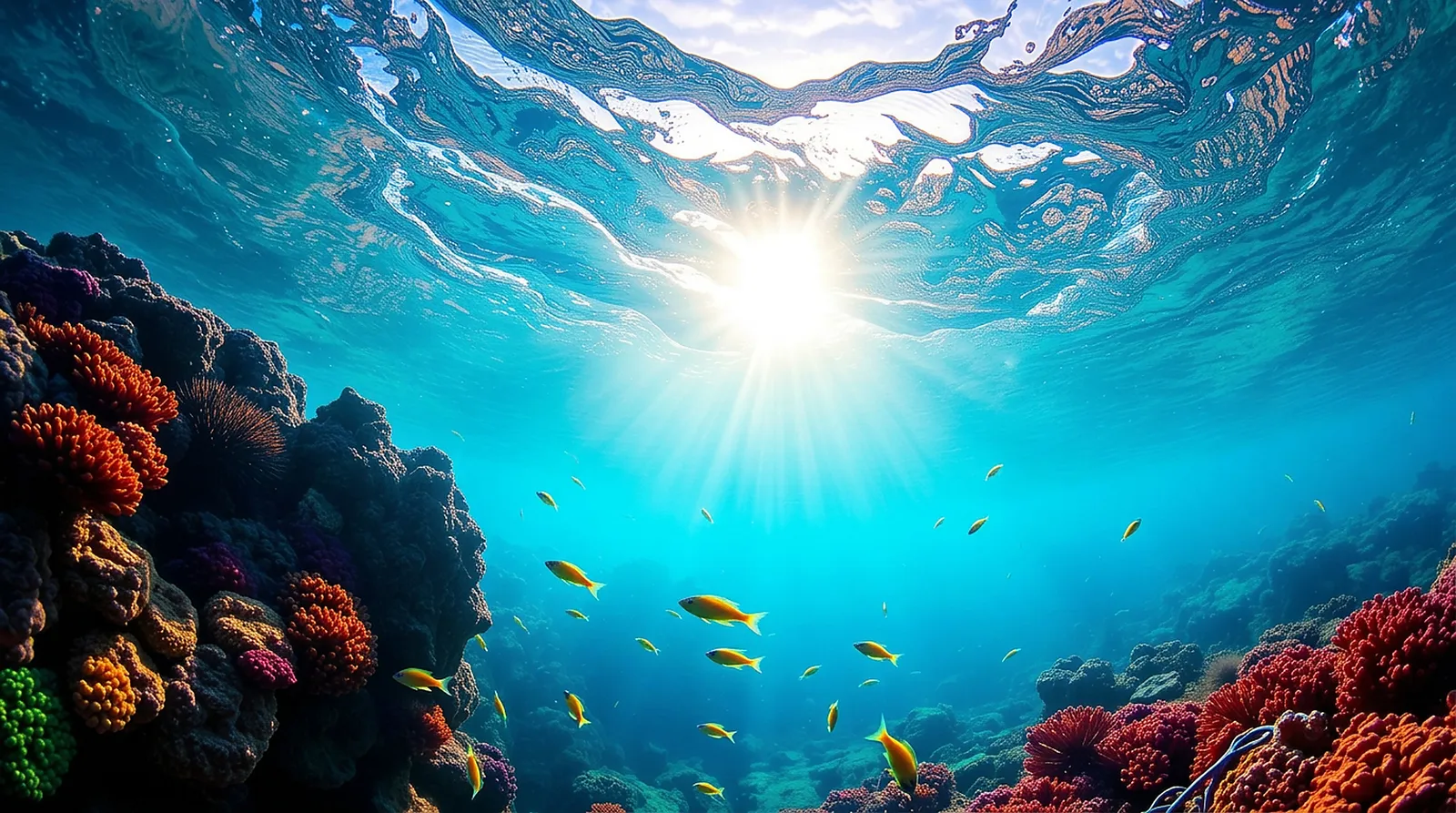
Conditions in February
So, you're eyeing Australia for a dive trip in February, huh? Good choice – if you know where to look. February sits right in the thick of summer for most of Australia, which means warm waters but also, in some key diving regions, it's the peak of the wet season. Down south, the conditions are generally glorious. Think sunshine, calm seas, and crystal-clear waters along the temperate coasts of South Australia and Victoria. Water temperatures here will typically range from a comfortable 20°C to 24°C (68°F to 75°F), offering splendid visibility that can easily push past 20-30 meters.
However, venture north to the Great Barrier Reef (GBR) and other Tropical North Queensland dive areas, and it's a different story. February is slap-bang in the middle of the monsoon season. This means higher chances of rain, which can lead to reduced visibility closer to the coast as river runoff spills into the ocean. Tropical cyclones are also a possibility this time of year, which can disrupt liveaboard schedules and lead to cancellations – something you definitely need to factor into your planning. That said, further offshore on the outer reefs, the visibility can still be excellent, often exceeding 20 meters, though not always the consistent 30-40 meters you might find in drier months. Water temperatures up north are bathwater warm, usually a balmy 28°C to 30°C (82°F to 86°F), so you'll be toasty even in just a rash vest or a thin wetsuit. Currents are generally mild to moderate across most popular dive sites but can pick up at certain exposed locations, particularly during spring tides.
What you will see
February diving in Australia truly offers a kaleidoscope of marine life, though your sightings will heavily depend on your chosen region. Off the southern coast, particularly around South Australia and Tasmania, February is prime time for magnificent Leafy Sea Dragons and Weedy Sea Dragons. These incredible, camouflaged creatures are a real highlight, and the warmer waters make extended dives more comfortable as you search for them amongst the kelp forests. You might also encounter playful Australian Sea Lions and a diverse array of temperate fish species. For macro enthusiasts, the nudibranch population is usually thriving, offering endless photographic opportunities.
Up on the Great Barrier Reef, despite the wet season, February can be a fantastic time for certain pelagic encounters. The warmer waters and increased productivity can attract schooling fish and larger predators. While specific manta ray aggregations are more prominent later in the year, you still have good chances of encountering reef manta rays sporadically, especially around cleaning stations at sites further offshore. Various reef sharks – including white-tip, black-tip, and grey reef sharks – are common residents and can be seen cruising the reef edges. Keep a keen eye out for leopard sharks (zebra sharks) resting on the sandy bottoms.
While not a specific aggregation month, the GBR's resident marine life is always impressive. Expect vibrant reef fish, turtles (green, loggerhead, hawksbill), massive potato cod at famous sites, trevally, giant groupers, and moray eels. The coral spawning season typically wraps up by January, but the reefs are still recovering and thriving, displaying an abundance of hard and soft corals. Don't forget the smaller critters too; there's always an array of nudibranchs, pipefish, and various crustaceans hidden within the intricate coral structures.
Top dive sites this month
If you're heading south in February, you absolutely must consider the diving around the Eyre Peninsula in South Australia. Specifically, sites around Port Lincoln, like the renowned Hopkins Island for interacting with Australian Sea Lions, are incredible. For the holy grail of Leafy Sea Dragons, the waters around Edithburgh Jetty and other jetties along the Yorke Peninsula offer exceptional opportunities. These temperate waters are at their very best in February for comfort and visibility.
For those venturing to the GBR, sticking to the outer reefs provides the best chance for clearer waters and consistent sightings. Look for liveaboards heading to the Ribbon Reefs or the Coral Sea, further offshore from Cairns. Sites like Cod Hole are a perennial favourite for its resident giant potato cod. While not GBR strictly, a special mention goes to the Yongala Wreck off Townsville, which is an ecological hotspot teeming with marine life, and February is a perfectly viable time to dive this iconic site, though liveaboard schedules can be weather-dependent.
Practical tips for your trip
Given the varied conditions, your packing list and wetsuit choice for Australia in February will depend heavily on your destination. For the southern temperate waters, a 5mm wetsuit is generally ideal for comfort during longer dives, though many divers will be fine in a 3mm steamer. Up north on the GBR, a 3mm shorty or even just a rash vest will suffice for most, given the incredibly warm water temperatures. However, consider a full-length suit or rash vest for protection against sun and any potential jellyfish, especially since it’s still box jellyfish season in coastal northern waters, though outer reef liveaboards are generally considered safer. A good reef-safe sunscreen and a wide-brimmed hat are non-negotiable for both regions.
February diving in Australia caters to a wide range of divers. Beginners will find the calm, warm waters of the outer GBR very welcoming, provided liveaboard schedules aren't disrupted by weather. The temperate diving down south is also generally suitable for all levels. More advanced divers will relish the opportunities for deeper wrecks and potentially more challenging drift dives in various locations. Liveaboard availability on the GBR can sometimes be affected by cyclone season, so booking flexibly and checking cancellation policies is crucial. Always have comprehensive travel insurance that covers dive-related incidents and trip interruptions. Be aware that this is generally a busy tourist season for Australia overall, so booking flights and accommodation well in advance is highly recommended. While you're there, don’t forget to check local advisories, especially concerning marine stingers in the north and any temporary area closures.
Year-round overview for Australia
Frequently asked questions
Is February a good month to dive in Australia?
What can you see diving in Australia in February?
Should I book a Australia liveaboard for February or wait?
Find a liveaboard for February
Compare available Australia liveaboards departing in February.
Search and Book