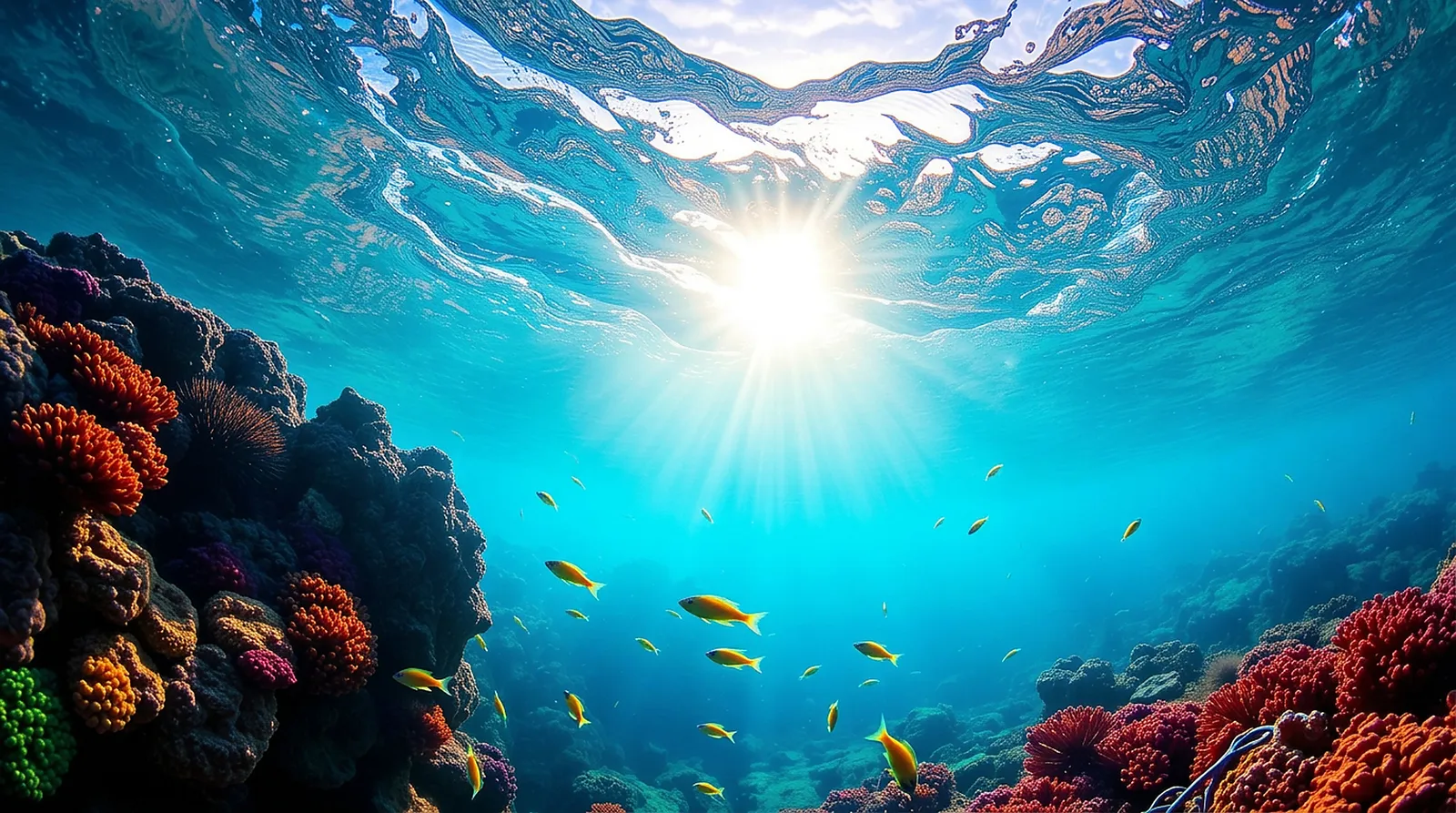
Conditions in March
So, you're eyeing Australia for a dive trip in March? Excellent choice! Australia’s sprawling coastline offers a diverse range of diving experiences, and March generally falls at the tail end of the wet season in some northern regions, transitioning into more settled conditions. Along the Great Barrier Reef (GBR), expect water temperatures to be delightfully warm, typically hovering between 27-30°C (81-86°F). Visibility, while generally good, can vary slightly. Towards the northern sections of the GBR, after periods of rain, visibility might be around 15-25 meters, but in the outer reefs, it often pushes past 30 meters. Sea states are usually calm to moderate, making for comfortable liveaboard cruising and diving.
As you move south, conditions start to cool slightly. In areas like the Coral Sea, water temperatures remain warm, usually around 26-28°C (79-82°F), with consistently excellent visibility often exceeding 30-40 meters. Head further south to Western Australia's Ningaloo Reef, and you'll find similar warm waters, usually between 26-29°C (79-84°F), with visibility often in the 20-30 meter range. Currents are generally mild to moderate across most popular dive areas in March, though drift dives are always a possibility and are carefully managed by dive operators. It’s worth noting that while cyclone season officially runs from November to April in northern Australia, March is generally transitioning out of the peak, but it’s always wise to check local forecasts closer to your travel date.
What you will see
March is a truly phenomenal month for marine life encounters in Australia. For starters, it’s prime time for whale sharks at Ningaloo Reef in Western Australia. These gentle giants congregate en masse, and swimming alongside them is an absolute bucket-list experience. You’ll also encounter a vibrant array of reef sharks, including whitetips, blacktips, and grey reef sharks, particularly prevalent on the outer reefs of the GBR and in the Coral Sea. Large pelagic schools, such as barracuda and trevally, are common sights, often circling reef structures.
Manta rays are also frequently encountered, especially around sites known for cleaning stations. While not a specific aggregation month for all species, March still provides fantastic opportunities to see various reef fish, vibrant coral gardens, and a host of macro life. Nudibranchs, pygmy seahorses, and various crustaceans thrive across Australia's diverse reef systems. On the GBR, huge potato cod are often found at specific sites, and the sheer biodiversity within the coral structures will keep even the most seasoned diver captivated with an endless array of reef inhabitants. If you're lucky, you might even spot an occasional dugong or turtle gracefully gliding through the water.
Top dive sites this month
If you're heading to Australia in March, your top destinations should definitely include Ningaloo Reef in Western Australia. This UNESCO World Heritage site is *the* place to be for incredible whale shark encounters, which typically run from March to June. Liveaboards here offer unparalleled access to these majestic creatures. On the east coast, the Ribbon Reefs in the northern Great Barrier Reef are fantastic. Sites like Cod Hole and Pixie Pinnacle offer guaranteed action with giant potato cod and incredible reef topography. The Outer Ribbons are also excellent for pelagics and healthier coral formations.
Further into the Coral Sea, Osprey Reef is another absolute must-visit. Known for its spectacular walls, consistent shark action (including silvertips, grey reef sharks, and even hammerheads if you're lucky), and incredible visibility, Osprey promises exhilarating diving. Sites like North Horn are famous for their shark feeds (though some liveaboards no longer conduct them, you still get plenty of shark action). While not a specific "hot" month for large aggregations in the south, the Yongala Wreck off Townsville remains an exceptional dive year-round – a giant artificial reef teeming with marine life.
Practical tips for your trip
Given the warm water temperatures in March across most of Australia's prime dive spots, a 3mm shorty or full wetsuit will generally suffice to keep you comfortable. For those who chill easily or plan multiple dives per day, a 5mm suit might be preferable, especially on liveaboards where you’re constantly entering and exiting the water. This month is incredibly versatile, suiting both beginners and advanced divers. Beginner divers will find plenty of sheltered, shallow sites in the GBR, while advanced divers can explore deep walls, wrecks, and thrilling drift dives.
Liveaboard availability in March can be competitive, especially for popular itineraries like Ningaloo Reef due to the whale shark season. Booking well in advance (6-12 months out) is highly recommended to secure your preferred vessel and cabin. Beyond your standard dive gear, consider packing reef-safe sunscreen, a wide-brimmed hat, polarized sunglasses, and light, breathable clothing. A good underwater camera is a must to capture the incredible marine life. Also, be aware of marine stingers, particularly in northern Queensland waters, where stinger suits are often provided by operators during the wet season and are a sensible precaution. Finally, always have comprehensive dive insurance and travel insurance, and be prepared for potential itinerary changes due to weather, although significant disruptions are rare in March.
Year-round overview for Australia
Frequently asked questions
Is March a good month to dive in Australia?
What can you see diving in Australia in March?
Should I book a Australia liveaboard for March or wait?
Find a liveaboard for March
Compare available Australia liveaboards departing in March.
Search and Book