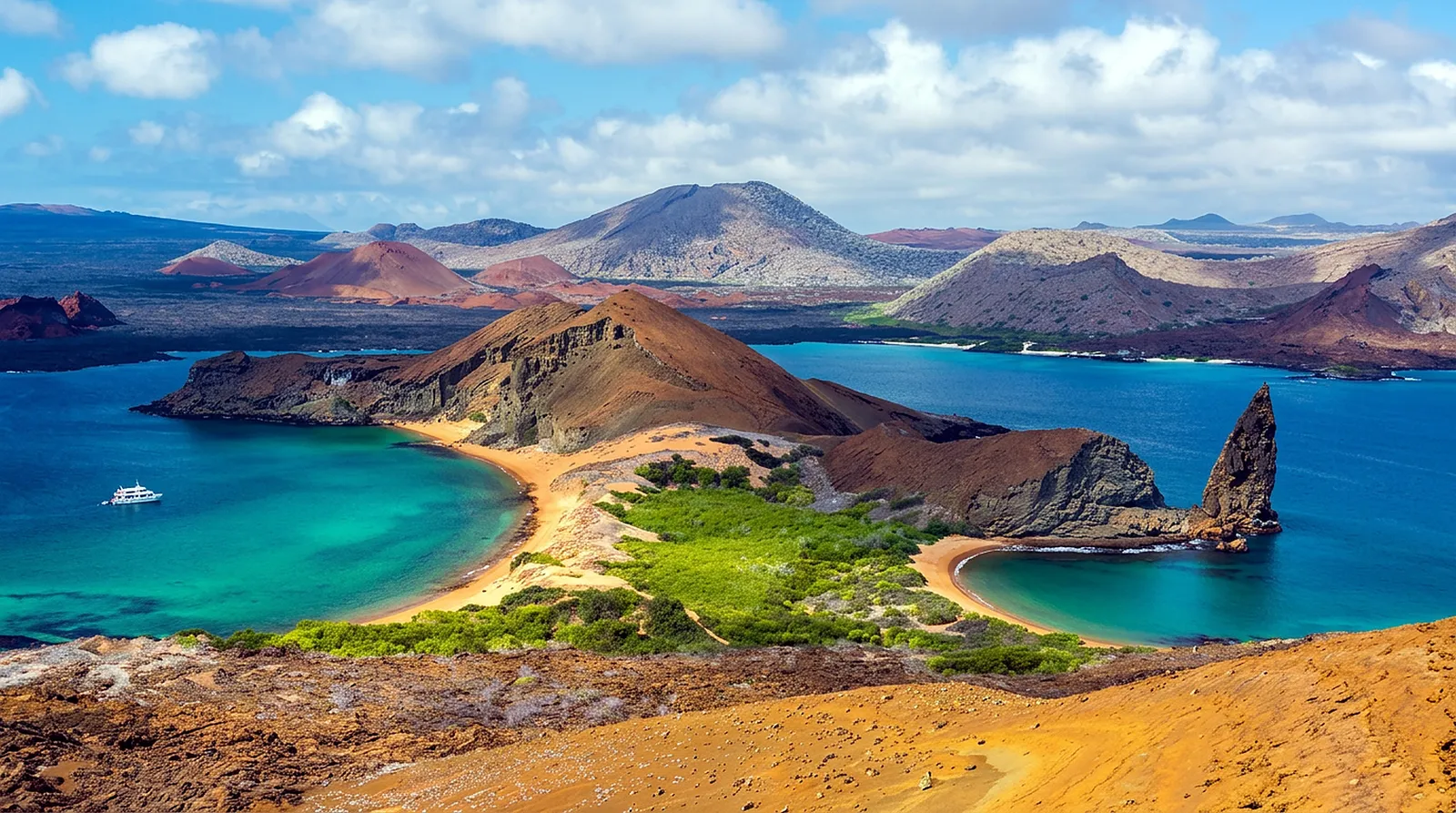
Conditions in March
You're thinking about diving the Galápagos in March? Excellent choice! You’re hitting the tail end of the warm, wet season, which is a fantastic sweet spot for varied conditions. Picture this: the air temperature hangs comfortably around 27-30°C (81-86°F). It's warm, often sunny, but don't be surprised by an occasional tropical shower; that's just the islands doing their thing during this time of year. There’s a beautiful lushness to the land thanks to these rains, which really paints a vibrant backdrop for your adventure.
Underwater, things are equally inviting. Water temperatures are generally on the warmer side for Galápagos, typically ranging from a very pleasant 24-26°C (75-79°F). This is a welcome change from the colder months, making for longer, more comfortable dives. While you won't encounter the super-chilly thermoclines that characterize the cooler season, you still might experience some minor temperature fluctuations, particularly at depth or in certain areas. Sea conditions are generally calmer in March compared to the colder, windier season, but it's the ocean, so always expect some movement. You’ll be on a liveaboard, though, so you’ll be finding the most sheltered spots when needed.
Visibility in March is a bit of a mixed bag, but generally good. Expect anywhere from 10-20 meters (33-66 feet), sometimes more. The warmer waters can occasionally lead to increased plankton blooms, which, while reducing visibility slightly, are also the very reason the Galápagos is so rich in marine life – they’re the base of the food chain! Currents are always a factor in Galápagos, and March is no exception. You’ll encounter moderate to strong currents at many of the iconic dive sites, which are fantastic for drift diving and attracting large pelagics, but also require good buoyancy control and experience.
What you will see
March in Galápagos is prime time for encounters, especially if you're keen on seeing the big stuff. The warmer waters are like a magnet for a huge variety of marine life. You’re almost guaranteed to see significant numbers of hammerhead sharks, often schooling in impressive formations, especially around Darwin and Wolf Islands. These aren't just fleeting glimpses; these are often sustained observations of these magnificent creatures cruising past. You'll also likely encounter Galápagos sharks, silky sharks, and, if you're lucky, the elusive tiger shark. The whale sharks don't typically make their big appearance until the colder months, but there’s always a chance for an early bird sighting.
Beyond the sharks, you're in for a treat. March sees plenty of mobula rays and eagle rays gracing the shallows and deeper waters, often in graceful formations. Manta rays are also frequently spotted, particularly near cleaning stations where you can watch them being attended to by smaller fish. The sea lion colonies are active, and these playful creatures are always eager to interact with divers, twisting and turning around you with incredible agility. Green sea turtles are abundant, often seen munching on algae or resting on ledges.
Don't forget the smaller, yet equally incredible, inhabitants! The endemic Galápagos horn shark, various species of moray eels, and vibrant reef fish are everywhere. While macro diving isn't the primary draw of Galápagos, you'll still find interesting nudibranchs, crabs, and shrimp tucked away in crevices. Keep an eye out for marine iguanas, especially around Isabella and Fernandina; you might catch them foraging underwater, a truly unique sight. March is a fantastic crossover month, allowing you to experience the vibrant reef life along with the thrilling pelagic action.
Top dive sites this month
For truly epic diving in March, your liveaboard will undoubtedly be heading north to the legendary islands of Darwin and Wolf. These remote outposts are world-renowned for a reason, and in March, they are absolutely buzzing. At sites like El Arco (Darwin's Arch) and The Wall around Darwin, you're almost guaranteed to be blown away by the sheer numbers of schooling hammerheads, often accompanied by silky sharks and immense schools of jacks and tuna. The currents here are strong, adding to the exhilaration, and these sites are consistently fantastic during this warmer period.
Wolf Island, with sites like Shark Bay and The Caves, offers equally thrilling encounters. Expect more hammerheads, Galápagos sharks, and large schools of fish. These northern sites are where the big pelagic action is concentrated, and March conditions are highly favorable for these incredible aggregations. Closer to the central islands, Gordon Rocks, near Santa Cruz, is a dynamic dive site where you'll find Galápagos sharks, reef sharks, mobula rays, and a healthy population of sea lions. It’s often considered a warm-up for the northern sites, and in March, it can be particularly vibrant.
Practical tips for your trip
Given the warmer water temperatures in March, a 5mm wetsuit will be perfect for most divers. If you tend to get cold easily, or plan on doing multiple dives a day (which you will!), a 7mm suit might offer extra comfort, especially if you anticipate some time in thermoclines. Consider bringing a hooded vest for additional warmth on those longer dives. This time of year is generally suitable for intermediate to advanced divers. While seas can be calmer, the strong currents and potential for open-ocean environments mean that good buoyancy control, comfort in currents, and a decent level of experience are highly recommended.
Liveaboard availability in March can be competitive, as it’s a popular shoulder season with excellent conditions, so you'll want to book your trip well in advance – think 6-12 months out, especially for premium boats. What to pack? Lightweight, breathable clothing for topside, a good reef-safe sunscreen, a wide-brimmed hat, polarized sunglasses, and seasickness medication (just in case!). Don’t forget a dry bag for electronics and a camera with plenty of storage and spare batteries. Be aware that the sun is strong at the equator, so be diligent about sun protection. Embrace the currents, enjoy the show, and get ready for one of the most incredible diving experiences of your life!
Year-round overview for the Galápagos
Frequently asked questions
Is March a good month to dive in the Galápagos?
What can you see diving in the Galápagos in March?
Should I book a the Galápagos liveaboard for March or wait?
Find a liveaboard for March
Compare available the Galápagos liveaboards departing in March.
Search and Book