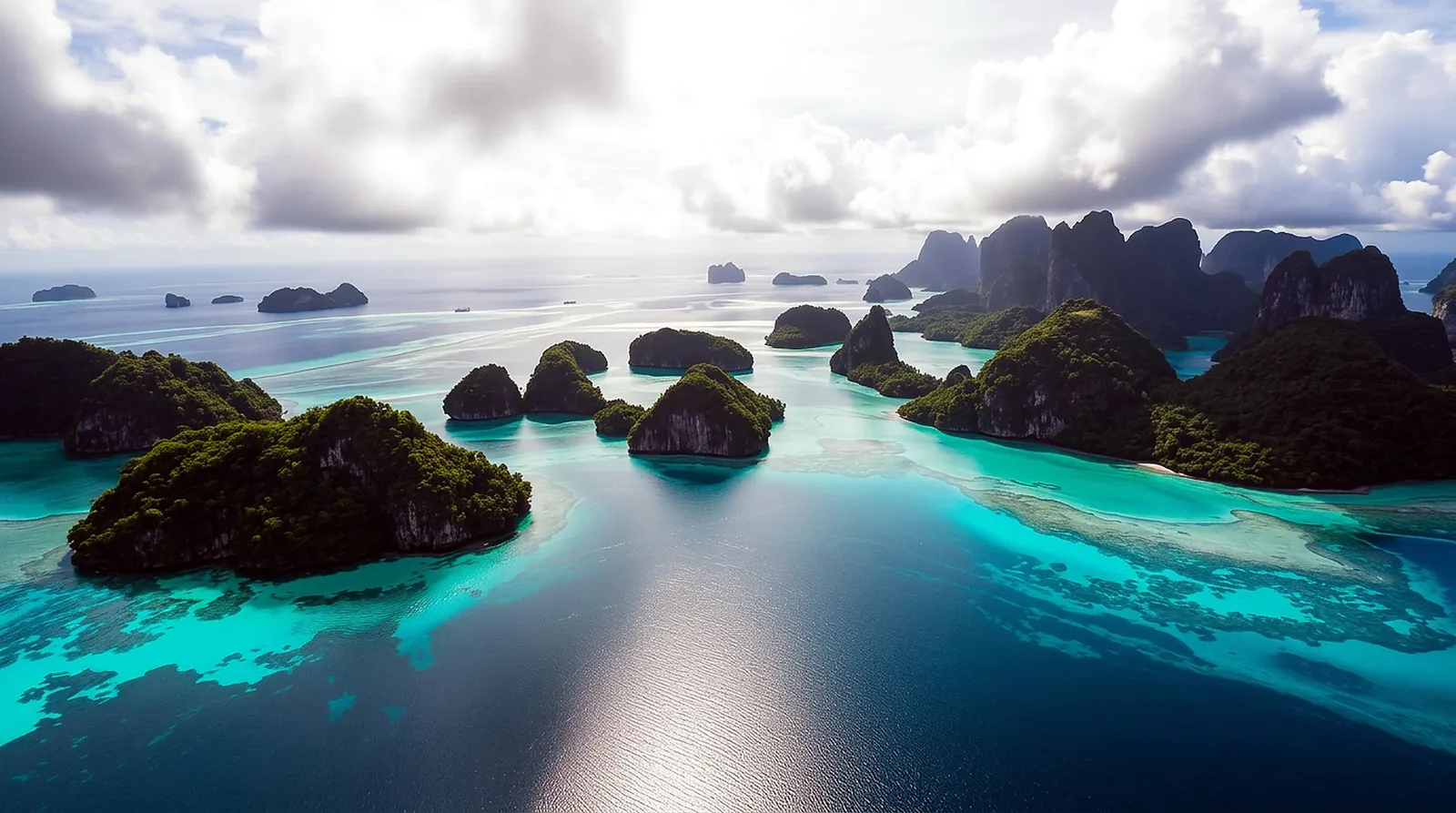
Conditions in March
March in Indonesia is an interesting time for divers, marking a transition period across various regions. For many parts of the country, particularly the eastern areas like Raja Ampat and Komodo, you're looking at the tail end of the dry season, or the very beginning of its transition. This generally means stable weather, though occasional tropical showers aren't unheard of. Sea conditions are typically calm to moderate, making for comfortable boat rides and easy entries. Water temperatures are wonderfully warm across most popular dive destinations, hovering around 27-30°C (81-86°F). This is a dream for many, allowing for longer dives with minimal thermal discomfort.
Visibility, however, can be a mixed bag depending on where you are. In areas like Raja Ampat, which benefits from rich nutrient upwellings, visibility generally ranges from 15-25 meters. While not always crystal clear like some other dive meccas, this nutrient-rich water is precisely what fuels the region's incredible biodiversity. In contrast, places further west might experience slightly reduced visibility in March due to the shifting monsoon patterns, though it rarely drops below 10-15 meters in prime spots. Currents are always a factor in Indonesia, regardless of the month, and March is no exception. Expect mild to moderate currents in many areas, particularly around passes and exposed reefs, which are often where the big action happens. Always be prepared for some drift diving, it’s part of the Indonesian experience.
What you will see
March is a fantastic month for pelagic encounters in many parts of Indonesia. In Raja Ampat, for instance, you're still within the prime season for seeing majestic manta rays. Sites like Manta Ridge and Manta Sandy are phenomenal for witnessing these graceful giants feeding and getting cleaned. You might also encounter schools of barracuda, jacks, and various reef sharks patrolling the reefs. The sheer density of fish life in Raja Ampat is legendary, and March offers an incredible kaleidoscope of colors and species from pygmy seahorses to wobbegong sharks hiding under coral ledges.
If you venture to Komodo, March offers increasingly good chances for encountering larger pelagics as the waters begin to warm further. Manta rays are also a highlight here, particularly at dive sites like Manta Point and Makassar Reef. Komodo's strong currents nourish vibrant coral reefs, attracting a diverse range of marine life. White-tip and black-tip reef sharks are common, and if you’re lucky, you might spot some larger oceanic sharks or even a pod of dolphins. For macro enthusiasts, areas like Lembeh Strait continue to deliver their world-class muck diving spectacles. Critters like frogfish, flamboyant cuttlefish, and various nudibranchs are abundant year-round, and March is no different. The sheer variety of unique and bizarre creatures waiting to be discovered makes every dive an exciting treasure hunt.
For those seeking unique experiences, the Banda Sea in March offers a more adventurous dive. While it's not the absolute peak season for hammerheads (that's typically later in the year), you can still have incredible encounters with schooling fish, reef sharks, and the occasional pelagic passing through. Its remote location ensures vibrant, untouched reefs teeming with life. Keep your eyes peeled for dogtooth tuna, eagle rays, and a rich diversity of soft and hard corals.
Top dive sites this month
For an unforgettable dive trip in March, your top choices would undoubtedly be Raja Ampat and Komodo. In Raja Ampat, dive sites like Manta Ridge and Manta Sandy in Dampier Strait are consistently exceptional for manta ray encounters. Other must-dives include Cape Kri, famous for its record-breaking fish diversity, and The Passage, a unique channel offering incredible drift dives among karst formations. In Komodo National Park, head to Manta Point and Makassar Reef for more manta action. Batu Bolong, with its pinnacle teeming with reef fish and sharks, and The Cauldron at the northern end, known for its exhilarating currents and incredible pelagic life, are also standout sites.
Another region to consider is the Lembeh Strait in North Sulawesi. While it doesn't boast the pelagic action of Raja Ampat or Komodo, it stands unparalleled for its macro diving. Dive sites like Nudi Falls, Hairball, and Police Pier are renowned for their bizarre and beautiful critters such as flamboyant cuttlefish, mimic octopuses, and countless species of frogfish and nudibranchs. Each of these regions offers a distinct and world-class diving experience that will thrill any underwater enthusiast.
Practical tips for your trip
Given the warm water temperatures of 27-30°C (81-86°F) in most of Indonesia during March, a 3mm shorty or a full 3mm wetsuit will be more than sufficient for most divers. Some warm-blooded individuals might even be comfortable in just board shorts or a skinsuit! This month is generally suitable for all levels of divers. Beginners will appreciate the calmer conditions in many sheltered bays and less current-exposed sites, while experienced divers will revel in the pelagic action found in areas with stronger currents. Always communicate your experience level to your dive guides, who can tailor your dives.
Liveaboard availability in March can vary. While not peak season in all areas, popular destinations like Raja Ampat and Komodo still see a good number of liveaboards operating, especially as the transition periods can offer some fantastic diving. It’s always best to book well in advance, particularly if you have specific dates or a particular liveaboard in mind. Don't forget to pack light tropical clothing, good reef-safe sunscreen, a wide-brimmed hat, and maybe an extra swimsuit. A good quality underwater camera is a must for capturing the incredible marine life. Be aware that travel between islands can sometimes involve domestic flights, so factor in potential delays and plan your itinerary with some buffer time. Also, be mindful of local customs and always respect the marine environment.
Year-round overview for Indonesia
Frequently asked questions
Is March a good month to dive in Indonesia?
What can you see diving in Indonesia in March?
Should I book a Indonesia liveaboard for March or wait?
Find a liveaboard for March
Compare available Indonesia liveaboards departing in March.
Search and Book