Conditions in March
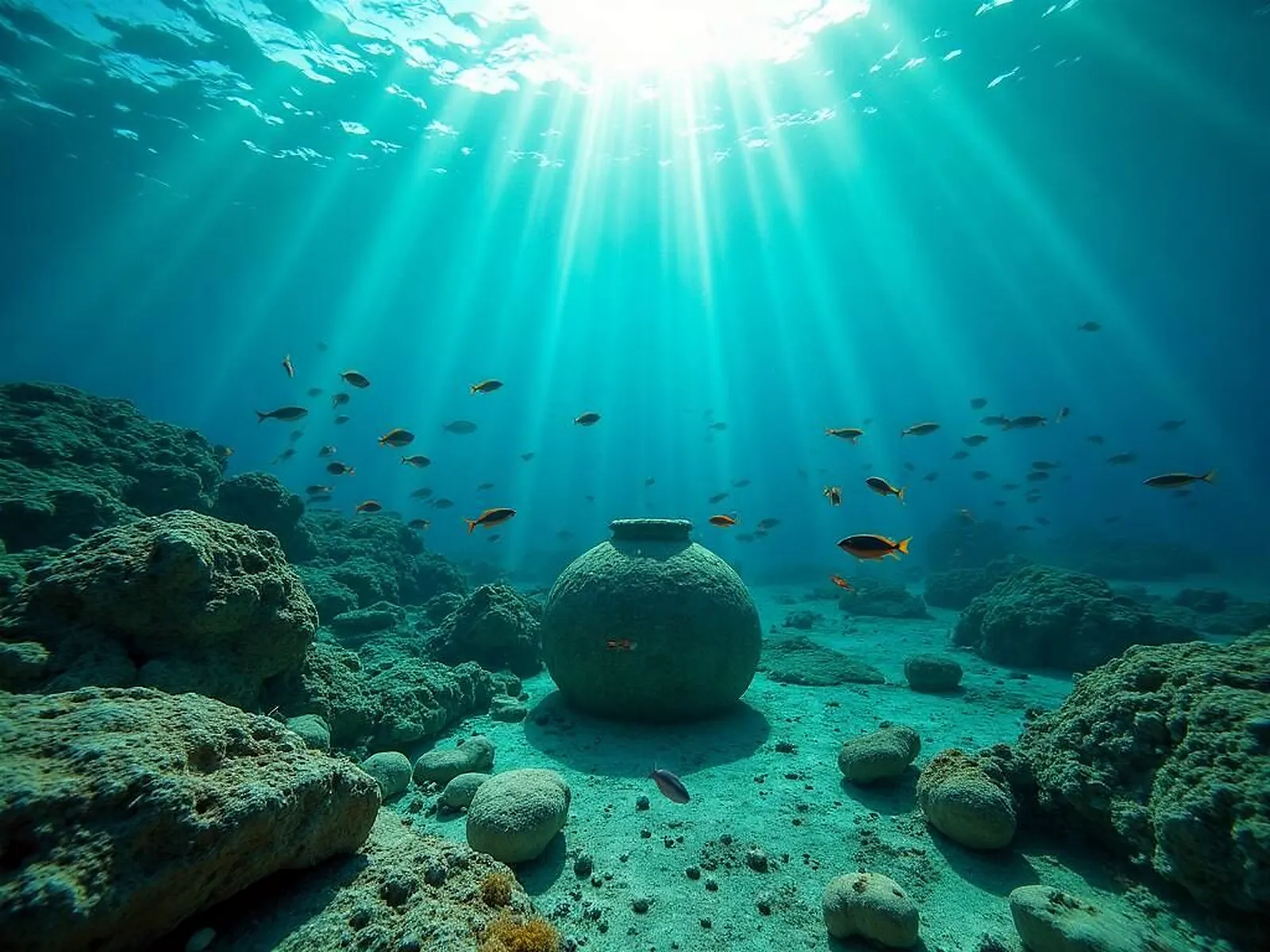
Diving in Turkey during March presents a unique experience, a transition period as the country shakes off the chill of winter and embraces the promise of spring. While not the peak season for sun-worshippers, March offers a distinct advantage for divers seeking quieter sites and a raw, untamed beauty. Expect air temperatures to hover around 10-15°C (50-59°F) along the coast, with sunny days becoming more frequent but still interspersed with cooler, potentially rainy spells. The sea, having absorbed the winter cold, typically maintains a temperature range of 15-17°C (59-63°F). This means a thicker wetsuit is absolutely essential for comfortable diving. You'll likely encounter calm to moderate sea states, especially in sheltered bays, but exposed areas can still experience choppier conditions. Visibility is generally excellent, often exceeding 20-30 meters, thanks to the cooler water and fewer plankton blooms compared to the warmer months. Current levels are typically mild to moderate, making for a manageable experience for most divers, though some sites will always have more dynamic flow.
It's important to understand that March is far from the bustling summer season. This means fewer crowds, a more tranquil atmosphere, and often more relaxed diving schedules. While some smaller operations might still be preparing for the main tourist season, the larger, more established dive centers and liveaboards will be up and running, eager to welcome early-season adventurers. Be prepared for cooler evenings and mornings ashore, so layering your clothing is a smart strategy. The crisp air and often clear skies add to the charm of a spring dive trip, providing a fresh perspective on Turkey's underwater world before the summer rush.
What you will see
March diving in Turkey, while cooler, offers a fantastic opportunity to observe a variety of marine life with clarity and often in less disturbed settings. While large pelagics like manta rays or whale sharks are not typical sightings in Turkey at any time of year, let alone in March, the Mediterranean's unique ecosystem provides its own captivating attractions. You're more likely to encounter larger schools of fish beginning to move closer to shore as water temperatures gradually rise. Look out for schools of barracuda, snapper, and bream. The cooler waters can sometimes bring certain species closer to the surface or into shallower areas, making for interesting encounters.
Macro life truly thrives in the Turkish Mediterranean, and March is no exception. Nudibranchs, sea slugs, and various crustaceans are abundant and often more active in cooler conditions. Keep an eye out for intricate gorgonian corals and sponges that provide habitat for these tiny wonders. Octopuses and cuttlefish are often seen darting amongst the rocks or camouflaged with remarkable skill. While sharks are not a common sighting in Turkey, small reef sharks like dogfish or angel sharks are occasionally spotted, especially in deeper, less disturbed sites. You might also encounter moray eels peering from their rocky crevices or even a lone loggerhead sea turtle, although March is still early in their active season. The clarity of the water allows for excellent photography of the vibrant invertebrate life and diverse marine flora.
Top dive sites this month
For a March dive trip to Turkey, several regions stand out, offering reliable conditions and interesting dives. One excellent choice is the area around Kaş. Known for its clear waters and numerous dive sites, Kaş offers a mix of reefs, wrecks, and caverns. Dive sites like the "Canyon" and "Flying Fish Reef" are particularly beautiful, showcasing vibrant walls and opportunities to spot barracuda and groupers. The "Liberty Wreck," also near Kaş, is a fascinating cargo ship that succumbed in WWII and lies at a manageable depth, providing a historical and ecological wonderland.
Another fantastic option is the Bodrum Peninsula. While perhaps better known for its historical sites, Bodrum offers some compelling dives. The "Pinar I Wreck," a former Turkish Coast Guard patrol boat, is an artificial reef teeming with life and easily accessible. The "Bubble Cave," an underwater cavern with an air pocket, provides a unique experience for adventurous divers. Finally, consider diving around the Fethiye and Öludeniz area. While diving here might be slightly more exposed, sites like "Afkule" offer dramatic walls and deep descents often adorned with colorful sponges and corals, promising excellent visibility in March to appreciate the scale of these underwater landscapes.
Practical tips for your trip
When planning your March dive trip to Turkey, comfort is key. Given the water temperatures of 15-17°C (59-63°F), a 7mm wetsuit is highly recommended. Many divers also opt for an undersuit or a hooded vest to provide extra thermal protection, especially for multiple dives a day. Thick booties and gloves are also essential to prevent heat loss. This month is well-suited for both beginner and advanced divers. Beginners will appreciate the calmer conditions and excellent visibility, while advanced divers can explore deeper wrecks and more challenging sites without the summer crowds.
Liveaboard availability in March is generally good, as it's outside the peak season. You'll find more options and potentially better prices compared to the higher demand months. Booking in advance is still advisable, though, especially if you have specific liveaboard preferences. Pack layers of clothing for onshore activities, as sunny days can be warm but evenings can be quite cool. Bring a good windbreaker or waterproof jacket. Don't forget your underwater camera to capture the stunning visibility and unique macro life. Lastly, be aware that some smaller, more seasonal dive operations might not be fully operational until April or May, so stick to established centers or liveaboards for a reliable experience. Enjoy the tranquility and clear waters of Turkey's early spring diving!