Conditions in March
March in Fiji marks the tail end of the wet season, transitioning into the drier months. This means you can expect a mixed bag of weather, but don't let that deter you. The air temperature hovers around a balmy 28-30°C (82-86°F), often accompanied by tropical showers. These can range from brief, refreshing downpours to more prolonged periods of rain, so packing a light rain jacket is a smart move. Despite the rain, sunny periods are still plentiful, especially towards the latter half of the month as the weather stabilizes.
Sea conditions during March are generally calm. While the occasional tropical low can bring choppier waters, particularly around exposed reefs or passages, the inner lagoons and sheltered bays remain placid. Water temperatures are wonderfully warm, averaging a very comfortable 28-29°C (82-84°F). This means you can often get away with a thinner wetsuit or even just a rash guard, extending your bottom time and maximizing your comfort.
Visibility in March can be a bit more variable compared to the dry season. Due to increased rainfall and sediment runoff, particularly in areas closer to larger islands, you might find visibility ranging from 15 meters on an "off" day to an impressive 30 meters or more in locations further offshore or after a few days of no rain. However, the slightly reduced visibility can sometimes bring interesting critters closer to the reef, offering a different kind of photographic opportunity that many divers appreciate. Currents are generally mild to moderate, but as with any strong current area, specific dive sites like those in the Bligh Water or passages can experience stronger flows, perfect for drift diving.
What you will see
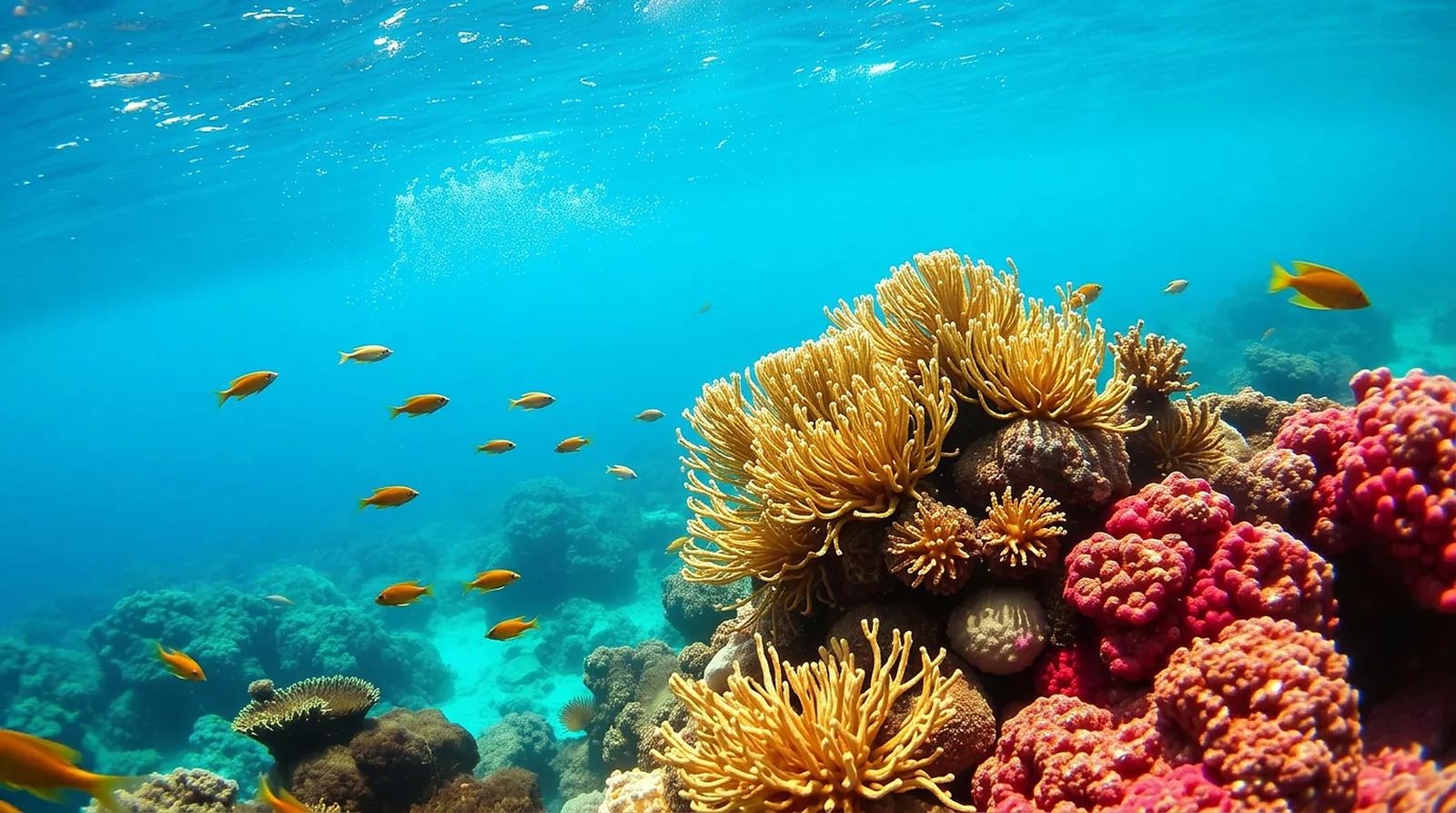
Diving in Fiji in March, while not peak season for some aggregations, still offers an abundance of marine life that will leave you spellbound. This period often sees an increase in juvenile reef fish, adding a vibrant spark to the already colorful soft coral gardens. You'll encounter schools of fusiliers, snappers, and trevally swirling around volcanic pinnacles and healthy hard coral formations. Keep an eye out for humphead wrasse, often seen patrolling the reef, and the ever-present anemonefish, darting amongst their protective hosts.
While large manta ray aggregations are more common during the cooler, drier months, March can still deliver exciting encounters, particularly around the feeding grounds of Kadavu and the Mamanucas. You might also spot eagle rays gracefully gliding by. For shark enthusiasts, Fiji is a year-round destination, and March is no exception. Grey reef sharks, whitetip reef sharks, and blacktip reef sharks are common residents of most Fijian reefs. If you're fortunate enough to visit sites like Shark Reef Marine Reserve in Beqa Lagoon, you're practically guaranteed to witness the exhilarating shark dive, featuring bull sharks and even tiger sharks, a truly unforgettable experience.
This time of year is excellent for macro lovers too. With the slightly warmer water, you might discover a higher diversity of nudibranchs, flatworms, and various crustaceans nestled within the corals. Photographers will relish the opportunity to capture the intricate details of these tiny marvels. While not a specific aggregation month, the sheer biodiversity of Fiji ensures that every dive is a treasure hunt, from vibrant soft corals painting the reef in a kaleidoscope of colors to the endless parade of reef fish and the potential for pelagic encounters.
Top dive sites this month
For an exceptional March dive experience, the Bligh Water, particularly around the Namena Marine Reserve, is a must-visit. Its offshore location minimizes the impact of any increased runoff, often boasting superb visibility. Sites like "Chimneys" and "Grand Central Station" are renowned for their abundant soft corals, schools of barracuda, trevally, and the frequent sightings of grey reef sharks and white-tip reef sharks patrolling the outer walls. The strong currents here bring a constant supply of nutrients, fueling the vibrant ecosystem.
Another fantastic option is the Rainbow Reef in the Somosomo Strait, Taveuni. While the "Great White Wall" truly shines in the cooler months, the softer corals of "Rainbow's End" and "Cabbage Patch" are spectacular year-round, offering an explosion of color. You'll find a high concentration of reef fish and the chance to encounter eagle rays. The currents through the strait can be exhilarating, making for fantastic drift dives. Finally, for those seeking guaranteed shark action, Shark Reef Marine Reserve in Beqa Lagoon remains a premier choice. While it's a dedicated feeding dive, the opportunity to be up close with bull sharks, tiger sharks, and numerous reef sharks is an unparalleled thrill, regardless of the season.
Practical tips for your trip
Given the warm water temperatures in March, a 3mm shorty wetsuit is usually more than sufficient for most divers. Some experienced divers might even prefer a rash guard for sun protection and abrasion resistance, especially during longer dive days. If you tend to get cold easily or plan on doing multiple dives a day, a full 3mm suit would provide extra comfort. Don't forget reef-safe sunscreen, a wide-brimmed hat, and insect repellent to keep those pesky mosquitoes at bay, especially if you're spending evenings on land.
March is a great month for both beginner and advanced divers. The generally calm sea conditions are welcoming for those just starting out, while the potential for stronger currents at specific sites offers exciting challenges for more experienced divers. Liveaboard availability tends to be better in March compared to the peak dry season, which can be an advantage if you're looking for last-minute deals or more choice in itineraries. However, it's still advisable to book in advance, especially if you have a specific liveaboard in mind, as Fiji is a popular dive destination year-round.
While the weather can be a bit more unpredictable than the dry season, embracing the tropical showers as part of the Fijian experience is key. The slightly less crowded dive sites and potentially better liveaboard deals make March a compelling time to visit. Always pack light, quick-drying clothing and be prepared for humidity. Don't forget your camera, as the vibrant soft corals and diverse marine life will provide endless photographic opportunities, rain or shine!