Conditions in August
So, you're dreaming of diving Fiji, and August has piqued your interest? You're in for a treat! August falls squarely within Fiji's dry season, which generally means some of the most stable and enjoyable conditions for diving. You can expect plenty of sunshine and comfortable ambient temperatures, typically ranging from 25 to 28°C (77 to 82°F) on land. Crucially for divers, the seas are usually calm, making for smooth journeys between dive sites and comfortable liveaboard living. While Fiji never experiences true "monsoon" conditions, the dry season definitely offers a reprieve from the heavier rainfall seen in the wet season (November to April).
Water temperatures in August are gloriously pleasant, averaging around 25-26°C (77-79°F). This is warm enough to be comfortable for most divers without needing super thick wetsuits, but cool enough to encourage the larger pelagics a bit more than the peak summer months. Visibility is one of the absolute highlights of diving Fiji in August. With less rainfall and calmer seas, you're looking at consistently spectacular visibility, often exceeding 30 meters (100 feet) and frequently pushing 40+ meters (130+ feet) in certain areas. This crystal-clear water truly brings Fiji's vibrant soft corals to life. Currents are diverse, varying from gentle drifts to exhilarating rushes depending on the dive site and lunar cycle, as is typical for most world-class dive destinations. Your experienced dive guides will always select sites and times appropriate for the conditions and your skill level.
What you will see
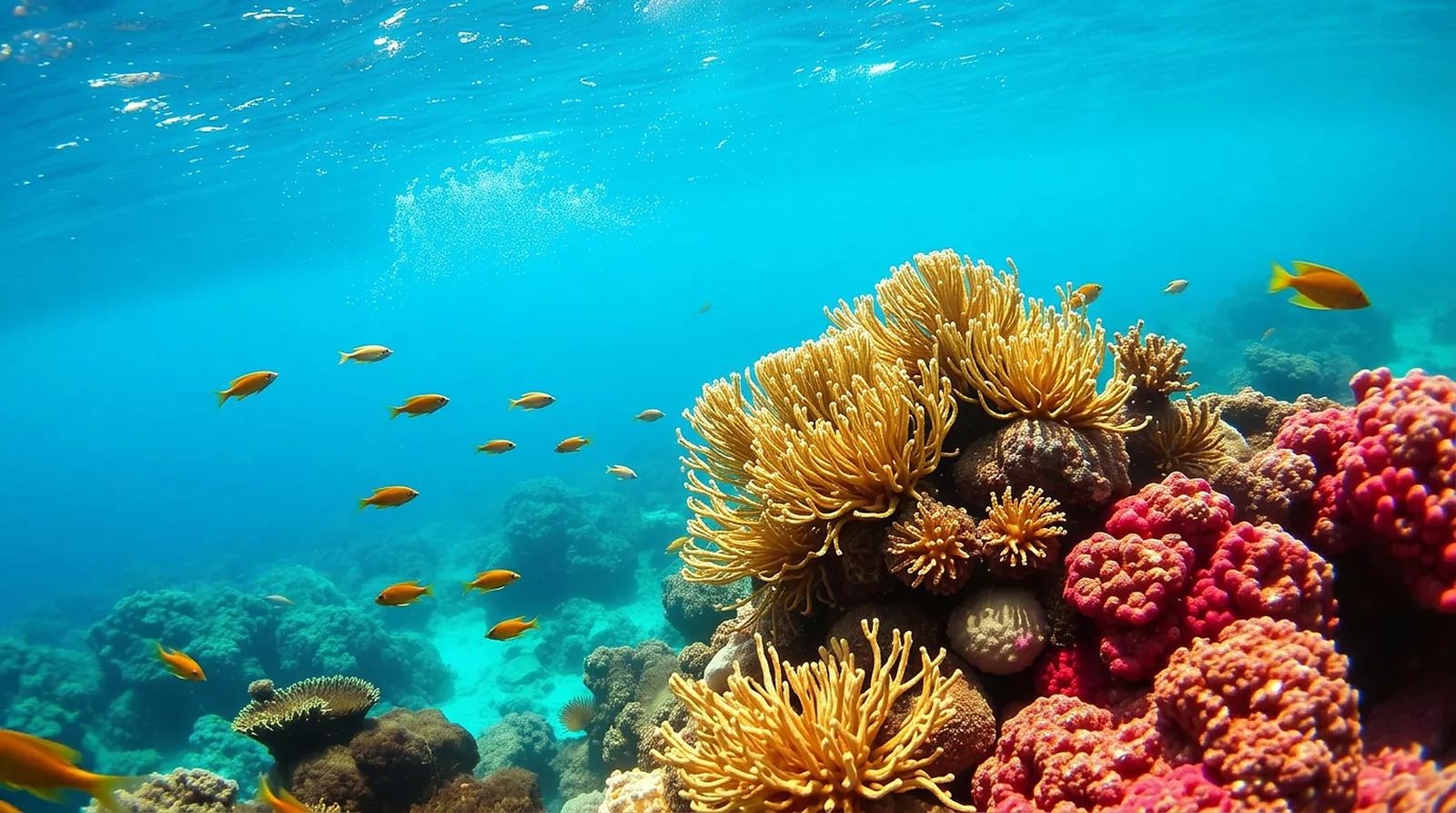
August is a fantastic time for marine life in Fiji, offering a brilliant mix of the usual suspects and seasonal delights. The cooler, denser water of the dry season is nutrient-rich, attracting a thriving food chain. You'll be dazzled by Fiji's iconic soft corals, which are perhaps at their most vibrant under the bright August sun. These "Rainbow Reefs" burst with color, especially around areas like the Somosomo Strait, and provide a home to an incredible array of reef fish: anthias, damselfish, butterflyfish, angelfish, and fusiliers swarm in unbelievable numbers. Keep an eye out for interesting macro subjects too, like nudibranchs, flatworms, and various crustaceans tucked away in crevices.
For pelagic enthusiasts, August does not disappoint. While Fiji is a year-round destination for many of its incredible creatures, the dry season often sees a slight uptick in shark activity. You're very likely to encounter white-tip reef sharks, black-tip reef sharks, and grey reef sharks cruising along the reefs and walls. Larger sharks, such as bull sharks and tiger sharks, are also a possibility, particularly in known feeding grounds. Manta rays are present year-round, but August often brings consistent sightings, especially around cleaning stations. You might also spot eagle rays gracefully gliding by, and the occasional schooling barracuda or trevally hunting on the reef’s edge. If you're lucky, and if the plankton blooms align, humpback whales are migrating through Fijian waters from July to October, so while underwater encounters are rare, you might get to hear their songs or even spot them from the surface during your surface intervals or transits.
Top dive sites this month
When diving Fiji in August, certain regions and sites truly shine. The Somosomo Strait between Taveuni and Vanua Levu is an absolute must-dive. Renowned as the "Soft Coral Capital of the World," sites like Rainbow Reef, The Great White Wall (a particular highlight in August when the wall is covered in white dendronephthya corals), and Annie's Bommie are simply breathtaking. The currents here bring in nutrients, creating a spectacle of pulsating, colorful soft corals and an abundance of reef fish. You'll find superb visibility and vibrant coral health during this month.
Another top contender is the Bligh Water (also known as the Koro Sea). This open-ocean area, particularly sites accessed from Savusavu or by liveaboard, offers dramatic pinnacles and untouched reefs. Dive sites like E6 are famous for their healthy coral ecosystems, including vibrant soft corals and schooling fish, plus opportunities for pelagic sightings. If you're looking for consistent shark action, the region around Beqa Lagoon is world-renowned for its shark dives, where you can safely observe multiple species including bull sharks, tiger sharks, and reef sharks. The predictable conditions of August make accessing these slightly more exposed sites very comfortable, enhancing the experience significantly.
Practical tips for your trip
Given the comfortable water temperatures of 25-26°C (77-79°F), a 3mm full wetsuit or a 5mm shorty is usually perfect for most divers. If you're someone who gets cold easily or plans on doing multiple dives a day, a 5mm full suit might offer that extra warmth and comfort. For those who brave the cold well, a 3mm shorty or even a rash guard might suffice, but having a bit of insulation is always a good idea in currents. August suits a wide range of divers, from beginners who will appreciate the calm seas and excellent visibility, to advanced divers who can make the most of the exhilarating drift dives and pelagic encounters. Liveaboard availability tends to be good in August, but as it's a popular time to visit, booking in advance is highly recommended to secure your preferred vessel and itinerary.
Beyond your dive gear, remember to pack light, breathable clothing for surface intervals and evenings, excellent sun protection including a wide-brimmed hat, sunglasses, and reef-safe sunscreen. A good reusable water bottle is essential, especially on liveaboards. Don't forget your camera gear to capture Fiji's incredible beauty both above and below the water. While medical facilities are available in major towns, it's always wise to ensure your travel insurance covers diving activities and potential medical emergencies. Also, be aware that many liveaboards are in relatively remote areas, so satellite internet or phone service might be limited or nonexistent – a perfect excuse to disconnect and immerse yourself fully in the diving experience!