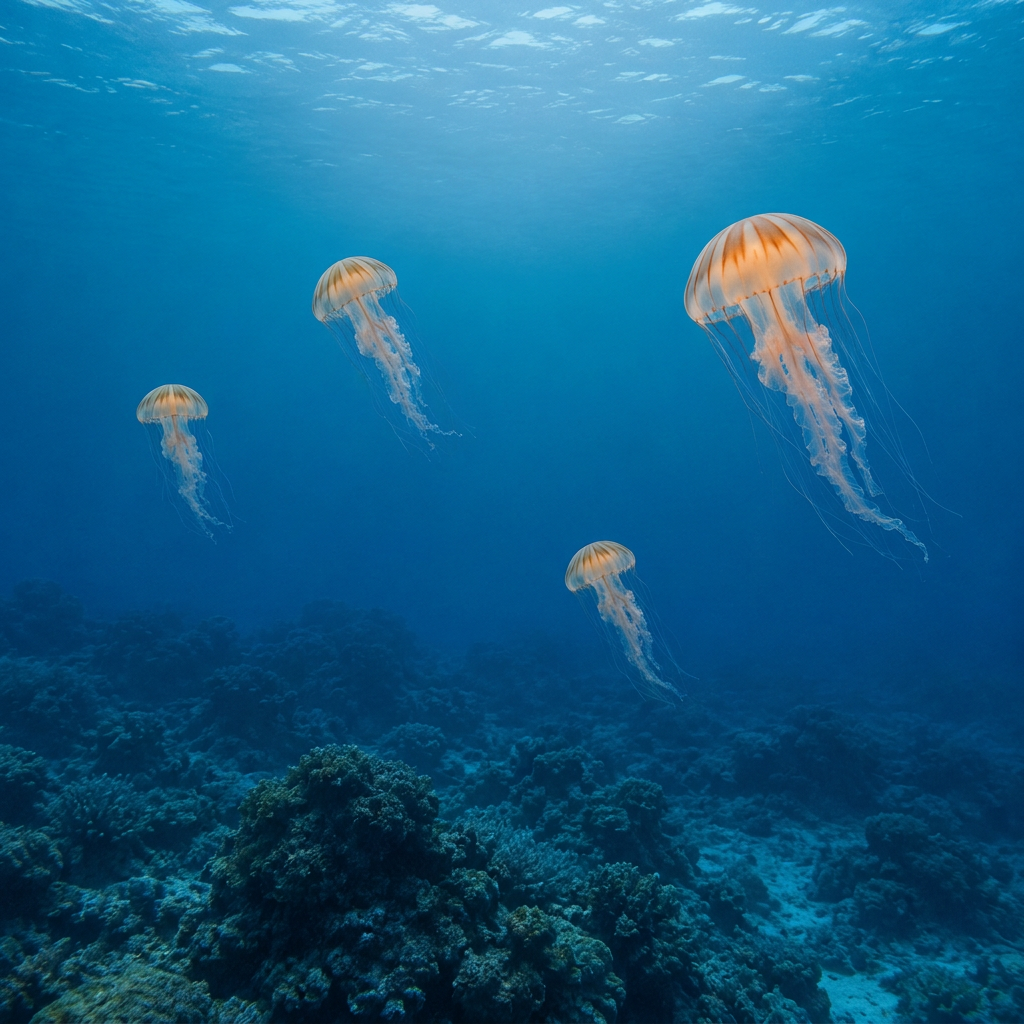
Conditions in August
August in Micronesia, particularly across destinations like Palau, Chuuk (Truk) Lagoon, and Yap, generally offers favorable diving conditions, though it does mark the tail end of the dry season for some regions and the beginning of the wetter season for others. In Palau, for example, August is still considered a good time to visit, with temperatures consistently warm. In August, historical mean daily air-temperature minima and maxima at Koror (Palau, not Chuuk or Yap) are 24.3–30.7 °C (76–87 °F) (reference period not stated). These are coastal station averages, not offshore forecasts. You’ll find the sea state to be relatively calm, especially within the sheltered lagoons and channels.
Visibility remains a major draw for Micronesian diving in August. Visibility depends on wind, currents, rain and plankton, so it can vary from site to site and day to day. Current strengths vary depending on the dive site and tidal movements; drift dives are a common and exhilarating experience in places like Palau, so some moderate to strong currents should be expected on certain dives. However, many sites are also well-suited for less experienced divers.
What you will see
August continues to be an excellent time for diverse marine life encounters in Micronesia. In Palau, the strong currents that define many of its famous sites contribute to a phenomenal abundance of pelagic action. You’re likely to encounter schooling sharks – grey reef sharks, white-tip reef sharks, and black-tip reef sharks are common sightings at sites like Blue Corner and Peleliu Express. Manta rays are also frequently encountered, especially around cleaning stations, with August often bringing consistent sightings. Eagle rays, barracuda, jacks, and snapper schools contribute to the vibrant reefscapes, creating a truly exhilarating experience.
Chuuk Lagoon, of course, is unparalleled for its wreck diving, and August presents these historical behemoths in their best light. The wrecks are teeming with marine life, having become artificial reefs over the decades. You’ll find an incredible array of hard and soft corals colonizing the ships, alongside schools of resident reef fish, barracuda, and even occasional reef sharks patrolling the deeper sections. For macro enthusiasts, there’s plenty to discover among the wreckage, from nudibranchs and flatworms to pipefish and various crustaceans.
Yap is synonymous with manta rays, and August generally falls within a strong period for manta encounters, especially around the resident Yapese populations. While not as strong as the peak months for aggregations (typically December-April), you still have a very good chance of witnessing these gentle giants feeding or visiting cleaning stations. Additionally, Yap offers a unique opportunity to observe Mandarin fish at dusk, a truly magical experience for those patient enough to seek them out. Reef sharks and various reef inhabitants are also abundant.
Top dive sites this month
For pelagic lovers and adrenaline junkies, Palau’s Blue Corner is an absolute must-dive in August. The strong currents here bring in an astonishing parade of sharks, tuna, barracuda, and jacks. Alongside it, German Channel offers reliable manta ray sightings, especially if you catch it during a feeding or cleaning session. For those seeking historical immersion, Chuuk Lagoon’s iconic wrecks like the Fujikawa Maru and the Shinkoku Maru are perfectly explorable. The calm waters inside the lagoon make for excellent wreck penetrations for trained divers, revealing cargo holds full of wartime artifacts and incredible coral growth.
In Yap, the primary draw remains the resident manta populations, and August aligns well for visits to cleaning stations like Stonewalls or feeding grounds. While not an aggregation peak, you’ll still find plenty of opportunities to spend quality time with these majestic creatures. For something different, the unique limestone formations and intricate caves of Palau’s Chandelier Cave offer a fascinating and less current-dependent dive.
Practical tips for your trip
The right wetsuit depends on the water temperature at your sites, how many dives you do and how easily you get cold, so ask your operator what guests usually wear. Some divers might even be comfortable in a rash guard for longer dives if they chill easily, but a light wetsuit provides added protection against incidental scrapes and sun exposure. Micronesia in August is suitable for all levels of divers. While places like Palau offer exhilarating drift dives best appreciated by experienced divers, there are plenty of calmer reef dives and sheltered wreck sites in Chuuk and non-current-dependent manta sites in Yap that are ideal for beginners or those preferring a more relaxed pace.
Liveaboard availability in August remains good, though booking several months in advance is always recommended, especially for popular routes in Palau and Chuuk. Packing light, breathable clothing is a good idea given the tropical climate. Don't forget reef-safe sunscreen, a wide-brimmed hat, and insect repellent. Be aware that while August is generally good, it can occasionally see the peripheral effects of tropical depressions or typhoons, particularly towards the latter half of the month, which might lead to some rougher seas or altered dive schedules. Always keep an eye on local weather forecasts closer to your travel date and trust your liveaboard crew's judgment for dive site selections. Remember to bring plenty of cash for local purchases, as credit card facilities can be limited in some areas.
Regional notes
Each note applies only to the named region, not to the whole country.
- Koror (Palau): Average sea temperature 29.2 °C (85 °F)