Conditions in August
You're thinking of diving Papua New Guinea in August? Excellent choice! While some destinations slow down, PNG truly shines. August falls squarely within the dry season for much of the country, meaning generally stable and predictable weather. You can expect plenty of sunshine and lighter winds, which translates directly into calmer surface conditions. Sea state is typically very good, making for comfortable liveaboard cruising and easy access to dive sites, even those further offshore.
Visibility is where August truly excels. With less rainfall and runoff, underwater clarity is often exceptional across most dive regions. You're looking at consistent visibility ranging from 20-40 meters (65-130 feet), sometimes even more in pristine locations. Water temperatures are wonderfully warm and inviting, typically hovering between 26-29°C (79-84°F). Currents can vary significantly from site to site and even throughout a single dive, as is common in nutrient-rich waters. While many dives are drift dives, some spots can experience stronger currents, so a reef hook and good buoyancy control are always recommended.
What you will see
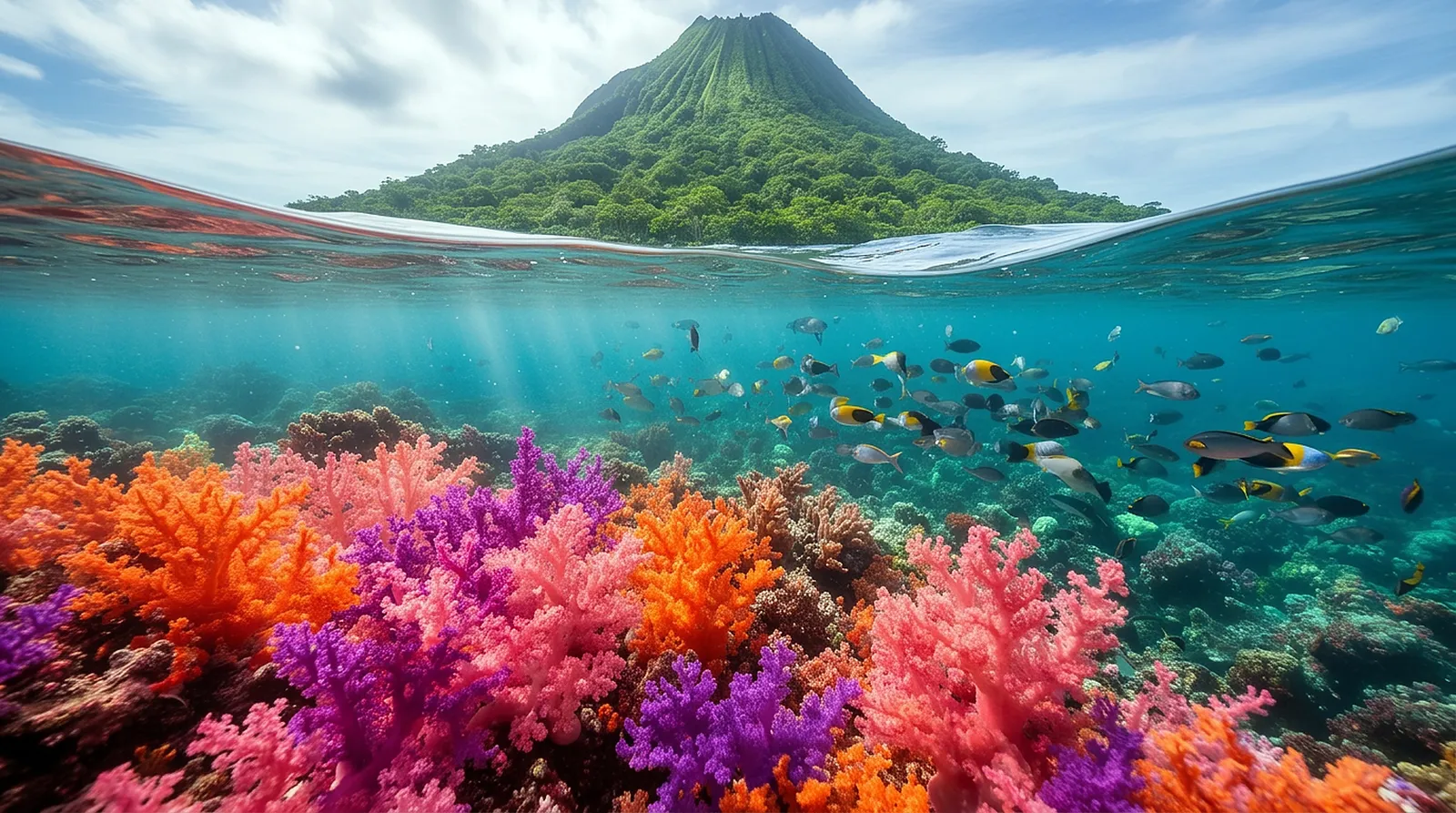
Papua New Guinea in August is a biodiversity hotspot, a vibrant explosion of marine life. This isn't a month for specific large-animal aggregations like manta rays or whale sharks gathering in massive numbers (those often have their peak seasons elsewhere or at different times), but rather for the sheer density and diversity of EVERYTHING. Expect pristine coral reefs teeming with life - an unparalleled variety of hard and soft corals, anemones, and sponges forming intricate ecosystems. These reefs are home to a dizzying array of reef fish: colorful fusiliers, snappers, trevallies, parrotfish, butterflyfish, and angelfish in astounding numbers. You'll often find schools of barracuda, jacks, and even dogtooth tuna patrolling the reef edges.
For the pelagic enthusiasts, while not guaranteed daily, this time of year offers a good chance to encounter various shark species, including grey reef sharks, whitetip reef sharks, and sometimes even hammerheads, particularly at deeper sites or cleaning stations. Eagle rays and various types of stingrays are also common sightings. But for many, PNG truly steals the show with its macro life. Augustus is no exception. Prepare your macro lens because you’ll be mesmerized by pygmy seahorses, flamboyant cuttlefish, various species of ghost pipefishes, nudibranchs in every imaginable color and pattern, frogfish, robust and ornate ghost pipefish, and a multitude of fascinating critters hidden amongst the coral. The sheer scope of species means every dive is a treasure hunt, revealing new and exciting discoveries.
Top dive sites this month
For an August dive adventure, several regions and specific sites in PNG really stand out. In the Bismarck Sea, the Kimbe Bay area in West New Britain is phenomenal year-round, and August is no exception. Sites like Susan's Reef and Inglis Shoal are vibrant pinnacles bursting with coral and fish life, offering thrilling drift dives and excellent visibility. You might also explore the reefs around Father's Reefs, such as Jayne's Gully, which boast dramatic topography and consistent encounters with reef sharks and schooling fish.
Further east, Milne Bay remains a perennial favorite for its incredible muck diving and healthy reefs. Sites like Dinah's Beach (Crinoid Passage) near Alotau are world-renowned for their rare macro critters, perfect for photographers. While you're in Milne Bay, don't miss sites like the B-17 Plane Wreck at Portlock Reef, which offers both historical intrigue and incredible biodiversity as a thriving artificial reef. For a mix of pelagics and stunning reefs, destinations further west like New Hanover (around the Kavieng area) offer exhilarating diving, including sites such as Albatross Passage, famous for its strong currents and impressive schools of fish and sharks.
Practical tips for your trip
Considering the warm water temperatures of 26-29°C (79-84°F), most divers will be perfectly comfortable in a 3mm shorty or full wetsuit. Some divers, especially those who tend to get cold or planning multiple daily dives, might prefer a 5mm suit for added warmth and protection. August is an excellent month for divers of all experience levels. While some strong currents can be encountered, especially at iconic drift dive sites, most reputable liveaboards cater to a range of abilities and offer guidance and safety briefings. Beginners will find plenty of calm, shallow reefs to explore, while advanced divers can seek out the thrilling deeper pinnacles and walls.
Liveaboard availability in August is generally good, but as it's a prime diving month, booking well in advance (6-12 months out) is highly recommended to secure your preferred vessel and itinerary. What to pack? Besides your standard dive gear, definitely bring a good reef hook, spare parts for your camera (chargers, batteries, memory cards), a rash guard for surface interval sun protection, and plenty of biodegradable sunscreen. It’s also wise to bring some insect repellent, especially for evenings ashore. Be aware that PNG is a relatively remote destination; while liveaboards are well-equipped, local infrastructure can be basic. Travel insurance covering dive accidents is an absolute must, and respect for local customs and traditions will go a long way in ensuring a smooth and memorable trip. Prepare for an adventure of a lifetime!
Year-round overview for Papua New Guinea
Frequently asked questions
Is August a good month to dive in Papua New Guinea?
What can you see diving in Papua New Guinea in August?
Should I book a Papua New Guinea liveaboard for August or wait?
Find a liveaboard for August
Compare available Papua New Guinea liveaboards departing in August.
Search and Book