Conditions in October
October marks a fantastic sweet spot for diving in Papua New Guinea (PNG), especially if you're looking to explore the Bismarck Sea and its surrounding wonders. You're typically at the tail end of the drier, more stable season, meaning the weather is generally cooperative with plenty of sunshine and minimal rainfall. This translates to calmer seas, which is always a bonus when you’re on a liveaboard, making for more comfortable cruising and easier access to remote dive sites. While PNG is renowned for its year-round diving, October offers a pleasant balance before the wetter season truly kicks in.
Long-term average sea temperatures in October: about 29 °C (85 °F) around Kimbe (West New Britain). This means you’ll be comfortable in anything from a 3mm shorty to a full 3mm wetsuit, or even just board shorts and a rash vest if you're feeling adventurous! Visibility is generally excellent, particularly in areas like Kimbe Bay, Walindi, and around New Britain. While some localized areas might experience reduced visibility due to upwellings or plankton blooms (which are often good news for pelagic sightings!), the overall trend for October is crystal clear.
Currents in PNG are notoriously varied and can range from mild drifts to strong ripping flows, often changing based on the lunar cycle and specific dive site topography. October, being a transitional month, typically offers a good mix. You'll encounter challenging currents at some sites, particularly those rich in pelagic life, but also plenty of calmer reefs suitable for more relaxed diving. Your liveaboard dive guides will be experts at timing dives to maximize enjoyment and safety, so you’ll always be in good hands, perfectly positioned to enjoy what the currents bring in.
What you will see
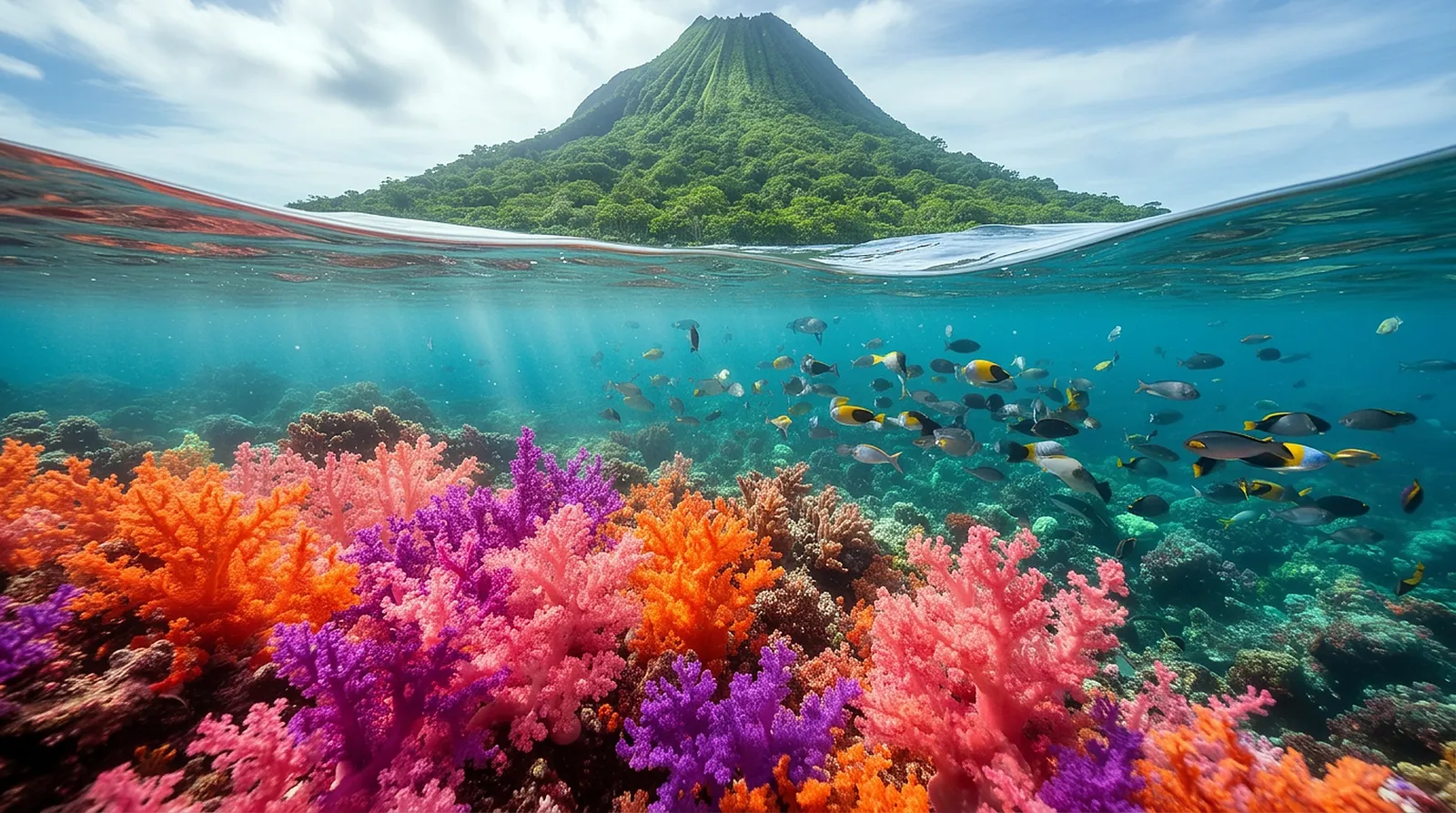
October in PNG is a prime time for a magnificent array of marine life, blending incredible macro with frequent pelagic encounters. The warmer waters and stable conditions seem to energize the entire ecosystem. You'll find yourself immersed in vibrant coral gardens, absolutely teeming with reef fish of every conceivable color and shape. Look closely, and you'll discover a macro paradise: pygmy seahorses clinging to gorgonian fans, an endless variety of nudibranchs meandering across sponges, and fascinating critters like ornate ghost pipefish and various species of frogfish expertly camouflaged against their surroundings. PNG is a macro photographer's dream in October, with excellent light penetration and good visibility making those tiny subjects pop.
Beyond the microscopic, October often brings exhilarating encounters with larger creatures. While not a specific "season" for any single pelagic aggregation, you have a very good chance of spotting hammerhead sharks gliding gracefully in the deeper channels, especially around areas known for strong currents. Reef sharks – grey, white-tip, and black-tip – are perpetual residents and are frequently seen patrolling the reef edges. Keep your eyes peeled for barracuda schools, trevally, and dogtooth tuna, which often congregate in impressive numbers. Mantas, while not guaranteed daily, are also present and can be encountered feeding or visiting cleaning stations, particularly in areas like Kimbe Bay or Father's Reef, drawn by the rich plankton blooms that good visibility sometimes accompanies.
What makes October so special is this delightful balance. You’re not sacrificing one type of sighting for another. You can spend an entire dive meticulously searching for rare nudibranchs, and then on the very next dive, be swept away by a passing school of bumphead parrotfish or even catch a glimpse of a passing eagle ray. The biodiversity is simply staggering, and the relatively stable weather conditions allow you to access the best of it, from shallow, sun-drenched reefs to deeper, current-swept pinnacles where the big stuff hangs out.
Top dive sites this month
For an October adventure, you absolutely must focus your attention on the world-renowned regions around New Britain, particularly Kimbe Bay and the incredible outer reefs like Father's Reef. Kimbe Bay, often hailed as the "Amazon of the Seas," is phenomenal this month. Its sheltered waters contribute to excellent visibility and calm conditions, making its pristine reefs like Inglis Shoal and South Emma truly shine. Inglis Shoal is a magnet for pelagics, with currents often bringing in schooling barracuda and reef sharks, while South Emma is a dazzling showcase of coral diversity and macro life, perfect for leisurely explorations. The thriving ecosystem here ensures that every dive is a visual feast, from vibrant soft corals to intricate sponge gardens.
Further afield, a liveaboard journey to Father's Reef or the nearby Witu Islands is exceptionally rewarding in October. Father's Reef, including sites like Norman's Mound and Jayne's Gully, is known for its dramatic topography, deep walls, and the consistent presence of sharks and large pelagics, which are often more active during these stable conditions. The volcanic origins of these areas contribute to unique underwater landscapes and healthy, prolific hard and soft coral growth. You might also want to explore sites like Bradford Shoals if your itinerary takes you to the Vitiaz Strait, known for its strong currents and impressive large fish action, a truly exhilarating experience in the clearer October waters. These areas provide the perfect blend of pristine reefs and exciting pelagic encounters.
Practical tips for your trip
The right wetsuit depends on the water temperature at your sites, how many dives you do and how easily you get cold, so ask your operator what guests usually wear. If you tend to get cold easily or plan on doing multiple dives a day, a 5mm suit might provide a bit more comfort. For the truly hardy, or those opting for a rash vest and board shorts, just be mindful of potential sun exposure (a good reef-safe sunscreen is a must!) and some extra protection against the occasional jellyfish. Always consider your personal comfort level.
October in PNG really suits every type of diver. The generally calmer seas and excellent visibility make it very friendly for beginners or those looking for more relaxed dives, especially within sheltered bays. However, the presence of currents and the potential for exciting pelagic encounters at deeper or more exposed sites also makes it incredibly appealing for advanced divers and underwater photographers. Liveaboard availability in October tends to be good, though it’s wise to book several months in advance as this is a popular shoulder season. What to pack? Lightweight, breathable clothing for topside, plenty of reef-safe sunscreen, a good wide-brimmed hat, insect repellent, and your full set of dive gear (though rentals are usually available). Be aware that PNG operates on "island time" – things may go a little slower than you're used to, but that's all part of the charm! Enjoy the incredible hospitality and the unparalleled underwater beauty.
Regional notes
Each note applies only to the named region, not to the whole country.
- Kimbe (West New Britain): Average sea temperature 29.2 °C (85 °F)