Conditions in March
If you're dreaming of diving Papua New Guinea (PNG) in March, you're looking at a time when the weather can be a bit of a mixed bag, particularly for the northern regions. This period generally falls within the wet season, which officially runs from December to April. What does that mean for your dive trip? Expect higher humidity and a greater chance of rainfall, especially in the afternoons. However, don't let that deter you; while rain can be frequent, it often comes in tropical downpours that clear up quickly, leaving behind vibrant, lush landscapes. The sea state during March tends to be relatively calm, especially within the sheltered bays and island systems, though exposed areas might experience some chop if a localized weather system moves through.
Water temperatures across PNG in March are consistently warm, making for very comfortable diving. You're typically looking at a delightful 28-30°C (82-86°F), so a 3mm shorty or even just swimwear might suffice for many, though a full 3mm wetsuit is always a good idea for prolonged dives and sun protection. Visibility can be more variable compared to the dry season. The increased rainfall can lead to some runoff, particularly in areas close to larger landmasses or river mouths, which might temporarily reduce visibility to 15-20 meters. However, offshore reefs and more remote sites still tend to boast excellent visibility, often exceeding 25-30 meters. Currents are usually mild to moderate, depending on the specific site and lunar cycle, but PNG's renowned currents can always offer an invigorating drift dive or two, so be prepared for some movement!
What you will see
March in Papua New Guinea is an exceptional time for encountering a dazzling array of marine life, offering a rich tapestry of both pelagic action and mesmerizing macro subjects. The warmer waters and nutrient-rich runoff, while sometimes affecting visibility, can also contribute to a thriving ecosystem. You'll often find schools of barracuda, trevally, and snappers swirling around pinnacles and reef points. Sharks are a common sight, with resident grey reef sharks, white-tip reef sharks, and black-tip reef sharks patrolling the reefs. While manta ray encounters are possible year-round, their presence can be somewhat unpredictable; however, specific cleaning stations and feeding grounds might see increased activity if local conditions are favorable. Look out for them around the Bismarck Sea areas.
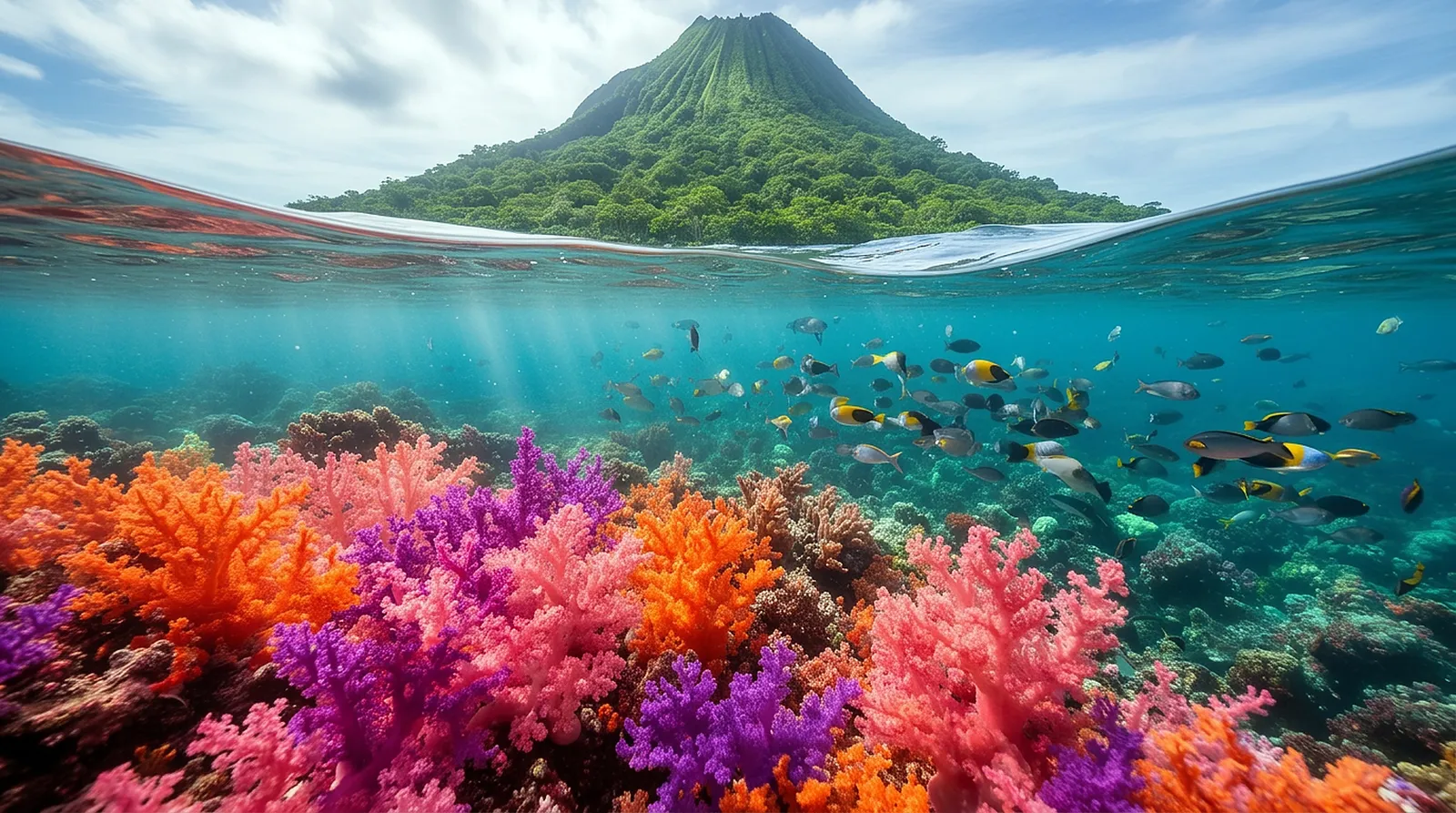
Beyond the larger inhabitants, PNG is a macro photographer's paradise, and March is no exception. The vibrant coral gardens are teeming with life. You'll be delighted by critters like pygmy seahorses (especially Bargibant's, often found on muricella gorgonian fans), various species of nudibranchs adorned in flamboyant colors, flatworms, and diverse pipefish. Keep an eye out for cunning camouflaged creatures such as frogfish, scorpionfish, and mandarinfish, which tend to be more active at dusk. The healthy state of PNG’s reefs means you’ll also be treated to a kaleidoscopic display of reef fish, including anemonefish, butterflyfish, angelfish, and parrotfish, making every dive a vibrant exploration of coral biodiversity.
Top dive sites this month
For a March dive trip to Papua New Guinea, you'll want to focus on regions known for their consistent conditions and rich biodiversity, particularly those less impacted by potential runoff. The Bismarck Sea is a perennial favorite, and in March, sites around New Britain like the Kimbe Bay area continue to shine. Dive sites such as Inglis Shoal and Christine's Reef offer stunning coral formations and a reliable chance to spot pelagics and a wealth of macro life. These sites benefit from being further offshore, maintaining excellent visibility. Another superb choice is the Father's Reefs system. This remote area is celebrated for its pristine conditions, dramatic topography, and regular shark encounters at sites like Norman's Mound and Elizabeth's Reef, making it an ideal destination during this transition period.
Further east, the waters around New Ireland, particularly the Kavieng area, are also excellent in March. The strong currents around places like Albatross Passage create nutrient-rich waters that attract large schools of fish, barracuda, trevally, and various shark species. The deep walls and dramatic pinnacles here are breathtaking. While the Milne Bay province is equally famous, offering phenomenal macro diving, you might experience slightly more variable visibility closer to shore if heavy rains occur upstream. Nonetheless, sites like Dinah's Beach (for its world-renowned critter diving) and Crinoid Gardens still offer incredible experiences, albeit with the potential for occasional lower visibility.
Practical tips for your trip
Considering the warm water temperatures of 28-30°C (82-86°F), a 3mm full wetsuit is ample for most divers in March, providing both thermal comfort and protection against sun exposure or any accidental brushes with the reef. If you tend to get cold easily or plan on multiple dives a day, a 5mm might offer a bit more warmth, but it's rarely essential. This time of year in PNG is suitable for both experienced divers and those with moderate experience. While some sites can have currents, liveaboard guides are adept at selecting the best sites for the day's conditions and diver skill levels. If you're a beginner, opt for liveaboard itineraries that explicitly mention calmer, more sheltered dive sites. Advanced divers will relish the potential for drift dives and encounters with larger pelagics.
Liveaboard availability in March can be a bit more open compared to the peak dry season, though PNG is never truly 'crowded'. However, booking in advance is always recommended, especially if you have specific dates or a particular vessel in mind. As for packing, remember it's the wet season, so quick-drying clothing is essential. Light rain gear for surface intervals or land excursions is a good idea. Don't forget high-factor reef-safe sunscreen, a wide-brimmed hat, insect repellent (mosquitoes can be present, especially inland or in the evenings), and perhaps a dry bag for protecting electronics. Be aware that internet connectivity can be sporadic or limited, especially on liveaboards in remote areas, so embrace the digital detox! Also, ensure your travel insurance covers diving and remote medical evacuation. PNG is a fantastic, raw, and unforgettable destination, and a little preparation will ensure you have an incredible trip.
Year-round overview for Papua New Guinea
Frequently asked questions
Is March a good month to dive in Papua New Guinea?
What can you see diving in Papua New Guinea in March?
Should I book a Papua New Guinea liveaboard for March or wait?
Find a liveaboard for March
Compare available Papua New Guinea liveaboards departing in March.
Search and Book