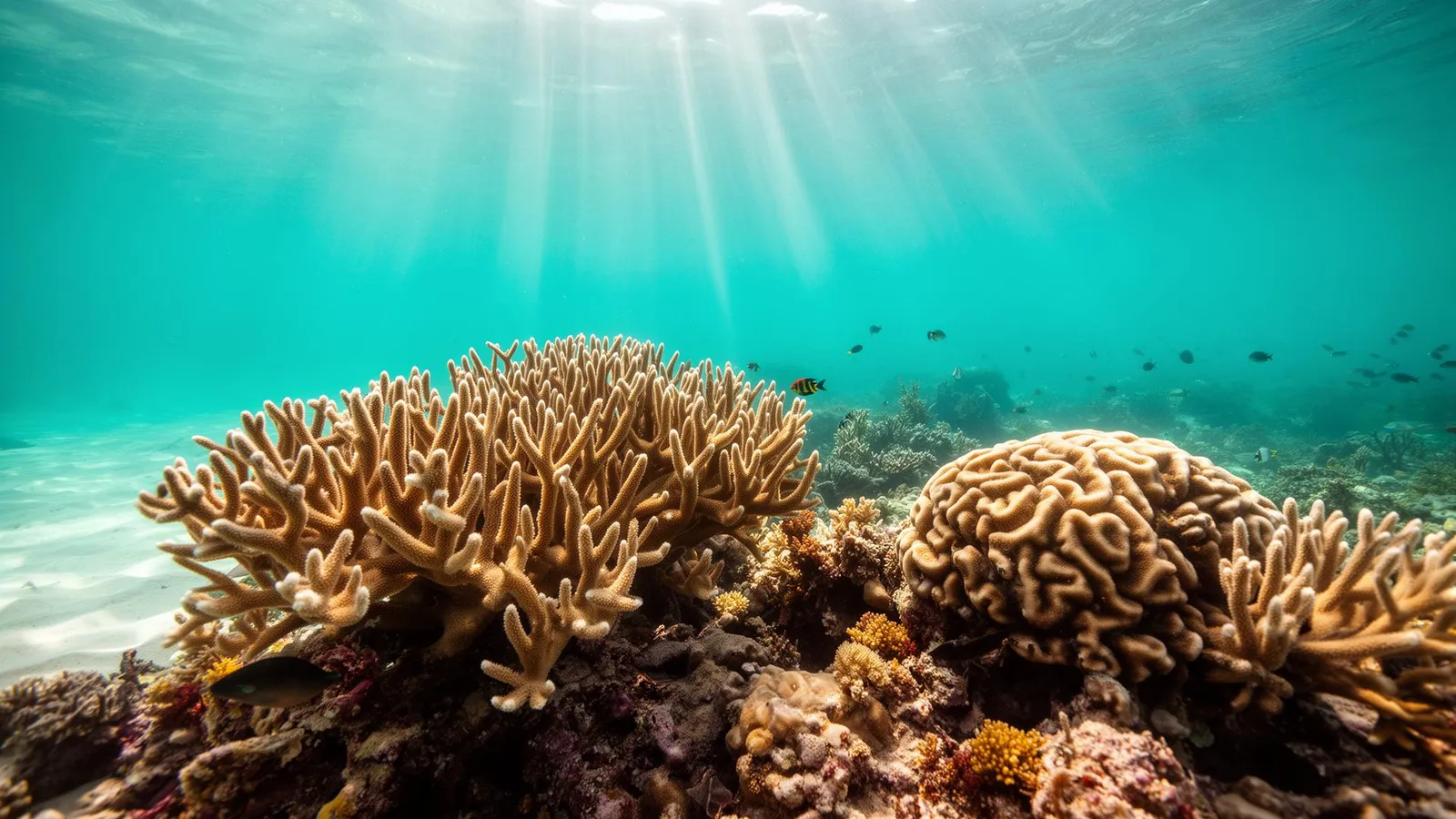
Conditions in March
March in Jardines de la Reina, Cuba, offers some of the most idyllic diving conditions you could hope for. Imagine gliding through crystal-clear waters, bathed in sunlight, far from the madding crowds. Air temperatures typically hover around a comfortable 26-30°C (79-86°F) – perfect for relaxing on deck between dives. The sea state is generally calm and flat, making for smooth sailing on your liveaboard and easy entry and exit from the water. This month falls squarely within the dry season, so you can expect minimal rainfall, mostly sunny skies, and consistent, fair weather throughout your trip.
Water temperatures in March are incredibly inviting, usually sitting comfortably between 26-28°C (79-82°F). This means you’ll be perfectly comfortable in a 3mm shorty or even a full 3mm wetsuit for extended dives. Visibility is often superb, frequently exceeding 30 meters (100 feet), allowing for breathtaking panoramic views of the vibrant coral reefs and the abundant marine life that calls them home. Currents are generally mild to moderate, especially within the protected channels and along the reef walls, making it enjoyable for divers of all experience levels. Occasional stronger currents can be encountered at specific exposed sites, but your experienced dive guides will always brief you thoroughly and choose sites suitable for the group's capabilities.
What you will see
March is a phenomenal time for marine life encounters in Jardines de la Reina. This marine park is renowned globally for its healthy shark populations, and you'll quickly understand why. You can expect thrilling interactions with numerous Caribbean reef sharks – they are inquisitive and often come quite close, providing incredible photographic opportunities. Silky sharks are also frequent visitors, especially in deeper waters, gracefully patrolling the blue. If you’re lucky, you might even spot the elusive great hammerhead shark, though they are more commonly seen in slightly cooler months, but March still offers a good chance.
Beyond the sharks, the reefs themselves are teeming with life. Healthy hard and soft corals create a kaleidoscope of color, attracting a multitude of reef fish. You'll encounter schooling snapper, grunts, jacks, and barracudas, often in impressive numbers. Large groupers are a common sight, as are majestic goliath groupers, which sometimes approach divers with curiosity. Keep an eye out for resident green sea turtles and hawksbill turtles, leisurely munching on sponges or resting in coral crevices. While manta rays are not as common here as in other destinations, occassional sightings of eagle rays are a delightful bonus.
The unique ecosystem of Jardines also supports a thriving population of American crocodiles. While diving encounters are rare, you might have the opportunity for a controlled, guided snorkeling experience with these magnificent reptiles in designated mangrove areas – an unforgettable and truly Cuban experience that's often available as an additional activity or for photographers. Macro enthusiasts won't be disappointed either. Look closely among the corals for nudibranchs, various shrimp species, and a myriad of smaller reef creatures that add to the rich biodiversity of this protected area.
Top dive sites this month
In March, several dive sites in Jardines de la Reina truly shine, taking advantage of the excellent conditions. Pared de Coral, or "Coral Wall," is consistently spectacular. Here, you'll find a dramatic drop-off adorned with massive coral formations, including impressive pillar corals, and a high likelihood of encountering numerous Caribbean reef sharks patrolling the wall. It's a visually stunning dive that consistently delivers.
Another must-dive in March is Pipín. This site is famous for its abundant shark population, often featuring several Caribbean reef sharks and schools of snapper, making it a lively and action-packed dive. El Cabezo is also excellent during this period, offering expansive coral gardens and a good chance to see larger pelagics moving through, including silky sharks. For those seeking something unique, the sunken fishing vessel, "Jardines V," provides an exciting wreck dive enveloped in marine life, making it a fantastic photo opportunity and artificial reef.
Practical tips for your trip
Considering the warm water temperatures in March, a 3mm wetsuit is generally sufficient for most divers. Some might even find a 2mm shorty comfortable, especially if they don't get cold easily. However, a 3mm full suit offers better protection against potential stings and sun exposure. This month is incredibly suitable for divers of all levels. The generally calm conditions and clear visibility make it an excellent choice for beginners looking to gain experience, while the abundant marine life and professional guides provide plenty of excitement for advanced divers and photographers.
Liveaboard availability for March in Jardines de la Reina can be quite competitive as it is a peak travel period due to the superb conditions. It’s highly recommended to book your liveaboard well in advance – often 6 to 12 months ahead – to secure your preferred dates and cabin. What to pack? Besides your standard dive gear (don't forget your dive computer and safety sausage!), bring reef-safe sunscreen, a wide-brimmed hat, sunglasses, and light, breathable clothing. A good camera (both underwater and topside) is essential to capture the stunning scenery and marine encounters. Be aware that internet connectivity in Cuba, particularly in remote areas like Jardines de la Reina, can be limited and unreliable, so be prepared to disconnect and fully immerse yourself in the experience. Also, ensure you have all necessary travel documents and adhere to any specific Cuban travel regulations regarding visa and entry requirements.