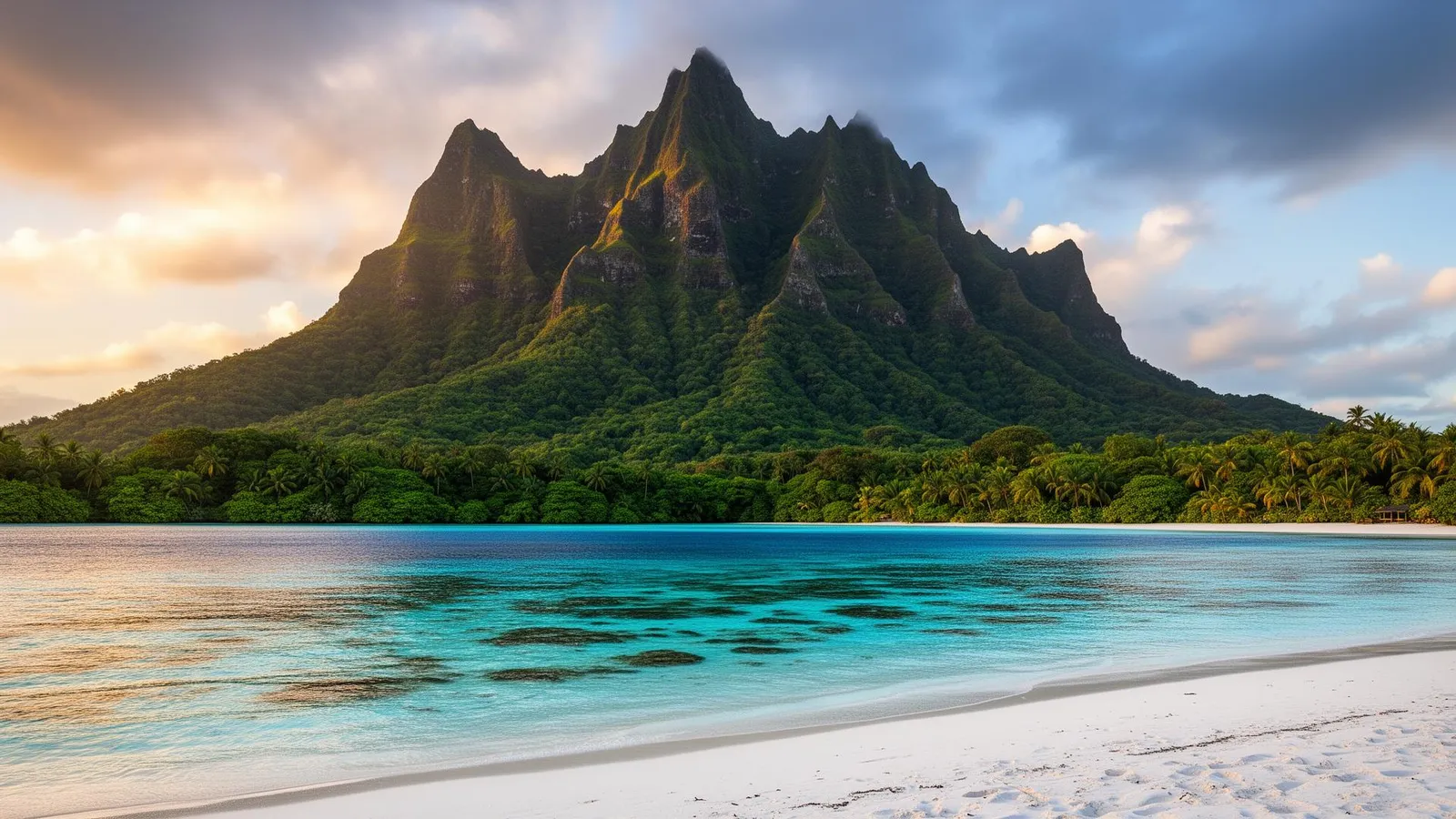
Conditions in March
March in French Polynesia marks the tail end of the wet season, but don't let that deter you from planning a dive trip! You'll likely experience a mix of sunshine and occasional tropical showers, which tend to be brief and refreshing. The air temperatures are warm and humid, typically ranging from 28-32°C (82-90°F). While some may find the humidity a bit high, it’s a small trade-off for the incredible underwater experiences. Sea conditions are generally calm, especially within the protective lagoons, though some of the outer passes can experience more swell depending on the day. Water temperatures are delightful, hovering around 27-29°C (81-84°F), meaning you can comfortably spend extended periods in the water without getting chilly. Visibility is still excellent, averaging between 20-30 meters (65-100 feet), though it might see a slight decrease in areas directly impacted by heavy rainfall runoff from the islands. Currents, as always in French Polynesia, can be a significant factor, particularly in the pass dives, and often dictate the most thrilling encounters. You'll want to pay close attention to your dive guides for real-time updates on current strength and direction.
What you will see
March is a fantastic time for pelagic action in French Polynesia, as the warmer waters and plankton blooms can attract a wide array of marine life. This is prime time for shark encounters, with large numbers of grey reef sharks, blacktip reef sharks, and whitetip reef sharks frequently seen patrolling the passes and outer reefs. If you’re lucky, you might even spot the elusive tiger shark or a great hammerhead in some of the more remote atolls. Manta rays are also common visitors, gliding gracefully through cleaning stations and feeding on the nutrient-rich waters. You're almost guaranteed to see several species of eagle rays, which are a true spectacle with their elegant flight patterns. While it's not the peak whale season (that's later in the year), you might occasionally be treated to a distant sighting of a humpback whale or hear their haunting songs underwater. The corals are vibrant and healthy, supporting a bustling ecosystem of colorful reef fish like butterflyfish, angelfish, parrotfish, and anemonefish. Keep an eye out for humphead wrasse, napoleon wrasse, and impressive schools of barracuda and trevally.
Beyond the big stuff, the macro life is also thriving. You'll discover a fascinating world of nudibranchs, flatworms, and various crustaceans tucked away in coral crevices. The nutrient-rich waters contribute to a healthy food chain, attracting a diverse range of organisms at every level. If you're a keen underwater photographer, the clear waters and vibrant marine life in March offer endless opportunities for stunning shots, from wide-angle pelagic encounters to intricate macro details. The sheer abundance and variety of marine animals make every dive an exploration, and you'll often find yourself surrounded by an astonishing concentration of life, particularly in the energetic pass environments where currents bring in fresh nutrients.
Top dive sites this month
For an exhilarating experience in March, you absolutely have to dive the passes of Rangiroa. Specifically, Tiputa Pass and Avatoru Pass are world-renowned for their consistent drift dives and incredible pelagic action. You’ll be swept along by the currents, often in the company of dozens of grey reef sharks, manta rays, eagle rays, and massive schools of barracuda and jacks. The "Shark's Cave" in Tiputa is also a must-see. Another excellent choice is the passes of Fakarava, particularly Tetamanu Pass and Tumakohua Pass. These UNESCO Biosphere Reserves boast some of the healthiest shark populations on the planet, and a "wall of sharks" experience in March is a strong possibility, especially during incoming currents. You'll be astounded by the sheer number of grey reef sharks, along with marbled groupers and triggerfish.
If you're looking for something a bit different, consider diving around Tikehau. Known as the "Pink Sand Island," its lagoon is teeming with fish life due to its unique ecosystem. The Tuheiava Pass is a great spot for observing manta rays and a variety of reef sharks. While not as famous for the "big stuff" as Rangiroa or Fakarava, Tikehau offers beautiful, pristine coral gardens and a wonderfully biodiverse reef environment that is fantastic for both wide-angle and macro photography. Each of these locations offers a distinctive French Polynesian dive experience, with the passes being particularly vibrant and active during March's conditions.
Practical tips for your trip
Given the warm water temperatures of 27-29°C (81-84°F), you’ll be perfectly comfortable in a 3mm shorty or even just a rash guard for most dives. If you tend to get cold easily or plan on doing multiple dives a day, a full 3mm wetsuit would be ideal. March is suitable for all levels of divers, but those with experience in drift diving and understanding of currents will get the most out of the epic pass dives. Beginners can still enjoy the shallower, calmer lagoon dives and resort courses, but for the full French Polynesian experience, especially in the major passes, some comfort with currents is beneficial. Liveaboard availability tends to be good in March, as it’s not peak season, offering a more relaxed atmosphere and often better rates. Booking in advance is still recommended to secure your preferred vessel, especially if you have specific dates in mind.
When packing, think light and quick-drying fabrics for topside activities. Don't forget your reef-safe sunscreen, a wide-brimmed hat, and insect repellent for the evenings, as mosquitoes can be present, especially after rain. A waterproof dry bag is always handy to protect your valuables during boat transfers or shore excursions. Be aware that connectivity can be spotty in some of the more remote atolls, so embrace the digital detox! Also, familiarise yourself with local customs and respectful interactions within the communities. French Polynesia is an incredible destination, and diving aboard a liveaboard allows you to explore multiple atolls effortlessly, maximizing your underwater adventures during your March visit.
Year-round overview for French Polynesia
Frequently asked questions
Is March a good month to dive in French Polynesia?
What can you see diving in French Polynesia in March?
Should I book a French Polynesia liveaboard for March or wait?
Find a liveaboard for March
Compare available French Polynesia liveaboards departing in March.
Search and Book