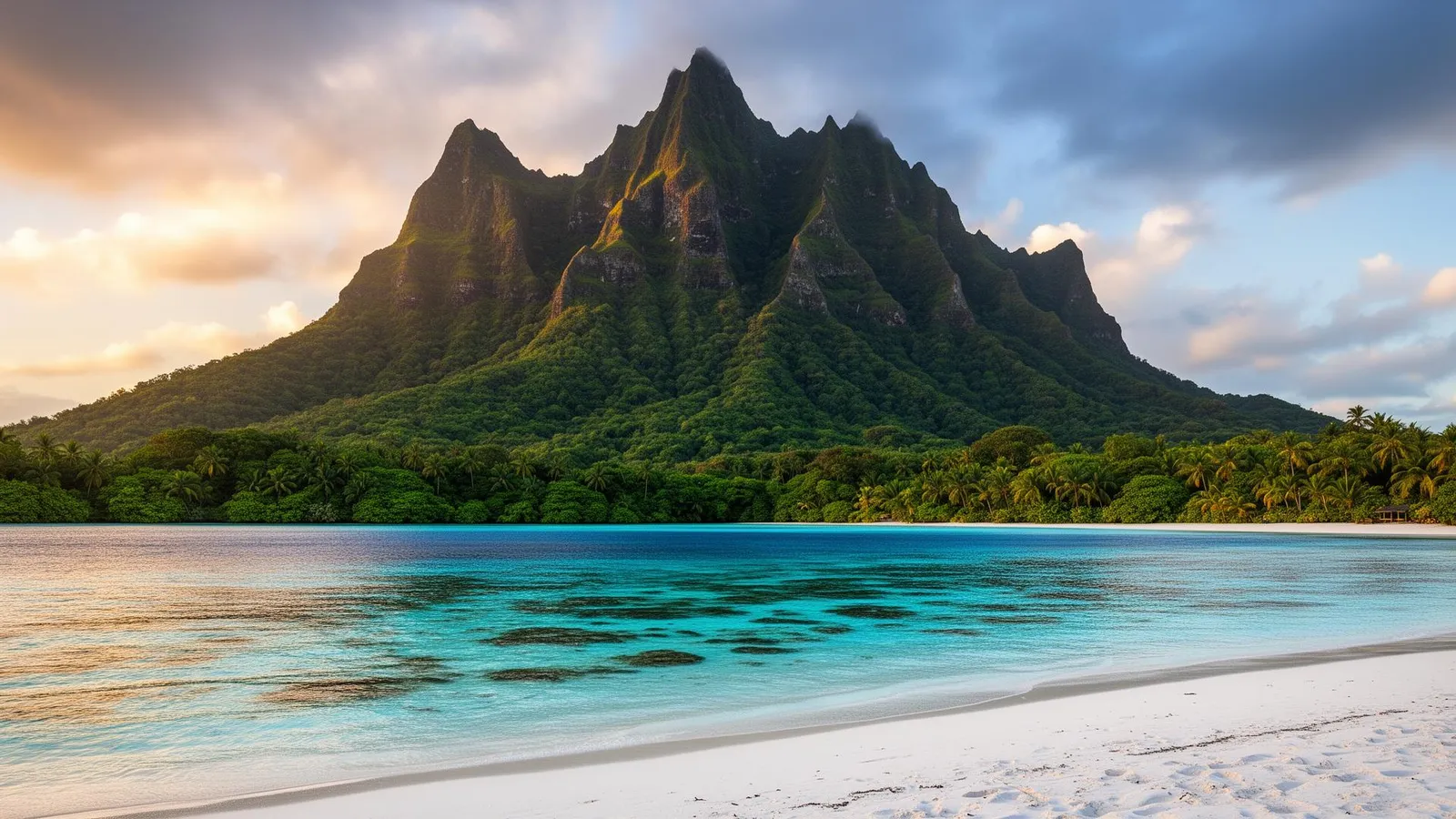
Conditions in August
So, you're dreaming of diving French Polynesia in August? You've picked a fantastic time for it! August falls right in the middle of French Polynesia's dry season, which means glorious weather above the surface and equally stunning conditions below. Expect plenty of sunshine and generally light winds, making for comfortable cruising on your liveaboard and calm surface conditions at most dive sites. Air temperatures hover around a pleasant 26-29°C (79-84°F) during the day, cooling slightly in the evenings. You won't be struggling with oppressive humidity, a welcome change from some tropical destinations.
Below the waves, the picture is just as inviting. Water temperatures in August typically range from 26-28°C (79-82°F), so you'll be comfortable in a 3mm wetsuit, or even just a rash guard if you're particularly warm-blooded. Visibility is often exceptional, frequently exceeding 30 meters (100 feet) and sometimes reaching a breathtaking 40 meters (130 feet) or more. This incredible clarity allows you to fully appreciate the vastness of the reef systems and the sheer abundance of marine life.
While the weather is generally settled, French Polynesia is known for its currents, which are present year-round. August is no exception. These currents are precisely what bring in the big pelagics that divers flock to these islands for, especially in the passes. Your liveaboard dive guides are experts at timing dives to make the most of these currents, often planning drift dives that allow you to effortlessly glide along, observing the action. Be prepared for some exhilarating drift dives, especially in the Tuamotu Atolls.
What you will see
August in French Polynesia is simply magic for marine life enthusiasts. This is prime time for large animal encounters, and the Tuamotu Archipelago, in particular, becomes a thrilling arena. Shark sightings are virtually guaranteed, and we're talking about a diverse cast: grey reef sharks, blacktip reef sharks, whitetip reef sharks, lemon sharks, and even silvertip sharks are commonly seen patrolling the reef edges and passes. In August, you'll often encounter large aggregations of these sharks in the passes, creating an unforgettable spectacle.
But the sharks are just the beginning. August is a fantastic month for hammerhead sharks, especially around the outer atolls of the Tuamotus like Rangiroa and Fakarava. While not guaranteed on every dive, your chances of spotting scalloped hammerheads are significantly higher during this cooler, drier season. Manta rays are also frequently encountered, gracefully gliding over cleaning stations or feeding in the nutrient-rich currents. Keep your eyes peeled for eagle rays too, often seen cruising in formation.
Beyond the celebrated pelagics, the reefs themselves are thriving. Expect to see an incredible array of colourful reef fish – massive schools of snappers, fusiliers, surgeonfish, and parrotfish. Moray eels, Napoleon wrasse, and turtles (green and hawksbill) are omnipresent. While macro life isn't the primary draw here, the vibrant coral gardens still house a good variety of nudibranchs, crabs, and shrimp for those who take the time to look closely. And let's not forget the majestic humpback whales! August is right in the middle of their migration season, so while not guaranteed on scuba dives, you might spot them from the liveaboard boat, and some operators offer dedicated whale watching excursions or snorkeling encounters (subject to strict regulations).
Top dive sites this month
For an unforgettable August dive trip, you simply must focus on the Tuamotu Atolls. These low-lying coral rings are the pelagic capital of French Polynesia. Our top recommendation for August is without a doubt Rangiroa, particularly the legendary Tiputa Pass and Avatoru Pass. These passes are famous for their strong currents and incredible density of sharks – you'll often see walls of grey reef sharks, and the chances for hammerheads are very good in August. Drift diving through these passes with hundreds of sharks is an experience unlike any other.
Another absolute must-visit is Fakarava, a UNESCO Biosphere Reserve. Its two most famous passes, Garuae Pass (North Pass) and Tumakohua Pass (South Pass), are phenomenal. Garuae Pass often boasts an astonishing "shark wall" in August, where hundreds of reef sharks congregate at the mouth of the pass. Tumakohua Pass, affectionately known as the "Shark's Highway," is another incredible site for robust shark action and lush coral gardens. For something a little different, consider diving the passes around Tikehau, which is known for its exceptionally clear waters and high concentration of fish, including schools of barracuda and various reef sharks. The combination of predictable conditions and concentrated marine action makes these Tuamotu sites shine brightest in August.
Practical tips for your trip
Given the comfortable water temperatures of 26-28°C (79-82°F) in August, a 3mm full wetsuit is generally ideal. If you tend to get cold easily or plan on doing multiple dives a day, you might consider a 5mm suit for extra warmth, but it's rarely necessary. For those who are always warm in tropical waters, a shorty or even a rash guard might suffice, though some protection against minor stings or reef contact is always a good idea. This time of year is excellent for both experienced divers and those who are comfortable with drift diving. While some passes can have strong currents, liveaboard guides are adept at managing these dives to ensure safety and maximise enjoyment. If you're a beginner, make sure you disclose your experience level to the liveaboard operator so they can tailor dives that suit you, perhaps focusing more on the calmer lagoon dives or less intense pass entry points.
August is peak season for French Polynesia, so liveaboard availability can be tight. We highly recommend booking your trip well in advance – think 6-12 months out – to secure your preferred vessel and itinerary. Pack light tropical clothing for on deck, along with a good reef-safe sunscreen, a wide-brimmed hat, and polarized sunglasses. Don't forget your camera gear; the visibility and marine life encounters in August are simply too good to miss. Current hooks are useful for observing action in strong currents without exerting yourself, and while some liveaboards provide them, it’s good to have your own. Be aware that currents are a constant feature of the Tuamotus; embrace them as they are the lifeblood of the incredible marine environment you've come to explore. Enjoy the ride!
Year-round overview for French Polynesia
Frequently asked questions
Is August a good month to dive in French Polynesia?
What can you see diving in French Polynesia in August?
Should I book a French Polynesia liveaboard for August or wait?
Find a liveaboard for August
Compare available French Polynesia liveaboards departing in August.
Search and Book