Conditions in April
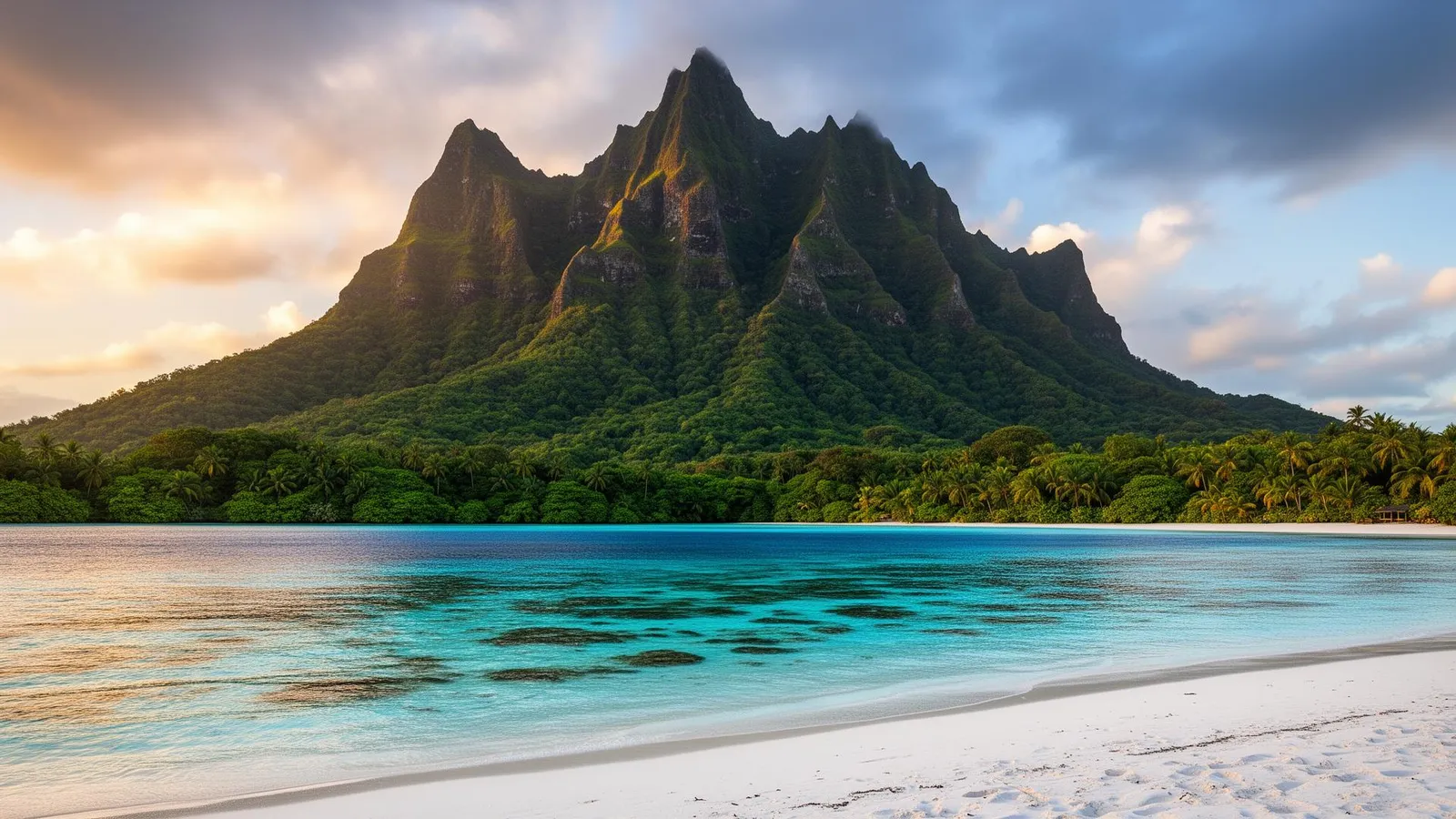
So, you’re thinking about diving French Polynesia in April? Excellent choice! You’re catching the tail end of the “wet” season, but don’t let that scare you off. April in French Polynesia is often a sweet spot, offering a fantastic balance before the high season crowds truly descend. The weather is generally warm and humid, with average air temperatures hovering around 28-30°C (82-86°F). You can expect sunny days, though occasional tropical showers are absolutely part of the package. These showers are usually short-lived and pass quickly, leaving behind that glorious post-rain freshness and often leading to vibrant rainbows.
When it comes to the underwater world, you're in for a treat. Sea state is typically calm and pleasant, especially within the lagoons and sheltered passes. Outer reefs might experience a bit more swell, but nothing too dramatic for experienced divers. Water temperatures are wonderfully warm, usually a consistent 27-29°C (81-84°F), meaning you’ll be comfortable in a relatively thin wetsuit. Visibility is outstanding, as is most of the time in French Polynesia, generally ranging from 20-30 meters (65-100 feet) or even more on a good day. It might be slightly less after a heavy rain, but still more than enough for breathtaking views.
Currents are a defining feature of diving in French Polynesia, and April is no exception. These nutrient-rich currents are precisely what makes the diving here so spectacular, attracting the large pelagic action we all dream of. You'll encounter mild to strong currents in the famous passes, depending on the tide. This means drift diving is often the order of the day, a exhilarating experience as you fly past vibrant coral gardens and teeming marine life. Your dive guides will always brief you thoroughly on the expected conditions, so you can just relax and enjoy the ride.
What you will see
April in French Polynesia is a prime time for pelagic encounters, making it an absolute bucket-list destination for shark and manta fanatics. The strong currents flowing through the passes act as a magnet for oceanic predators, and you can expect to see an incredible diversity and density of sharks. Think grey reef sharks, blacktip reef sharks, whitetip reef sharks, lemon sharks, and even massive silvertip sharks patrolling the reef edges. In particular, April is a great month for witnessing the sheer number of grey reef sharks congregating in the passes of the Tuamotu atolls. It's often referred to as "shark soup" for a reason!
Beyond the sharks, manta rays are a significant draw this time of year. While they are present year-round, conditions in April are often conducive to consistent sightings. You'll find both oceanic manta rays and reef manta rays, often feeding in the current-rich channels or visiting cleaning stations. Keep your eyes peeled for eagle rays, which gracefully glide by in formation, and barracuda often gather in large, shimmering schools. Dolphins are also frequent visitors to the passes and outer reefs, sometimes making surprise appearances during your dives or even on the surface.
Don't forget the smaller, equally fascinating marine life. The coral reefs, especially within the protected lagoons and passes, are vibrant and healthy, hosting an explosion of colorful reef fish – angelfish, butterflyfish, triggerfish, and parrotfish galore. Look into the healthy hard and soft corals for moray eels, crabs, and nudibranchs. Though French Polynesia isn't typically known as a macro destination, keen-eyed divers will still find plenty of photo opportunities. You might also spot Napoleon wrasse, giant groupers, and various species of tuna hunting in the blue.
Top dive sites this month
For April diving, the Tuamotu Archipelago is hands down where you want to be. These remote atolls are legendary for their prolific shark action and pristine reefs. Fakarava, a UNESCO Biosphere Reserve, is an absolute MUST. Its famous South Pass (Tumakohua) and North Pass (Garuae) are world-renowned. In April, Tumakohua is incredible for its “shark wall,” where hundreds of grey reef sharks aggregate during incoming currents – it’s an unforgettable spectacle. Garuae also delivers epic drift dives with a high chance of spotting silvertips, mantas, and schooling pelagics.
Rangiroa, the second-largest atoll in the world, is another top contender. Tiputa Pass and Avatoru Pass are fantastic. Tiputa Pass, in particular, offers thrilling drift dives where you can literally fly past huge schools of barracuda, eagle rays, tuna, and of course, a multitude of sharks including hammerheads if you're lucky. In April, the consistent currents make for reliable, action-packed dives. Don't overlook Tiputa's reef outside the pass for amazing coral formations. Tikehau, known as the "Pink Sand Island," offers stunning visibility and a great chance for manta ray encounters in its main pass, Tuheiava, during April. The healthy reef here is also teeming with smaller reef fish and vibrant coral.
Practical tips for your trip
Given the wonderfully warm water temperatures, a 3mm shorty or a full 3mm wetsuit will be perfectly comfortable for most divers. If you tend to get cold easily or plan on doing multiple dives a day, a 5mm suit might be preferable, but anything thicker would likely be overkill. April is an excellent month for both beginner and advanced divers. While the Tuamotu passes are known for their strong currents and are perhaps best enjoyed by those with some drift diving experience, liveaboards and dive centers offer options for all skill levels, including calmer lagoon dives for beginners or those wanting a more relaxed experience.
Liveaboard availability in April is generally good, as it's just before the peak season really kicks into high gear. This means you might find slightly better rates and less crowded boats compared to June-August. Booking in advance is still highly recommended, especially for popular itineraries, as French Polynesia remains a sought-after destination. What to pack? Besides your dive gear (don't forget a reef hook for those current dives!), light, breathable clothing, sun protection (hat, sunglasses, reef-safe sunscreen), insect repellent, and a good camera are essential. Be aware that English is widely spoken in tourist areas, but a few French phrases will always be appreciated. Also, remember to respect local customs and marine life – look but don’t touch! Enjoy the trip of a lifetime!
Year-round overview for French Polynesia
Frequently asked questions
Is April a good month to dive in French Polynesia?
What can you see diving in French Polynesia in April?
Should I book a French Polynesia liveaboard for April or wait?
Find a liveaboard for April
Compare available French Polynesia liveaboards departing in April.
Search and Book