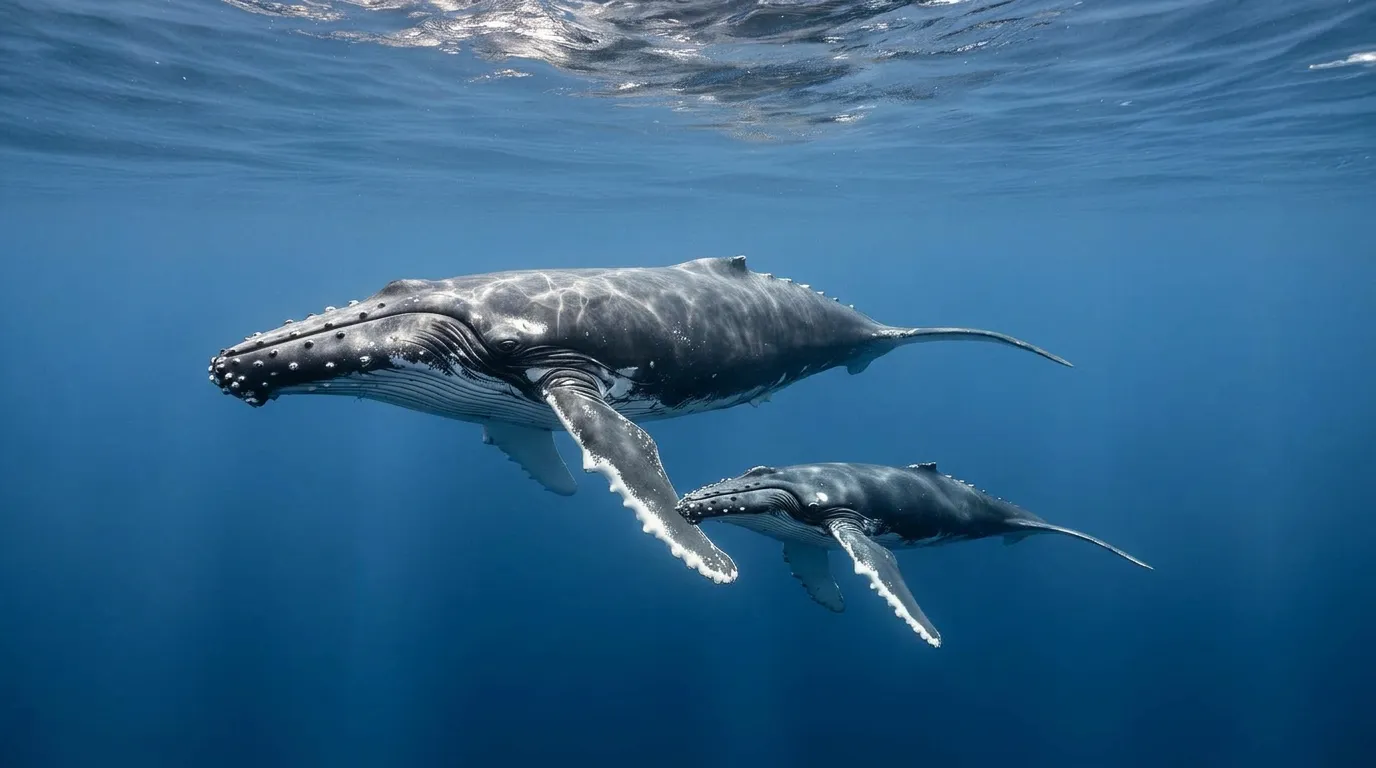
Conditions in April
Ready to chase some serious underwater magic? April in Madagascar is an incredibly appealing time for adventurous divers like you. As the island nation transitions from the wet season into the drier months, you'll find conditions often hit a sweet spot, making it a prime, albeit sometimes overlooked, window for a dive liveaboard experience. You can expect the air temperatures to be comfortably warm, typically hovering around 25-30°C (77-86°F), making surface intervals a joy – perfect for soaking up the Malagasy sun. While the last vestiges of the rainy season might bring an occasional shower, these are generally short-lived and usually don't impact your diving plans significantly. This transition period often means clearer skies and calmer seas compared to the height of the cyclone season, which typically wraps up by March.
Underwater, things are equally inviting. Water temperatures in April are delightfully warm, generally ranging from 27-29°C (81-84°F) across most of the prime diving regions, like Nosy Be and the surrounding archipelagos. This means you can comfortably enjoy your dives in a 3mm shorty or even just a rash guard, though a full 3mm wetsuit provides extra protection against occasional stings and coral contact. Visibility, post-rainy season, tends to be good and is on an upward trend. You can realistic expect visibility to be in the 15-25 meter range on most sites, and often pushing past 30 meters on particularly good days, especially as you move further from coastal river mouths. Currents are typically mild to moderate in April. While you might encounter some gentle drifts, particularly around outer reefs and passages, nothing too challenging for experienced recreational divers is usually observed. This allows for enjoyable drift dives and comfortable exploration of the reef systems.
What you will see
April in Madagascar offers a spectacular showcase of marine biodiversity, especially with the clear waters allowing for excellent viewing. While whale sharks usually start their main aggregation later in the year (August-December), you still have a decent chance of encountering these gentle giants, particularly around the Nosy Be region, as some individuals may still be lingering or arriving early. Manta rays are consistently present on cleaning stations and feeding grounds throughout the year, and April is no exception. Look out for both oceanic and reef mantas gracing the blue, often in areas with mild currents which concentrate their food source. Eagle rays are also common sightings, often seen in schools cruising elegantly along reef edges.
For the pelagic enthusiast, April can be a treat. Beyond the rays, you'll likely spot various reef sharks, including whitetip, blacktip, and grey reef sharks, particularly on deeper dives and around pinnacles. Tuna, barracuda, and trevally schools are frequently seen hunting in the open water. The reefs themselves are teeming with vibrant life. Expect to be mesmerized by colourful nudibranchs, a fantastic array of bizarre frogfish, and robust ghost pipefish (if you have a good eye or an even better guide!). The hard and soft coral gardens are pristine and host an incredible variety of reef fish, from inquisitive clownfish and darting anthias to camouflaged scorpionfish and playful sweetlips. Keep an eye on sandy bottoms for resting leopard sharks and camouflaged flatworms. For macro photographers, the conditions are superb, with excellent visibility and a plenitude of subjects.
Top dive sites this month
When planning your April diving adventure in Madagascar, focusing on the Nosy Be archipelago and its surrounding islands is definitely your best bet for an unforgettable liveaboard journey. This region consistently offers some of the country's most vibrant and accessible dive sites. One must-visit is the Mitsio Archipelago, located north of Nosy Be. Its remote location means pristine reefs, dramatic rock formations, and a high chance of spotting larger pelagics in April. Look out for sites like "The Four Brothers" (Les Quatres Frères), where strong currents can bring in schools of barracuda, snapper, and sometimes even sharks. The vibrant soft corals there are a spectacle in themselves.
Closer to Nosy Be, you'll want to explore the sites around Nosy Sakatia and Nosy Tanikely Marine Park. Nosy Sakatia is famously known for its resident population of green sea turtles, and in April, the water clarity makes observing them particularly enjoyable. Tanikely, being a marine protected area, boasts incredible coral gardens, a huge diversity of reef fish, and a generally calmer environment, perfect for extended bottom time and photography. Further south, the sites around Nosy Iranja, often called "Turtle Island", offer excellent drift dives and another great chance to encounter turtles, often in significant numbers. The combination of healthy reefs, diverse marine life, and comfortable conditions makes these regions shine in April.
Practical tips for your trip
Given the warm water temperatures of 27-29°C (81-84°F) in April, a 3mm wetsuit is generally sufficient for most divers, providing comfort and a bit of protection. If you tend to get cold easily or plan on doing multiple long dives each day, a full-length 3mm can be a good idea. However, many divers will be perfectly comfortable in a shorty or even just a rash guard, especially if the liveaboard offers unlimited diving. April is an excellent month for both beginner and advanced divers. The generally calm conditions and improving visibility make it ideal for those newer to diving to gain confidence, while the abundant marine life and potential for larger pelagics will thrill seasoned divers. Liveaboard availability in April is generally good, as it's just before the peak season really kicks in around July/August. However, Madagascar liveaboards are fewer in number compared to some other popular destinations, so booking well in advance is always advisable to secure your preferred boat and itinerary.
When packing, think light and versatile. Besides your essential dive gear, bring swimwear, light quick-drying clothing, sun protection (hat, sunglasses, reef-safe sunscreen), insect repellent (especially for evenings on deck or island excursions), and a light jacket for cooler evenings. Malagasy power outlets are typically Type C, E, or F, with 220V, so bring appropriate adapters. It's also wise to have some cash (Ariary) for small purchases or tips, although major liveaboards usually accept credit cards for onboard expenses. Be aware that while English is spoken in tourist areas, a few French phrases can go a long way. Finally, ensure your travel insurance covers diving activities and potential medical emergencies. April can still carry a very slight risk of residual tropical weather, so staying informed about forecasts is always a good practice, though major storms are rare by this time. While connectivity can be spotty in remote areas, most modern liveaboards offer Wi-Fi, often for a fee. Prepare for a truly unique and unforgettable adventure!
Year-round overview for Madagascar
Frequently asked questions
Is April a good month to dive in Madagascar?
What can you see diving in Madagascar in April?
Should I book a Madagascar liveaboard for April or wait?
Find a liveaboard for April
Compare available Madagascar liveaboards departing in April.
Search and Book