Conditions in June
So, you're eyeing Madagascar for a dive trip in June? Excellent choice! While it’s not peak season in the same way the northern hemisphere summer is, June offers a fantastic window into Madagascan underwater wonders, especially if you prefer slightly cooler, clearer waters and fewer crowds. The weather topside is generally dry and pleasant, marking the beginning of the cooler, dry season. You can expect plenty of sunshine and comfortable temperatures, perfect for relaxing between dives.
Below the surface, things are just as inviting. Water temperatures generally hover between 24°C and 26°C (75-79°F), which is comfortable enough for a 3mm or 5mm wetsuit, depending on your personal tolerance for cold. Visibility during June is consistently good, often ranging from an impressive 20-30 meters, and sometimes even more in prime locations, thanks to calmer seas and less runoff from land. While currents can vary depending on the specific dive site and moon phase, they are generally manageable. You might encounter mild to moderate currents on some offshore reefs, but most sites offer a relaxed drift or sheltered conditions, making them accessible for diverse skill levels.
The sea state in June is usually calm, especially on the western and northwestern coasts which are more sheltered from prevailing winds. This means comfortable boat rides to and from dive sites, and generally smoother conditions underwater for photography and observation. It’s a truly refreshing time to explore Madagascar’s diverse marine ecosystems without the extreme heat or potential for rough seas that can sometimes be present in other months.
What you will see
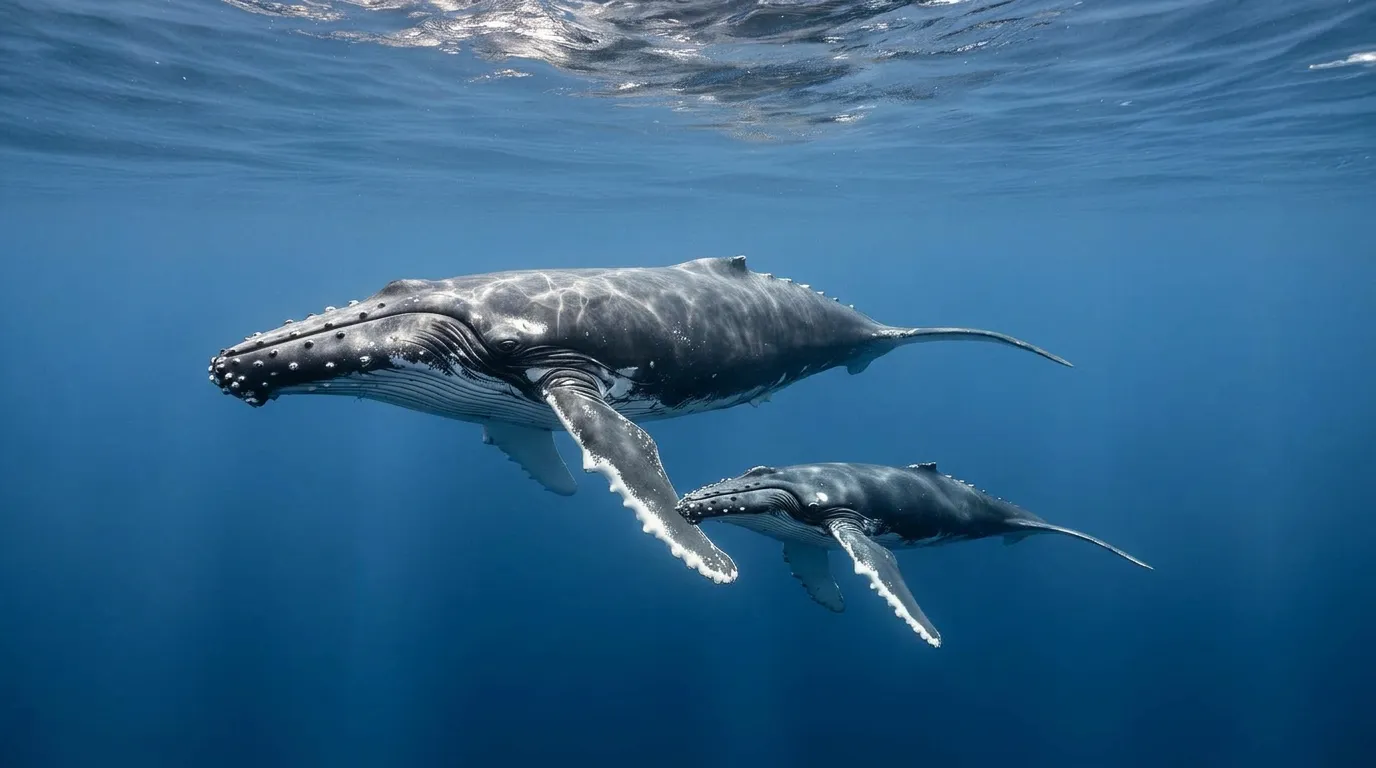
June in Madagascar is a fantastic time for a rich tapestry of marine life encounters. While not high season for humpback whales (that usually kicks off in July), you might still catch early arrivals, especially around Sainte Marie. However, where June truly shines is with its resident populations. Expect healthy coral reefs teeming with vibrant reef fish, including dazzling angelfish, butterflyfish, and clownfish peeking out from anemones. You’ll be treated to numerous species of moray eels, including honeycomb and giant morays, often seen peeking from their crevices.
For pelagic enthusiasts, June offers consistent sightings of various shark species. Whitetip and blacktip reef sharks are common residents around the offshore reefs of Nosy Be and Radames Archipelago. You might also spot grey reef sharks patrolling the deeper edges. Keep your eyes peeled for schools of barracuda, trevally, and snapper, often congregating in impressive numbers. While manta ray sightings aren’t guaranteed on every dive, they are present year-round in certain areas, and June can still bring impressive encounters, particularly around cleaning stations.
Macro lovers, rejoice! Madagascar’s reefs are a treasure trove for tiny wonders. In June, you’ll find an abundance of nudibranchs in various shapes and colors, along with frogfish, ghost pipefish, and numerous species of shrimp and crab tucked away in the corals. The vibrant pygmy seahorses are also resident in certain gorgonian corals, offering a rewarding challenge for keen-eyed divers. The clear waters of June really enhance the ability to spot these smaller, often hidden, creatures.
Top dive sites this month
When diving Madagascar in June, you absolutely can't miss the region around Nosy Be. Consider sites like Nosy Tanikely Marine Park, which offers sheltered conditions and an incredible density of reef fish, perfect for both beginners and experienced divers. It’s also a fantastic spot for macro photography. Further out, the dive sites around the small island of Nosy Sakatia are famous for their resident green sea turtles, which are often found grazing on seagrass beds or resting on the reef. You can often spend an entire dive just observing these gentle giants.
Another must-visit area is the Radames Archipelago, particularly sites like Greg's Wall and The Four Brothers (Les Quatres Frères). Greg's Wall is an impressive drop-off adorned with colorful soft corals, often attracting schools of pelagics and reef sharks. The Four Brothers, a series of pinnacles rising from the depths, are renowned for their strong currents and abundant fish life, including large groupers, snappers, and occasional manta ray sightings. These sites offer more challenging but incredibly rewarding diving experiences for those looking for a thrill.
Practical tips for your trip
Given the water temperatures in June (24-26°C / 75-79°F), a 3mm full wetsuit will likely be sufficient for most divers, though if you tend to get cold easily or plan on multiple dives a day, a 5mm might offer extra comfort. This month is generally suitable for all levels of divers. The calmer seas and good visibility make it welcoming for beginners looking to gain experience, while the more challenging pelagic-rich sites around the Radames Archipelago will easily satisfy advanced divers seeking adrenaline.
Liveaboard availability in June is generally good, as it's just before the high season for humpback whale migration. Booking a liveaboard is arguably the best way to experience the more remote and pristine dive sites, especially around the Radames and Mitsio archipelagos, offering unparalleled access and typically more dives per day. When packing, think light, tropical clothing for topside, but also include a light jacket or fleece for cooler evenings. Don't forget reef-safe sunscreen, a good hat, and plenty of insect repellent, especially for evenings on land. Finally, be aware that while generally safe, travel in Madagascar can sometimes involve unexpected delays, so maintaining a flexible attitude and a sense of adventure will serve you well!
Year-round overview for Madagascar
Frequently asked questions
Is June a good month to dive in Madagascar?
What can you see diving in Madagascar in June?
Should I book a Madagascar liveaboard for June or wait?
Find a liveaboard for June
Compare available Madagascar liveaboards departing in June.
Search and Book