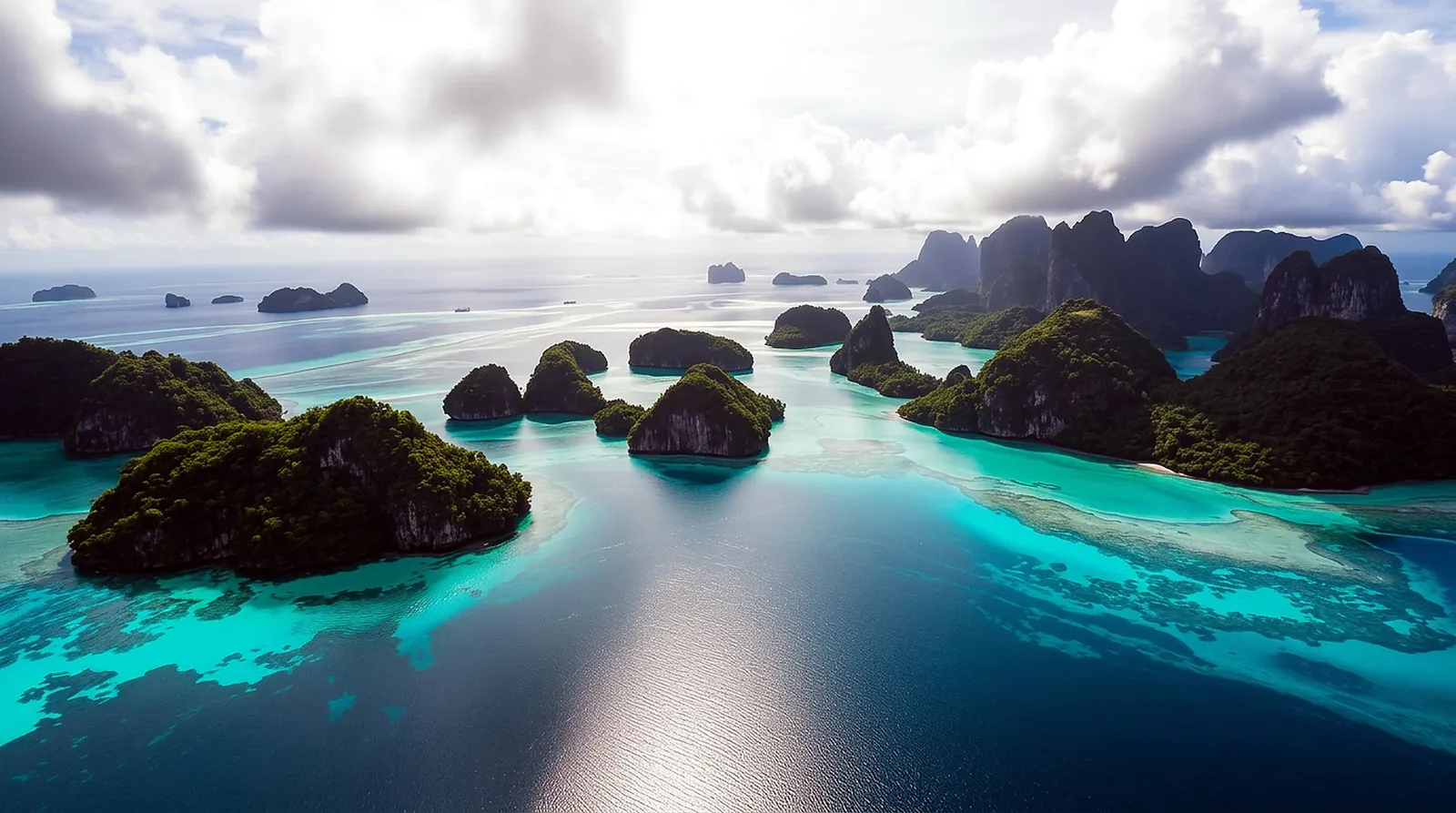
Conditions in June
June kicks off a fantastic period for diving across much of Indonesia, especially in the central and eastern regions. This month falls squarely within the dry season for many of the archipelago's prime diving destinations, meaning you can generally expect stable and sunny weather – perfect for a liveaboard adventure. Sea conditions are typically calm, providing smooth sailing and comfortable dives. Air temperatures hover pleasantly around 27-32°C (81-90°F), with water temperatures generally ranging from a very comfortable 26-29°C (79-84°F) in places like Komodo and Raja Ampat, though some deeper sites or specific areas can see it drop to 24°C (75°F) or even 22°C (72°F) in southerly currents, particularly around Komodo.
Visibility is consistently excellent during June, often reaching 20-30 meters (65-100 feet) or more in locations such as Komodo and parts of Raja Ampat. While some localized upwellings can occasionally reduce visibility temporarily, they often bring with them a surge of nutrients, attracting larger marine life. Currents are a defining feature of Indonesian diving, and June is no exception. You'll encounter a range from gentle drifts to exhilarating rips, particularly in areas like the Komodo National Park or those channels within Raja Ampat. While these currents can be strong, experienced guides on liveaboards know how to use them to your advantage, often positioning you perfectly for incredible drift dives or sustained encounters with pelagic species.
What you will see
June is an exceptional time for marine life encounters in Indonesia. In many areas, the dry season correlates with richer waters and increased pelagic activity. Komodo National Park, for example, is absolutely buzzing. You'll have excellent chances of spotting magnificent manta rays at sites like Manta Point or Karang Makassar, often congregating in cleaning stations or feeding frenzies on the nutrient-rich plankton blooms. Reef sharks – including white-tip, black-tip, and occasionally grey reef sharks – are active and abundant, patrolling the vibrant coral gardens. Keep an eye out for schooling fish in the thousands, from fusiliers to snappers, creating breathtaking spectacles on the walls and reefs.
While Raja Ampat's "peak" season is often cited as October to April, June still offers incredible diving. The sheer biodiversity here is unparalleled year-round. You'll find yourself immersed in healthy coral reefs bursting with colour, home to an astonishing array of reef fish, pygmy seahorses, wobbegong sharks, and epaulette sharks (walking sharks). For those who love macro life, the nutrient-rich waters also support a fantastict menagerie of critters: nudibranchs, flamboyant cuttlefish, mimic octopuses, and various types of pipefish are commonly sighted. While large whale shark aggregations aren't typically a June phenomenon in most of Indonesia, individual sightings are always possible, particularly around specific feeding grounds.
Top dive sites this month
For June, Komodo National Park is arguably the star of the show. Its dry season conditions make for superb diving. Dive sites like "Castle Rock" and "Batu Bolong" offer breathtaking walls adorned with soft corals and swarming with fish, while the currents here promise thrilling encounters. "Crystal Rock" is another must-visit, known for its pristine corals and large schools of fish. For consistent manta ray encounters, "Manta Point" (or Karang Makassar) is your best bet on a good day. The southern pinnacle dives such as "Nusa Kode" can be incredibly productive, with strong chances of seeing sharks and other large pelagics, though water here can be cooler.
Another excellent choice for June is Raja Ampat. While some liveaboards might be in transit or undergoing maintenance, many still operate in the heart of Raja Ampat, focusing on areas like "Misool" in the south or the northern regions around "Wayag" and "Dampier Strait." Misool’s iconic "Boo Windows" and the surrounding dive sites offer dramatic topography, healthy soft corals, and incredible biodiversity. The Dampier Strait, with sites like "Cape Kri" and "Blue Magic," is renowned for its fish biomass and consistent pelagic sightings, including barracudas, jacks, and various reef sharks.
Practical tips for your trip
Given the generally warm water temperatures in June, a 3mm or even a 2mm wetsuit will be sufficient for most divers. If you tend to get cold easily, especially after multiple dives or during longer surface intervals, you might consider a 5mm, but it’s rarely essential. For those planning to dive in Komodo where water can drop to 22-24°C in places, a 3mm full suit or even a shorty over a rashguard would be an excellent compromise, giving you flexibility. This month is incredibly suitable for both advanced divers who relish challenging currents and abundant pelagic action, as well as intermediate divers comfortable with drift diving, thanks to accessible sites and experienced guides.
Liveaboard availability for June is generally good, as it marks the beginning of the prime season for many central and eastern Indonesian destinations. However, popular boats can book up months in advance, so it's always wise to plan ahead. When packing, remember sunscreen (reef-safe, please!), a wide-brimmed hat, sunglasses, and light, breathable clothing for onboard comfort. A basic first-aid kit is always a good idea, as liveaboards can sometimes be in remote areas. Finally, be aware that while Internet connectivity is improving, it can still be patchy or non-existent in more remote dive areas, so be prepared to disconnect and truly immerse yourself in the underwater world!