Conditions in June
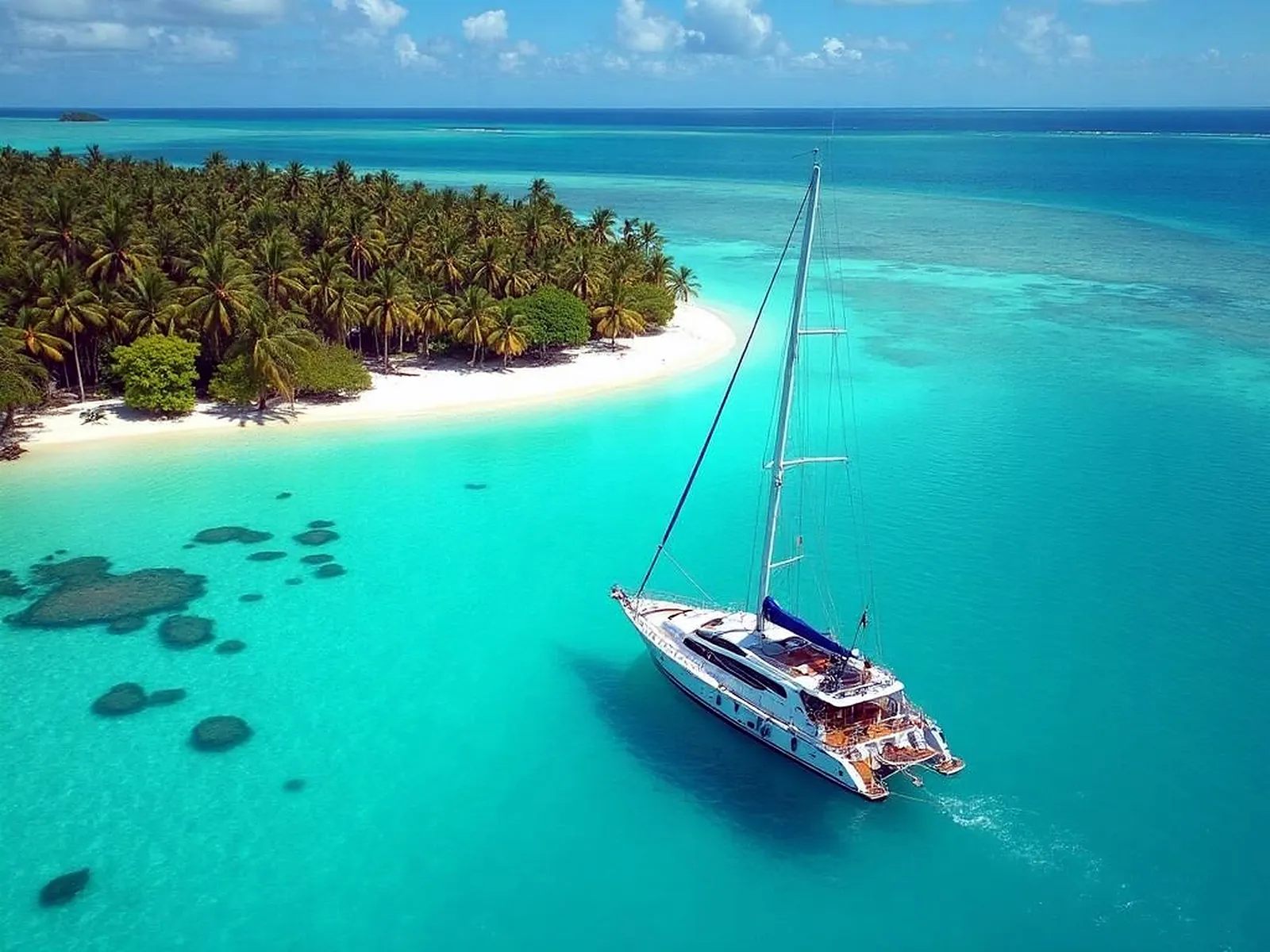
So, you're eyeing a June trip to the Dominican Republic's Silver Bank for some truly unique underwater encounters? You've picked an intriguing time. June officially marks the start of the Atlantic hurricane season, and while direct hits on the Silver Bank are rare, it's something to be aware of. Generally, however, June offers some lovely conditions. Expect air temperatures to hover around a comfortable 28-32°C (82-90°F), with humidity on the higher side. Sea conditions in June are typically calm to moderate. While a rogue squall can whip up chop, you’re usually looking at glassy to gently rolling seas, especially in the protected waters of the Silver Bank itself. This is crucial for successful whale interactions.
The water temperature is wonderfully warm, often sitting comfortably at 27-29°C (81-84°F). This means you’ll be super comfortable during your in-water sessions with the whales. Visibility, while not the 40-meter crystal-clear Caribbean visibility you might find elsewhere, is excellent for whale encounters. Within the Silver Bank, visibility usually ranges from 15-30 meters, which is more than enough to appreciate the grandeur of these marine giants. Currents within the protected Silver Bank are generally very mild to non-existent, making for easy drift snorkeling and observation. On the open ocean crossings to and from the Bank, you might experience stronger currents and choppier conditions, but once you're there, it’s pretty serene.
What you will see
June in the Silver Bank is all about one thing: humpback whales. While the peak breeding and calving season runs from January to March, June catches the tail end of the season as some mothers and their calves linger longer in the warm, protected waters before migrating north to their feeding grounds. This means you might still encounter mothers nursing their young, playful calves, and even the occasional escort male. The interactions are strictly snorkeling-based, as scuba diving is prohibited to protect the whales, but believe me, being in the water with these magnificent 40-ton creatures is an experience that transcends breathing from a tank. You’ll hear their haunting songs reverberating through your chest, witness their curious approaches, and often observe pectoral fin slapping and tail lobs from the boat.
While the whales are the undisputed stars, the Silver Bank itself is a fascinating, shallow sand and coral bank that fosters a rich diversity of marine life, though it's often overlooked in the shadow of the humpbacks. Keep an eye out for various reef fish species – parrotfish, damselfish, and surgeonfish are common. You might spot southern stingrays gliding across the sandy seafloor or even a nurse shark resting in a crevice. Look closely among the coral patches, and you’ll find smaller denizens like blennies, gobies, and a myriad of invertebrates. It’s not a vibrant coral reef system in the traditional sense, but the biological importance of this sanctuary for the whales is paramount.
Pelagic sightings beyond the whales are less common within the Silver Bank itself due to the shallow depths, but during your transit, you might be lucky enough to spot bottlenose dolphins playing in the bow wake or various seabirds feeding. Manta rays and large sharks are generally not a feature of the Silver Bank at this time, as the focus is solely on the humpbacks. The magic here is the sheer scale and grace of these gentle giants and the profound connection you feel when sharing their watery world.
Top dive sites this month
Okay, so "dive sites" isn't quite the right term here, as the Silver Bank is a designated marine mammal sanctuary where scuba diving is strictly forbidden to ensure the whales are undisturbed. Your experience will be focused on "whale interaction sites" selected daily by your expert guides. These are generally chosen based on recent whale sightings, weather conditions, and the whales' behavior. The entire Silver Bank, encompassing approximately 1,600 square nautical miles, is your playground.
Liveaboard operators work within designated zones, but within those zones, the beauty is in the spontaneity. You'll move to where the humpbacks are, observing from the boat first, and then, if the whales are receptive and deemed safe to approach, you'll enter the water for a highly controlled, respectful snorkeling encounter. Specific named locations are less important than the dynamic, fluid nature of finding the whales themselves. Each day presents a unique opportunity, whether you're observing a mother and calf in a secluded shallows or interacting with a curious adolescent in deeper waters within the sanctuary.
Practical tips for your trip
Given the lovely warm water temperatures of 27-29°C (81-84°F), you’ll be comfortable with a thin wetsuit, or even just a rash guard for sun protection. A 3mm full suit or a 3mm shorty is more than enough for warmth, offering good sun protection during extended surface time. This trip is unequivocally for all experience levels keen on marine life, as long as you’re comfortable in the water and can snorkel. You don’t need to be an advanced diver – in fact, no diving is permitted. You'll need basic swimming skills and comfort with a mask, snorkel, and fins. It's an unforgettable experience for anyone, from seasoned ocean enthusiasts to first-timers.
Liveaboard availability for June is usually quite good as it's the very end of the whale season. However, booking in advance is still advisable, as this remains a popular, albeit quieter, time to visit. Pack light, quick-drying clothing, plenty of reef-safe sunscreen, a wide-brimmed hat, good quality polarized sunglasses, and seasickness medication if you're prone to it (especially for the transit days). A good camera with an underwater housing is a must. Remember, this is a remote experience; you won't find shops or facilities on the Silver Bank, so bring everything you need. Be aware that interactions are on the whales' terms – if they don't want to engage, you observe from the boat. Patience and respect are key. Embrace the serenity and the incredible privilege of sharing the ocean with these magnificent creatures.
Year-round overview for the Dominican Republic
Frequently asked questions
Is June a good month to dive in the Dominican Republic?
What can you see diving in the Dominican Republic in June?
Should I book a the Dominican Republic liveaboard for June or wait?
Find a liveaboard for June
Compare available the Dominican Republic liveaboards departing in June.
Search and Book