Conditions in June
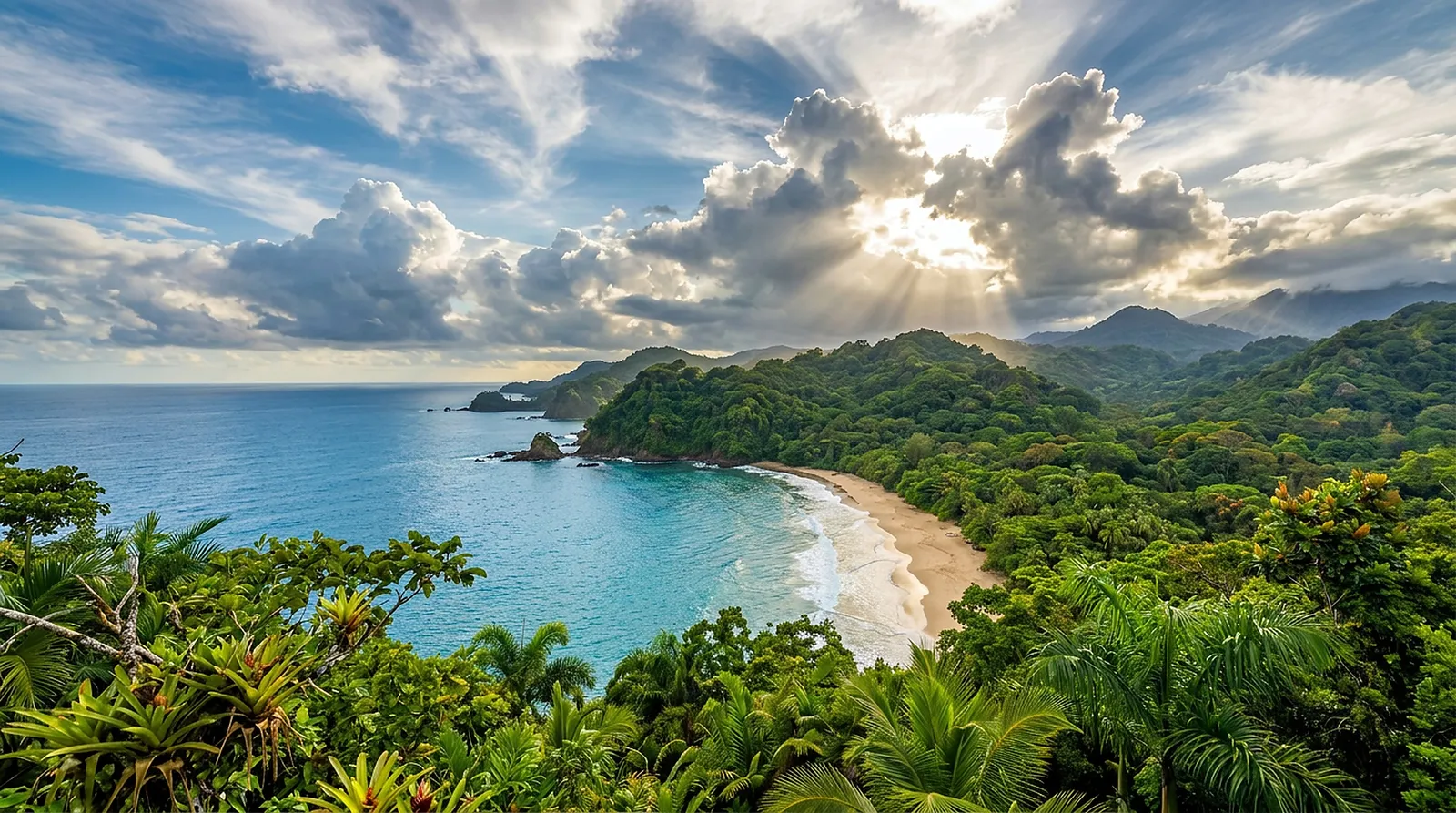
So, you’re thinking about diving Costa Rica’s legendary Cocos Island in June? Fantastic choice! This time of year ushers in some truly dramatic and rewarding diving, though it comes with a few more adventurous conditions. June marks the start of the wet season on Cocos Island, which, paradoxically, is often considered prime time for pelagic action. You're looking at air temperatures averaging around 25-28°C (77-82°F) – warm and tropical, as you’d expect in this part of the world. However, expect more frequent rainfall, which often means an increase in runoff but also contributes to the nutrient-rich waters that attract the big stuff.
Sea conditions in June can be a bit more dynamic. While Cocos Island's remote location in the Pacific typically means exposed conditions, the wet season can bring stronger winds and consequently choppier surface waters, especially during transits to and from the island. Once you’re at the dive sites, however, the currents are the main factor. These currents, ranging from mild to strong, are precisely what make Cocos so famous for its pelagic encounters, sweeping nutrients through the ecosystem. Visibility can vary significantly; while the dry season boasts up to 30 meters or more, June often sees it dip to around 15-20 meters (50-65 feet) due to the increased plankton blooms and occasional runoff. But don’t let that deter you – lower visibility often means more food, and more food means more marine life!
Water temperatures will generally be in the comfortable range of 26-28°C (79-82°F) near the surface. However, get ready for thermoclines! These are a defining feature of Cocos diving, and in June, they can be pronounced. You’ll often feel sudden drops of 2-4°C (3-7°F) as you descend, so don’t be surprised if the water in deeper sections feels cooler, perhaps around 22-24°C (72-75°F). These temperature fluctuations, along with the prevailing currents, are key drivers for the marine activity you’re here to see.
What you will see
June at Cocos Island is all about the pelagics, and it's truly spectacular. This is a time when the waters are teeming with life, drawn by the increased nutrients. You’re practically guaranteed to witness the legendary aggregations of scalloped hammerhead sharks. We're talking hundreds of individuals schooling around the seamounts and pinnacles – an absolutely mind-blowing experience that Cocos is globally renowned for. They are often seen cleaning at various stations, providing incredible photo opportunities. Beyond the hammerheads, you'll frequently encounter silky sharks, Galapagos sharks, whitetip reef sharks, and the occasional tiger shark patrolling the deeper waters.
Manta rays, particularly giant oceanic mantas, are also very active in June. With the abundance of plankton, these majestic creatures cruise along the reefs, often making graceful passes over divers. It’s not uncommon to see several individuals on a single dive. Eagle rays, marbled rays, and mobula rays also frequent the area, adding to the diverse array of cartilaginous fish. You’ll also spot robust populations of tuna (yellowfin and bigeye), as well as massive schools of jacks, barracuda, and snappers swirling around the dive sites, creating a dynamic and action-packed underwater landscape.
While Cocos is famous for its big animals, don’t ignore the smaller wonders. Although macro isn’t its primary attraction, you’ll still find plenty of interesting reef fish, healthy coral formations (particularly cup corals and black corals), and a few endemic species. Keep an eye out for marble-eye gobies, various angelfish, butterflyfish, and the occasional moray eel peering from crevices. Also, given the increased marine activity, June is a fantastic month for encounters with other large marine mammals. Dolphins are frequent visitors, and you might even get lucky with sightings of whale sharks or humpback whales migrating through the area, although these are less predictable.
Top dive sites this month
When diving Cocos Island in June, certain sites consistently deliver exhilarating experiences due to the prevailing conditions and marine behavior. Manuelita Coral Garden and Manuelita Deep are absolute must-dives. The Coral Garden, a shallower reef, is fantastic for white-tip reef sharks, eagle rays, and a vibrant reef ecosystem. Manuelita Deep, just beyond it, is where you'll often find colossal schools of hammerheads congregating, especially in the early mornings. The currents here can be quite strong, making it an advanced dive, but the reward is unparalleled. You'll often hook into the rocks and watch the hammerheads swim right over you.
Bajo Alcyone is another legendary site, particularly fruitful in June. This submerged seamount is a magnet for hundreds of hammerhead sharks, often circling above the pinnacle. Strong downcurrents and thermoclines are common here, but the sheer volume of pelagic life makes it an unforgettable experience. Finally, don't miss Dos Amigos Grande, a pair of large seamounts known for its impressive archway and dramatic underwater topography. Here, you'll encounter a mix of hammerheads, white-tips, and large pelagic fish cruising in the currents. These sites, with their exposed locations and dynamic currents, are where the action truly is in June.
Practical tips for your trip
Given the water temperatures and potential thermoclines, a 5mm wetsuit is highly recommended for diving Cocos Island in June. Even if you're usually comfortable in warmer waters, those deeper, cooler patches can really chill you down over multiple dives a day. Consider bringing a hood or a hooded vest for extra warmth, especially if you get cold easily. This month is definitely best suited for experienced and advanced divers. The prevailing currents can be strong, and drift diving is common. You should be comfortable with buoyancy control, negative entries, and the use of a reef hook. If you’re not an experienced diver, consider gaining more experience before tackling Cocos in June.
Liveaboard availability for Cocos Island, especially during peak pelagic season like June, tends to book up well in advance. It’s crucial to reserve your spot as early as possible – think 12-18 months ahead to secure your preferred dates and cabin. Beyond your dive gear, pack rain gear and waterproof bags for surface intervals and transfers. A good quality underwater camera is a must, given the incredible photographic opportunities. Don’t forget motion sickness medication for the transit to and from the island, as well as for potentially choppier surface conditions between dive sites. Be aware that medical facilities are extremely limited on the island itself, so ensure your travel insurance covers diving and emergency evacuations. Expect a truly wild and rewarding adventure, but come prepared for the elements and the challenging, yet incredibly fulfilling, diving these conditions bring.
Year-round overview for Costa Rica (Cocos)
Frequently asked questions
Is June a good month to dive in Costa Rica (Cocos)?
What can you see diving in Costa Rica (Cocos) in June?
Should I book a Costa Rica (Cocos) liveaboard for June or wait?
Find a liveaboard for June
Compare available Costa Rica (Cocos) liveaboards departing in June.
Search and Book