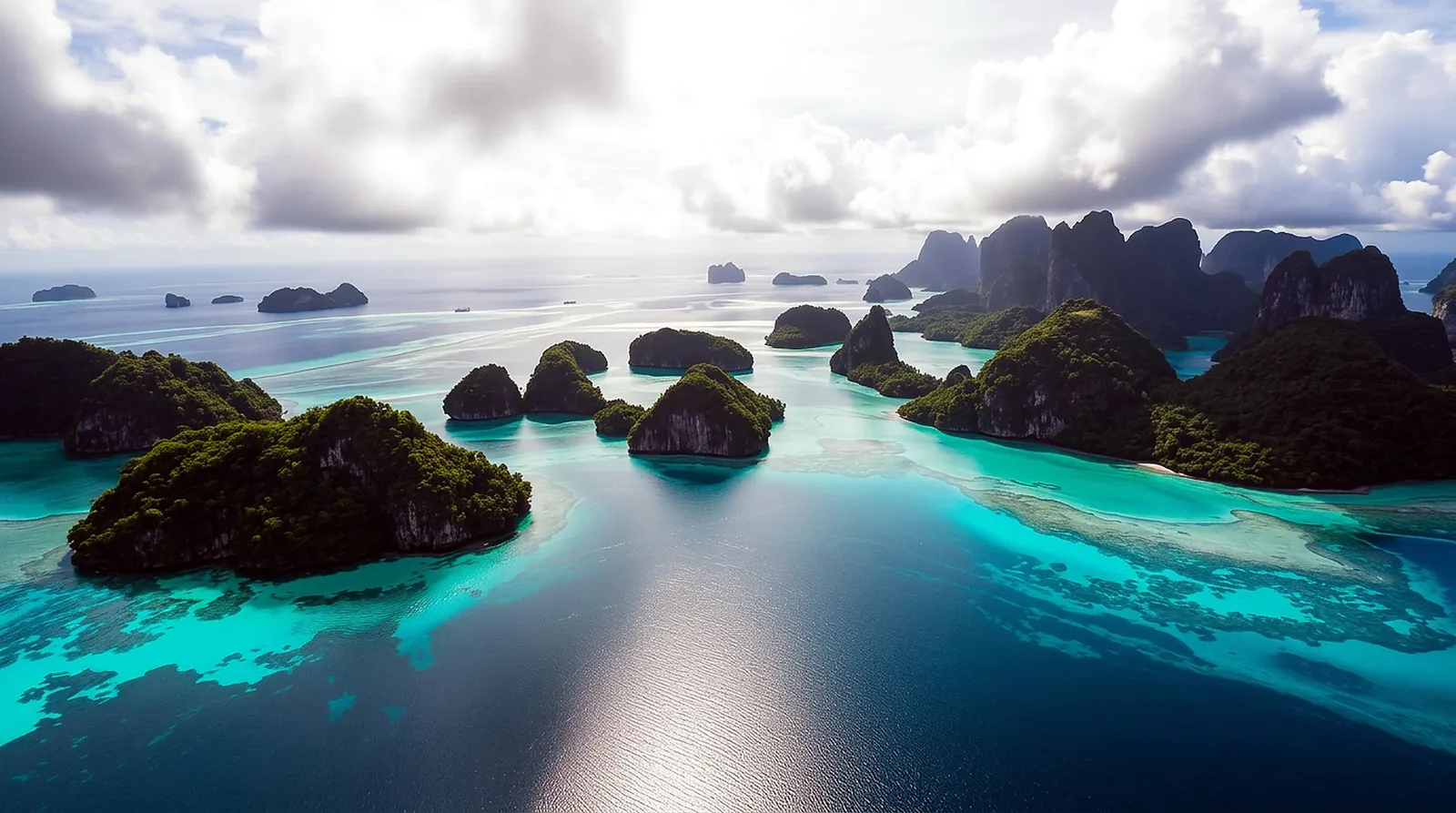
Conditions in September
September in Indonesia is a truly magical time to dive, offering some of the most consistent and favorable conditions across a vast and diverse archipelago. You're catching the tail end of the dry season in many regions, meaning stable weather patterns and generally calm seas. Expect plenty of sunshine and minimal rain, making your surface intervals just as enjoyable as your time underwater. Air temperatures typically hover around 28-32°C (82-90°F), so you'll be comfortable on deck.
Underwater, the conditions are equally inviting. Sea temperatures across most popular dive destinations like Komodo and Raja Ampat usually range from a balmy 26-29°C (79-84°F). However, if you venture to more southerly or deeper sites, particularly in Komodo or the Banda Sea, you might encounter thermoclines that drop temperatures to 22-24°C (72-75°F) – these cooler upwellings are often responsible for bringing nutrient-rich waters that attract magnificent pelagics. Visibility is generally excellent, often exceeding 20-30 meters (65-100 feet), especially in areas with strong currents that help filter the water. Speaking of currents, they can be a significant factor in many Indonesian dive sites, ranging from mild drifts to exhilarating, albeit challenging, rips. This is part of what makes Indonesia so dynamic and diverse, but it's something to be mindful of.
While September generally offers fantastic conditions, it's worth noting that some very remote eastern regions might start to see a slight transition in weather towards the end of the month, but for the main liveaboard routes, you're looking at prime diving. The calm seas make inter-island travel comfortable, and the consistent weather reduces the likelihood of itinerary changes due to extreme conditions.
What you will see
September diving in Indonesia is an absolute feast for the eyes, offering an incredible diversity of marine life that satisfies both macro enthusiasts and big-fish lovers. This month often sees an abundance of pelagic action, particularly in areas influenced by upwellings. In Komodo, for instance, you have excellent chances of encountering majestic manta rays at cleaning stations like Manta Point or Manta Alley. The nutrient-rich waters also attract various species of sharks, including reef sharks, sometimes even hammerheads if you're in the right place at sites like Castle Rock or Batu Bolong. You’ll also find schooling barracuda, trevally, and tuna, creating breathtaking spectacles.
Beyond the larger creatures, Indonesia's renowned biodiversity shines through. You'll find an astonishing array of macro life hiding in plain sight. Keep your eyes peeled for pygmy seahorses on gorgonian fans, an endless variety of nudibranchs, flamboyant cuttlefish, mimic octopuses, and frogfish in the shallower reefs and muck diving sites. Specific regions like Lembeh Strait are globally famous for their unparalleled macro opportunities year-round, and September is no exception. In places like Raja Ampat, the sheer density and diversity of reef fish are astounding, with vibrant corals teeming with life, from colorful wrasses and anthias to parrotfish and snappers.
Furthermore, September can be a great time for specific seasonal aggregations. While whale sharks are less predictable than in some other parts of the world, certain areas might offer opportunistic encounters. For those venturing to the Banda Sea, the end of the dry season and the rich currents mean excellent chances of seeing larger pelagics, including various shark species and even orcas and whales during their migration, particularly towards the end of the month. Expect to be utterly mesmerized by the sheer volume and variety of marine life wherever you drop in.
Top dive sites this month
For an unforgettable September dive trip, you simply cannot go wrong with Komodo National Park. This UNESCO World Heritage site is in its prime, offering consistent conditions and epic encounters. Sites like Batu Bolong and Castle Rock are renowned for their vibrant coral gardens, schooling fish, and consistent current, attracting sharks and large pelagics. Don't miss Manta Point or Manta Alley for those incredible manta ray encounters. The cool upwellings in the south of the park are often responsible for feeding these fantastic creatures.
Another strong contender for September is Raja Ampat. While some consider its "peak" season later in the year, September still offers phenomenal diving. The waters are generally calm, visibility is excellent, and you'll experience the world's most biodiverse marine ecosystem. Dive sites like Melissa's Garden, Wayag, and The Passage offer bewildering coral diversity and an unbelievable amount of fish life. You'll swim through clouds of fusiliers, encounter wobbegong sharks, and marvel at pygmy seahorses on intricate fan corals. The sheer wealth of species here is unmatched.
If you're seeking a blend of pelagic action and unique experiences, consider the Banda Sea, particularly if you're looking for a more adventurous itinerary. September sees improved conditions for exploring this historically significant region, with chances of encountering large schools of hammerhead sharks around the remote volcanic islands like those in the Ring of Fire. Sites such as Gunung Api are famous for their sea snakes and strong currents, along with schooling fish. It's a trip for the more experienced diver, but the rewards are immense.
Practical tips for your trip
Given the generally warm water temperatures, a 3mm full wetsuit will be perfectly comfortable for most divers in Indonesia during September. However, if you plan to dive repeatedly throughout the day, or if you're heading to areas like southern Komodo or the Banda Sea where thermoclines can drop temperatures to 22-24°C (72-75°F), consider bringing a 5mm suit or investing in a hooded vest for extra warmth. It's always better to be slightly warm than cold, especially if you're doing multiday diving on a liveaboard.
September is suitable for a wide range of divers. Beginners will appreciate the generally calm conditions and stunning shallow reefs found in many areas, while advanced divers will thrive on the exciting drift dives, strong currents, and deeper exploration opportunities. Many of the iconic sites in places like Komodo and Raja Ampat can have significant currents, so comfort with drift diving and excellent buoyancy control is highly recommended if you want to make the most of the experience. Liveaboard availability tends to be good in September, sitting just before the absolute peak season in some areas, but it's still advisable to book well in advance, especially for popular itineraries and boats, as word is out about how fantastic it is.
Beyond your dive gear, pack light, breathable clothing for surface intervals. Reef-safe sunscreen, a good hat, and sunglasses are essential. Definitely bring a camera, whether it's a simple point-and-shoot or a full-on underwater photography rig – you'll want to capture the incredible sights. Remember that many liveaboards are in remote locations, so having any personal medications, a backup mask, and plenty of memory cards is a good idea. Lastly, engage with your dive guides! Their local knowledge regarding currents and spotting elusive creatures is invaluable, making your September Indonesian dive adventure truly unforgettable.
Year-round overview for Indonesia
Frequently asked questions
Is September a good month to dive in Indonesia?
What can you see diving in Indonesia in September?
Should I book a Indonesia liveaboard for September or wait?
Find a liveaboard for September
Compare available Indonesia liveaboards departing in September.
Search and Book