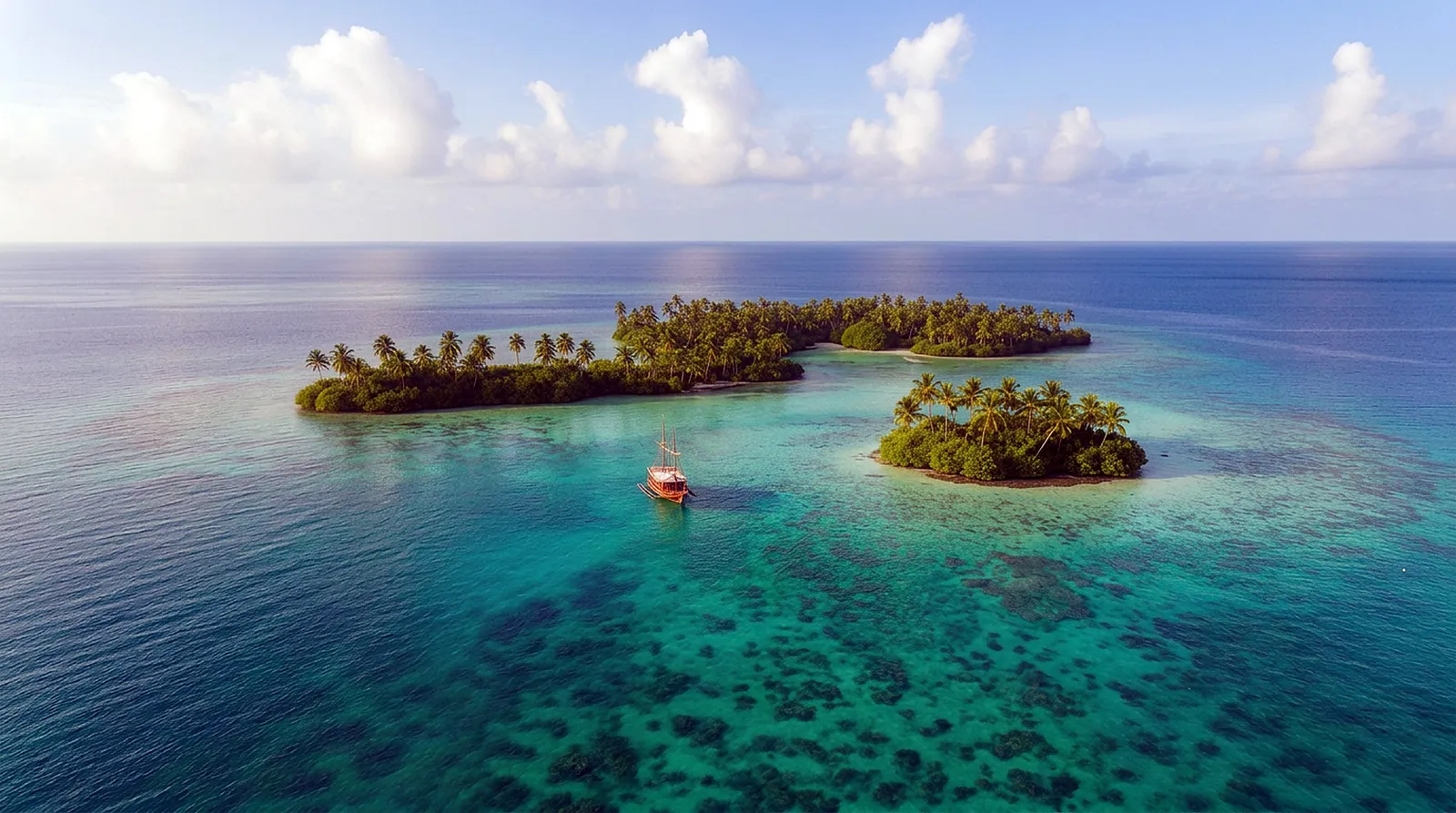
Conditions in April
Banda Sea in April is an absolute dream, marking the sweet spot as the "shoulder season" between the two monsoon periods. This means you're catching the tail end of the dry season, leading to some truly spectacular diving conditions. The seas are generally calm and flat, making for comfortable cruising on your liveaboard and easy entries and exits from dive sites. You can expect consistently warm water temperatures, typically hovering between 27-29°C (81-84°F). This balmy embrace means you can often get away with a lighter wetsuit, perhaps a 3mm shorty or even just a rash guard for those who run hot, though a full 3mm suit is often preferred for longer dives and protection from potential jellies.
Visibility during April in the Banda Sea is usually excellent, often reaching an astonishing 20-30 meters (65-100 feet). Imagine looking down into a boundless blue, with coral reefs and marine life perfectly crisp and clear. This phenomenal clarity is one of the hallmarks of diving this region during this time. While currents can always be a factor in nutrient-rich areas like the Banda Sea, April generally sees more manageable and predictable flows compared to the peak times of some other Indonesian regions. Your experienced dive guides will, of course, be adept at reading these currents, ensuring your dives are both thrilling and safe, often utilizing them to drift along stunning walls and reefs.
April is the ideal time to explore the vast expanse of the Banda Sea without the extremes of either monsoon. You'll enjoy abundant sunshine, minimal rainfall, and a relaxed atmosphere both above and below the surface. This period truly highlights why the Banda Sea is often referred to as Indonesia's "Forgotten Islands" – a pristine, untouched paradise just waiting to be discovered, and April offers you the perfect window to do so.
What you will see
April in the Banda Sea is synonymous with pelagic action, making it a prime time for those seeking encounters with larger marine residents. This month precedes the sardine run migration, but you're still in an excellent position to witness impressive aggregations of schooling fish that attract a myriad of predators. Keep your eyes peeled into the blue for various species of sharks, including reef sharks, silvertips, and sometimes even hammerheads gracing the oceanic drop-offs. Tuna and barracuda often cruise the currents, creating dynamic hunting scenes. It's a truly wild ocean here, a pristine ecosystem where the food chain is visibly vibrant and active.
While the peak for migratory cetaceans like whales and dolphins typically starts a bit later, April can still offer thrilling open-water sightings. You might spot spinner dolphins playfully riding the bow wave of your liveaboard, or even catch a glimpse of the mighty pilots and potentially other larger whale species on their journeys through these nutrient-rich waters. The sheer biodiversity extends to the reefs themselves, which are bursting with life. Beautiful hard and soft coral gardens, teeming with vibrant reef fish, create a kaleidoscope of color. You'll find resident populations of majestic manta rays and mobula rays cleaning and feeding around various seamounts and pinnacles, often seemingly unperturbed by divers.
Beyond the giants, the Banda Sea in April also offers fantastic macro opportunities for those who appreciate the smaller wonders. Look closely at the corals and sandy patches, and you'll discover pygmy seahorses, flamboyant cuttlefish, various nudibranchs, and a plethora of bizarre and beautiful reef critters. The health of these remote reefs means an incredible density of marine life at every scale, from the tiniest invertebrate to the largest pelagics. The underwater landscape itself is also part of the appeal, with dramatic walls, towering pinnacles, and expansive healthy reef systems creating a diverse canvas for exploration, each teeming with its own unique inhabitants.
Top dive sites this month
When you're diving the Banda Sea in April, you absolutely have to experience some of its iconic sites that shine brightest during this shoulder season. One of the absolute must-dos is Gunung Api, famously known as the "Ring of Fire" or "Snake Island." This active volcanic island is renowned for its immense population of olive sea snakes, which you’ll see weaving through the corals and swimming freely in an almost otherworldly dance. The warm, nutrient-rich waters surrounding this site, heated by volcanic activity, attract a stunning array of reef fish and pelagics too, adding another layer to its unique appeal. The volcanic slopes plunging into the deep create dramatic underwater topography.
Further south, the dives around the Forgotten Islands region, particularly sites near Nus Banda and Manuk Island are exceptional in April. Nus Banda offers pristine reef systems, vibrant with kaleidoscopic corals and schooling fish, often with reef sharks patrolling the deeper sections. Manuk Island, another active volcano, is another hot spot for sea snakes, but also a fantastic place for pelagic sightings, including barracuda and large trevally, drawn in by the healthy reef ecosystem and strong currents that bring in abundant nutrients. The sheer remoteness of these sites, combined with the favorable April conditions, means you're often diving in true solitude, witnessing untouched marine environments in their purest form. These locations truly showcase the raw, untamed beauty of the Banda Sea.
Practical tips for your trip
For your Banda Sea adventure in April, a 3mm full-length wetsuit is generally ideal. While the water is warm (27-29°C / 81-84°F), a full suit offers better protection against potential mild currents, jelly stings (though rare), and provides warmth during multiple dives each day. This month is generally suitable for intermediate to advanced divers. While some sites are gentle, many of the best spots involve drift diving or have deeper sections and exposure to currents, making good buoyancy control and experience with stronger flows beneficial. Beginners with good fitness could manage, but it's not typically recommended as a first liveaboard experience.
Liveaboard availability in April can vary; as it's a popular shoulder season, it's always wise to book well in advance, usually 6-12 months out, to secure your preferred boat and cabin. Pack light, breathable clothing for above deck, a good broad-brimmed hat, reef-safe sunscreen, and sunglasses – the equatorial sun is strong! Don't forget motion sickness medication if you're prone to it, though sea conditions are usually calm. Be prepared for remote travel; while liveaboards are well-equipped, local infrastructure on the islands themselves is minimal. Always have travel insurance that covers diving and medical emergencies. Embrace the journey to these truly forgotten islands; the reward is unparalleled diving in one of the world's most pristine marine environments.
Year-round overview for the Banda Sea
Frequently asked questions
Is April a good month to dive in the Banda Sea?
What can you see diving in the Banda Sea in April?
Should I book a the Banda Sea liveaboard for April or wait?
Find a liveaboard for April
Compare available the Banda Sea liveaboards departing in April.
Search and Book