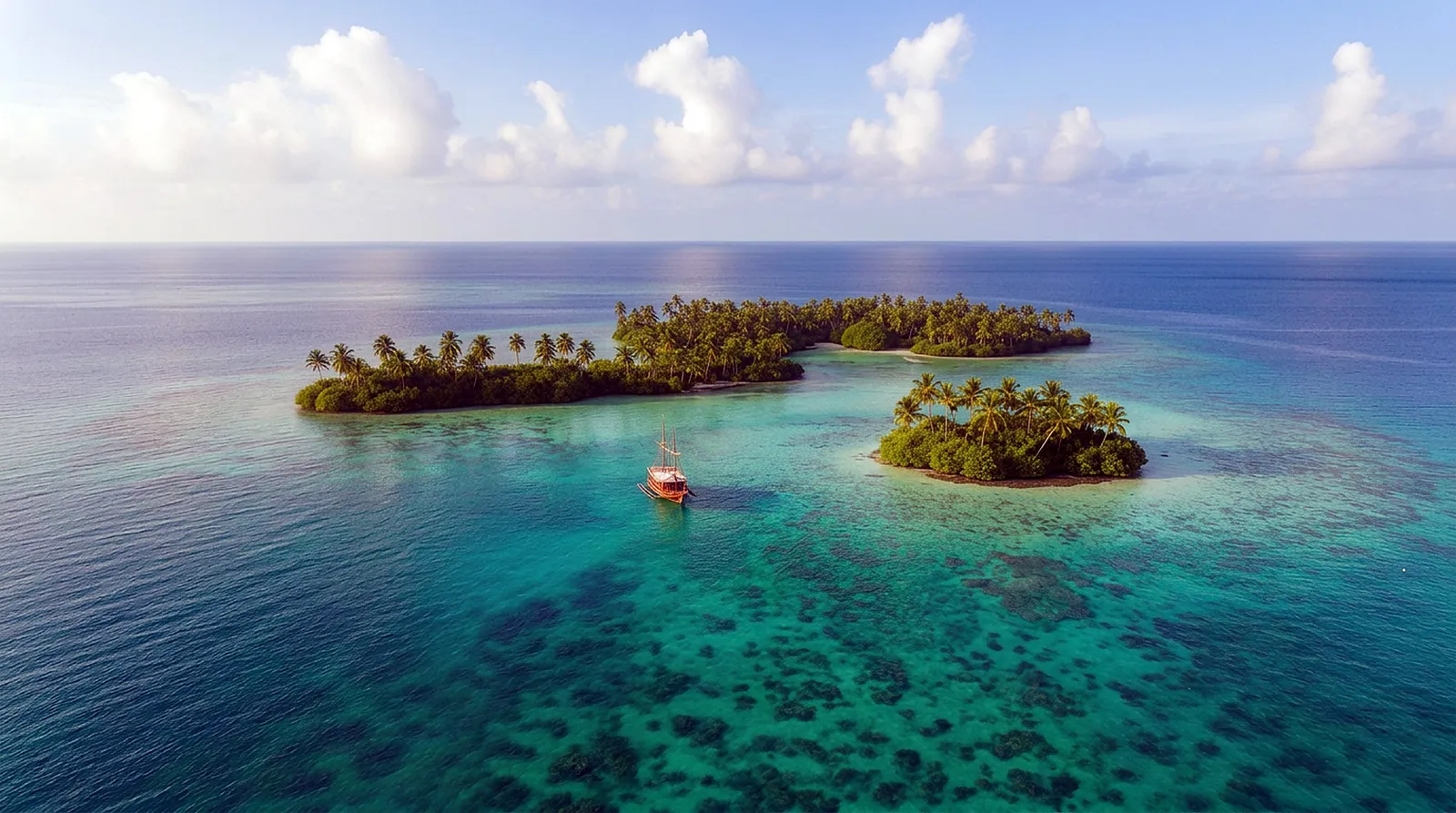
Conditions in January
January in the Banda Sea, often referred to as the "Ring of Fire," presents a unique and captivating diving experience, though it's important to understand the prevailing conditions. This month falls squarely within the region's wet season. What does this mean for your dive trip? Typically, you can expect more frequent rainfall, which can sometimes lead to choppier surface conditions, especially in more exposed areas. However, these squalls are often short-lived tropical downpours and generally don't deter serious divers. Sea state can be moderate, with some swell, particularly if you venture further offshore.
Water temperatures remain comfortably warm, averaging around 27-29°C (81-84°F), which is excellent for long dives without feeling the chill. Visibility, while generally very good in the Banda Sea, can be slightly reduced compared to the drier months due to increased runoff from land and plankton blooms. Expect visibility to be in the 15-25 meter range, which is still fantastic for admiring the vibrant reefs and larger pelagics. Currents are a constant companion in the Banda Sea and January is no exception. You'll encounter mild to moderate currents, which are often the lifeblood of these rich ecosystems, bringing nutrients to the reefs and attracting a plethora of marine life. This means drifting dives are common, offering an effortless way to explore.
What you will see
January in the Banda Sea is an incredible time for pelagic encounters, as the increased plankton in the water fuels the food chain. You'll be absolutely spoiled for choice if you're into big stuff. This is prime time for hammerhead shark aggregations. While not guaranteed on every dive, the chance of witnessing schooling hammerheads, particularly around sites known for their deep walls and currents, is remarkably high. Silky sharks and grey reef sharks are also common visitors, patrolling the reef edges. Keep an eye out into the blue for oceanic whitetips and even the occasional thresher shark. Manta rays are also frequently sighted, often feeding on the plankton-rich currents.
Beyond the iconic pelagics, the Banda Sea boasts an astonishing diversity of macro life. While January isn't specifically a "muck diving" month, you'll still find an incredible array of nudibranchs, pipefish, and various crustacean species tucked away in healthy coral gardens. The hard and soft coral cover here is simply breathtaking, forming vibrant underwater landscapes that teem with reef fish. You'll swim amongst schooling barracuda, trevally, and fusiliers, with Napoleon wrasse and bumphead parrotfish making frequent appearances. This is a dynamic ecosystem, and the energetic currents ensure a constant parade of marine activity.
Top dive sites this month
For an unforgettable January dive trip in the Banda Sea, several sites truly shine. The iconic Gunung Api, often called the "Ring of Fire," is an absolute must-dive. This active underwater volcano is famed for its incredible population of banded sea snakes, often numbering in the hundreds, alongside flourishing coral gardens spurred by geothermal activity. The currents here can be moderate, but the spectacle is unparalleled. Another stellar location is the island group of Lucipara Islands. Known for its pristine reefs and rich pelagic action, particularly schooling hammerheads, Lucipara offers deep drop-offs and strong currents that bring in the big stuff.
Further south, the islands around Nusa Laut provide spectacular wall diving and excellent chances for shark sightings, including grey reefs and maybe even the elusive thresher. The healthy coral ecosystems here support a wide variety of reef fish. Finally, the remote Manuk Island, another active volcano, is a magnet for pelagic fish and often features significant hammerhead congregations in January. The thermal vents here also contribute to a unique underwater environment. These sites offer a perfect cross-section of the Banda Sea's diverse and thrilling diving opportunities during this time of year.
Practical tips for your trip
When planning your Banda Sea dive trip in January, you'll be comfortable in a 3mm wetsuit, or even a 5mm if you tend to get cold easily or plan for multiple long dives each day. The water temperatures are consistently warm, but multiple dives can sometimes make you feel a slight chill. This month is generally best suited for advanced divers due to the potential for stronger currents and the open-ocean nature of many dive sites. While some sites cater to less experienced divers, a good level of comfort with drift diving and managing currents is highly recommended to fully enjoy the experience.
Liveaboard availability in January can vary. While it’s the wet season, the Banda Sea still attracts keen divers, so booking in advance is always wise. The best way to explore this vast and remote area is undoubtedly via liveaboard, as it allows access to the most pristine and distant sites. Be prepared for potentially rainy days – a good rain jacket and waterproof bags for your electronics are essential. Sun protection is still crucial, even if it's overcast, so pack reef-safe sunscreen, a hat, and sunglasses. Lastly, bring an adventurous spirit – the Banda Sea in January might present a few weather challenges, but the incredible marine life encounters and vibrant, remote reefs make it an utterly unforgettable diving destination. Carry motion sickness medication if you're prone to seasickness, as the sea state can be more active.
Year-round overview for the Banda Sea
Frequently asked questions
Is January a good month to dive in the Banda Sea?
What can you see diving in the Banda Sea in January?
Should I book a the Banda Sea liveaboard for January or wait?
Find a liveaboard for January
Compare available the Banda Sea liveaboards departing in January.
Search and Book