Conditions in January
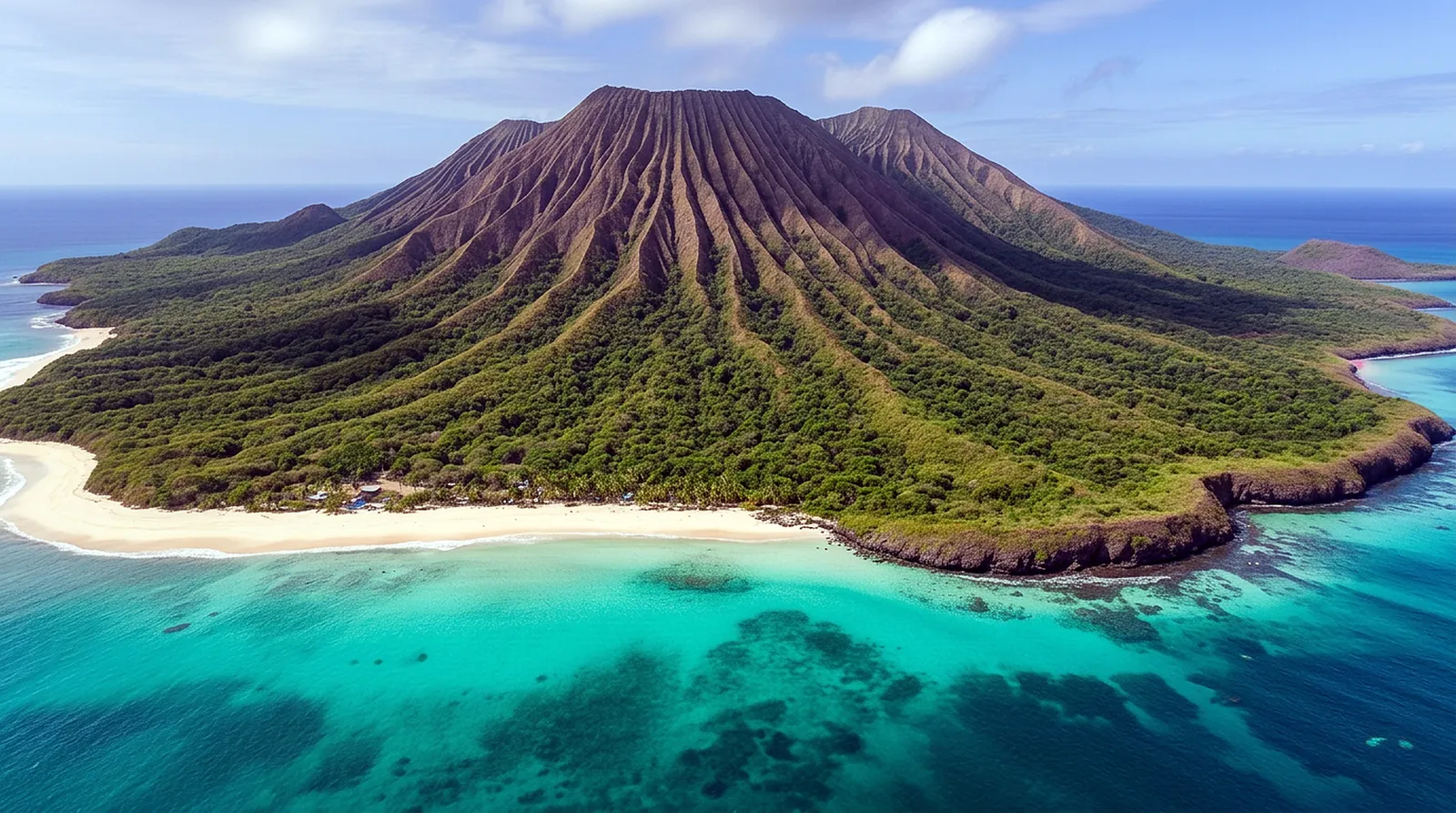
So, you're dreaming of diving Komodo, Indonesia, and January is calling your name? Let's talk about what to expect. January sits smack in the middle of Komodo's wet season. Don't let that deter you entirely, but it's crucial to understand the implications. You can anticipate more frequent and sometimes heavier rainfall, though often these are tropical downpours that pass relatively quickly rather than continuous deluge. The air temperature remains consistently warm, hovering around 27-32°C (81-90°F), so you won't be shivering on deck, even if it’s raining.
Sea conditions can be a little more varied during January compared to the dry season's typically calmer waters. While you might still encounter glass-calm seas, there's a higher chance of choppier conditions, especially in more exposed areas or during periods of heavier wind. This could mean a bumpier ride on your liveaboard when transiting between dive sites. The water temperature is generally pleasant, ranging from 27-29°C (81-84°F), which is fantastic for long dives. Visibility, however, is probably the most significant factor affected by the wet season. Runoff from the land and increased plankton blooms can reduce visibility, particularly in coastal areas or after heavy rain. While you can still expect decent visibility in many spots, don't necessarily anticipate the crystal-clear 30-meter-plus views that are more common in the dry season. Expect ranges from 15-25 meters, with some areas potentially less.
Currents, the hallmark of diving in Komodo, remain a constant. They are still strong and diverse in January, influenced by the complex tides of the Indonesian throughflow. This means exhilarating drift dives are still very much on the menu, but your dive guides will be even more vigilant in planning dives around the tides to ensure safety and maximize sightings.
What you will see
January in Komodo, despite the wet season, continues to deliver an incredible array of marine life. The slightly richer, plankton-filled waters, which might reduce visibility, paradoxically act as a buffet for some of Komodo's most iconic residents. Manta rays are a strong possibility, especially in sites known for their cleaning stations and feeding opportunities. While not a guaranteed aggregation like some dry season phenomena, sites like Manta Point (often called Karang Makassar) still offer excellent chances to witness these majestic creatures gliding effortlessly through the currents, often in multiple numbers. You might also spot eagle rays and various reef sharks, including whitetips and blacktips, cruising along the reef edges.
Komodo's reefs are always vibrant, and January is no exception. Expect thriving soft and hard corals bursting with color and life. The density of reef fish is astounding, with schools of fusiliers, snappers, and trevallies swirling around you. Pelagic action can be hit or miss, but you still stand a good chance of encountering tuna, barracudas, and even occasional mobula rays in the stronger currents. The mild increase in plankton can sometimes attract larger filter feeders, so keep your eyes peeled.
For the macro enthusiasts, Komodo never disappoints, regardless of the month. Cleaner visibility might make spotting the tiniest critters a bit easier in the dry season, but January still offers a treasure trove of nudibranchs, frogfish, pygmy seahorses, ornate ghost pipefish, and a multitude of crustaceans hidden amongst the corals. Your dive guides, with their eagle eyes, will be instrumental in pointing out these camouflaged wonders.
Top dive sites this month
Even with varied conditions, several Komodo dive sites continue to shine in January. Batu Bolong, with its pinnacle rising from the depths, remains a fantastic choice. Its sheltered nature often provides clearer water than more exposed sites, and the sheer density of fish life, including schools of snappers and fusiliers, barracudas, and reef sharks, is consistently breathtaking. The currents here can be fierce on the pinnacles, making it a spectacular, though challenging, dive for experienced divers.
Another perennial favorite that performs well is Castle Rock. While it can be exposed to stronger currents, it's a magnet for pelagics. Here, you might encounter grey reef sharks, giant trevallies, barracudas, and even dogtooth tuna. Your dive guide will carefully assess the currents to ensure a safe and thrilling experience. For manta encounters, Manta Point (Karang Makassar) is still your best bet, though remember that conditions and sightings are never guaranteed. The drifts across its sandy bottom, dotted with coral bommies, offer the best opportunities for spotting these graceful giants. Finally, for a slightly calmer, more macro-focused experience, sites like Cannibal Rock in the southern part of Komodo National Park offer incredibly rich coral gardens and interesting small critters, often with good protection from swell.
Practical tips for your trip
Diving Komodo in January demands a little extra preparation and flexibility, but it's absolutely doable and rewarding. Given the comfortable water temperatures of 27-29°C (81-84°F), a 3mm shorty or full wetsuit should be perfectly adequate for most divers. If you tend to get cold easily or are planning multiple dives a day, a 5mm suit might offer a bit more warmth and protection during longer surface intervals or when exposed to wind and rain. This month is generally best suited for intermediate to advanced divers due to the potential for stronger currents and choppier surface conditions. While beginners can certainly dive in Komodo, the wet season might present more challenging scenarios than the calmer dry months, so a good level of comfort and experience in varied conditions is beneficial.
Liveaboard availability in January tends to be a bit more open compared to the peak dry season, offering more choice and potentially better deals. However, it's still Komodo, so booking in advance is always recommended, especially if you have specific dates or a particular boat in mind. Pack light, quick-drying clothing to cope with the humidity and potential rain. A good quality waterproof jacket or poncho is a must, as are reef-safe sunscreen, a wide-brimmed hat, and insect repellent. Remember to bring a dry bag for electronics and important documents, as rain can pop up at any time. Be aware that itineraries might be subject to change due to weather conditions for your safety and comfort – this is standard practice on any liveaboard operating during a wet season, so embrace the flexibility and trust your captain and dive guides to take you to the best possible sites. Your Komodo adventure awaits, even in January!
Year-round overview for Komodo
Frequently asked questions
Is January a good month to dive in Komodo?
What can you see diving in Komodo in January?
Should I book a Komodo liveaboard for January or wait?
Find a liveaboard for January
Compare available Komodo liveaboards departing in January.
Search and Book