Conditions in January
Welcome to the breathtaking underwater world of Micronesia, and specifically, let's talk about what diving in January has in store for you. This month falls squarely within the dry season for most of Micronesia, which is fantastic news for divers! You can generally expect superb weather conditions topside, with plenty of sunshine and relatively calm seas. This makes for smooth sailing on your liveaboard and comfortable surface intervals. Air temperatures hover pleasantly around 27-30°C (81-86°F), perfect for enjoying your well-deserved break between dives.
Underwater, January offers some of the best visibility of the year across many of Micronesia's legendary diving regions. Think crystal-clear waters presenting you with sightlines often exceeding 30 meters (100 feet), sometimes even up to 40 meters (130 feet) in places like Chuuk Lagoon. Water temperatures are consistently warm, typically ranging from a balmy 28-29°C (82-84°F). This means you'll be comfortable in a lighter wetsuit, letting you focus entirely on the incredible marine life. While currents can always be a factor in Micronesia's nutrient-rich waters, January often sees more predictable and manageable currents due to the stable weather patterns, though drift dives will still be a common and exhilarating experience.
The confluence of calm seas, high visibility, and warm waters makes January an ideal time to explore Micronesia's diverse underwater landscapes, from historic wrecks to vibrant coral reefs. You'll spend less time battling the elements and more time immersed in the oceanic wonders that make this region so famous among divers worldwide.
What you will see
January in Micronesia is a truly special time for marine life encounters, especially if you're keen on pelagics. This month often sees an increase in shark activity, particularly around the outer reefs and channels of places like Palau and Yap. You can expect thrilling sightings of Grey Reef Sharks, Whitetip Reef Sharks, and Blacktip Reef Sharks patrolling the coral gardens. If you're lucky, and often are in January, you might even spot Oceanic Whitetip Sharks or Hammerheads cruising in the deeper blue. Beyond sharks, keep your eyes peeled for massive schoolings of barracuda and jacks, creating spectacular tornados of silver as they swirl past you.
Manta rays are also a significant draw in Micronesia during January. While they can be found year-round in certain locations, the stable conditions and specific feeding patterns this time of year can lead to more consistent sightings, particularly at established cleaning stations and feeding grounds. You might witness these gentle giants gracefully gliding overhead, or even performing their balletic feeding routines. Furthermore, the healthy reefs teem with an astonishing array of smaller reef fish, vibrant hard and soft corals, and curious macro life. Look closely within the corals for various nudibranchs, gobies, and blennies, adding another layer of discovery to your dives.
For those exploring the legendary wrecks of Chuuk Lagoon, January's outstanding visibility enhances the experience dramatically. The sunken Japanese fleet transforms into colossal artificial reefs, encrusted with corals and home to a myriad of fish species. You'll see schools of snapper, fusiliers, and unicornfish navigating the corroded structures. The pristine conditions allow for clearer views into cargo holds brimming with war relics, making the historical immersion even more profound. It's a month where the entire ecosystem seems to be in full swing, offering a comprehensive and unforgettable diving experience.
Top dive sites this month
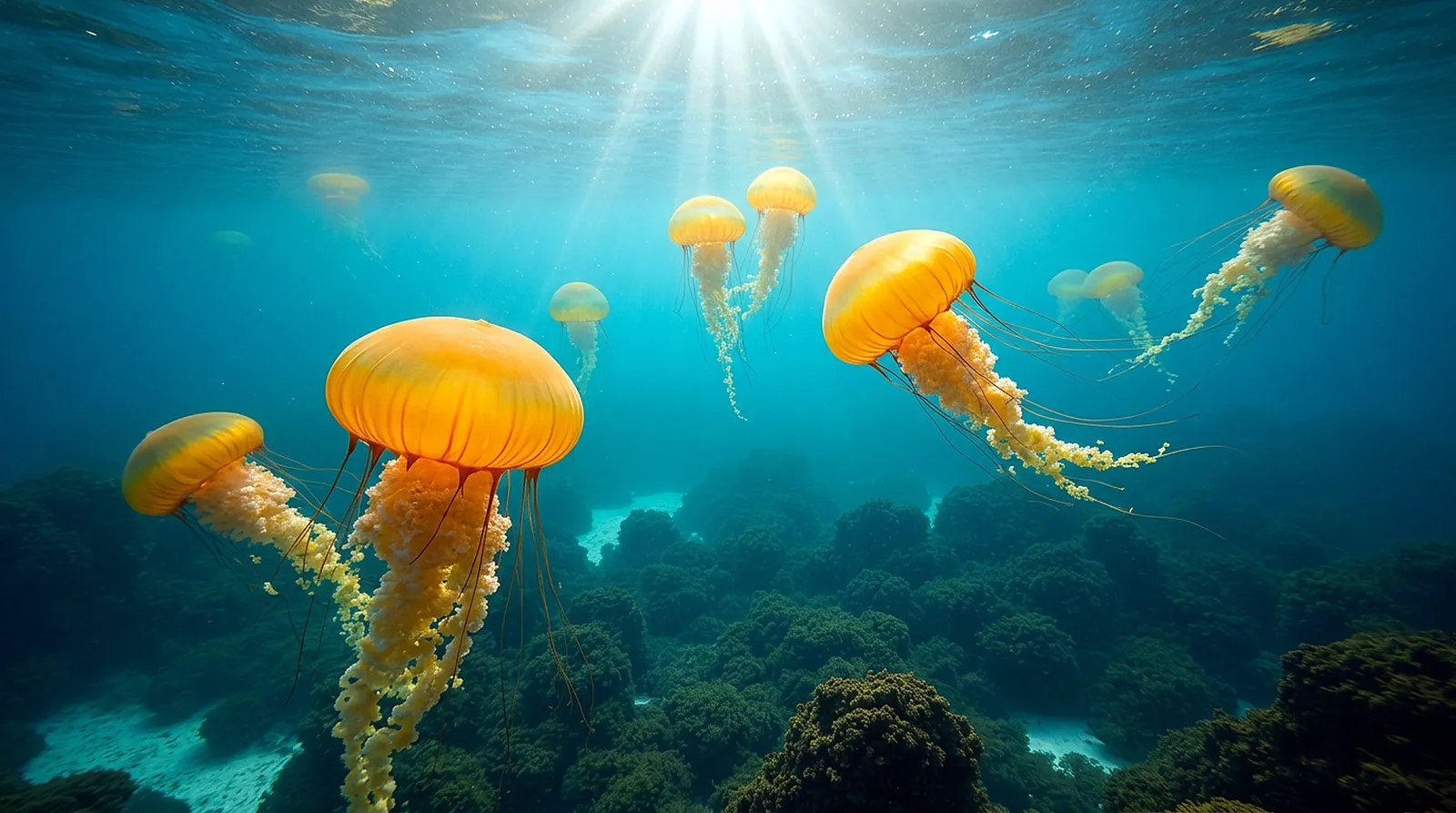
When planning your January Micronesian dive adventure, several regions and sites stand out. In Palau, you absolutely cannot miss Peleliu Express and Blue Corner. January's conditions generally provide fantastic visibility and manageable currents, making these world-renowned drift dives even more exhilarating for witnessing sharks, large pelagics, and schooling fish. The calmer surface conditions also make the crossing to Peleliu more comfortable. For something different, explore the mesmerizing Jellyfish Lake, where you can snorkel amongst millions of harmless golden jellyfish.
Over in Yap, January offers prime opportunities for interacting with its famous manta rays. Dive sites like Mi'l Channel are often buzzing with activity as mantas visit their cleaning stations. The clearer water this time of year also makes for incredible wide-angle photography opportunities. And, of course, no mention of Micronesia diving would be complete without Chuuk Lagoon (Truk Lagoon). January's excellent visibility is a game-changer for wreck diving here, allowing you to appreciate the sheer scale and historical detail of sites like the San Francisco Maru and the Fujikawa Maru. These conditions enhance penetration dives and present the wrecks in their full glory, revealing artifacts and marine growth with unparalleled clarity.
Practical tips for your trip
Given the consistently warm water temperatures of 28-29°C (82-84°F) in January, a 3mm shorty or full wetsuit will be more than adequate for most divers. Some experienced divers may even opt for just a rash guard, but a thin wetsuit offers protection against minor stings and adds a layer of comfort for multiple dives. January is a fantastic month for all levels of divers, from beginners making their first forays into warmer waters to seasoned pros seeking challenging drift dives and deep wreck explorations. The generally calm conditions are welcoming for newcomers, while the rich marine life and historical sites offer endless fascination for the experienced.
Liveaboard availability in Micronesia can be competitive in January, as it falls within a popular travel period. We highly recommend booking your liveaboard well in advance, ideally 6-12 months out, to secure your preferred itinerary and vessel. Essential items to pack include reef-safe sunscreen, a wide-brimmed hat, insect repellent (especially for island excursions), and lightweight, breathable clothing. Don't forget your certification cards, logbook, and any personal dive gear you prefer to use. Be aware that while most liveaboards handle logistics, knowing your dive limits and being comfortable with drift diving techniques for sites like Palau's channels will enhance your experience. Finally, embrace the remote beauty and unique culture of Micronesia as you prepare for an unforgettable underwater adventure!
Year-round overview for Micronesia
Frequently asked questions
Is January a good month to dive in Micronesia?
What can you see diving in Micronesia in January?
Should I book a Micronesia liveaboard for January or wait?
Find a liveaboard for January
Compare available Micronesia liveaboards departing in January.
Search and Book