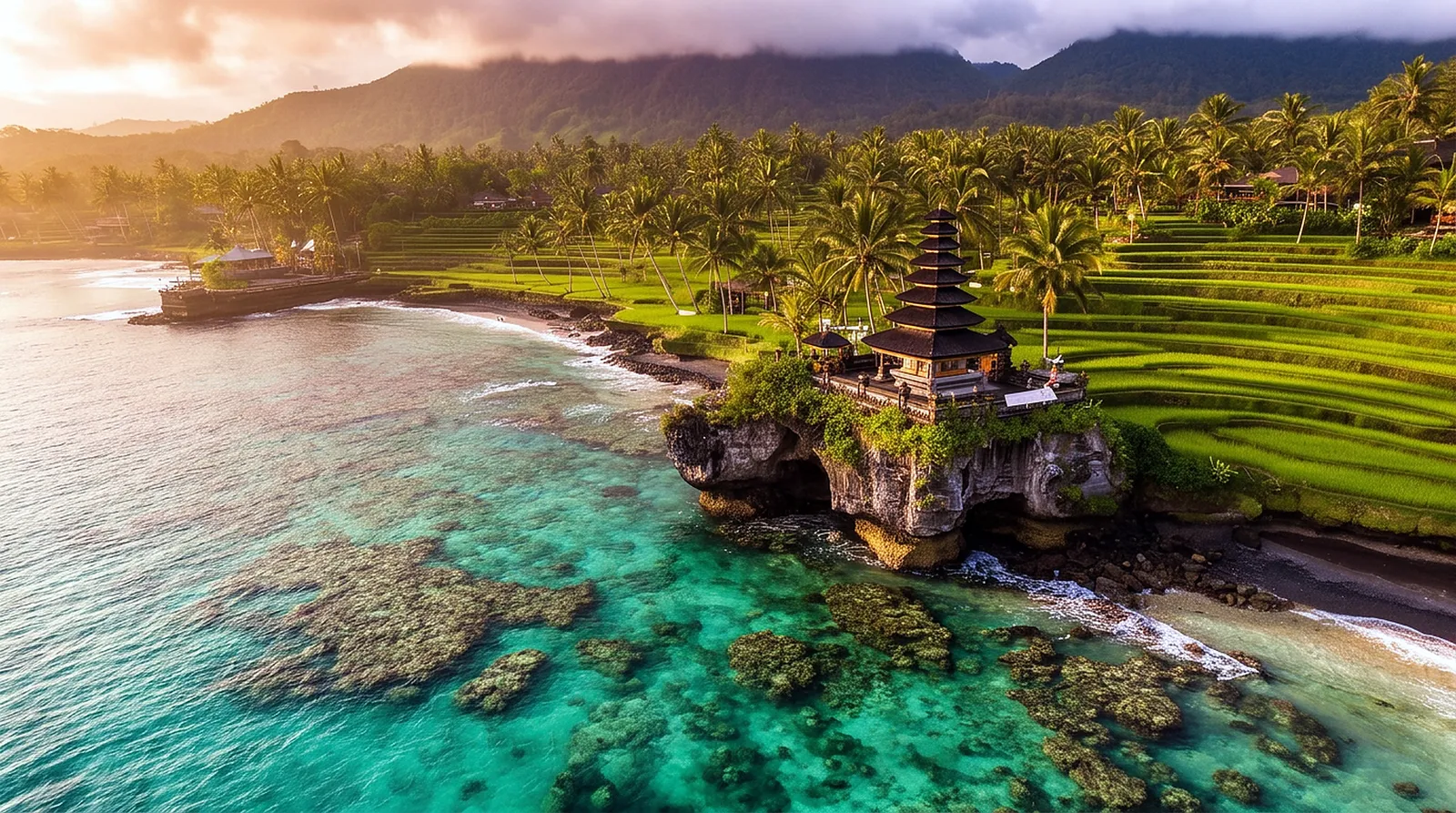
Conditions in January
So, you’re thinking about diving in Bali in January, huh? Let’s be honest right from the start: January falls squarely within Bali’s wet season, and while that might sound like a deterrent, it doesn’t mean diving is off the table by any stretch. Expect more rain showers, often intense but typically short-lived, giving way to sunshine. The air temperature hovers comfortably around 28-31°C (82-88°F), and while the humidity can be high, it’s rarely oppressive. The real question for us divers is what it means for the underwater world.
Sea conditions can be a mixed bag during January. You might encounter choppier seas, particularly on exposed sites or during strong winds, making transfers to some dive spots a bit bumpier. However, many popular dive areas like those around Nusa Penida and Candidasa still offer protected spots. Water temperatures are generally delightful, ranging from a warm 27-29°C (81-84°F) in most areas, though specific locations, especially those influenced by upwellings further south, might dip a degree or two. Perhaps the most significant change from the dry season is visibility. While you won’t typically get the 30+ meter crystal-clear conditions of the dry season, visibility around most sites hovers between a respectable 15-25 meters. Keep in mind that heavy rainfall can temporarily reduce visibility in shallower, coastal areas due to run-off, but open water sites are generally less affected. Currents vary as always, from mild to strong, depending on the site and lunar cycle, so always pay attention to your dive guide’s briefings.
What you will see
January in Bali, despite the wet season, still guarantees an abundance of marine life. While the famous Mola Mola (oceanic sunfish) season peaks during the cooler dry months, you still have a chance to spot them, particularly at deeper, cooler sites like those around Nusa Penida, though it's less probable than in July-October. What you can almost certainly count on are the majestic Manta Rays. Nursery Manta Point and Manta Bay off Nusa Penida are reliable cleaning stations, and these gentle giants are present year-round. They seem to enjoy the slightly warmer waters, gliding gracefully above you, seemingly oblivious to your presence.
Shark sightings are also consistent. Reef sharks (blacktip and whitetip) are common residents on many dive sites, especially around Gili Mimpang, Gili Tepekong, and the deeper areas of Nusa Penida. While hammerheads are rare, you might occasionally spot a thresher shark or even a leopard shark if you're lucky and diving at the right spot at dawn. Macro enthusiasts will be in seventh heaven. Sites like Secret Bay in Gilimanuk (known for muck diving) and Padang Bai offer an incredible array of critters. Think flamboyant cuttlefish, various species of nudibranchs adorned in vibrant hues, frogfish camouflaged perfectly against sponges, mandarinfish performing their mating dance at dusk, and a plethora of ghost pipefish and pygmy seahorses. Bali’s coral reefs, both soft and hard, are thriving, supporting a dizzying array of reef fish, from schooling fusiliers and snappers to vibrant parrotfish and angelfish. The wet season brings slightly more planktonic activity, which, while reducing visibility slightly, is a boon for filter feeders and the entire food chain, making for lively reefs.
Top dive sites this month
For January diving, you'll want to focus on sites that offer protection from potential surge or currents, or those where year-round inhabitants are the main draw. Without a doubt, the Nusa Penida region remains a highlight. Sites like Manta Point and Manta Bay are practically guaranteed for manta ray encounters. Although the Mola Mola season is technically over, sites like Crystal Bay still hold a slim chance, and its resident schooling fish and healthy corals make it an excellent dive regardless. Be prepared for potentially stronger currents here, though.
Moving to the east coast, the sites around Candidasa are fantastic. Gili Tepekong and Gili Mimpang, often referred to as the “Shark Islands,” frequently deliver reef shark encounters and abundant schooling fish, though they can experience strong, unpredictable currents so are best for experienced divers. Further north in Amed and Tulamben, the conditions are generally calmer. The iconic USAT Liberty Wreck in Tulamben is a must-do, boasting incredible coral growth and marine life year-round, from bumphead parrotfish to various macro critters. It’s also incredibly accessible for all levels. Finally, for those who love muck diving and unique macro finds, a trip to Secret Bay in Gilimanuk is highly recommended. The calm, shallow waters here are perfect for finding rare critters, and it’s typically less affected by the wet season conditions elsewhere.
Practical tips for your trip
Given the comfortable water temperatures of 27-29°C (81-84°F) in January, you’ll be perfectly fine with a 3mm shorty or a full 3mm wetsuit. Some divers might even opt for just a rash guard, especially if they’re used to warmer waters, but a 3mm wetsuit offers good protection from the sun, minor stings, and coral scrapes. This month generally suits all levels of divers. Beginners will find plenty of sheltered, calm sites with excellent visibility around Tulamben and Padang Bai, while advanced divers can tackle the more challenging currents and deeper dives around Nusa Penida and Candidasa for pelagic encounters.
While Bali is primarily known for its land-based dive resorts and day trips, liveaboard options are limited and usually focus on longer itineraries to Komodo or Raja Ampat, which are in their off-season (or transit season) in January. For diving Bali itself, you'll be staying in resorts and conducting daily dive excursions. Be prepared for intermittent rain, so pack a lightweight, waterproof jacket and plenty of quick-drying clothing. Reef-safe sunscreen, a hat, and mosquito repellent are also essential. Keep in mind that some dive operators might adjust their schedules or dive site choices based on real-time sea conditions for safety, so be flexible and trust your guide's judgment. January diving in Bali offers a vibrant underwater experience, often with fewer crowds than the peak dry season, making it a great time to explore if you don’t mind a few raindrops!
Year-round overview for Bali
Frequently asked questions
Is January a good month to dive in Bali?
What can you see diving in Bali in January?
Should I book a Bali liveaboard for January or wait?
Find a liveaboard for January
Compare available Bali liveaboards departing in January.
Search and Book