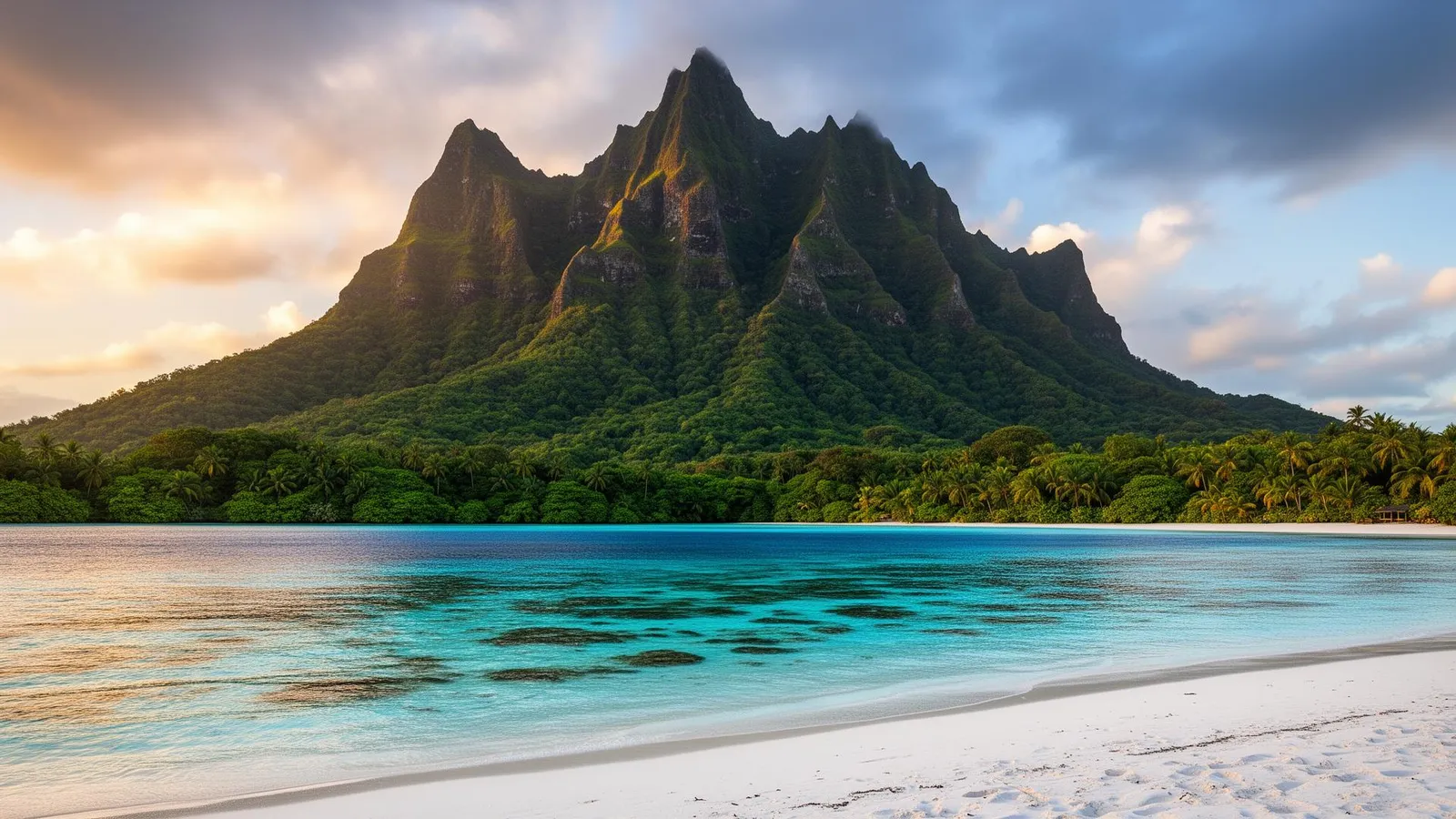
Conditions in May
May marks a truly special time for diving in French Polynesia, as it ushers in the drier, cooler season. You're moving away from the more humid and potentially wetter months, enjoying a climate that’s generally more stable and pleasant. Expect air temperatures to hover around a comfortable 26-28°C (79-82°F), with refreshing breezes that make onshore life just as enjoyable as your underwater adventures. When it comes to the ocean, May offers some of the most consistent and inviting conditions of the year.
The water temperature throughout the atolls remains deliciously warm, typically ranging from 27-29°C (81-84°F). This means you’ll be incredibly comfortable spending extended periods in the water, only needing minimal thermal protection. Visibility is often exceptional in May, frequently exceeding 30 meters (100 feet) and sometimes reaching a pristine 40 meters or more. This crystal-clear water is perfect for appreciating the vibrant reef ecosystems and spotting distant pelagic action.
While currents are an inherent part of diving in the passes of French Polynesia – a key factor in attracting its famous megafauna – May typically sees conditions that are strong enough to bring in the big stuff but often more predictable than in peak windy seasons. Surface conditions are generally calmer, making crossings between dive sites smoother on your liveaboard and ensuring easier entries and exits.
What you will see
May is an absolute showstopper for marine life in French Polynesia. It’s shoulder season for many of the big aggregations, meaning you get fantastic sightings without the peak season crowds. This is a prime time for sharks, and you’ll encounter them in abundance across the archipelago. Think grey reef sharks schooling in the passes, blacktip reef sharks patrolling the shallows, white tip reef sharks resting on sandy bottoms, and the majestic sicklefin lemon sharks around specific atolls. Furthermore, May is still within the window for hammerhead shark sightings, particularly in the deeper waters of the Tuamotus, offering truly exhilarating encounters.
Beyond sharks, the pelagic action is extraordinary. You can expect to see large schools of barracuda and trevally, often forming impressive silvery tornadoes. Napoleon wrasse and sizable groupers are common inhabitants of the reef, and the outer reefs and passes frequently host majestic manta rays gliding gracefully through the currents. While whale season typically begins a bit later, May can offer early sightings of humpback whales, especially towards the end of the month, making for an unforgettable bonus.
The coral reefs themselves are thriving canvases of life, bustling with a kaleidoscope of reef fish. You'll spot vibrant parrotfish, intricate moray eels peeking from their crevices, and an endless array of colorful butterflyfish and angelfish. For those who appreciate the smaller wonders, May's calm conditions and excellent visibility also lend themselves well to scrutinizing the reef for nudibranchs, crabs, and other macro subjects, though French Polynesia is more renowned for its larger inhabitants.
Top dive sites this month
For sheer pelagic action and consistent big fish encounters in May, the Tuamotu Archipelago is hands down your best bet. Fakarava's South Pass (Tumakohua) is legendary, often cited as one of the best dive sites in the world. In May, you can expect phenomenal wall dives with hundreds of grey reef sharks, particularly during the incoming currents when they gather in astounding numbers. It’s an adrenaline-fueled drift dive where the sheer biomass of fish is staggering. Also in Fakarava, the North Pass (Garuae) delivers incredible drift dives, frequently attracting hammerheads and large schools of pelagics.
Another must-visit in the Tuamotus is Rangiroa, especially its famous Tiputa Pass. May offers excellent conditions here for spotting bottlenose dolphins that often interact with divers, as well as grey reef sharks, manta rays, and large congregations of eagle rays. The strong currents in the pass create a vibrant ecosystem that’s continuously refreshed, making for dynamic and unpredictable dives. If your liveaboard itinerary allows, consider diving Tikehau's Tuheiava Pass, which is famed for its abundant resident manta rays and pristine coral gardens, often providing more relaxed encounters with these gentle giants in May's pleasant conditions. These sites truly come alive in May, promising a dive trip of a lifetime.
Practical tips for your trip
Given the warm water temperatures of 27-29°C (81-84°F) in May, you'll likely be comfortable in a 3mm shorty wetsuit or even just a rash guard for sun protection and a bit of warmth after multiple dives. If you tend to get cold easily or plan on extensive time in the water, a full 3mm suit would be ample. This month is fantastic for divers of all levels, but particularly rewarding for advanced divers who relish drift diving and strong currents. Many of the iconic passes in the Tuamotu Archipelago involve significant currents, so comfort and experience with drift diving are highly beneficial to fully enjoy the experience. However, there are also plenty of sheltered lagoon dives and less intense pass dives suitable for intermediate divers.
May is a popular time to visit, bridging the gap between the wet and peak whale seasons. Liveaboard availability, especially on premium vessels, tends to fill up quickly, so it’s highly advisable to book your trip several months in advance to secure your preferred dates and cabins. Pack light, breathable clothing for onshore excursions, good sun protection (hat, sunglasses, reef-safe sunscreen), and comfortable sandals. Don't forget an underwater camera – the visibility and marine life in May are simply spectacular and begging to be captured! Be aware that while most main islands and atolls are well-equipped, some of the more remote dive sites are best accessed via liveaboard, which offers unparalleled access and convenience to the best diving. Ensure you have appropriate dive insurance that covers remote locations and potential medical evacuations, as you’ll be quite far from major hospitals on some itineraries.
Year-round overview for French Polynesia
Frequently asked questions
Is May a good month to dive in French Polynesia?
What can you see diving in French Polynesia in May?
Should I book a French Polynesia liveaboard for May or wait?
Find a liveaboard for May
Compare available French Polynesia liveaboards departing in May.
Search and Book