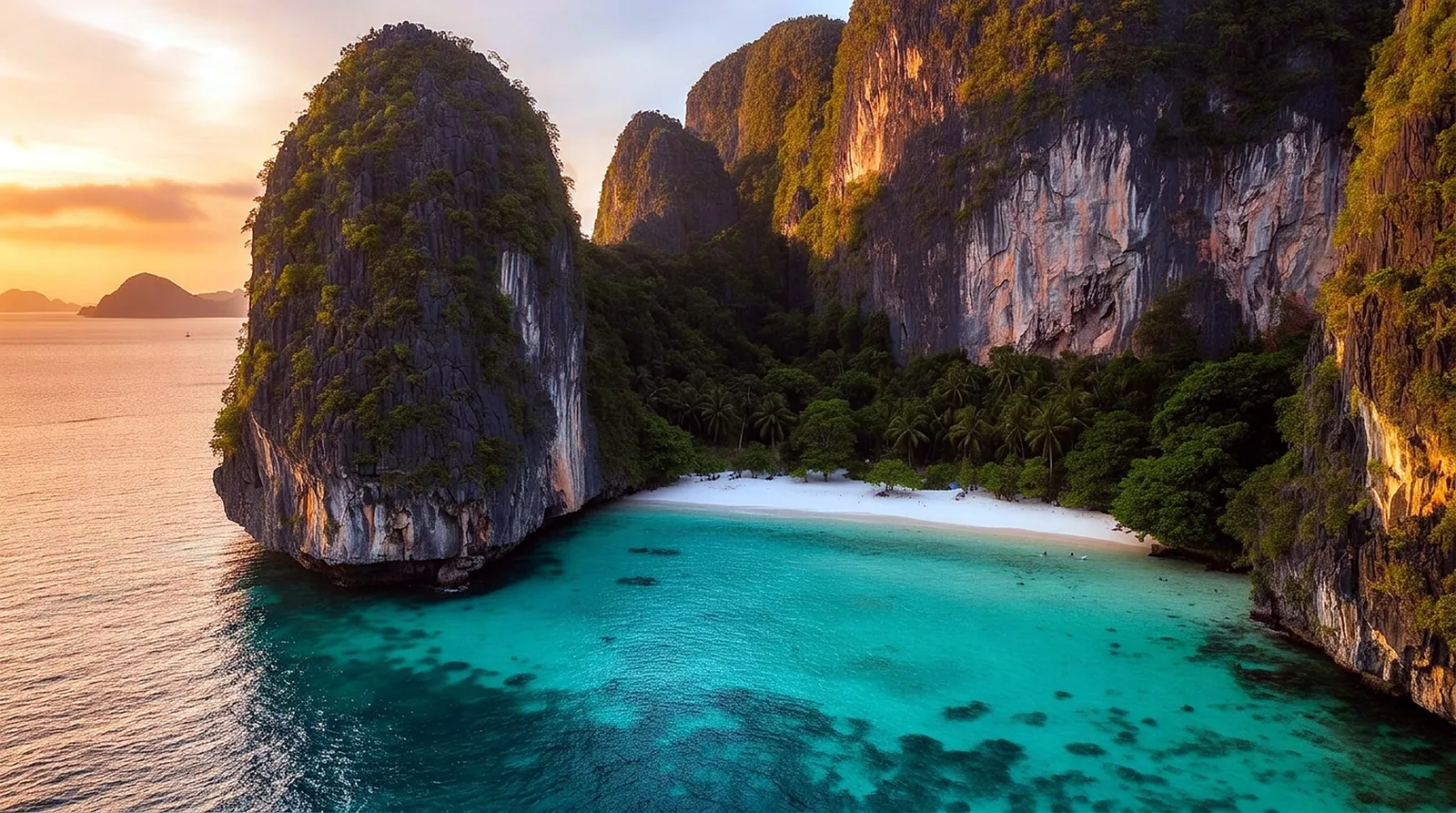
Conditions in May
So, you're eyeing Thailand for a dive trip in May, eh? Let's talk brass tacks about what you can expect. May sits Squarely at the transition period between the dry, northeast monsoon and the wet, southwest monsoon. What does this mean for your diving? Well, it depends heavily on which coast you're focusing on. For the Andaman Sea side (Phuket, Similan Islands, Koh Lanta), May is traditionally considered the end of the high season and the start of the 'green season' – often, though inaccurately, called monsoon. The Similan and Surin Islands National Parks, for instance, typically close down at the end of May and reopen in October. This closure is primarily due to sea conditions that can become less predictable, with choppier waters due to increased winds, though it's important to note that it's also a time for marine life to rest and recuperate from human traffic. You might encounter more rain, particularly in the afternoons, but usually, it’s not an all-day wash-out.
Long-term average sea temperatures in May: about 30 °C (86 °F) around Phuket (Andaman Sea). Visibility on the Andaman side can vary. Visibility depends on wind, currents, rain and plankton, so it can vary from site to site and day to day. This isn’t necessarily a bad thing, as lower visibility can sometimes concentrate plankton, attracting larger pelagics – a silver lining! Currents are generally manageable but can pick up around some of the deeper, more exposed pinnacles. On the Gulf of Thailand side (Koh Samui, Koh Phangan, Koh Tao), May is still firmly within their prime season. So, if calmer waters are your priority, the Gulf might be calling your name.
What you will see
Diving in Thailand in May, even with the shift in seasons, still offers a plethora of incredible marine encounters. On the Andaman coast, despite the impending park closures, the earlier part of May can still deliver some fantastic big animal action. You might still be lucky enough to encounter whale sharks cruising the deeper sites around the Similan and Surin Islands, notably at Richelieu Rock and Koh Tachai. These gentle giants are always a highlight and their presence is often linked to the plankton blooms that can occur this time of year. Manta rays are also a possibility around sites like Koh Bon and Hin Daeng/Hin Muang. While their peak season is usually earlier, they are migratory and some individuals can still be seen passing through, particularly if the plankton levels are right. Reef sharks, including leopard sharks and blacktip reef sharks, are resident and can be spotted regularly on most dives.
Beyond the pelagics, Thailand’s reefs are teeming with vibrant life. Expect to see colorful nudibranchs, ghost pipefish, seahorses, and various species of frogfish, especially if you have a keen eye for macro. The hard and soft corals remain healthy and provide a home to an incredible array of reef fish: clownfish, angelfish, barracuda, trevally, and moral eels are ubiquitous. Over on the Gulf of Thailand side, specifically around Koh Tao, you’re still in prime whale shark season. Chumphon Pinnacle and Sail Rock are renowned for their whale shark sightings in May, often accompanied by schools of barracuda and trevally hunting in unison amongst the deeper formations. You'll also find resident turtles, reef sharks, and an abundance of smaller critters making their homes in the vibrant coral gardens.
Top dive sites this month
For the early part of May on the Andaman side, before the national parks shut down, your best bet for big animal encounters is still the Similan Islands and Surin Islands National Parks. Specifically, Richelieu Rock remains a world-class site for whale shark and manta ray sightings. Its horseshoe shape and current-swept waters make it a magnet for pelagics, and you’ll also discover an incredible density of macro life on its vibrant walls. Further south, Hin Daeng and Hin Muang, situated between Koh Lanta and Phi Phi, are pinnacles renowned for their dramatic topography and frequent manta ray and occasional whale shark visits. These sites are a little more exposed and can experience stronger currents, so they're often best tackled by more experienced divers.
If you're looking for consistent conditions and fantastic diving throughout May, the Gulf of Thailand is your sweet spot. Koh Tao boasts sites like Chumphon Pinnacle and Sail Rock. Chumphon Pinnacle is a submerged granite peak just off Koh Tao, famous for its possibility of whale shark encounters, huge schools of barracuda, and impressive bull sharks. Sail Rock, located between Koh Phangan and Koh Tao, is another legendary site, celebrated for its unique 'chimney' swim-through and massive schools of fusiliers, snapper, and often – you guessed it – whale sharks. Both these sites offer excellent visibility and calmer conditions during May, making them ideal for divers of all experience levels.
Practical tips for your trip
The right wetsuit depends on the water temperature at your sites, how many dives you do and how easily you get cold, so ask your operator what guests usually wear. If you tend to get cold easily, a full 3mm suit would be ample. May is a peculiar month because it caters to different diver profiles depending on the region. On the Andaman side, the earlier part of May (before park closures) still suits experienced divers keen on liveaboard trips to the Similans for big animal encounters, though beginners can also enjoy the less exposed sites. However, as the season progresses, conditions can become more challenging, making it less ideal for first-timers. On the other hand, the Gulf of Thailand in May is fantastic for all levels, from novice divers undertaking their Open Water course to experienced enthusiasts seeking pelagics in calm waters.
Liveaboard availability on the Andaman side dwindles significantly towards the end of May as operators complete their final trips before the national park closures. If a Similan liveaboard is on your bucket list for May, book early for the first couple of weeks. For the Gulf, liveaboards from Koh Tao to sites like Sail Rock are readily available and run consistently. What to pack? Light, breathable clothing is a must, along with a good reef-safe sunscreen, insect repellent (especially for the evenings), and a lightweight rain jacket or poncho just in case you catch a tropical shower. Be aware that during the transition period on the Andaman side, some dive centers and smaller resorts might reduce their operations or close for maintenance, so it’s always wise to check ahead with your chosen operator or resort. Regardless of where you choose to dive, Thailand in May offers some phenomenal underwater experiences, you just need to pick the right coast for your diving preferences!
Regional notes
Each note applies only to the named region, not to the whole country.
- Phuket (Andaman Sea): Average sea temperature 30.2 °C (86 °F)